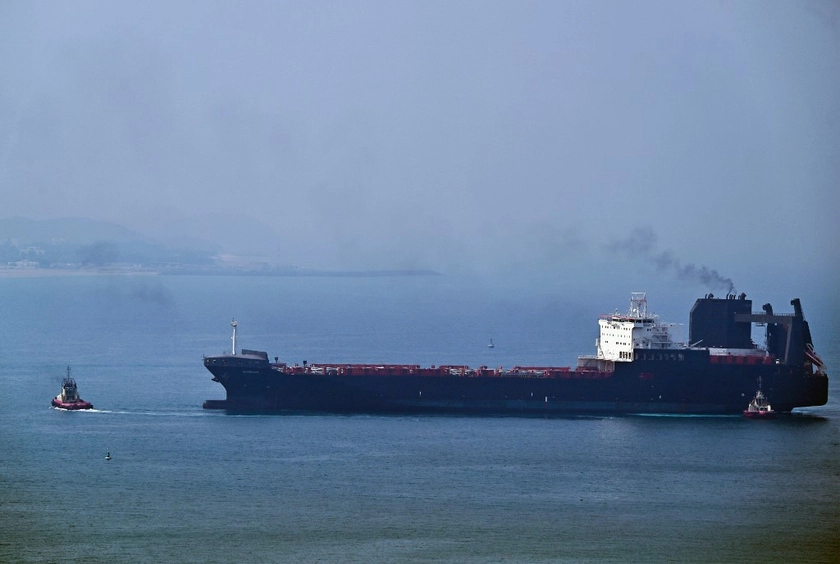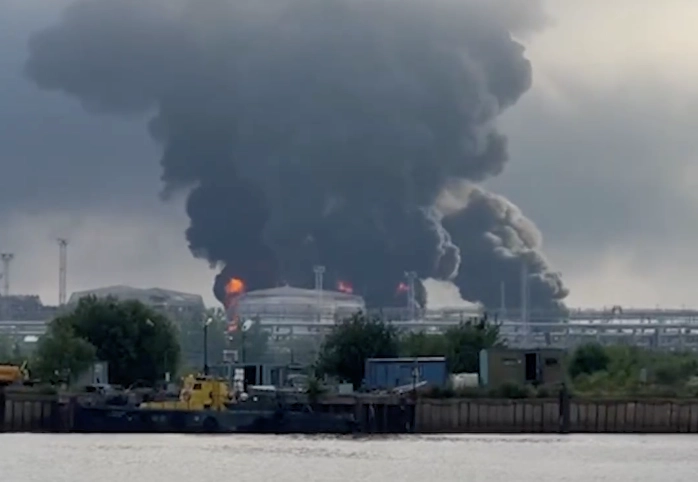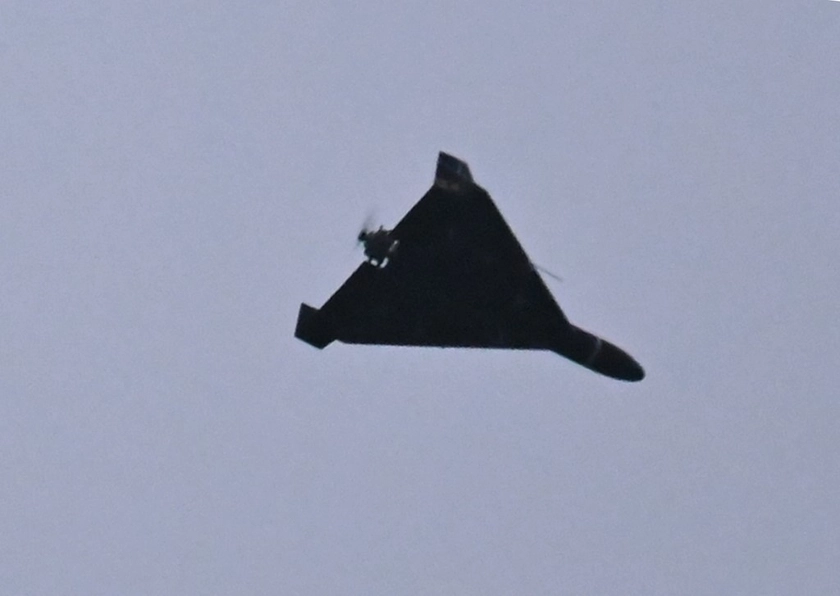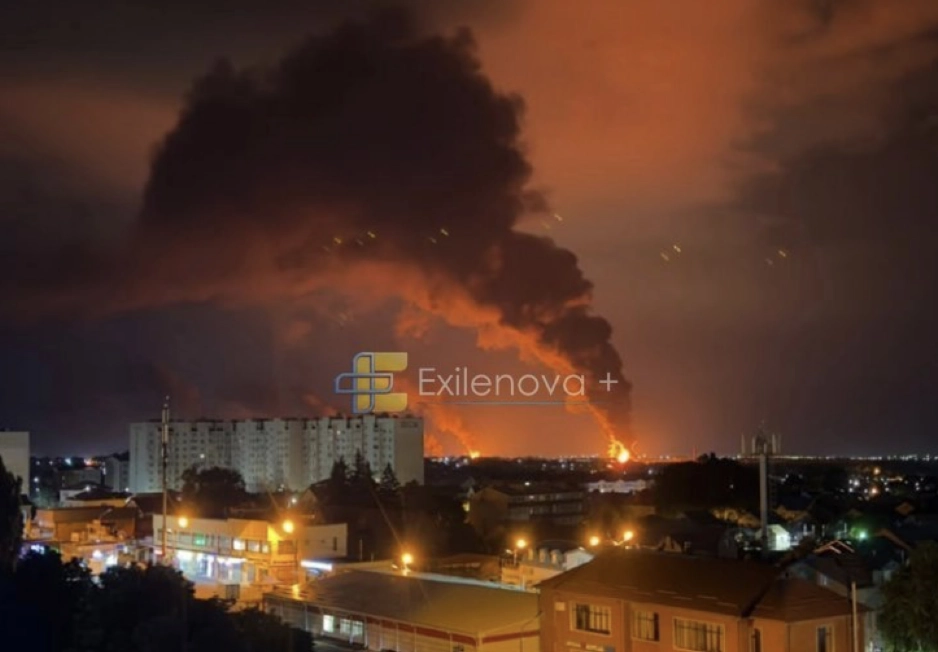
The Security Service of Ukraine (SBU) launched a series of drone strikes overnight on Sunday, July 19, targeting three oil depots in Russia’s Stavropol region and a Russian shadow fleet tanker, according to statements from the agency.
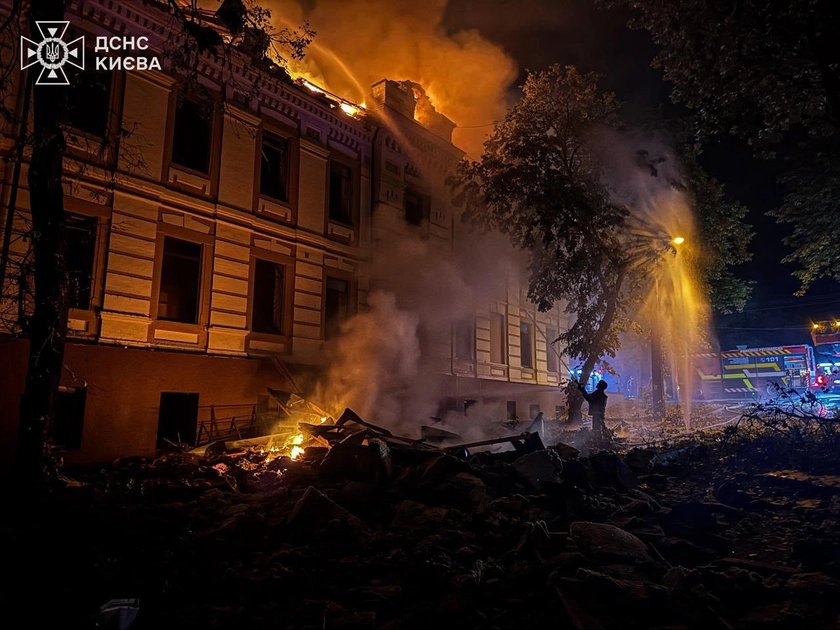
The SBU reported that the strikes on the Stavropol region, located approximately 600 kilometers from the Ukrainian border, caused large-scale fires and explosions at fuel storage tanks.
JOIN US ON TELEGRAM
Follow our coverage of the war on the @Kyivpost_official.
The agency stated the operations aim to degrade Russia’s military-economic capacity, complicate crude oil exports, and disrupt fuel supplies for Russian forces.
Strikes on Stavropol oil depots
Russian Telegram channel Astra corroborated the strikes, reporting at least three distinct fires in two industrial zones in and around the city of Stavropol.
Visual evidence confirmed a fire at a Rosneft oil depot in the neighboring settlement of Viaznyky, north of Stavropol. A second fire likely occurred at an industrial facility on Promyslova Street, which houses the fuel companies Corona and MK-Nefteprodukt.
A third fire was reported at the Stavropol oil depot on Kolomiitseva Street, operated by Lukoil-Yugnefteprodukt. This facility features 42 storage tanks with a total capacity of approximately 57,600 cubic meters, providing reception, storage, and distribution of gasoline, diesel fuel, and lubricants.
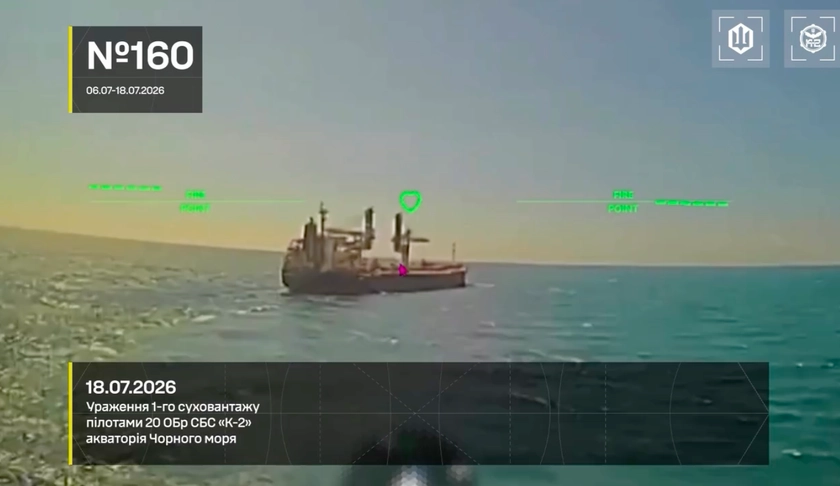
In a concurrent maritime operation, an SBU “Mamai” surface drone struck the Avero, a Suezmax-class tanker operating as part of Russia’s shadow fleet.
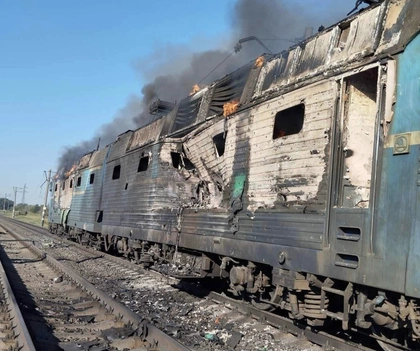
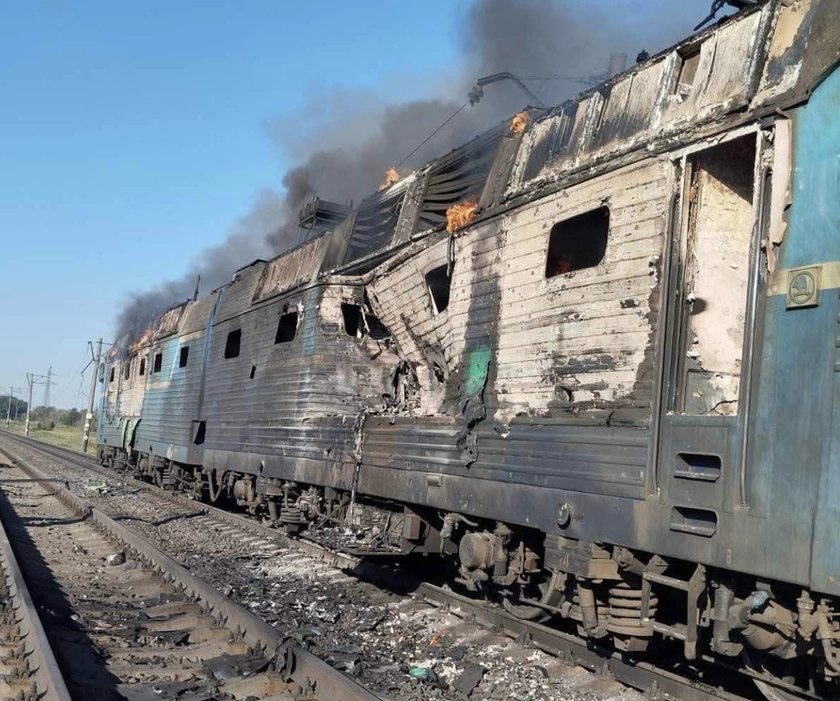
Russia Strikes Passenger Train in Zaporizhzhia Region, Injuring Conductor
The SBU noted that the Avero was actively transporting Russian crude oil to countries including China and India, bypassing the oil embargo imposed by the G7 and the EU.
The agency highlighted that this marks the fourth shadow fleet tanker hit by the SBU in the past ten days. Suezmax vessels are large maritime tankers capable of transporting significant volumes of crude oil and petroleum products.



Strikes on Crimean infrastructure
The operations against the Stavropol region and the Avero coincided with a wave of drone attacks targeting the Russian-occupied Crimean peninsula.
Local monitoring channel Crimean Wind reported a drone strike and subsequent fire at the 110/10 kV Darsan electrical substation in Yalta at approximately 2:00 a.m. local time. Explosions were also reported in the cities of Feodosia, Sudak, and Kerch.
The strikes compound an escalating energy crisis on the peninsula. On Wednesday, July 15, total blackouts were reported in eastern Crimea’s Kerch following a wave of Ukrainian strikes. Krymenergo, the peninsula’s main energy operator, has since implemented power supply restrictions across multiple districts.
Crimea’s 2.3 million residents are also facing severe automobile fuel shortages following weeks of systematic Ukrainian drone raids against fuel storage sites and maritime logistics vessels.
Cumulative impact on energy infrastructure
The July 19 strikes exacerbate an ongoing energy and fuel crisis across the occupied peninsula. Crimea’s 2.3 million residents have been facing near-catastrophic automobile fuel shortages following weeks of systematic Ukrainian drone raids against fuel storage sites and logistics lines connecting the territory to the Russian mainland.
The power grid has also sustained heavy damage. On Wednesday, July 15, a separate wave of strikes caused total blackouts in the eastern city of Kerch, a critical logistical hub for Russian forces. Ivan Koshel, the Russian-installed head of the Kerch administration, confirmed the blackout, stating that life-support systems were forced to operate on backup power.
Krymenergo, the occupied peninsula’s main energy operator, acknowledged widespread power supply restrictions and rolling blackouts across Crimea’s Northwestern and Eastern power districts.
In response to the deteriorating infrastructure situation, Russian-installed officials, including Sevastopol mayor Mikhail Razvozhaev, recently introduced a “special regime” at energy facilities. Razvozhaev urged residents to minimize electricity consumption to prevent total grid failure and advised the population to conserve battery power on mobile devices for emergency communications.
You can also highlight the text and press Ctrl + Enter

OPINION: The Bill for Crimea Comes Due for Putin