


EN

EN


EN
Stay on top of Russia-Ukraine war 04-20-2025 developments on the ground with KyivPost fact-based news, exclusive video footage, photos and updated war maps.
Will the US take the bold steps necessary to end this war, or will they continue down a path of inaction that only prolongs the suffering? Here is a three-pillar strategy for peace.
As we enter the fourth year of Russia’s brutal invasion of Ukraine, the stakes for US national security, European stability, and global peace have never been higher.
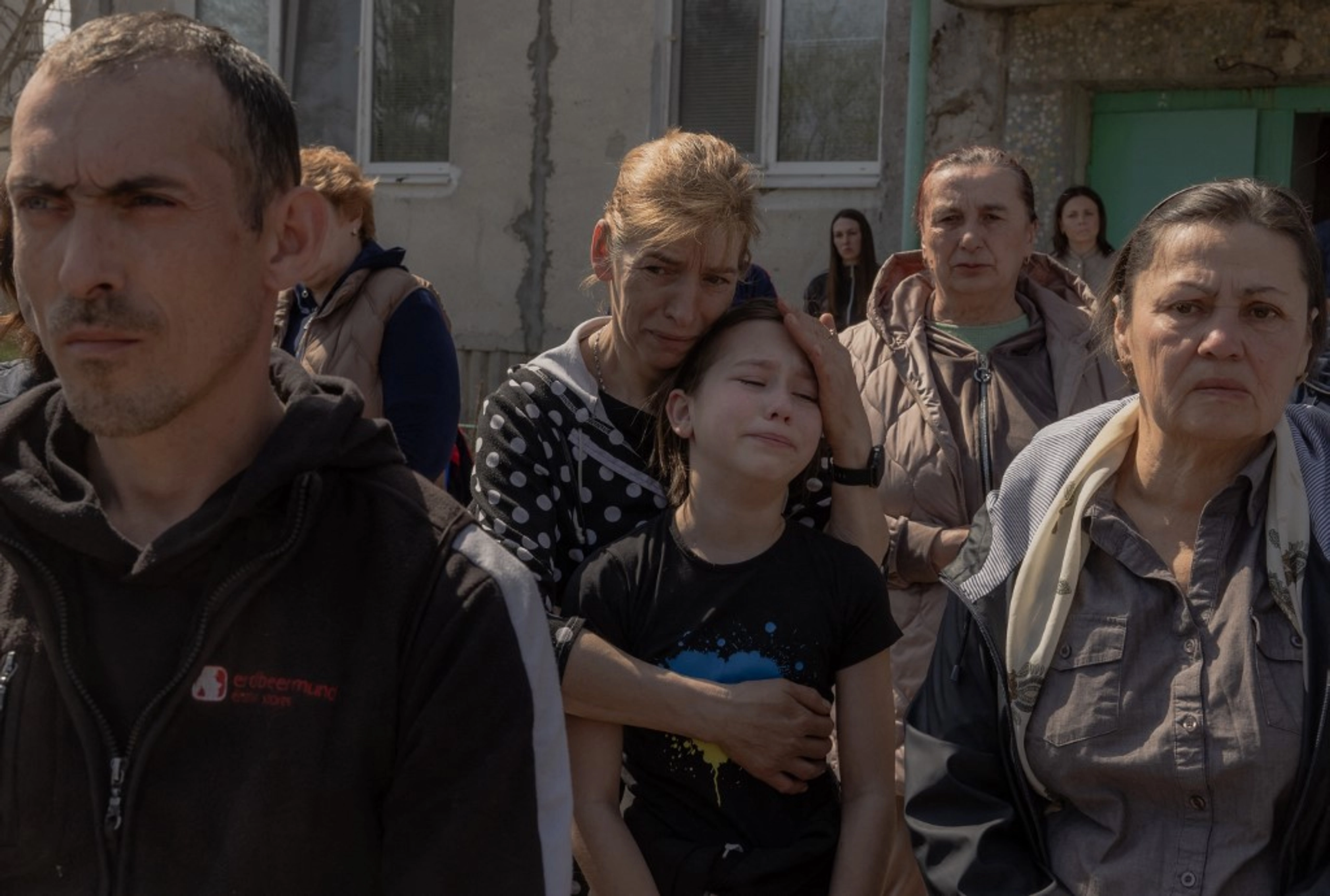
Over the past few months, despite multiple opportunities for ceasefires, Putin’s regime has been relentless, continuing to bomb Ukrainian civilians with impunity. Just a few days ago, on Palm Sunday, Russian forces launched a horrific double-tap missile strike on Sumy, killing 32 churchgoers as they gathered for services. The first missile struck, then as rescue crews rushed to help, a second ballistic missile followed – deliberately targeting those trying to save lives. This atrocity is just one of many, showcasing Putin’s complete disregard for human life and his rejection of peace.
The US president’s overarching method is one of disruption. Now that the old order is being ripped apart, Ukraine must be ready to step in and fill the gaps.
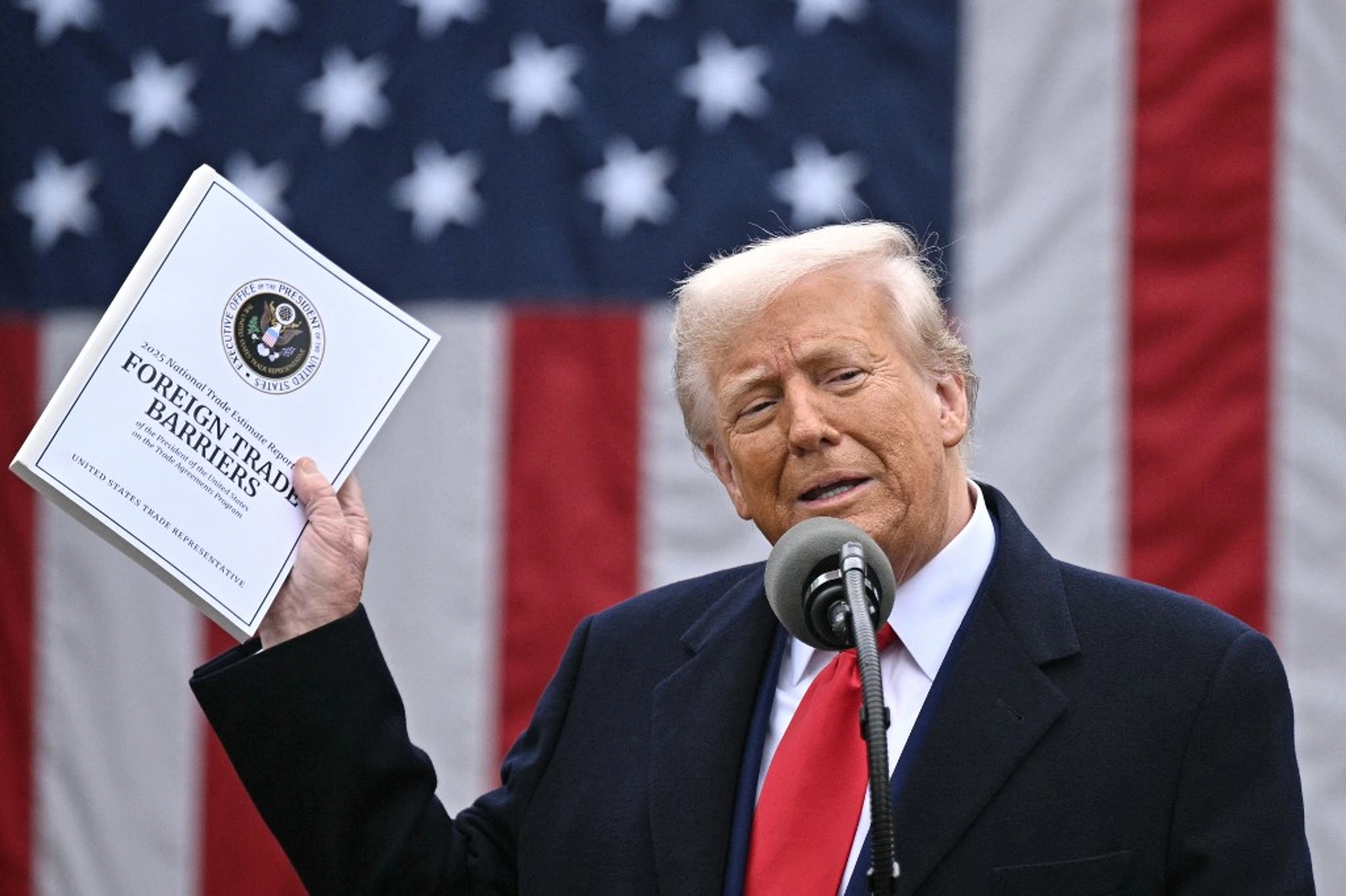
Donald Trump’s tariff policy, which is likely to become a cornerstone of his presidential campaign and potential second term, is more than just a response to economic rivalry with China. It is a bold attempt to reorder the global economy under new rules – ones that prioritize US national interests over longstanding international agreements and multilateral frameworks.
This emerging tariff model does not spare even America’s traditional allies. The new logic is clear: either adapt to America’s priorities, or risk exclusion from supply chains, manufacturing hubs, and investment flows.
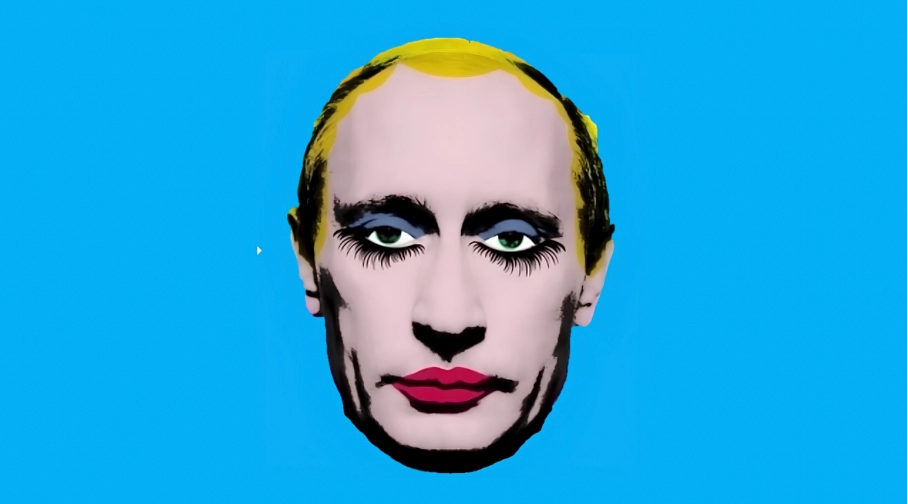
Thus far Moscow seems to have the edge in shaping the narratives circulating in Washington about the Russo-Ukrainian War. It is imperative that the West defeat Russia in the cognitive battle.
The Kremlin’s strategic tradecraft of hyperreality construct – the designed condition of indistinguishability between fiction and reality – has become one of its most potent tools in modern warfare. Known as maskirovka, this tactic relies on propaganda and deception to inflate perceptions of Russian power and obscure its vulnerabilities.
The sudden unchallenged collapse of the Syrian regime, once a cornerstone of Moscow’s influence in the Middle East and a key Russian protectorate, underscores a profound global humiliation for Russia, revealing a stark impotence that contradicts its self-proclaimed role as a dominant geopolitical power. Paired with the assassination of a senior general in the heart of Moscow and the persistent failures in Ukraine, these events beg a critical re-examination of the Kremlin’s vaunted narrative of invincibility.
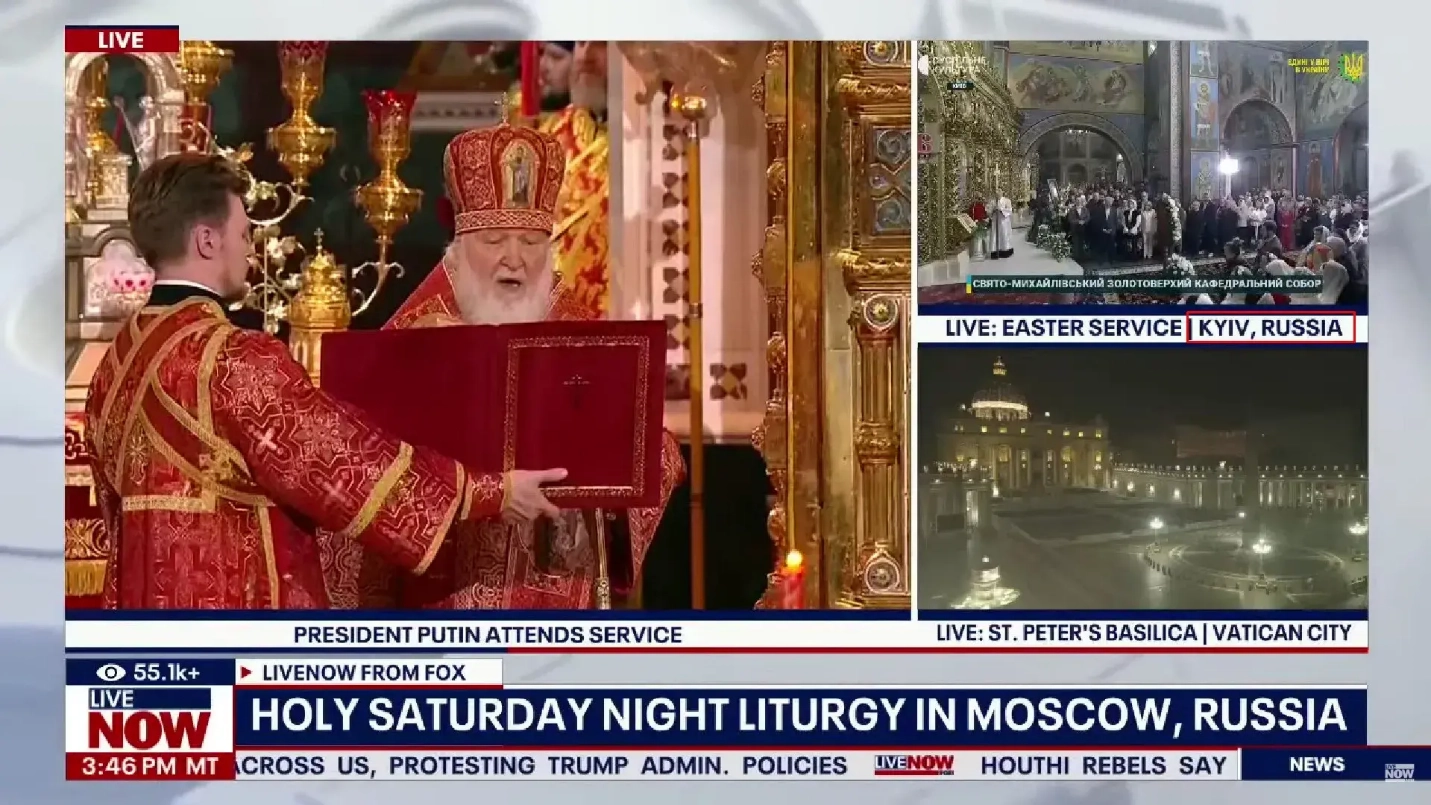
LiveNOW from FOX mislabeled Kyiv as a Russian city for 20 minutes on April 20. It aired footage of a Moscow-based religious service that Putin attended.
Ukraine’s Foreign Ministry called for an apology and investigation by Fox Corporation for labeling Kyiv a “Russian city” during its coverage of Easter services on April 20.
LiveNOW from FOX, a news network favored by US President Donald Trump and a part of FOX TV Stations, aired images of Easter services in Kyiv, the Ukrainian capital and identified it as part of Russia. The misidentification reportedly remained on screen for 20 minutes.

The skepticism came amid reports of Russian artillery fire at the front line.
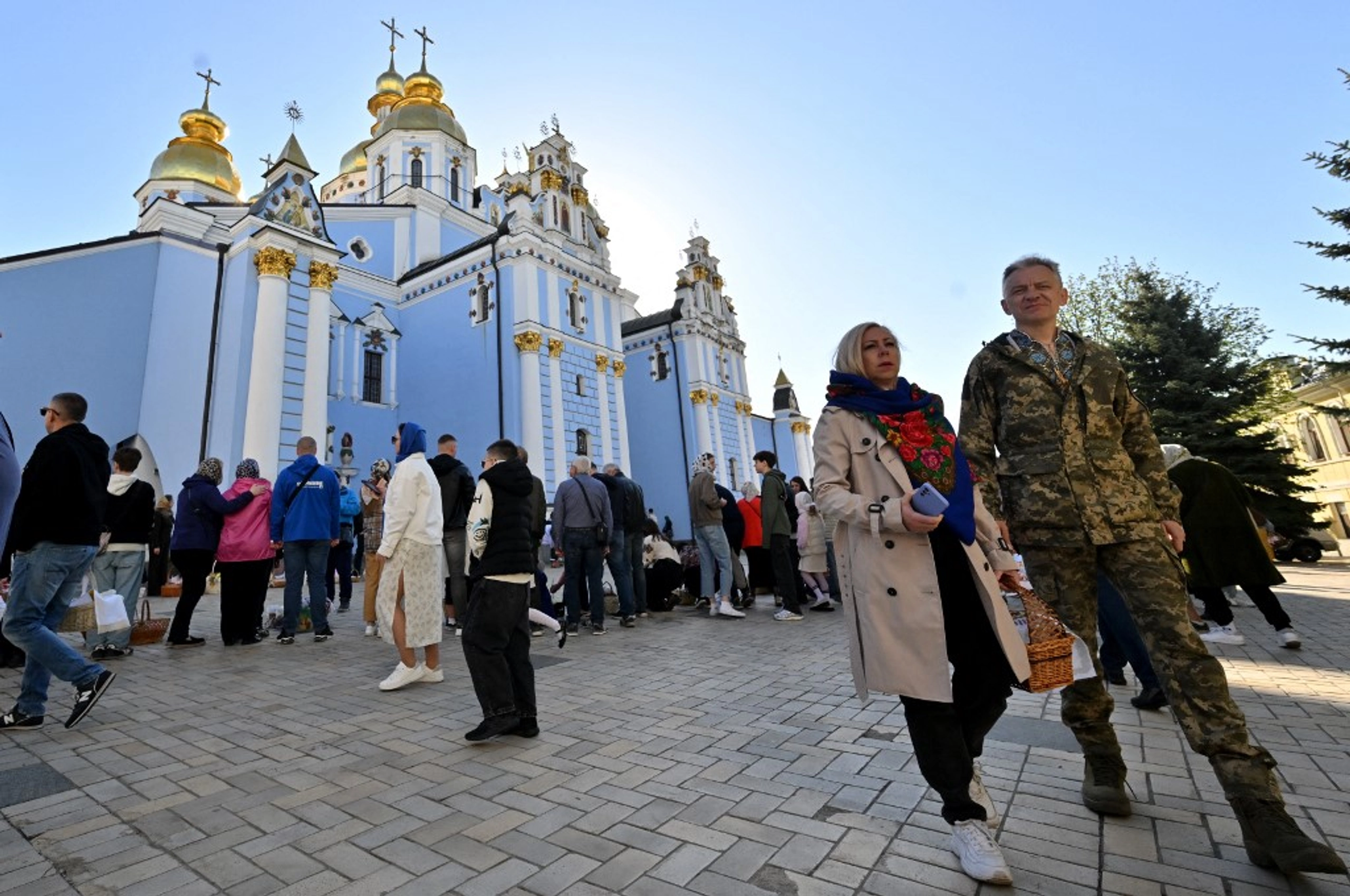
As bells rang out for Easter Sunday in Kyiv, local people told AFP they did not believe Moscow would keep its word by observing a truce announced by Russian President Vladimir Putin.
“Of course, it’s a good idea, because it will save lives, at least of our servicemen. But our enemy is so сunning that we cannot trust them,” Olga Grachova, 38, who works in marketing, said on Easter Sunday, adding she had already heard of frontline violations.
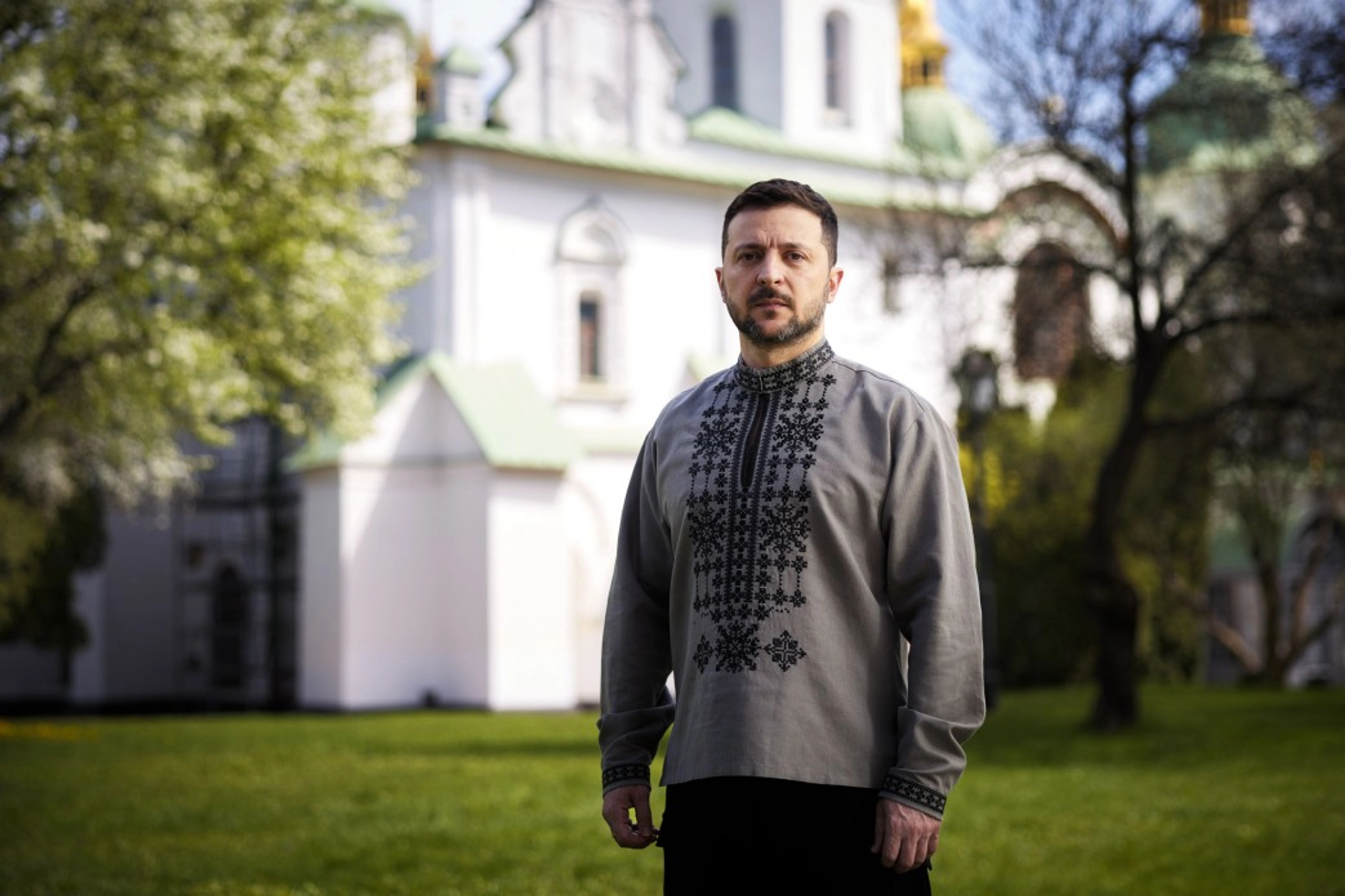
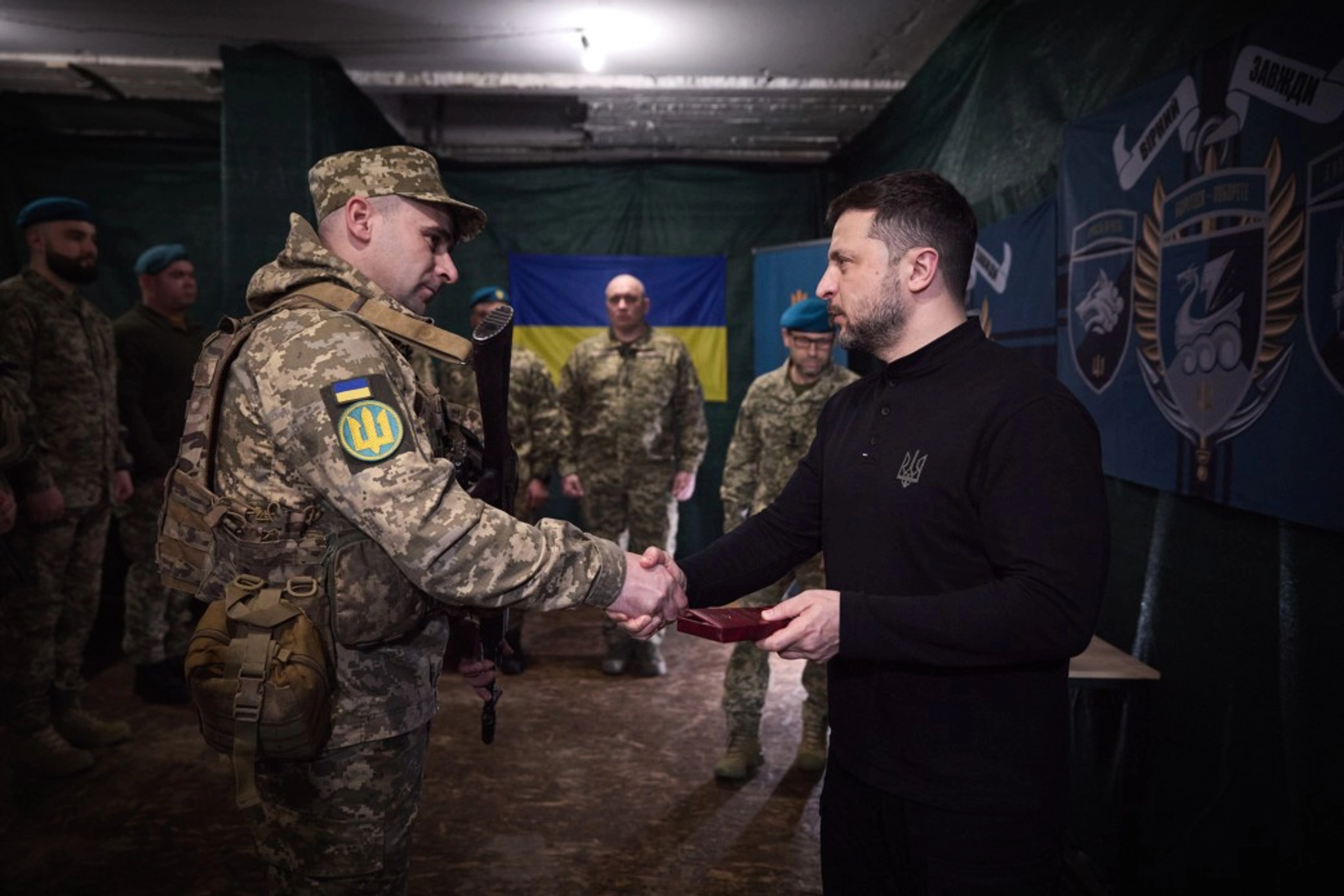
In the face of suffering, Zelensky urged his countrymen to look to one another for strength and the shared values of humanity, endurance, and compassion.
Wearing a vyshyvanka – a traditional Ukrainian embroidered shirt – Ukrainian President Volodymyr Zelensky delivered a speech to Ukrainians calling for faith, resilience and unity as the nation marks 1,152 days of full-scale war with Russia.
Zelensky called Easter “a ray of light” in dark times.
As American negotiators try to strike a ceasefire deal between Russia and Ukraine, on top of a resource deal with Kyiv, they face the weight of a history they can scarcely process.
The Ukrainian government signed a memorandum of intent on Thursday, April 17, with the United States regarding how they might “cooperate” on the potentially lucrative project of extracting Ukraine’s mineral wealth from its storied black earth.
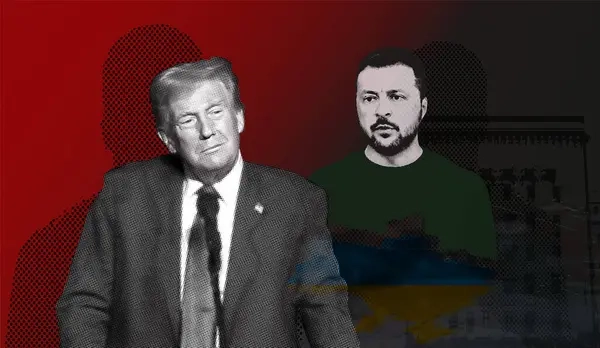
US President Donald Trump has expressed impatience at Ukraine’s desire to renegotiate certain elements of the deal. “I see [President Volodymyr Zelensky] is trying to back out of the rare earth deal,” Trump said. “And if he does that, he’s got some problems. Big, big problems.”
The arrival of the Easter holiday gave rise to ever more hypocrisy from President Vladimir Putin and the usual suspects.
In congratulating “all” Orthodox Christians on the Easter celebration Putin said:
“The great holiday of Easter gives us love and hope, faith in goodness and justice, and unites us around enduring spiritual and moral ideals. Today, as at all times, the Russian Orthodox Church and other Christian denominations play a major role in strengthening social harmony and mutual understanding between people and strengthening family values.”
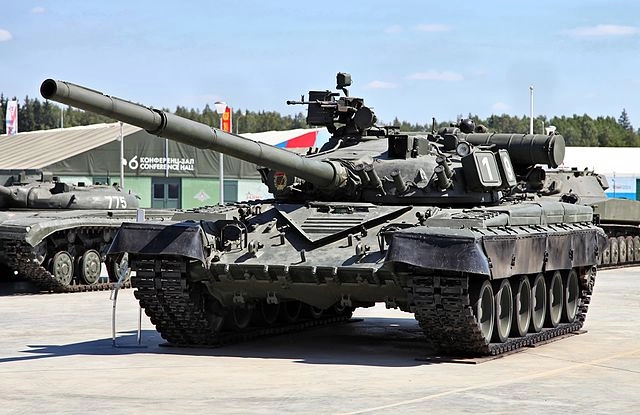
A Ukrainian drone destroyed a Russian T-80BVM tank in Donetsk’s Lyman sector, guided by aerial reconnaissance, after locating it hidden in an industrial building. The attack was reported on Telegram.
A video published on Telegram Sunday reportedly shows a Ukrainian drone destroying a Russian T-80BVM tank.
The operators of the Signum unit of the 53rd Separate Mechanized Brigade, named after Prince Volodymyr Monomakh, destroyed one of Russia’s most modern tanks in the Donetsk region’s Lyman sector, the Khortytsia operational and strategic group of troops reported on Telegram.
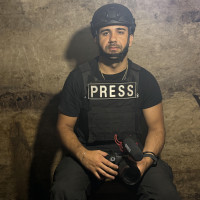
While most Ukrainians fight valiantly for their survival, some men have chosen to illegally avoid conscription. Now a backlash is growing in Ukraine and abroad.
One of the more uncomfortable challenges facing the Ukrainian government in recent years has been how to address military-age men who avoided conscription, whether by paying bribes, using falsified documents, illegally crossing into neighboring countries on foot, or even swimming across border rivers.
This issue has also fueled resentment among frontline soldiers, who have spent years in trenches only to open social media and see former classmates or friends living comfortably abroad, untouched by the consequences of war. But what will happen to these draft dodgers if they decide to return, or once the war is over?
With a Kremlin-Friendly White House, Kyiv Finds Itself in a Tight Spot
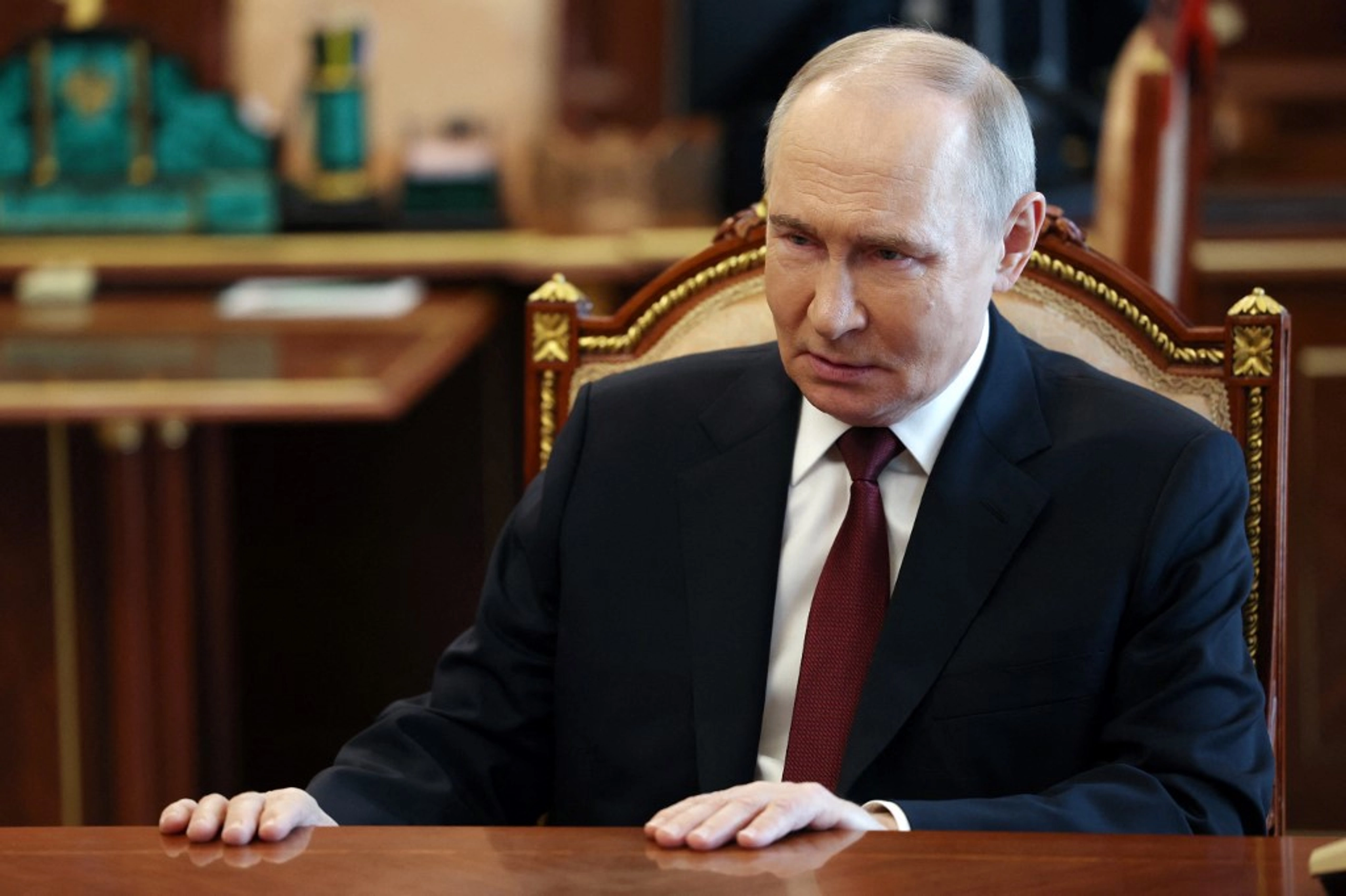
Russian President Vladimir Putin called for an Easter truce to pause fighting in the Ukraine war, but the proposal was quickly dismissed by his Ukrainian counterpart who said Russian attack drones were in the air even as Putin spoke. Kyiv and Moscow, meanwhile, announced a major swap of prisoners-of-war on April 19, with more than 200 men being exchanged. With Orthodox and Western Easter falling on the same day -- April 20 -- this year, Putin used a televised meeting with his top military commander to announce he was calling a two-day truce. The cease-fire, Putin said, would begin at 5 p.m. Prague time (6 p.m. Kyiv time). “We assume that the Ukrainian side will follow our example,” he said while meeting General Valery Gerasimov. “At the same time, our troops must be ready to repel any possible violations of the truce or provocations from the enemy, any of its aggressive actions.” Ukrainian President Volodymyr Zelenskyy quickly dismissed the call, calling it “yet another attempt by Putin to play with human lives.” Attack “drones in our skies reveal Putin’s true attitude toward Easter and toward human life,” Zelenskyy said in a post to X.
Despite Ceasefire, Attacks ContinueAt around 20:00 Kyiv time, hours after Russia’s unilateral ceasefire announcement, a 42-year-old man was injured in a Russian drone strike on Primorske, Zaporizhzhia, according to the regional military administration via Suspilne News. An explosion was also reported in Kharkiv this evening.
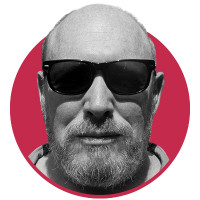
Stefan Korshak, Kyiv Post’s military correspondent, shares his perspective on recent developments in Russia’s war in Ukraine.
This week’s most important news must be the almost certain and long-awaited death of US attempts to force Ukraine to capitulate to Russia in exchange for a ceasefire. There’s a section on that below.
In terms of the actual war itself, the Russian Spring offensive (such as it is) is kicking off, pretty much simultaneously with mostly warm and relatively dry weather in Ukraine right now.

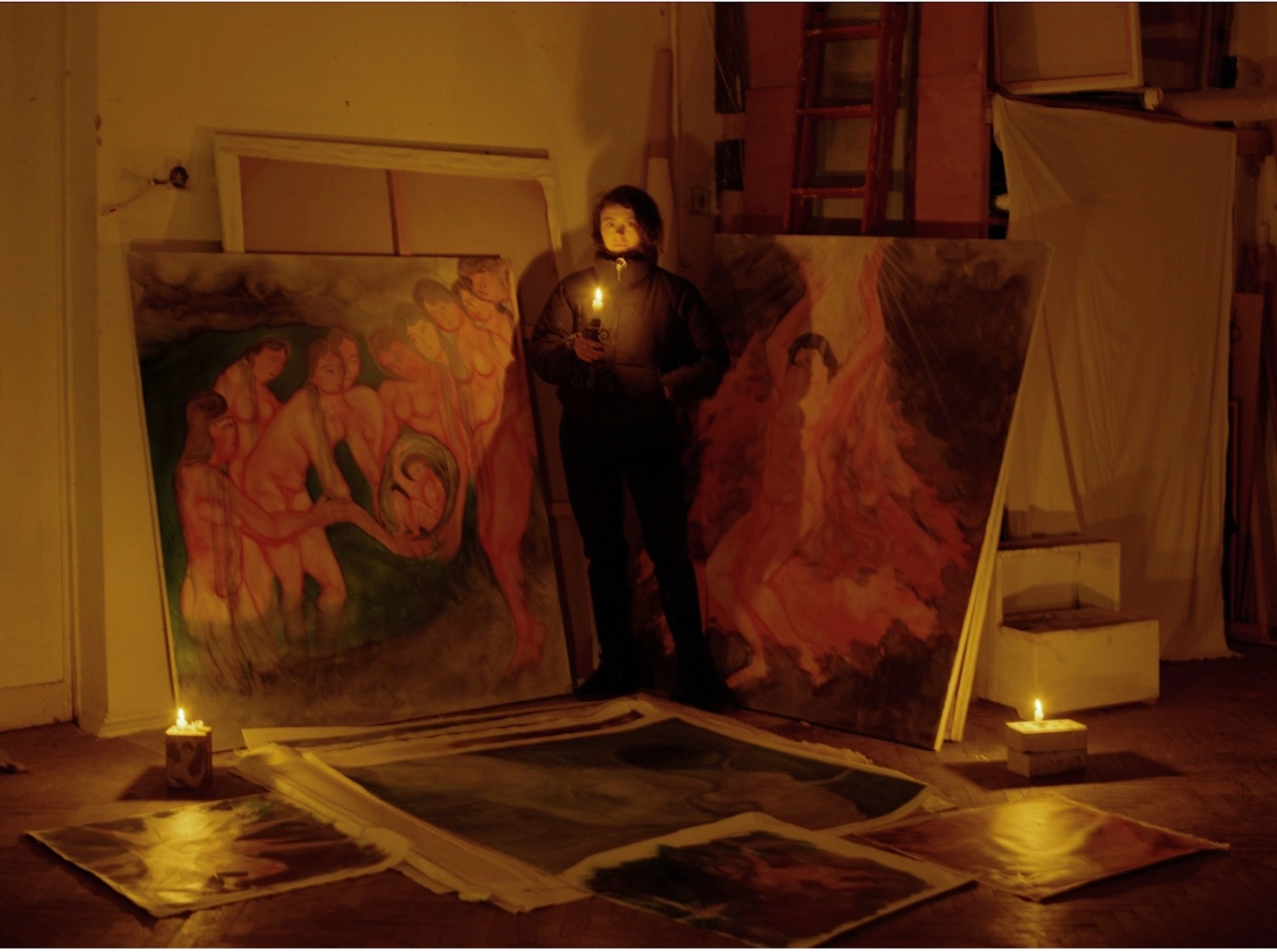
Ukrainian artist Sana Shahmuradova Tanksa transforms personal and national trauma into haunting, dreamlike canvases – blending folklore, memory, and resistance.
Sana Shahmuradova Tanksa’s artworks are the embodiment of movement, frozen in paint. Figures twist and dance within flushes of eerie glowing blue stars – reminiscent of surrealist painters such as Salvador Dali, their landscapes melting away into the canvas with carefully detailed faces which look out to the audience from their own crumbling of humanity. Tanksa’s poetic artworks use aspects of Ukrainian history and folklore to piece together a deeper exploration of intergenerational trauma, one that continues to disrupt her and fellow Ukrainians.
Born in Odesa and having spent much of her childhood in the village of Podillia, Shahmuradova Tanksa and her family emigrated to Toronto, Canada in 2013, where she completed a Bachelors of Arts in Psychology. She describes this move as a “traumatic immigration experience,” happening just before the Euromaidan protests of early 2014. “I feel terrible because I really felt I needed to be back [in Ukraine], I got very depressed. I just started drawing, drawing all the time,” the artist recalls. In 2020, Shahmuradova Tanksa decided to move to Kyiv, where she has set up her studio and has continued painting throughout air raids and black outs.
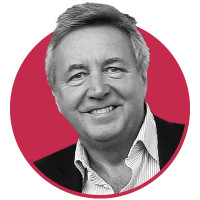
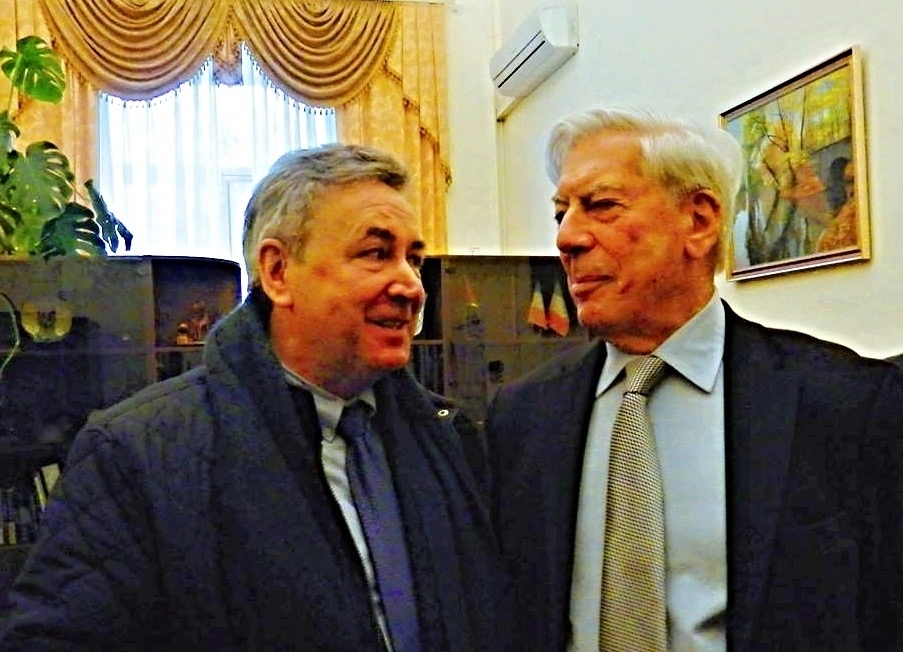
Some reflections on the death of this famous writer and his solidarity with Ukraine.
The Peruvian writer and winner of the 2010 Nobel Prize in Literature, Mario Vargas Llosa, died this week at the age of 89. Among his various accomplishments and roles – author, philosopher, journalist and public figure – this literary luminary was an ardent supporter of Ukraine.
I had the pleasure of working with his son while I was with the United Nations High Commissioner for Refugees and based in Geneva, and meeting the great writer himself when he visited Kyiv in 2014.
Putin has rejected a US call for an unconditional and full ceasefire last month and there is no sign Moscow and Kyiv are anywhere close to striking an agreement.
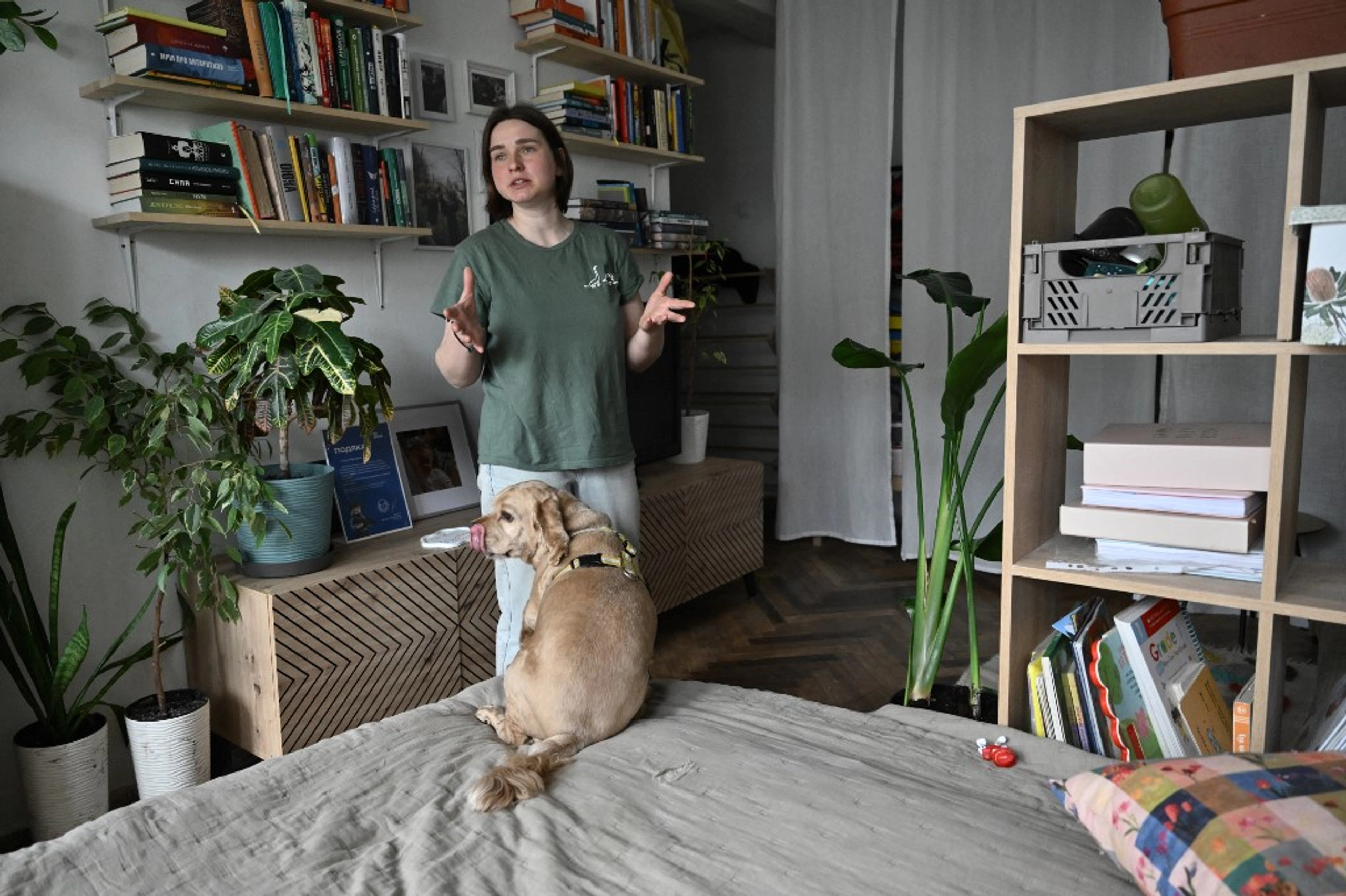
Kateryna Halushka often sits alone, staring at her phone waiting for a sign of life from her boyfriend, a Ukrainian soldier fighting at the front.
Like thousands of others, the Russian invasion has turned her love life into an anxious wait for messages, calls and short-lived reunions.
Ukraine War File Too Toxic for Trump White House
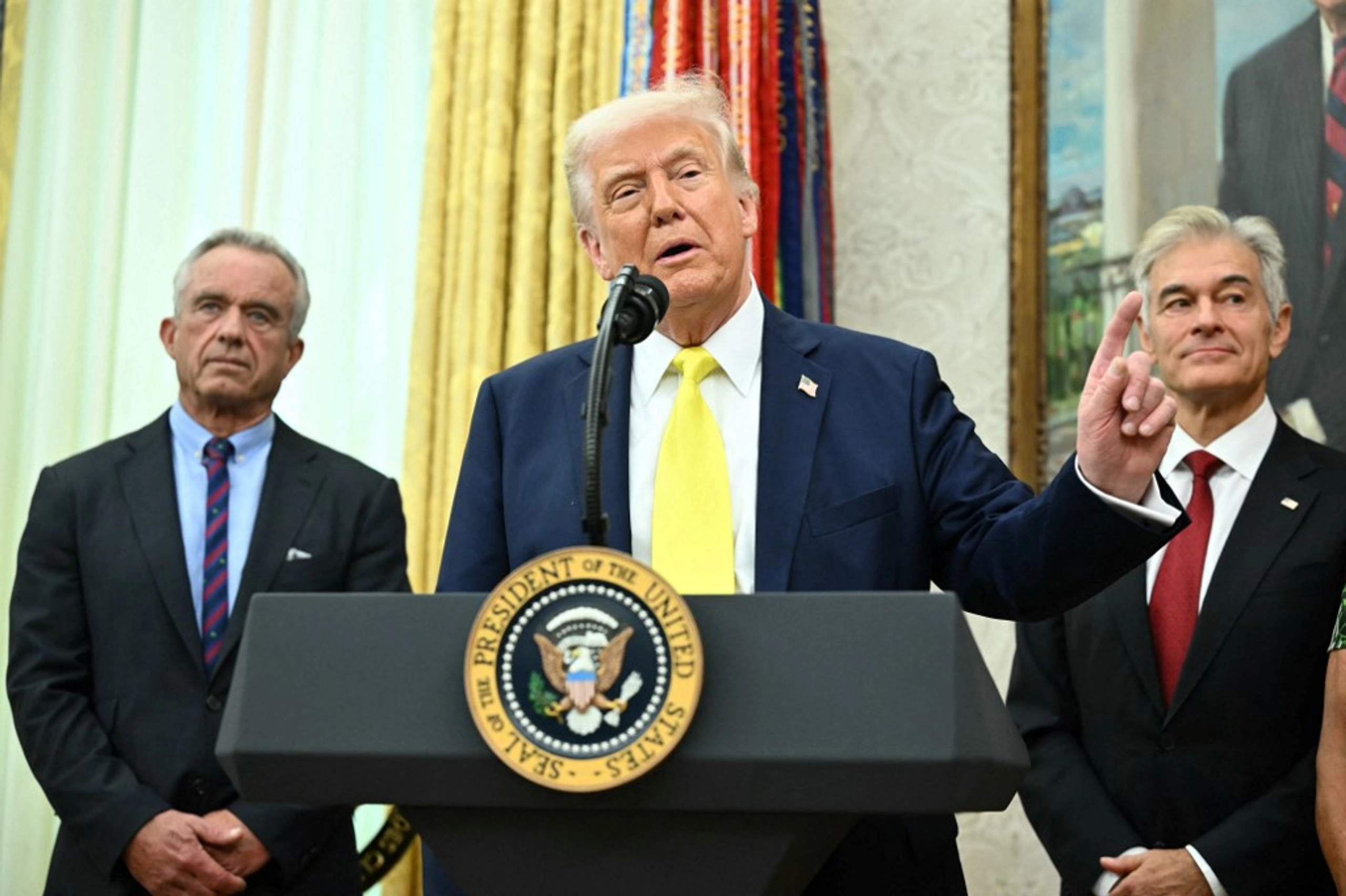
Donald Trump said the US will “take a pass” on brokering further Russia-Ukraine war talks if Moscow or Kyiv “make it very difficult” to reach a peace deal. The US president told reporters in the Oval Office on Friday that he was not expecting a truce to happen in “a specific number of days” but he wanted it done “quickly”. His comments came hours after US Secretary of State Marco Rubio warned that the US would abandon talks “if it’s not going to happen…We’re not going to continue with this endeavour for weeks and months on end,” Rubio said, adding that the US had “other priorities to focus on.” When asked about the deal between Russian and Ukraine, Trump said: “We’re talking about here people dying. We’re going to get it stopped, ideally. “Now if, for some reason, one of the two parties makes it very difficult, we’re just going to say, ‘You’re foolish, you’re fools, you’re horrible people,’ and we’re going to just take a pass.” Russia launched a full-scale invasion of Ukraine in 2022 and has placed a number of conditions on any potential ceasefire. Despite the Trump administration’s initial confidence that it could secure a deal quickly, attempts to reach a full ceasefire have yet to materialise, with Washington blaming both sides. Following a meeting with European leaders in Paris about a potential ceasefire on Thursday, Rubio told reporters on Friday: “We need to determine very quickly now - and I’m talking about a matter of days - whether or not this is doable…If it’s not going to happen, then we’re just going to move on,” he said about truce talks. He said it was clear that a peace deal would be difficult to strike but there needed to be signs it could be done soon. Trump had said before he re-entered office that he would stop the fighting in the first 24 hours of his presidency - BBC
A Russian attack on Ukraine’s second-largest city Kharkiv has killed one person and injured at least 100 others, the State Emergency Service of Ukraine has said. Images released by the office show the aftermath of the attack, with injured people being taken to hospitals. Ukrainian media report that several children are among the wounded.

Visits to Ukraine by key religious figures, combined with behind-the-scenes efforts by clergy from various denominations on matters of diplomacy, are bringing tangible results.
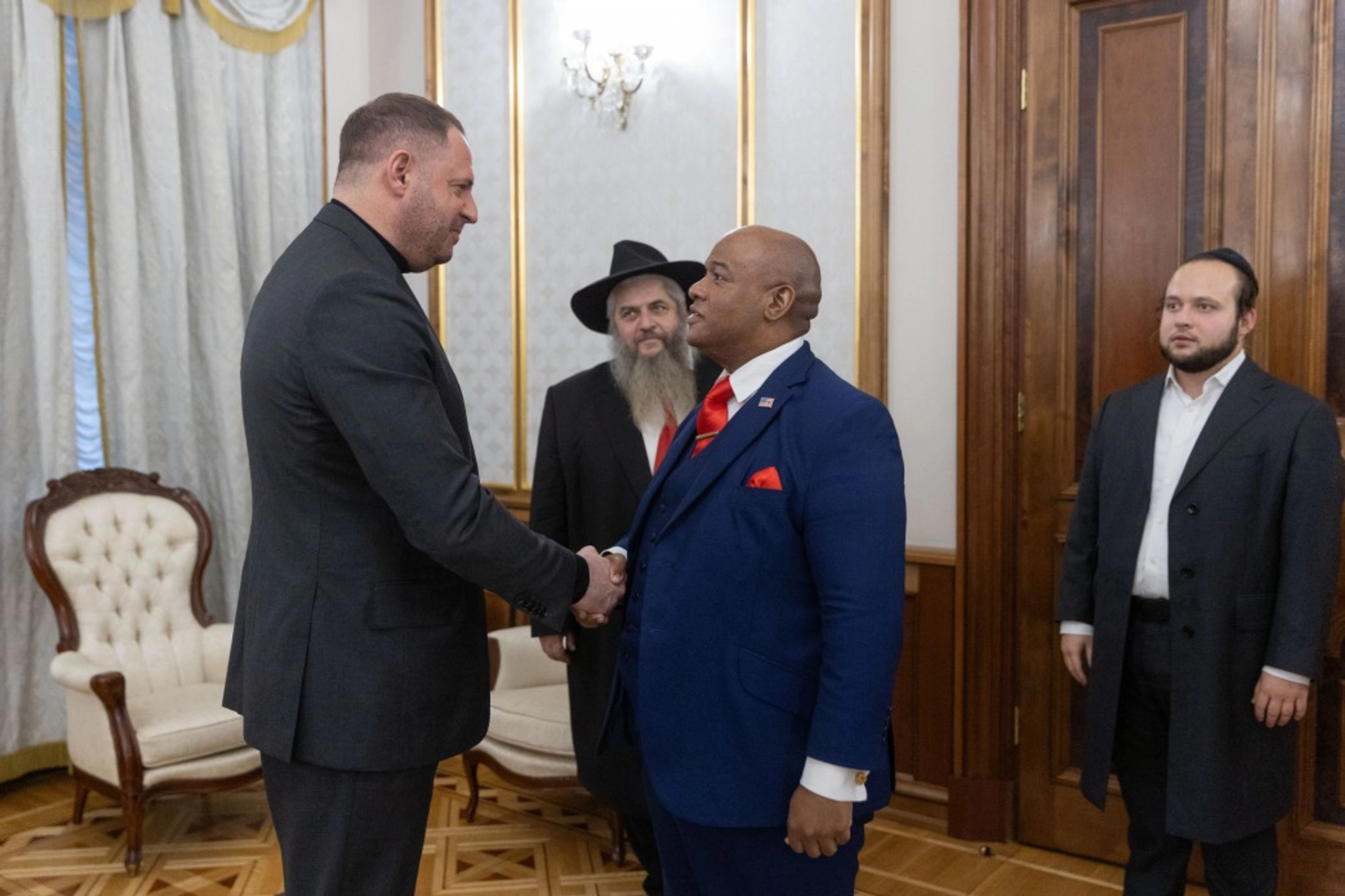
Pastor Mark Burns, a spiritual advisor to US President Donald Trump, recently visited Ukraine, including Kryvyi Rih and the site of a deadly recent Russian attack that killed numerous civilians, including children.
During his visit to Ukraine, Burns called for continuation of military support for Ukraine, emphasizing that the war is not a political issue but a humanitarian one. The pastor also highlighted how Russia has abducted 20,000 Ukrainian children and destroyed hundreds of religious buildings of various denominations.
Overall, the Russian army is attempting to create the impression of a ceasefire but still continuing isolated attempts to advance, Zelensky said.
Russian forces continuing their shelling and attacks along the front line despite Russian President Vladimir Putin announcing an “Easter truce,” Ukrainian President Volodymyr Zelensky said Sunday morning.
Just hours after Putin’s alleged order was meant to have come into effect, air-raid sirens went off in the capital Kyiv and several other Ukrainian regions.

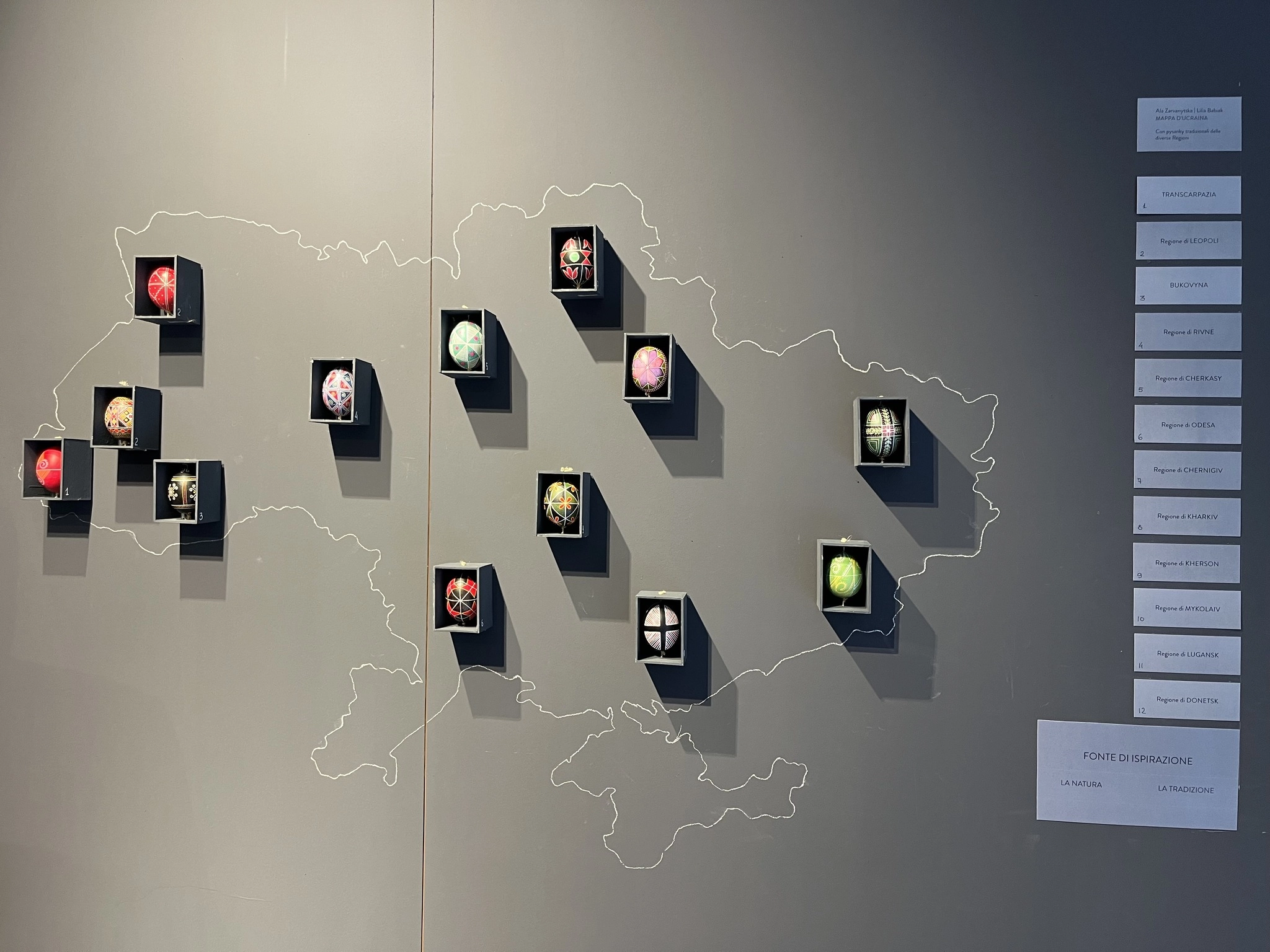
An exhibition of Ukrainian Easter eggs titled “Pysanka – the fragile beauty of Ukrainian art” has opened in Rome this week with the assistance of the Embassy of Ukraine in Italy.
The exhibition features 74 unique original Easter eggs, which demonstrate the wealth of techniques and modern artistic vision and artworks of contemporary Ukrainian artists Larysa Iskiv, Lilia Babiak, Volodymyr Lutsyk, as well as watercolors by the project curator Alla Zarvanytska.

Happy Easter from all the staff at Kyiv Post to all those celebrating at this time!
Happy Easter from all the staff at Kyiv Post to all those celebrating at this time!

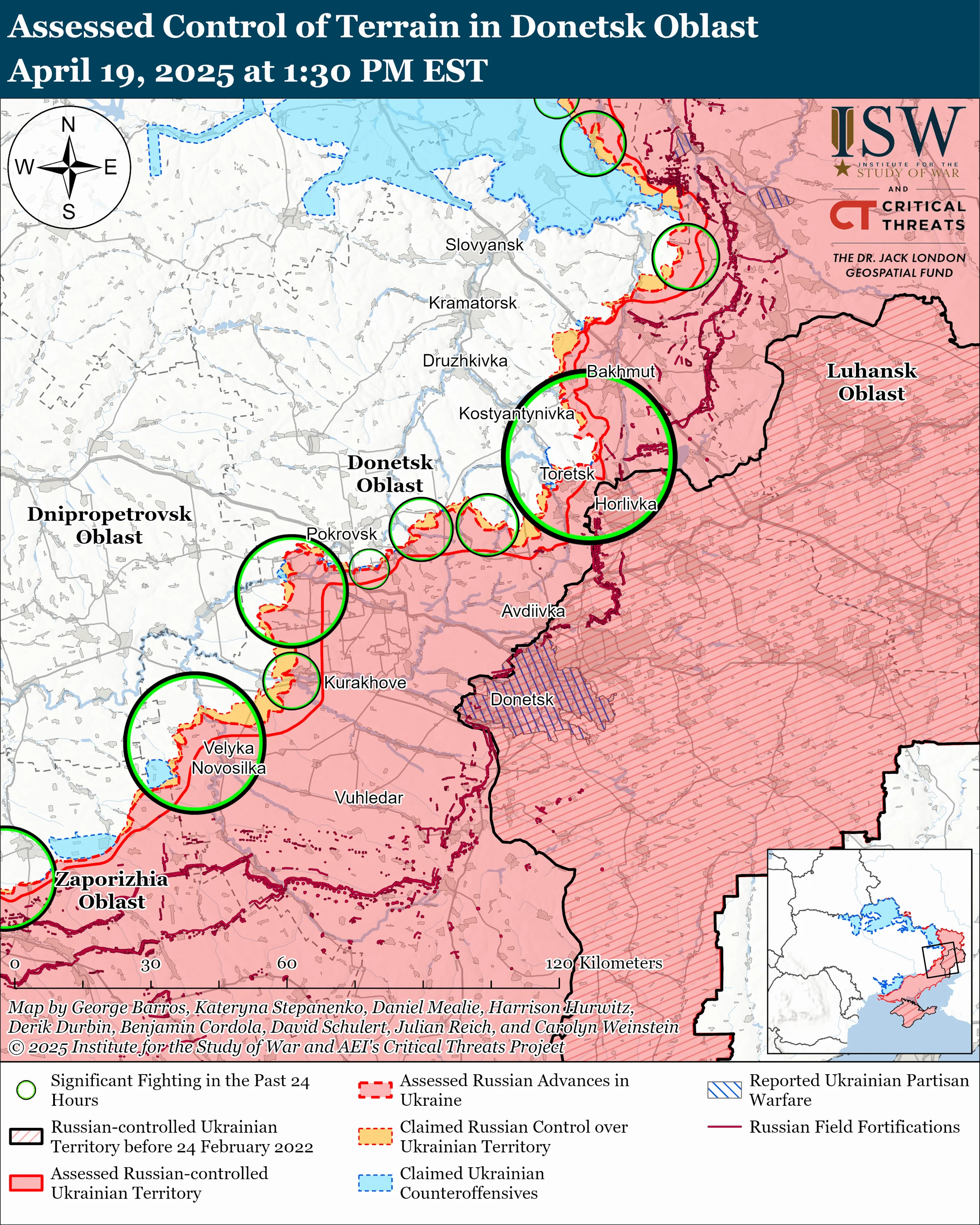
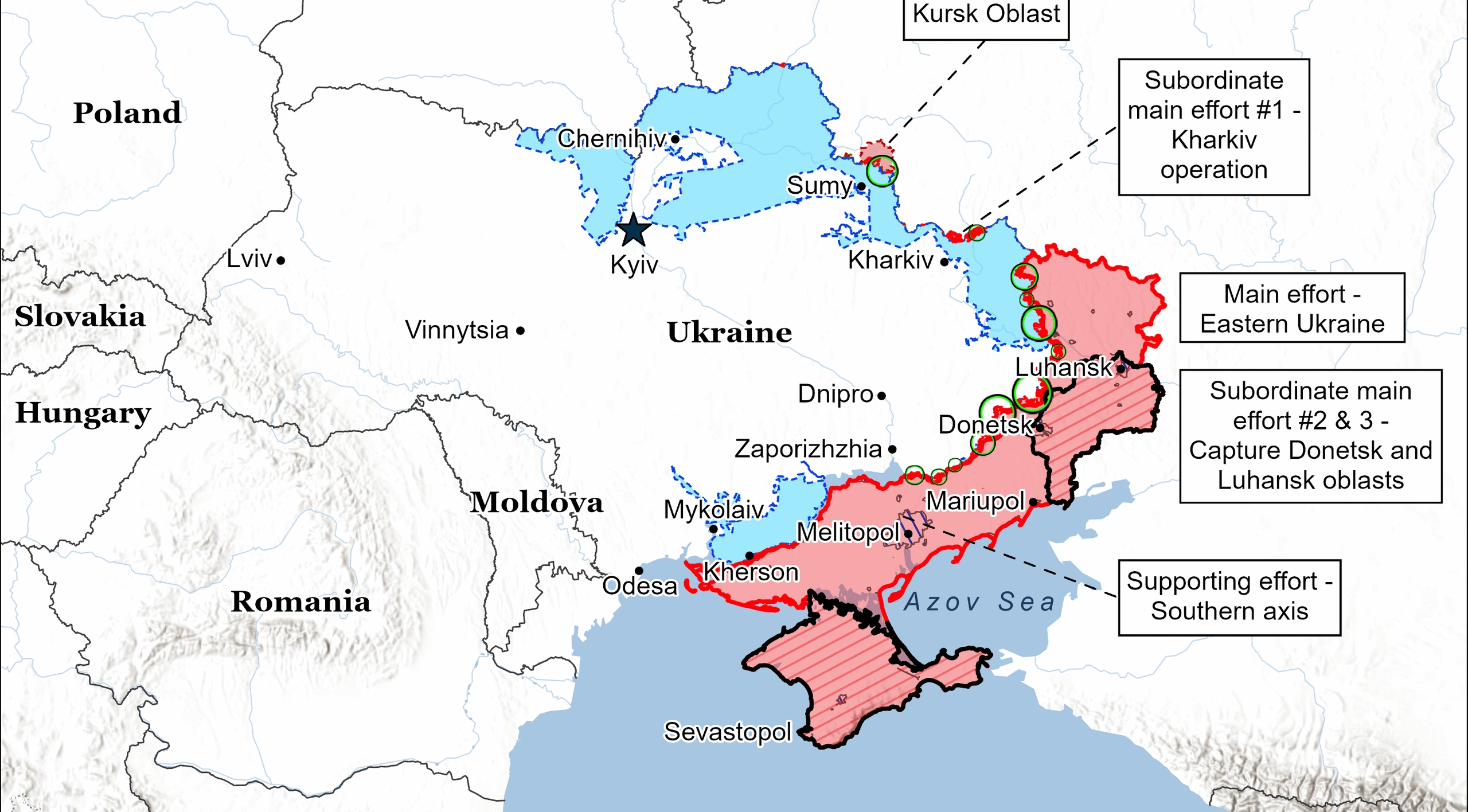
Latest from the Institute for the Study of War.
Key Takeaways from the ISW: