


EN

EN


EN
Stay on top of Russia-Ukraine war 04-12-2025 developments on the ground with KyivPost fact-based news, exclusive video footage, photos and updated war maps.

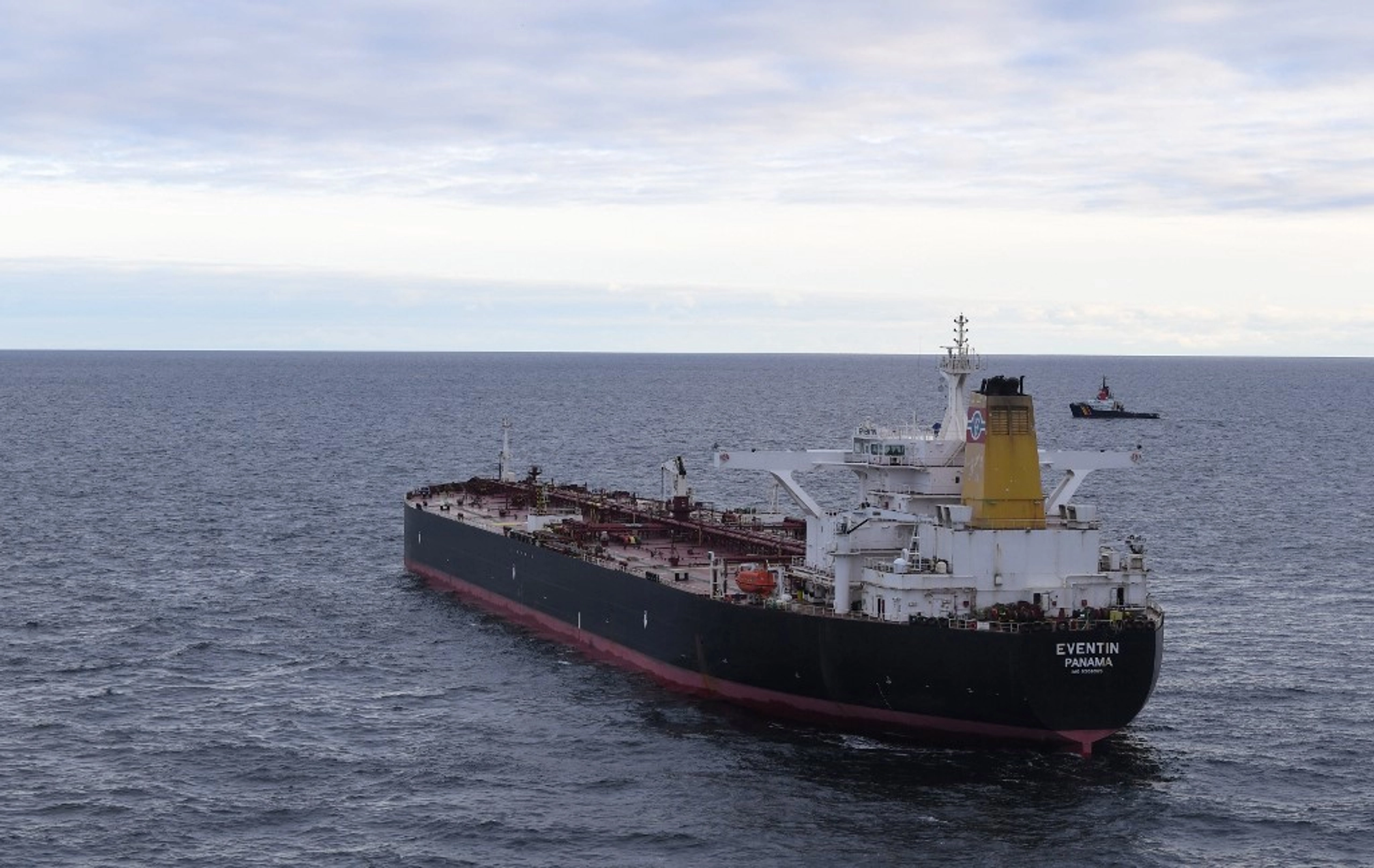
The vessel is currently anchored in Muuga Bay and remains under surveillance by the Estonian Navy.
Estonian authorities said Saturday that it will not allow an oil tanker believed to belong to Russia’s “shadow fleet” to pursue its journey until it has resolved various legal and safety issues.
The Kiwala tanker was immobilized Friday in the Gulf of Finland in order to check its papers, which revealed that the boat is stateless.

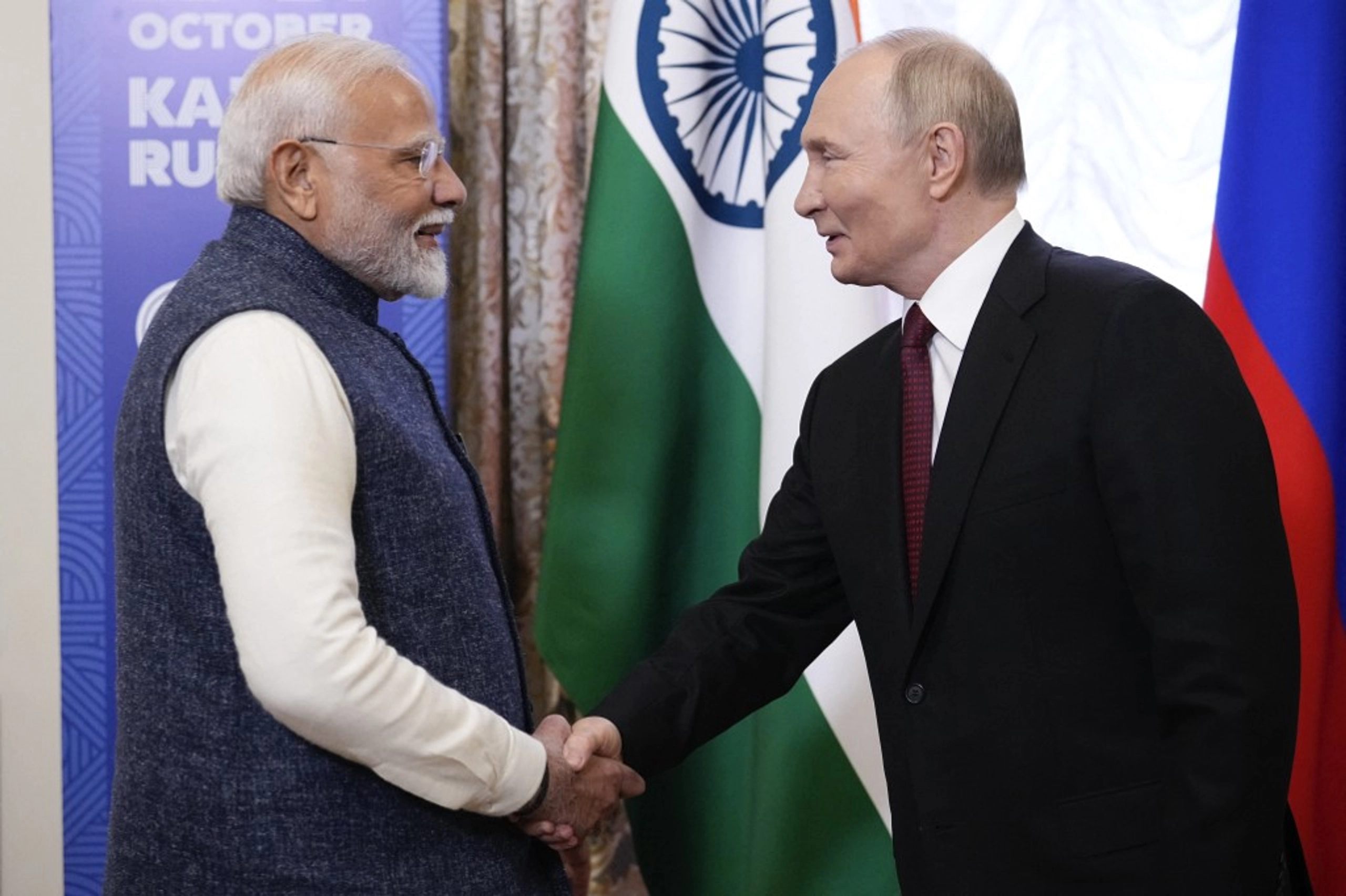
Inviting an indicted war criminal like Vladimir Putin to New Delhi goes to show that the South Asian giant is a sorry excuse for a democracy – let alone the world’s largest.
Addressing a joint Russo-Indian forum hosted by the Russian International Affairs Council (RIAC) via video link last week, Foreign Minister Sergey Lavrov confirmed that preparations were underway for Putin’s first official visit to India since the full-scale invasion of Ukraine began. The Russian dictator’s decision to head there imminently is, above all else, a reciprocal gesture of goodwill given that Narendra Modi’s maiden overseas trip after being re-elected last June was to Moscow.
Needless to say, the Indian Prime Minister also attended the 16th BRICS Summit in Kazan later that year alongside 24 other “Global South” heads of state. Meanwhile, post-war bilateral trade more than quadrupled to $66 billion by the end of 2024 as both sides aim to reach the $100 billion mark in five years’ time. Hydrocarbon, steel and arms imports account for the lion’s share of this turnover, leaving New Delhi with a ballooning $57 billion trade deficit.

Stefan Korshak, Kyiv Post’s military correspondent, shares his perspective on recent developments in Russia’s war in Ukraine.
There were plenty of developments in the war this week but none dominating. But, in the category of interesting but probably not critical, recently there has been a proper spike in content featuring individual Ukrainian combat units and the soldiers in them.
This is directly linked to the 18-24 recruiting campaign which, my impression, is certainly bringing in recruits in good numbers to some units at least. But I’m far from convinced the Armed Forces of Ukraine’s (ZSU’s) manpower problem is fixed. At best, it may be on that path.

A presentation by a German military attaché from its Kyiv embassy to the Bundeswehr in January gave a “warts and all” assessment of the performance of German weaponry in combat.
The German news outlet Spiegel, citing a presentation given by the deputy military attaché of Berlin’s embassy in Kyiv to an audience at the Bundeswehr’s non-commissioned officer school in Delitzsch, Saxony in January, reported that he had given an unvarnished assessment of the performance of German weapons in combat in Ukraine.
The attaché’s words, based on feedback received from Ukrainian troops, have proved to be sober reading for both Germany’s military and its arms manufacturers. He described in clear terms what was good, bad and indifferent about the German weapons systems gifted to Kyiv.

Trump Envoy Reportedly Suggested Dnipro River as Potential Ceasefire Demarcation Line in Ukraine
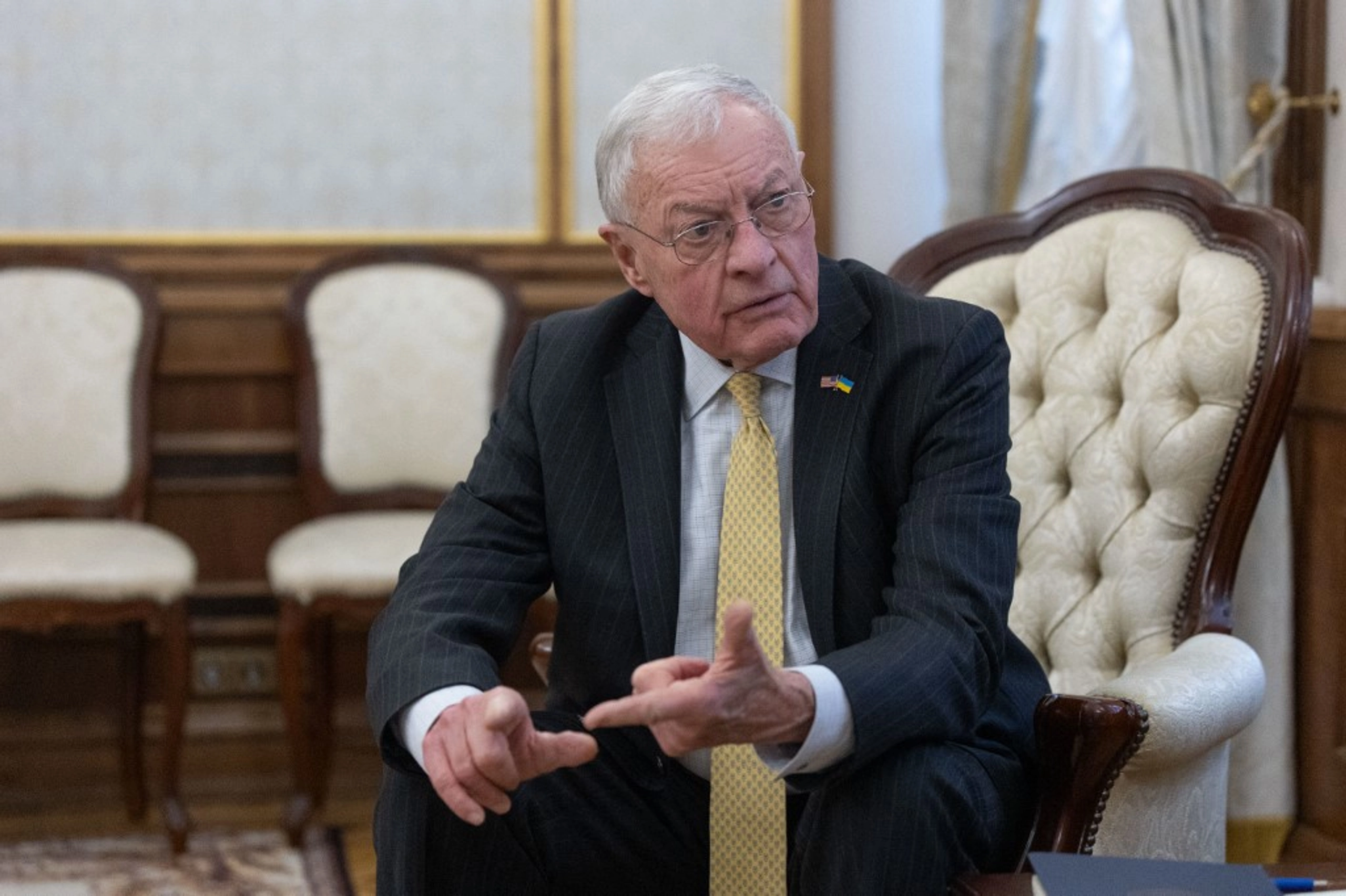
Donald Trump’s Ukraine envoy Keith Kellogg has reportedly suggested Ukraine could be partitioned. The Times said that, during an interview with the paper, Kellogg had proposed British and French troops could adopt zones of control in the west of Ukraine as part of a “reassurance force”. Russia’s army, he reportedly suggested, could then remain in the occupied east. “You could almost make it look like what happened with Berlin after World War Two”, the paper quoted him as saying. Kellogg later took to social media to say the article had “misrepresented” what he said. “I was speaking of a post-ceasefire resiliency force in support of Ukraine’s sovereignty,” he wrote on X, adding: “I was NOT referring to a partitioning of Ukraine.” Neither the White House nor Kyiv reacted to the comments immediately. The BBC has asked the Times for its response. Earlier, US envoy Steve Witkoff met Vladimir Putin in St Petersburg on Friday, as Trump urged the Russian president to “get moving” on a ceasefire in Ukraine. The Kremlin said the meeting lasted for more than four hours and focused on “aspects of a Ukrainian settlement”. The talks, Witkoff’s third with Putin this year, were described by special envoy Kirill Dmitriev as “productive”. Trump has expressed frustration with Putin over the state of talks. On Friday, he wrote on social media: “Russia has to get moving. Too many people ere [sic] DYING, thousands a week, in a terrible and senseless war.” - BBC
According to The Times reporting, Kellogg suggested that Ukraine will have to ceded its eastern territories under Russian control. The newspaper wrote: “Kellogg’s remarks are one of the clearest insights into Trump’s vision for the future of Ukraine. They are also the first suggestion from a senior US official that the Dnipro River could become a demarcation line of some form within Ukraine after a ceasefire. However, it is unclear if Kellogg would be prepared to cede any further territory east of the river to Moscow.”
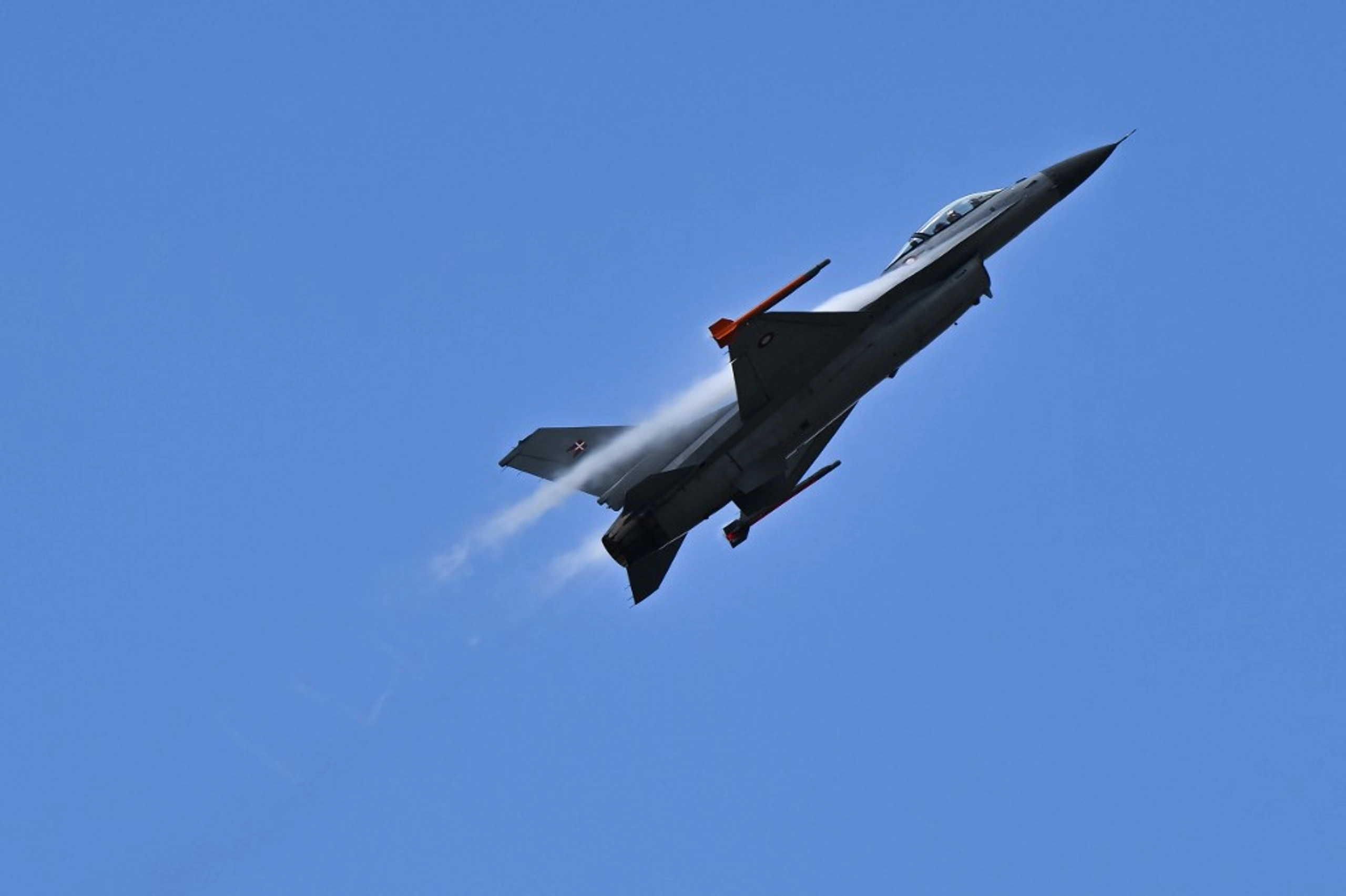
In a social media post on Saturday, April 12, the Ukrainian Air Force posted about the death of an F-16 pilot and the loss of his aircraft during a combat mission.
The Ukrainian Air Force (UAF) command writing on Facebook on Saturday reported the death of 26-year-old fighter pilot Pavlo Ivanov killed during a combat mission in an F-16 Viper fighter aircraft.
Although the official statement did not specify the location or circumstances of the loss, both Russian and Ukrainian milbloggers claimed the aircraft was brought down by a surface-to-air missile (SAM) amid speculation as to whether the plane was shot down by Russian forces or as a result of friendly fire from Ukrainian air defenses.

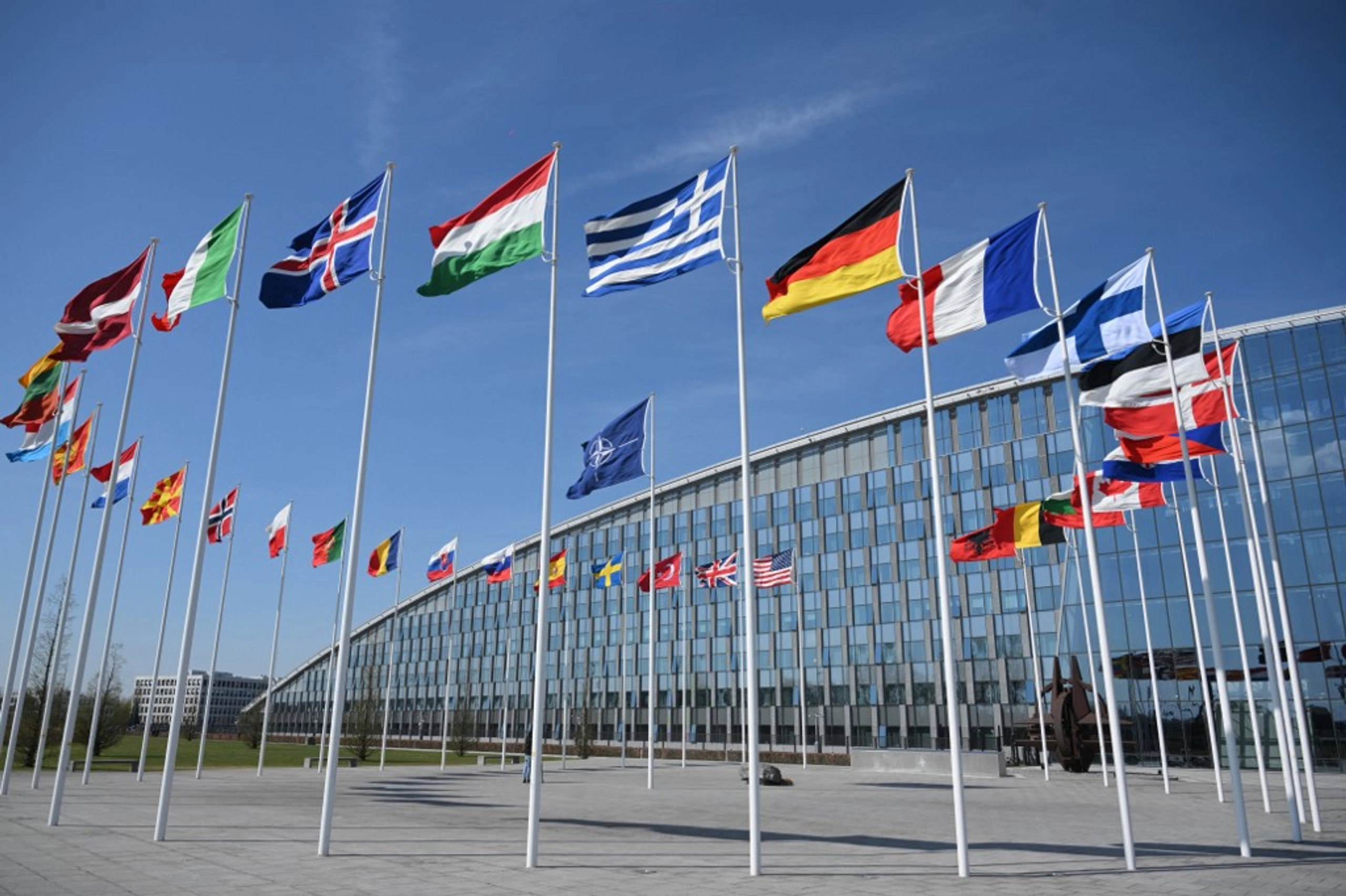
After three years, NATO has provided much needed clarity on the strong words it will use to defend the West.
More than three years into the full-scale invasion of Ukraine, there has been a growing frustration at the Western world’s lack of robustness in pursuing a clear-headed strategy of defense. All that changed this week with the announcement of a new NATO defense doctrine which should provide much needed clarity.
General Deepa Sleep, Commander of Allied Expeditionary Forces East explained: “Over the last months we have assembled our coalition of the willing to consider what linguistic weapons we are going to deploy to help stop this war and achieve a coordinated defense of existing NATO members.”

Trump’s purge of US cyber leadership and use of AI to monitor federal employees marks a major shift in national security – one that leaves the US, along with Ukraine and NATO allies, vulnerable.
When US President Donald Trump dismissed NSA and US Cyber Command chief Gen. Timothy Haugh earlier this month, the White House gave no official explanation. But the context surrounding the firing – paired with newly reported revelations about an AI surveillance program targeting federal employees – paints a troubling picture of a strategic pivot in Washington.
Rather than directing America’s immense cyber capabilities toward adversaries like Russia and China, the Trump administration appears increasingly focused on using the powerful tools to carry out internal loyalty tests, leaving traditional intelligence priorities neglected.
Rescuers pulled a 68-year-old man from the rubble of a house
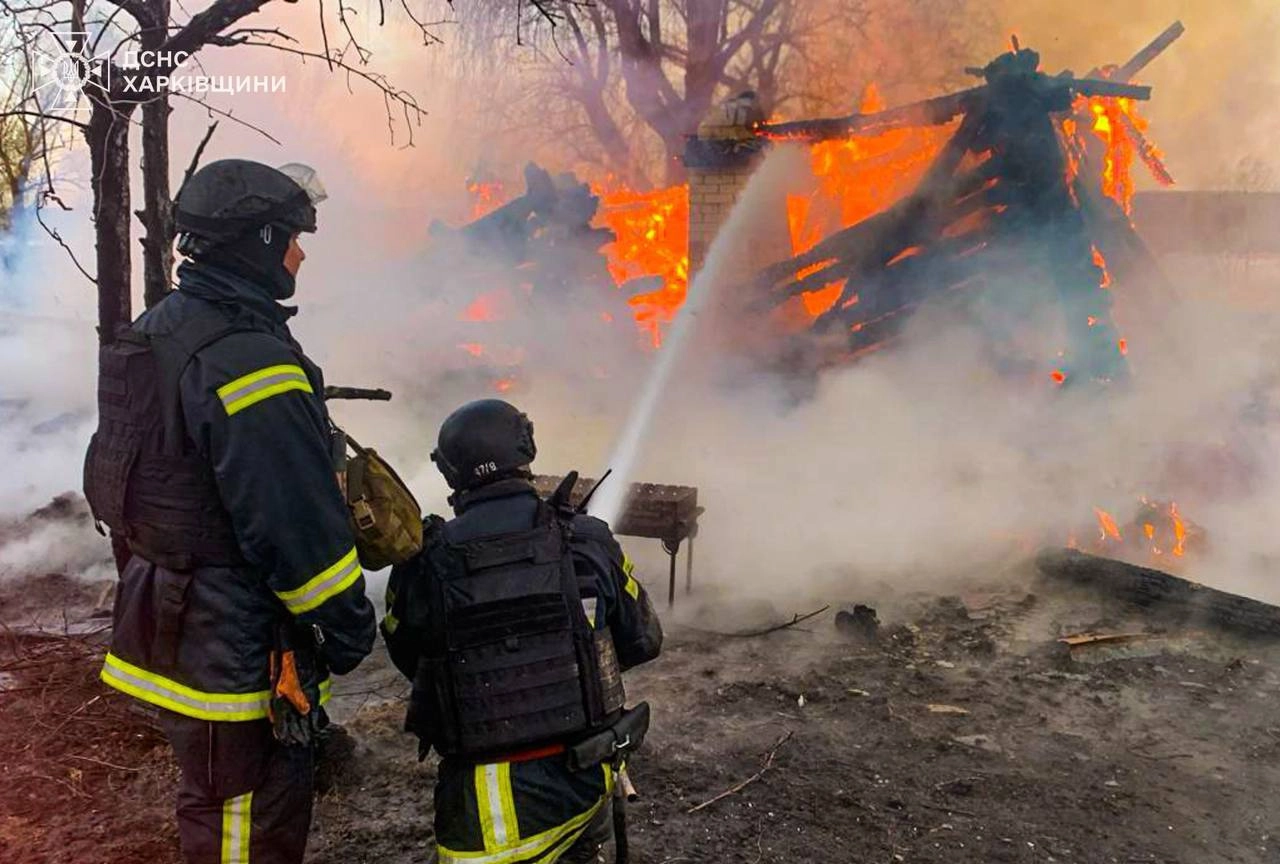
Saturday morning, four people were injured following Russian strikes on the city of Kharkiv and the nearby village of Slatyne, the Kharkiv Regional Prosecutor’s Office reported on Telegram.
“At around 06:50, the Russian armed forces launched airstrikes on the village of Slatyne in the Kharkiv region. Two guided aerial bombs hit a residential area, damaging at least seven private homes,” the statement reads.

As peace talks get underway, many consider it an opportunity to restore business ties with Russia. This would be a grave mistake for several reasons.
In the wake of Russia’s invasion of Ukraine, many in the global business community rightly distanced themselves from the Kremlin. But as the world’s attention gradually shifts away from the daily horrors, and as the long-term devastation to Ukraine’s economy, infrastructure, and population becomes a less immediate focus of international discourse, a troubling question has begun to resurface in boardrooms and trade discussions: should businesses begin re-engaging with Russia now that peace talks have begun?
The answer remains a resounding no – and not simply for ethical reasons. While moral responsibility is certainly a factor, the core issue from a business standpoint is more fundamental: Russia is not a safe, stable, or viable environment for commercial activity.
The idea of reopening the door to the European market for Russia has up until now been firmly dismissed by officials in Berlin.
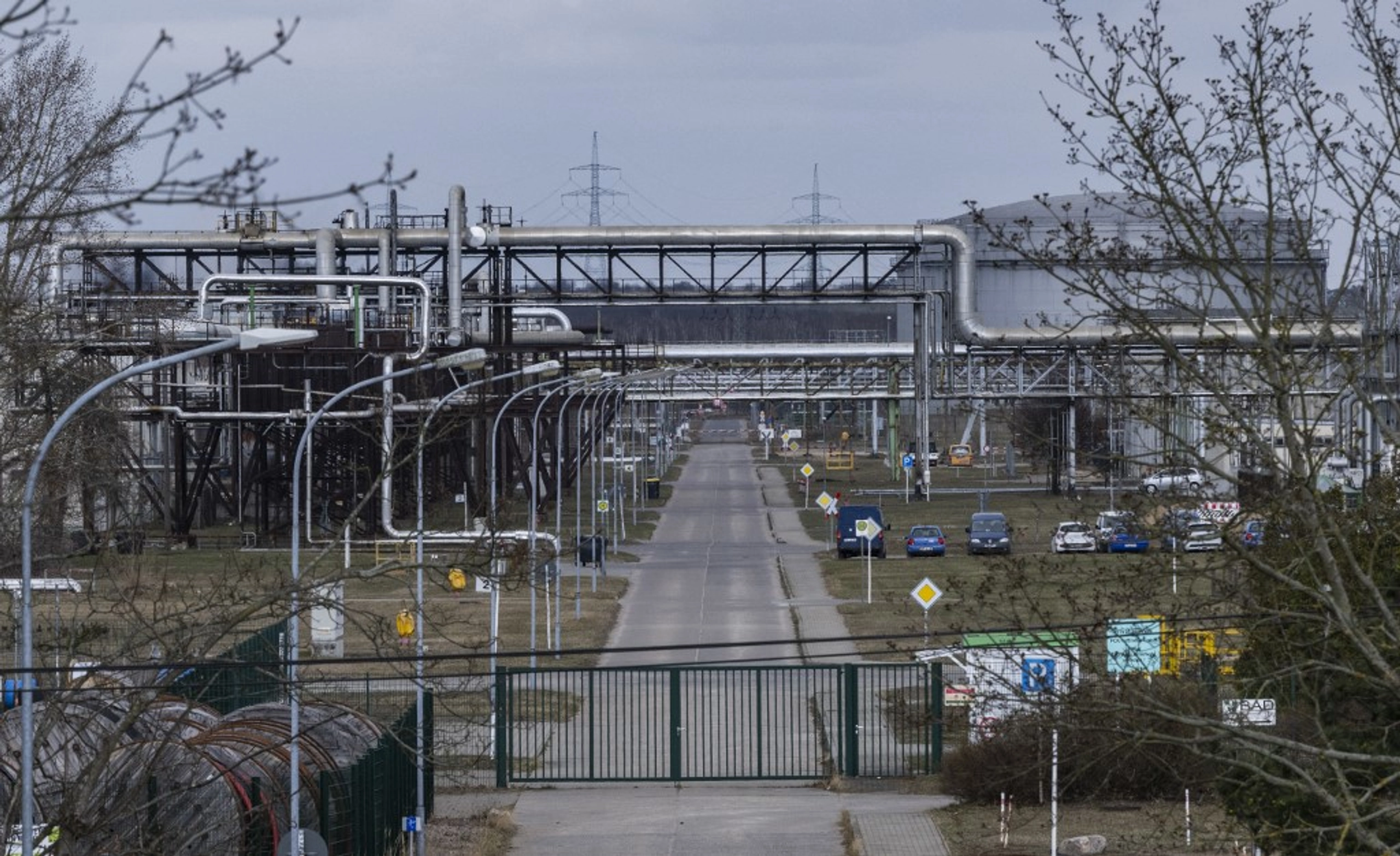
No Russian oil has been delivered via the Druzhba pipeline to the PCK refinery in Germany in more than two years because of sanctions levied against Moscow following its full-scale invasion of Ukraine.
But with the plant in the town of Schwedt on the border with Poland struggling to adapt to processing other raw materials, calls are growing louder for a return to the good old days.
In this second edition of this occasional series, we highlight more comments from Russia’s “great and good (sic)” that further underscore their pernicious view of the world.
Birthday Girl – Margarita Simonyan
On Sunday, April 6, the day that the notorious propagandist who is the editor-in-chief of the international media group “Russia Today (RT)” and the RT TV channel, turned 45, she received unalloyed praise from senior Russians:

Liberation day might actually be Liberation Day for the rest of the World from the US.
Markets are still trying to come to terms over what has been an extraordinary week, following Trump’s Liberation Day announcements of huge tariff increases as he attempts to put right what he views as years of exploitation of US generosity by the rest of the world. The rest of the world (ROW) might, and does, see things, a little differently.
The ROW would argue that US exceptionalism, largely the modus operandi since WW2 – the state of affairs where the default settings of the global trade, financial, multilateral and to some extent the global security architecture, are set by the US, and to the advantage of the US.
Where the US once defended state sovereignty and international law, Trump’s expansionist ambitions mark a return to the days when the world was carved into spheres of influence.
By casting doubt on the world order, Donald Trump risks dragging the globe back into an era where great powers impose their imperial will on the weak, analysts warn.
Russia wants Ukraine, China demands Taiwan and now the US president seems to be following suit, whether by coveting Canada as the “51st US state,” insisting “we’ve got to have” Greenland or kicking Chinese interests out of the Panama Canal.

Most Ukrainians who wanted to leave for safer countries have already left and there might not be a new wave of refugees unless certain factors significantly worsen.
Ukraine won’t face another refugee wave unless the frontline or economy significantly worsens, Volodymyr Vakhitov, director of the Behavioral Science Institute and associate professor at American University Kyiv told Kyiv Post.
He said that Ukraine has reached “a certain equilibrium in displacement” of Ukrainians abroad after three years of Russia’s full-scale invasion – people who wanted to leave the country left and people inside the country chose to stay.

Trump’s trade concerns are valid, but his rants are exaggerated and based on a fallacious “win-lose” mentality which ignores, and threatens to destroy, the benefits of the global trading system.
China pushed back against Trump’s tariffs, promising a slugfest between two giants that are big enough to undermine the stability of the global economic order.
Trump just paused tariffs for most nations because of stock market chaos, but he says China “cheats” and raised its tariffs to 125%. President Xi Jinping called Trump’s tariffs “blackmail,” threatened to “fight to the end,” and retaliated by levying 84% tariffs on American imports.

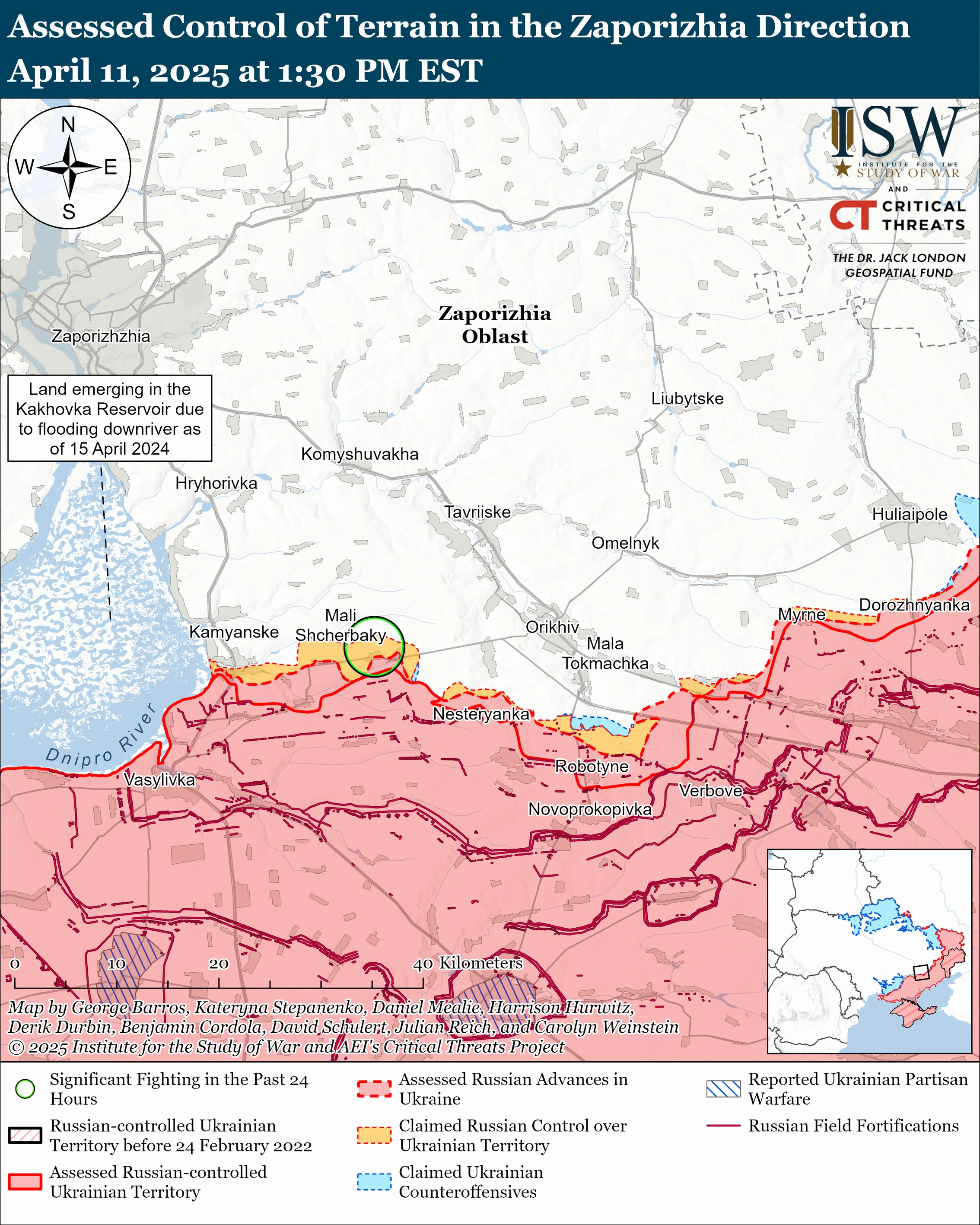
Latest from the Institute for the Study of War.
Key Takeaways from the ISW:
Drone debris also reportedly destroyed a private home.
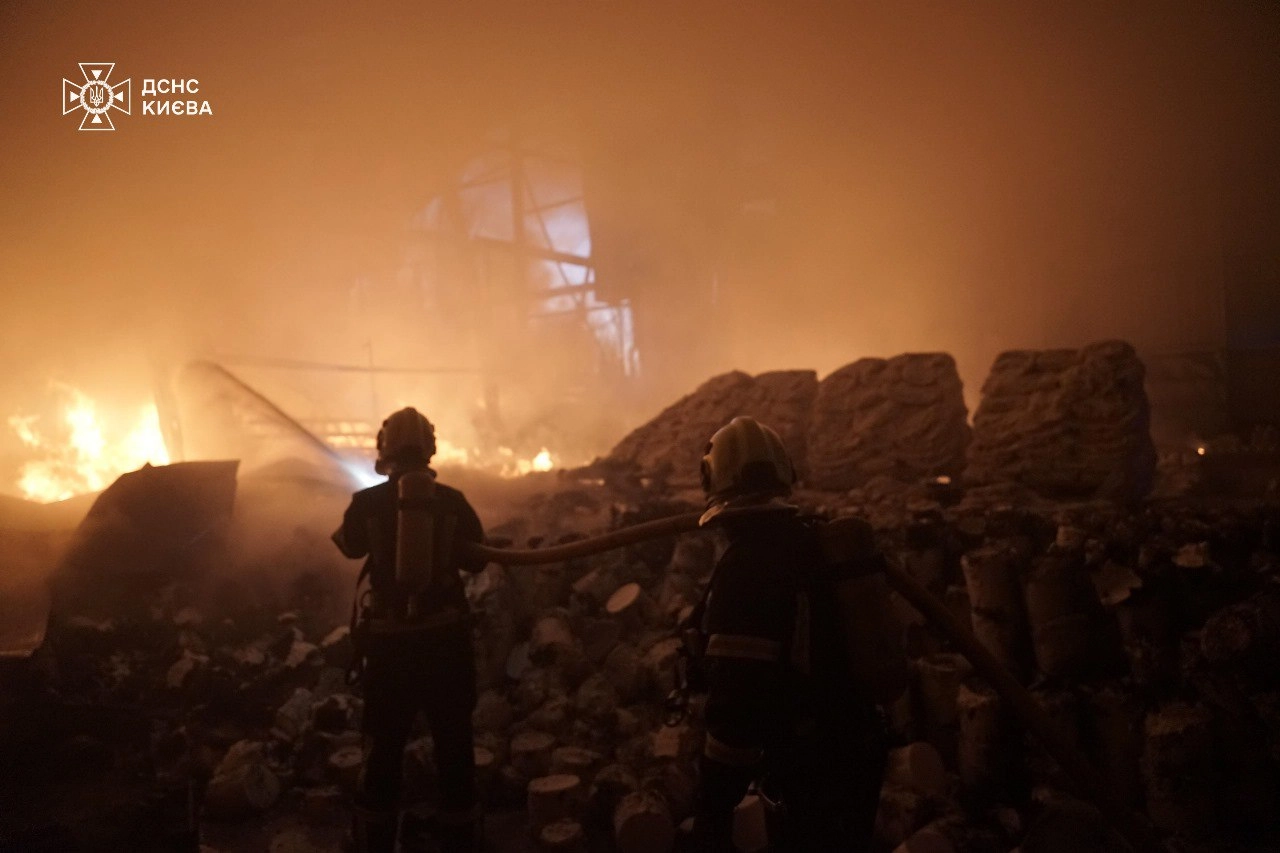
Fires broke out in two districts of Ukraine’s capital following a Russian drone attack overnight, injuring at least two people, Kyiv Mayor Vitaliy Klitschko reported.
Writing on Telegram early Saturday, Klitschko said non-residential buildings in the Sviatoshynskyi district caught fire, while a private home was ablaze in the Darnytskyi district. Emergency services were dispatched to both scenes.

Fast fashion fuels a global crisis of waste and plastic pollution. From war-torn Ukraine to the wider world, our disposable wardrobes are costing more than we think.
In 2024, when Ukraine is still resisting a brutal full-scale Russian invasion and living through war, many may argue that clothing is the least of our concerns.
But it’s exactly during times of crisis that we must re-evaluate what truly matters – including the systems we support through our everyday choices. War forces us to rethink priorities, and fashion is not exempt. When resources are limited, supply chains disrupted, and national resilience tested, the question of sustainability becomes existential.

As per the study, 58% of the 120 million online comments referencing Jasionka at the beginning of the week repeated the incorrect premise that “US forces are completely withdrawing from Poland.”
On Monday, the U.S. said it was relocating troops from the Jasionka airport near Rzeszów, which serves as a hub for supplying military support to Ukraine, a decision that was taken in coordination with Warsaw and NATO.
But it was largely construed as meaning a complete withdrawal of American soldiers from Central and Eastern Europe, researchers from the Res Futura foundation and internet monitoring firm SentiOne said.
“You could almost make it look like what happened with Berlin after World War II, when you had a Russian zone, a French zone, and a British zone, a US zone.” – Kellogg
Keith Kellogg, US President Donald Trump’s special envoy to Ukraine, suggested British and French troops could adopt zones of control in the country, in an interview with The Times newspaper published Saturday.
Kellogg suggested they could have areas of responsibility west of the Dnipro river, as part of a “reassurance force,” with a demilitarized zone separating them from Russian-occupied areas in the east.

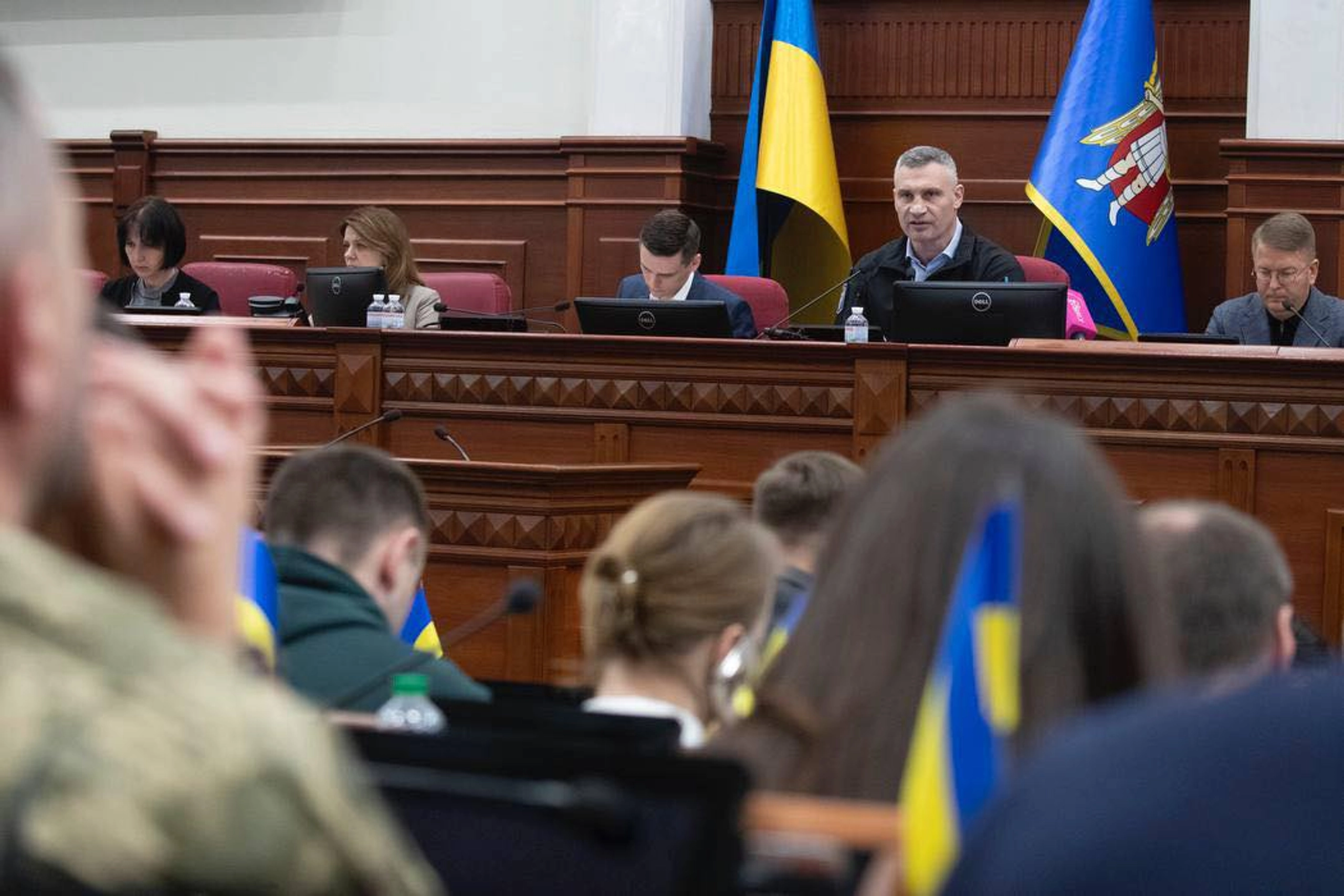
What’s behind the recent large-scale searches and detentions targeting local officials known as “Operation Clean City.”
The recent wave of searches and detentions in Ukraine’s capital, targeting several local officials and politicians came as a surprise to many because, for a long time, despite the strained relationship between state authorities and municipal leaders, a serious confrontation had not occurred.
However, everything changed rapidly this spring – after which Kyiv Post examined the potential shift in the balance of power in the capital.