


EN

EN


EN
Stay informed with the most important Ukraine breaking news today. This page compiles the top headlines and critical updates from across Ukraine, offering a real-time snapshot of key developments.
Whether it’s military updates, political changes, or international reactions — we bring you the latest Ukraine news as it happens. All reports are carefully curated from verified sources and KyivPost correspondents on the ground.

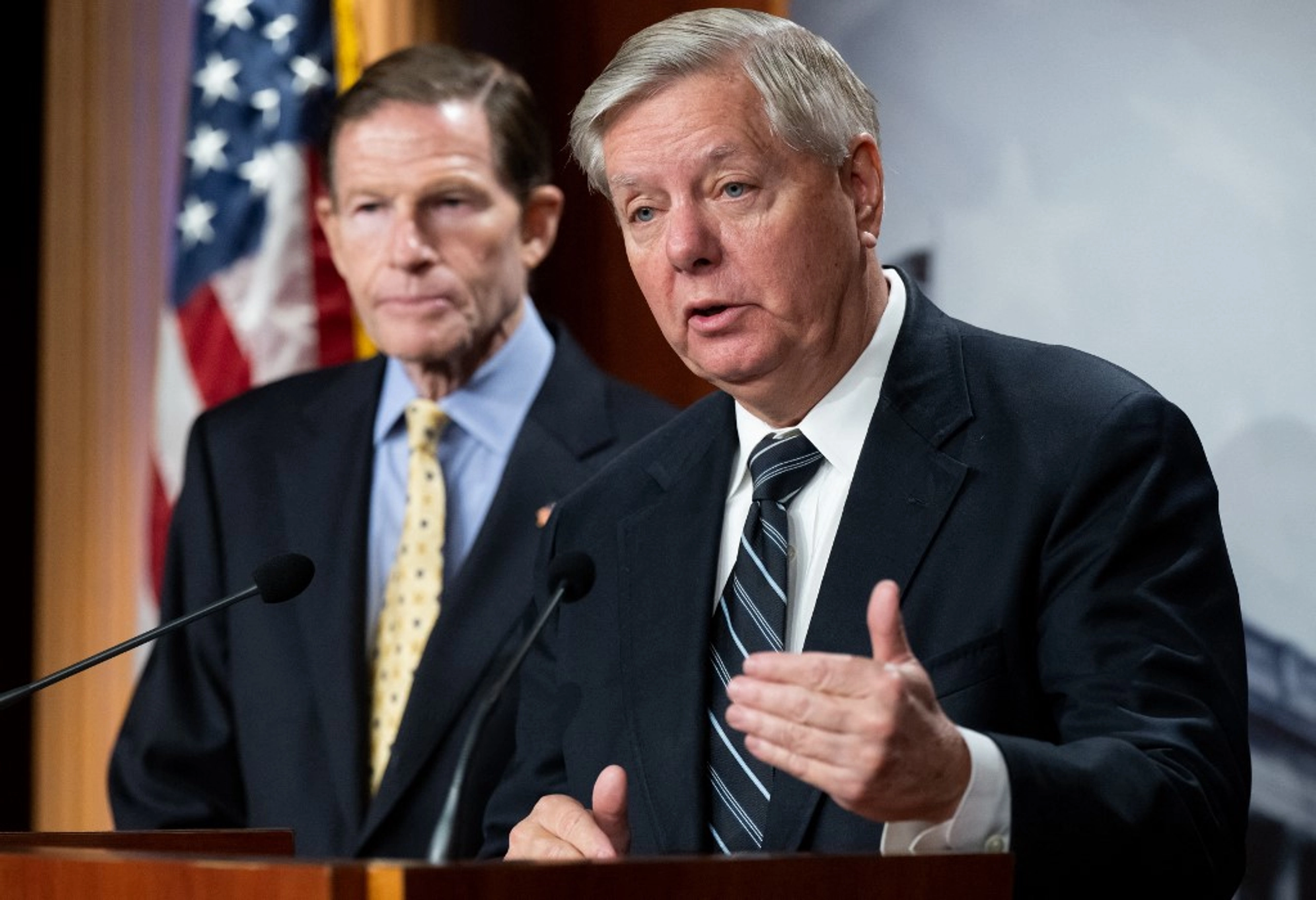
A bipartisan Senate delegation was in Kyiv to meet with Zelensky. They pledged support for Ukraine and progress towards new sanctions on Russia as soon as next week.
US Senators Lindsey Graham (R-S.C.) and Richard Blumenthal (D-Conn.) met Ukrainian President Volodymyr Zelensky in Kyiv Friday to discuss increasing sanctions on Russia, expanding American business cooperation, and bringing back abducted Ukrainian children.
Zelensky thanked the senators for their support and the support of the American people, and the lawmakers visited the site of an April 24 missile strike in Kyiv that killed 13 people.

Reserve bonds are having their comeback. Bond Market Insight for May 28.
Ukraine’s Ministry of Finance reintroduced reserve bonds in the primary bond auctions, resulting in a significant increase in proceeds in local currency.
The 15-month military bills were oversubscribed almost 2x in 25 bids at interest rates ranging from 16.3% to 16.35%. However, due to a UAH5bn cap, the MoF had to partially satisfy these bids.In contrast, demand for the 20-month bonds halved yesterday.
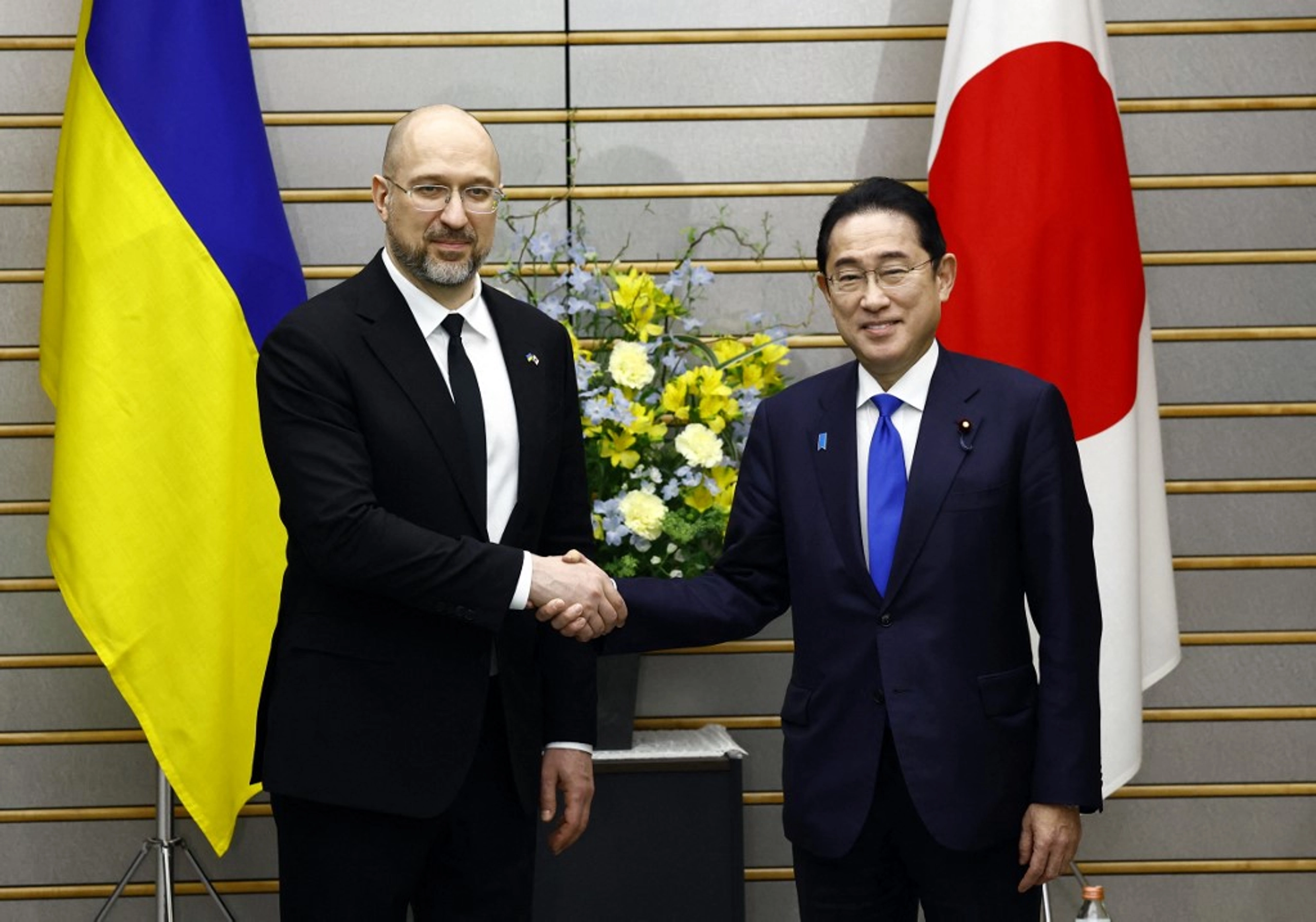
Ukraine has finalized steps to receive a $3 billion dollar loan from Japan backed by ERA frozen Russian assets.
Ukraine’s Cabinet of Ministers on Friday approved measures necessary to receive a $3 billion loan from Japan, with funds backed by frozen Russian assets.
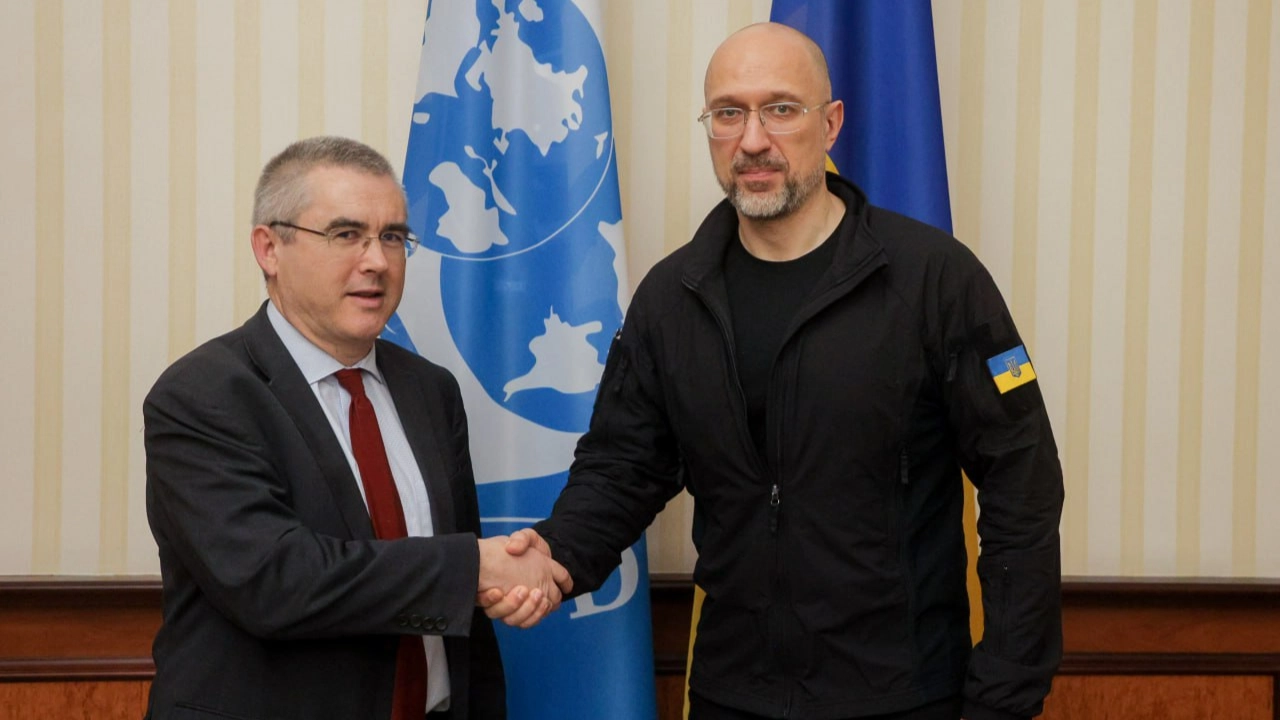
“We will direct these funds towards financing our priority budget expenditures,” Ukrainian Prime Minister Denys Shmyhal said in a post on Telegram.
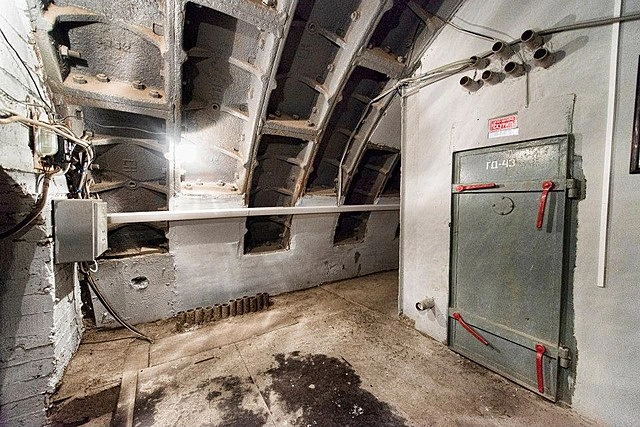
Two-thirds of Soviet-era bomb shelters in Russia are unusable, yet Moscow plans to spend $1.7B to restore them amid war with Ukraine and rising fears of attack.
Russia’s Ministry of Emergency Situations will begin reconstructing and modernizing Soviet-era bomb shelters, Minister Alexander Kurenkov announced during a meeting with journalists.
It is estimated to cost around 155 billion rubles (approximately $1.7 billion USD).

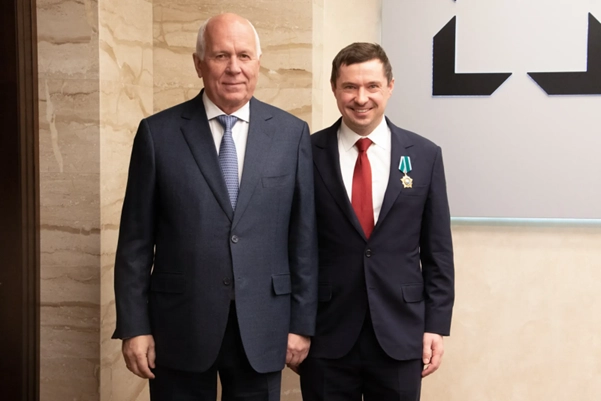
Washington lawyers and lobbyists are helping executives from the Russian defense behemoth, Rostec, challenge US sanctions – and it’s all legal, according to public filings and law experts.
Two high-ranking Russian executives at the heart of Moscow’s defense industry quietly signed a $2.6 million contract with a Washington, DC law firm in March – aiming to lift US sanctions placed on them for their roles in Russia’s war in Ukraine.
The firm Rathmell Short LLP agreed to represent Sergei Chemezov and Vasily Brovko, both senior leaders of Rostec, Russia’s state-owned military-industrial conglomerate.

Lord Ashcroft highlights Odesa’s strategic role in Ukraine’s defense and global food security and how Ukraine’s naval innovation is beating Russia in the Black Sea.
Good afternoon, Ladies and Gentlemen,
It is my great pleasure, as lead sponsor of this forum, to welcome you all to the beautiful city of Odesa – often described by its residents as “the pearl by the sea.” And a pearl it is indeed: rich in history, shaped by a tapestry of cultures, and defined by the resilient, unmistakable Ukrainian spirit – not least its enduring sense of humour, even in the most trying times.
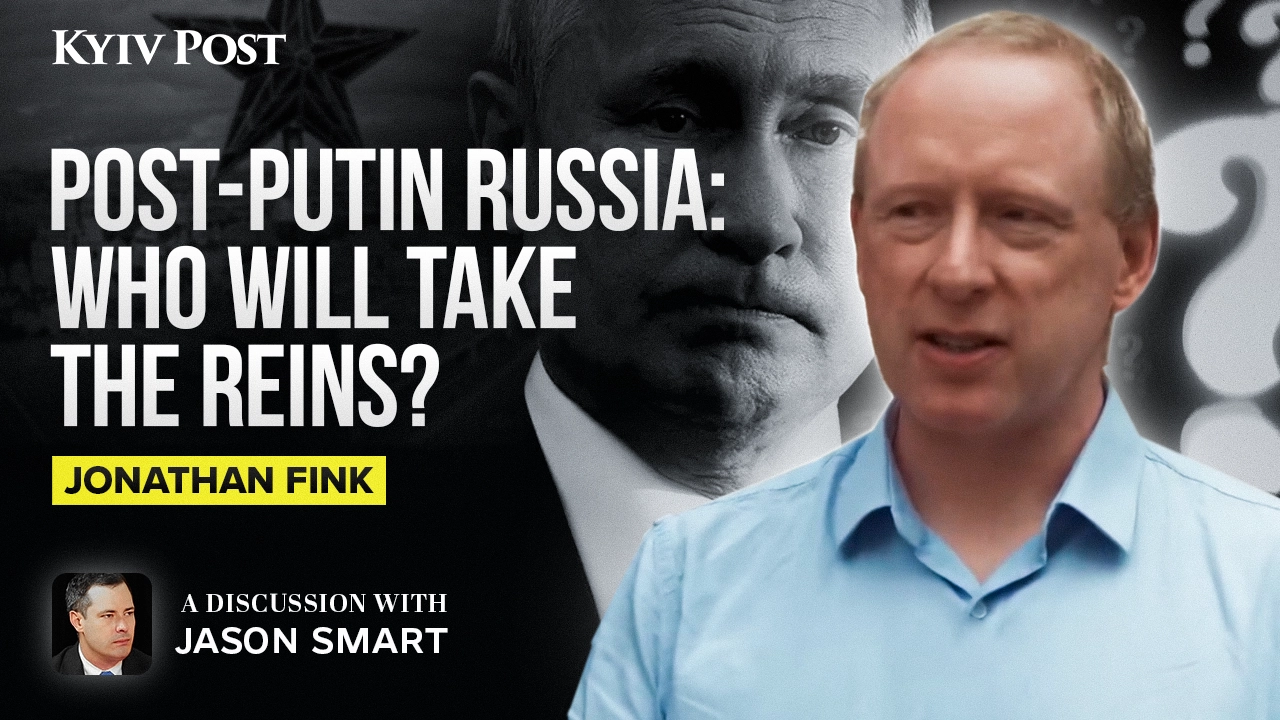
As Putin’s regime teeters, Jonathan Fink reveals how the change of power might happen, why we should not fear, and what the West should brace for. A Putin-free world could be nearer than we think.
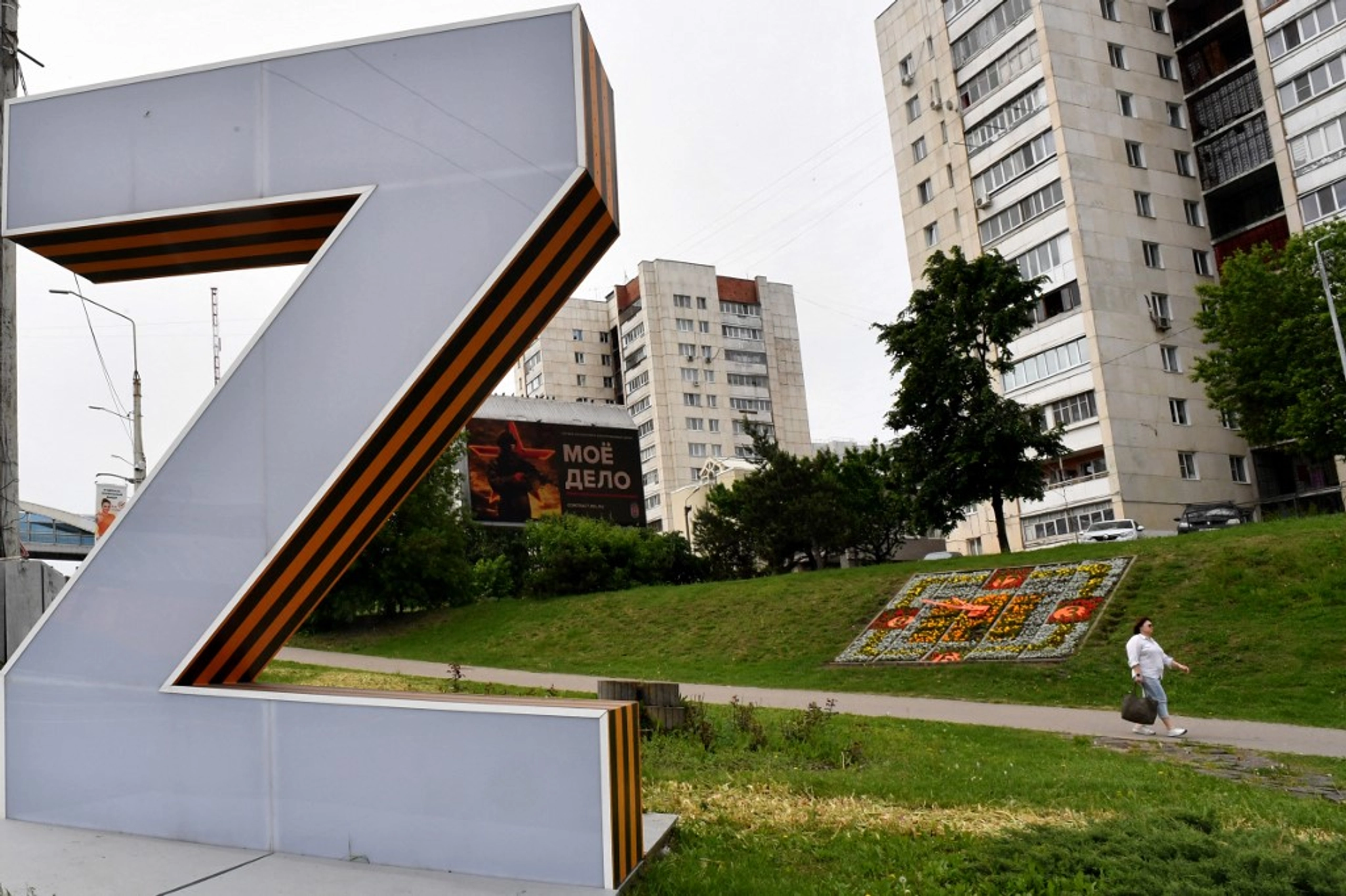
Desantnaya Bay frequently hosts amphibious landing drills by Moscow’s Pacific Fleet. In May last year, 300 troops and 30 military vehicles took part in exercises there.
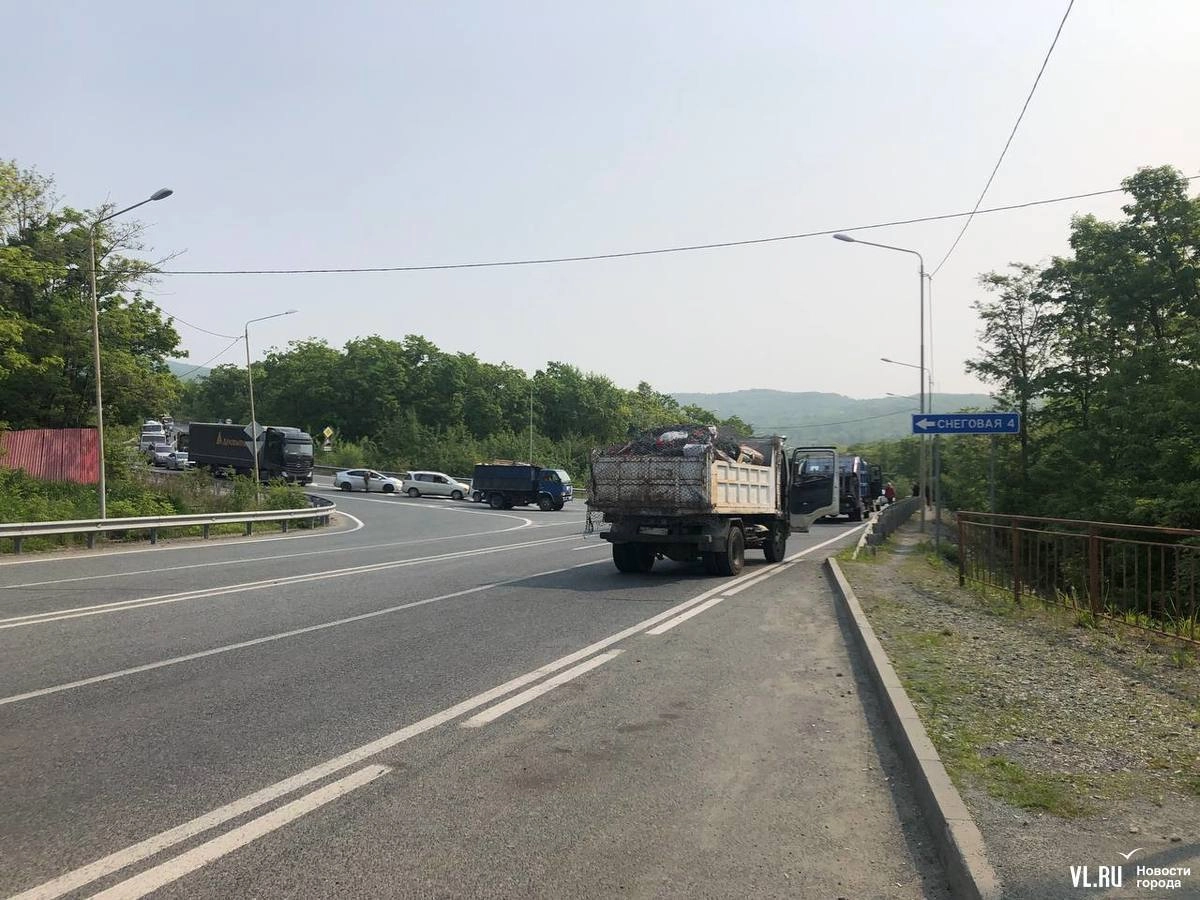
Two powerful explosions rocked a Russian naval facility near Vladivostok early Friday, in an area regularly used for Pacific Fleet training exercises.
While Russian officials blamed gas cylinders, Ukrainian special service sources told the Kyiv Post the blasts were the result of a successful operation by Ukraine’s Military Intelligence (HUR).

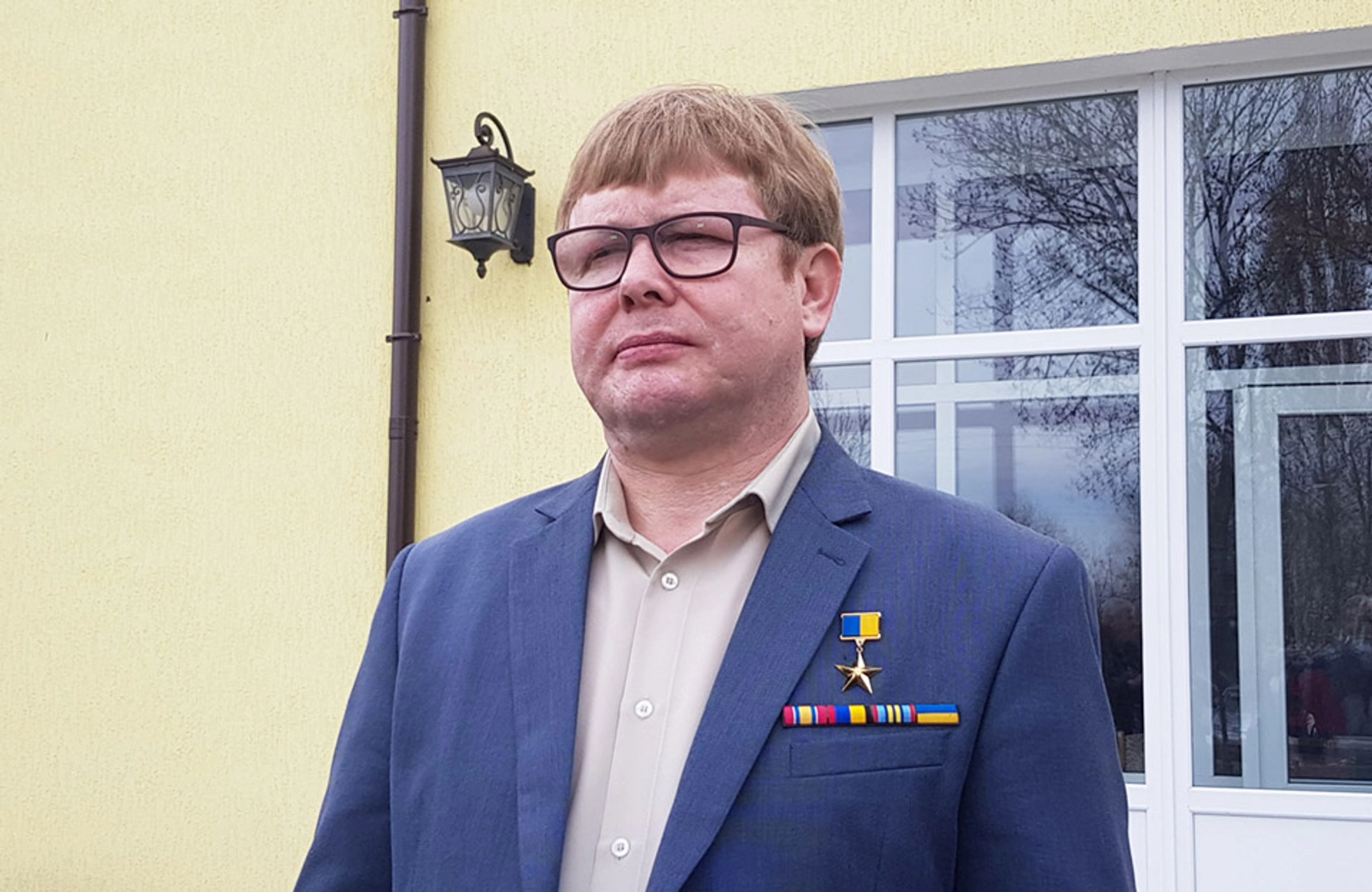
In part two of a Kyiv Post interview saboteur and demolitions expert Volodymyr Zhemchuhov talks about explosive operations, captivity, interrogations, and POW exchanges.
You can find the first part of the article here.
You became most well-known for blowing up railways. How did that come about?

Ukraine has submitted detailed peace terms, including a monitored ceasefire on all fronts, but accuses Russia of stalling by refusing to share its proposals before the next round of talks.
Ukraine has submitted a detailed proposal for ending the war with Russia, centered on a full ceasefire monitored by international partners, but accused Moscow of dragging its feet and possibly setting the stage to sabotage upcoming peace talks.
According to a senior Ukrainian official speaking to the New York Times (NYT) on condition of anonymity due to the sensitivity of the negotiations, Kyiv’s memorandum outlines a ceasefire “on land, at sea, and in the air,” with international observers tasked with overseeing compliance.

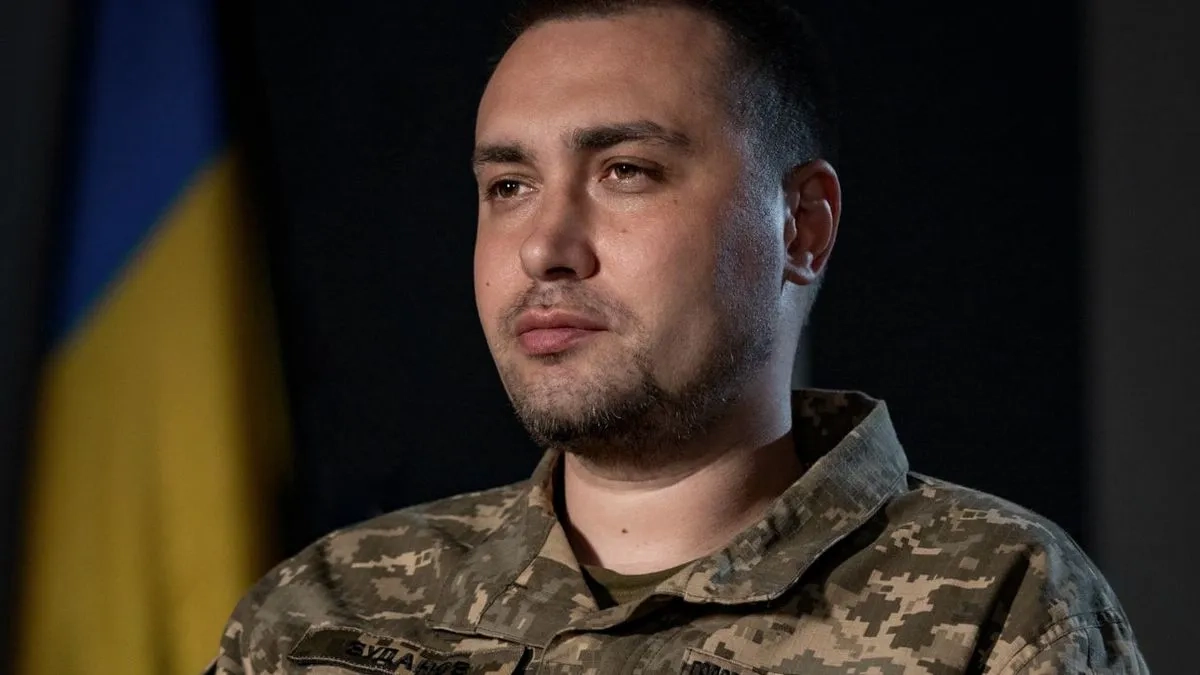
Polish President awards Ukraine’s intel chief Kyrylo Budanov the Gold Cross of Merit for strengthening strategic ties and resistance to Russian aggression.
Lieutenant General Kyrylo Budanov, Chief of Ukraine’s Defense Intelligence (HUR), has been awarded the Gold Officer’s Cross of the Order of Merit of the Republic of Poland – one of the highest Polish state honors bestowed on foreign nationals.
According to HUR’s press service, the award recognizes Budanov’s outstanding contribution to strengthening international cooperation and building a strategic partnership between Poland and Ukraine amid Russia’s full-scale war.
A new intercepted call reveals that Russia is cutting gas to and forcing evacuations from Belgorod border villages as it creates a militarized “gray zone” delineated with barbed wire fencing.
In a newly intercepted phone call released by Ukraine’s Main Defense Intelligence Directorate (HUR), a resident of Russia’s Belgorod region complains that the authorities are deliberately creating unbearable living conditions for people in border areas.
“Listen, they called me and said they’ve cut off the gas along the border. The authorities say: just hold on a bit longer. It’s obvious – they want to force everyone out of the border villages,” the man says during the call.

NATO member Turkey, which has strove to maintain relations with both Kyiv and Moscow, has become a key mediator amid US President Donald Trump’s push for a deal to end the fighting.
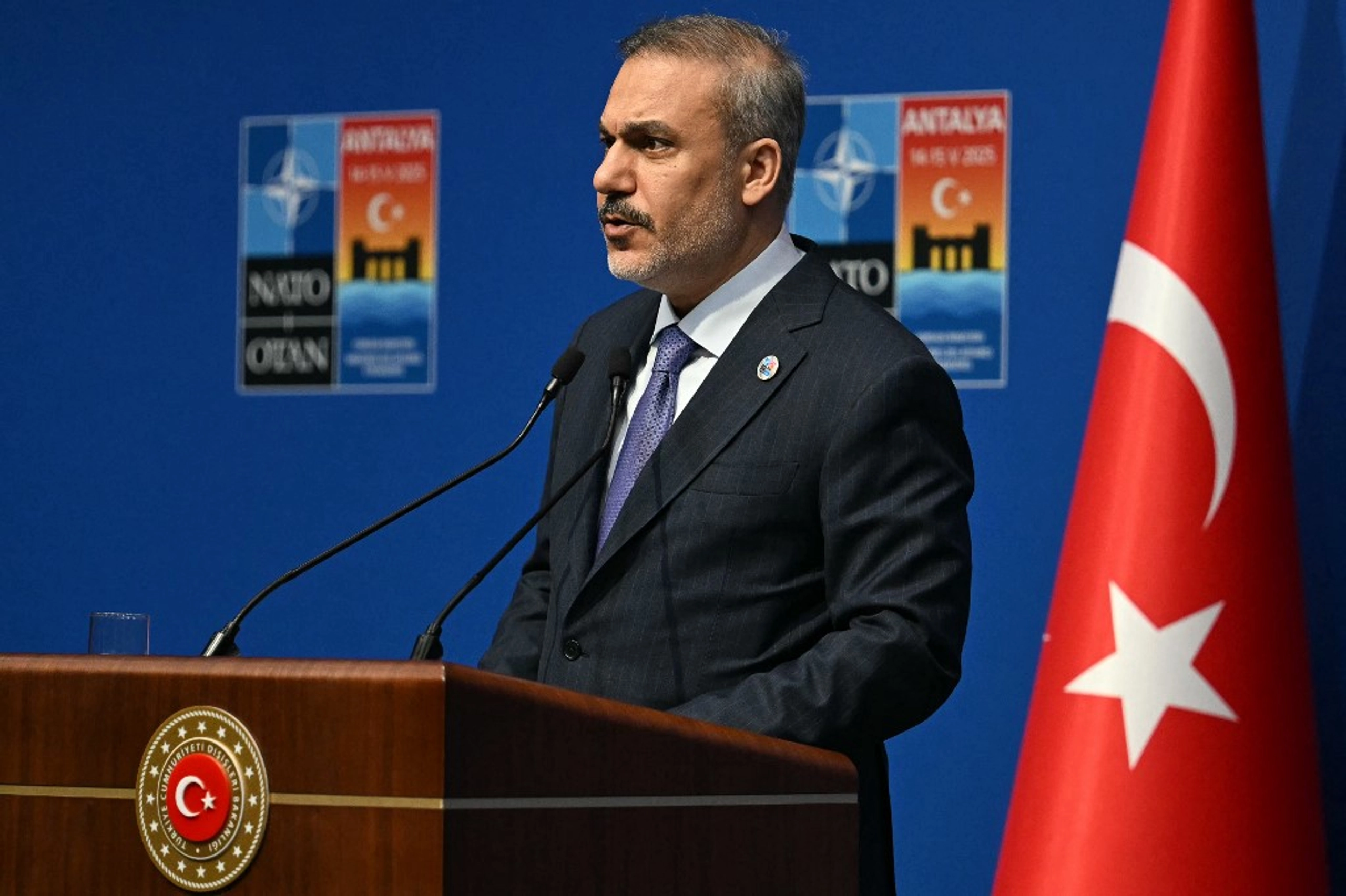
Turkey on Friday proposed to host a meeting between the American, Russian and Ukrainian presidents in an effort to advance toward an end of the three years of war in Ukraine.
NATO member Turkey, which has strove to maintain relations with both Kyiv and Moscow, has become a key mediator amid US President Donald Trump’s push for a deal to end the fighting.
Secretary of State Marco Rubio reiterated calls for good-faith dialogue in a recent call with Lavrov, but said doubts remain about Moscow’s sincerity.
US President Donald Trump is “extremely frustrated” with Russian President Vladimir Putin over continued civilian deaths during ongoing ceasefire negotiations, State Department spokesperson Tammy Bruce said during a briefing on Friday.
The remarks followed a phone call between US Secretary of State Marco Rubio and Russian Foreign Minister Sergey Lavrov, during which the two discussed the progress – or lack thereof – in the peace process.

One of Vladimir Putin’s maximalist conditions to end the war in Ukraine, is for written guarantees from Western countries that NATO would not expand further east.
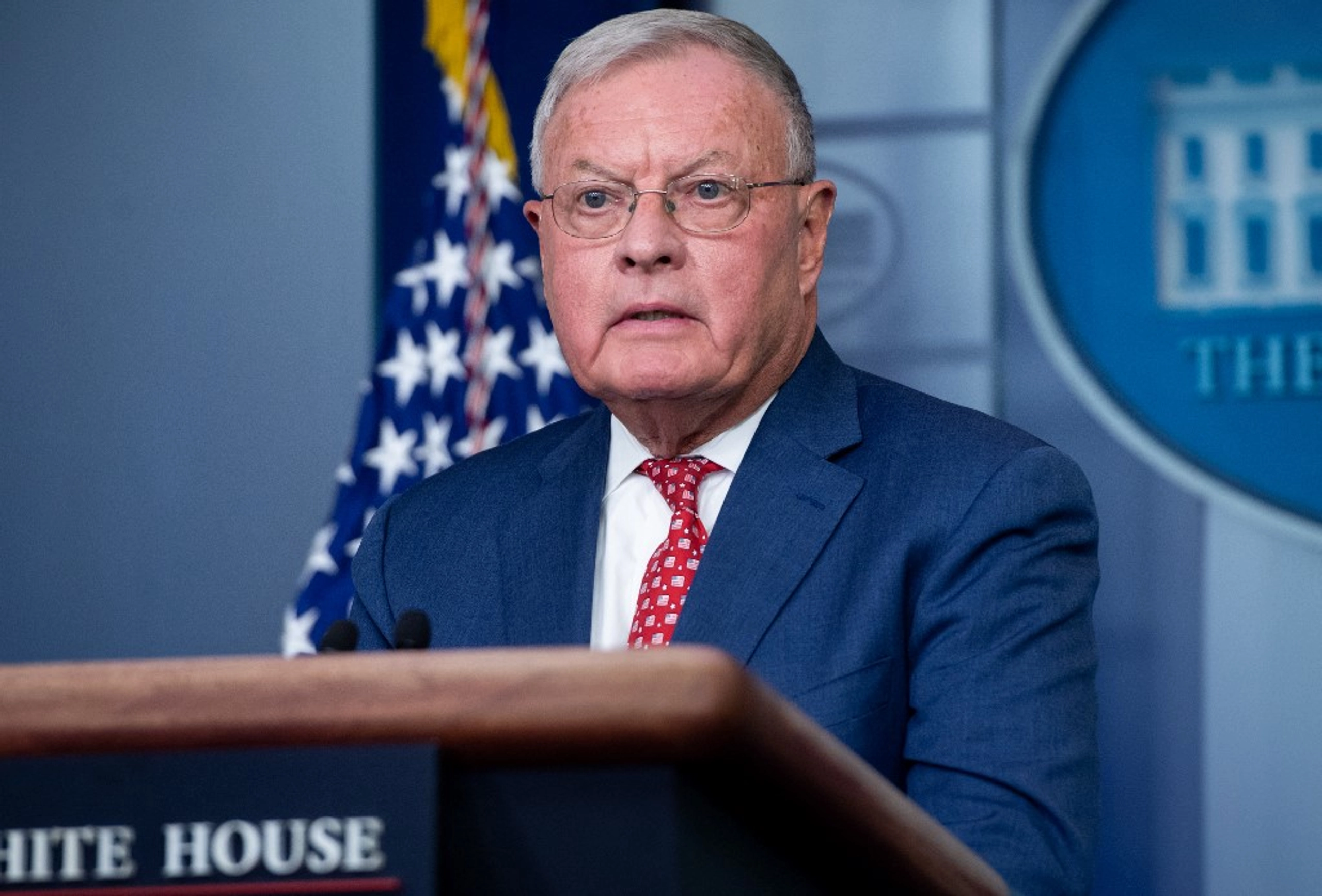
Keith Kellogg, US President Donald Trump’s special envoy for Russia and Ukraine, said Russia’s concerns about NATO expanding eastward are “fair.”
As part of his stated conditions foe ending the war in Ukraine, Russian President Vladimir Putin reportedly demanded written guarantees from Western countries that NATO will not expand further east, Reuters reported earlier this week.

From EU integration to relations with Ukraine, Poland is at a crossroads: With record numbers of overseas voters, its liberal and right-wing presidential candidates are locked in a dead heat.
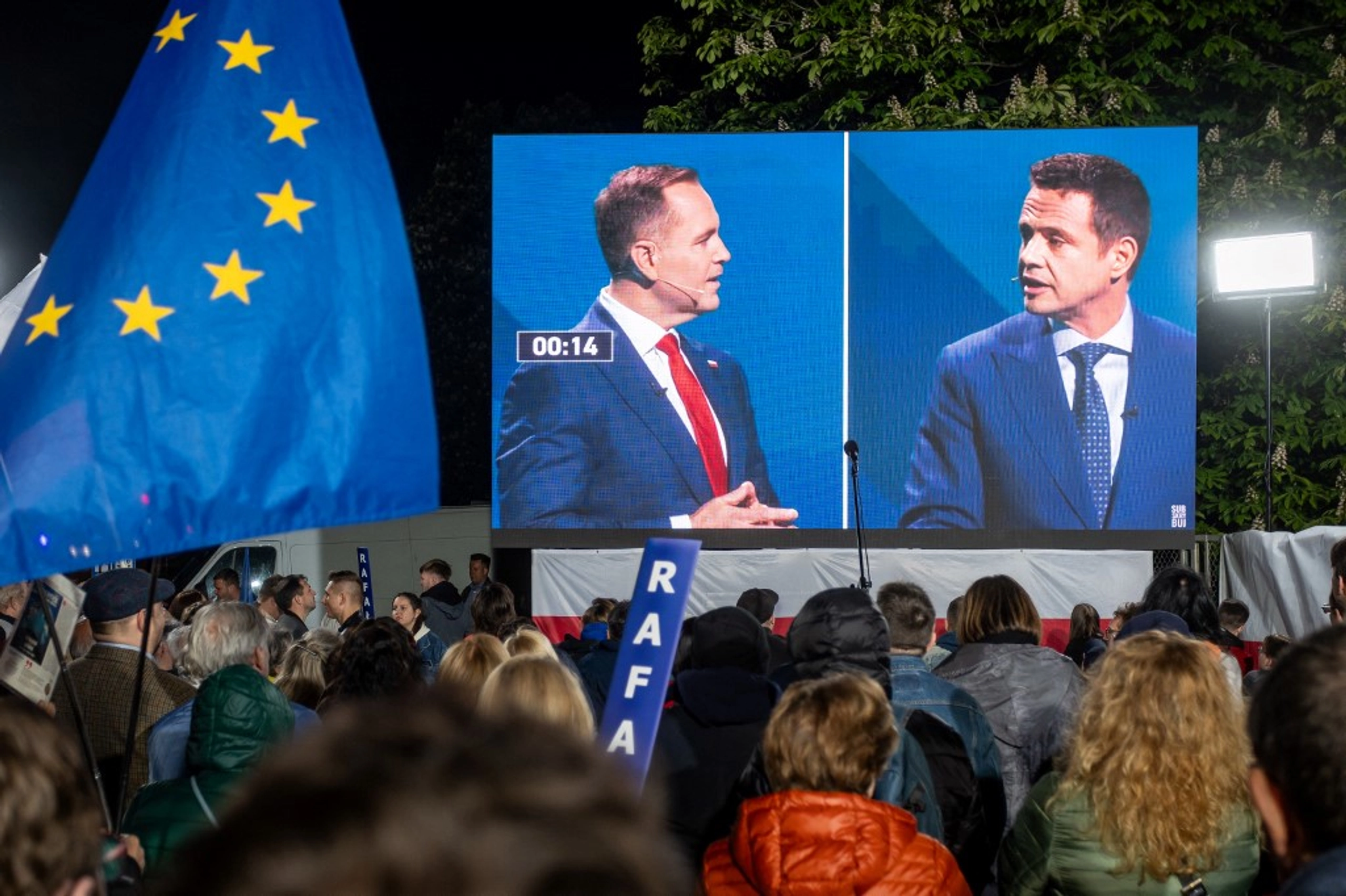
As Poland heads into the final days of a fiercely contested presidential race, the nation stands at a political crossroads: Liberal candidate Rafał Trzaskowski and right-wing challenger Karol Nawrocki are locked in a dead heat, each offering starkly different visions for the country’s future – from EU integration to relations with Ukraine.
With record numbers of overseas voters registered and tensions running high, Sunday’s vote could reshape not only the Polish presidency, but the balance of power in Warsaw and beyond.

Subtlety has never been a hallmark of Russia’s intelligence services but the SVR’s ferocious denigration of Belgrade, its traditional ally, is a surprising new low.
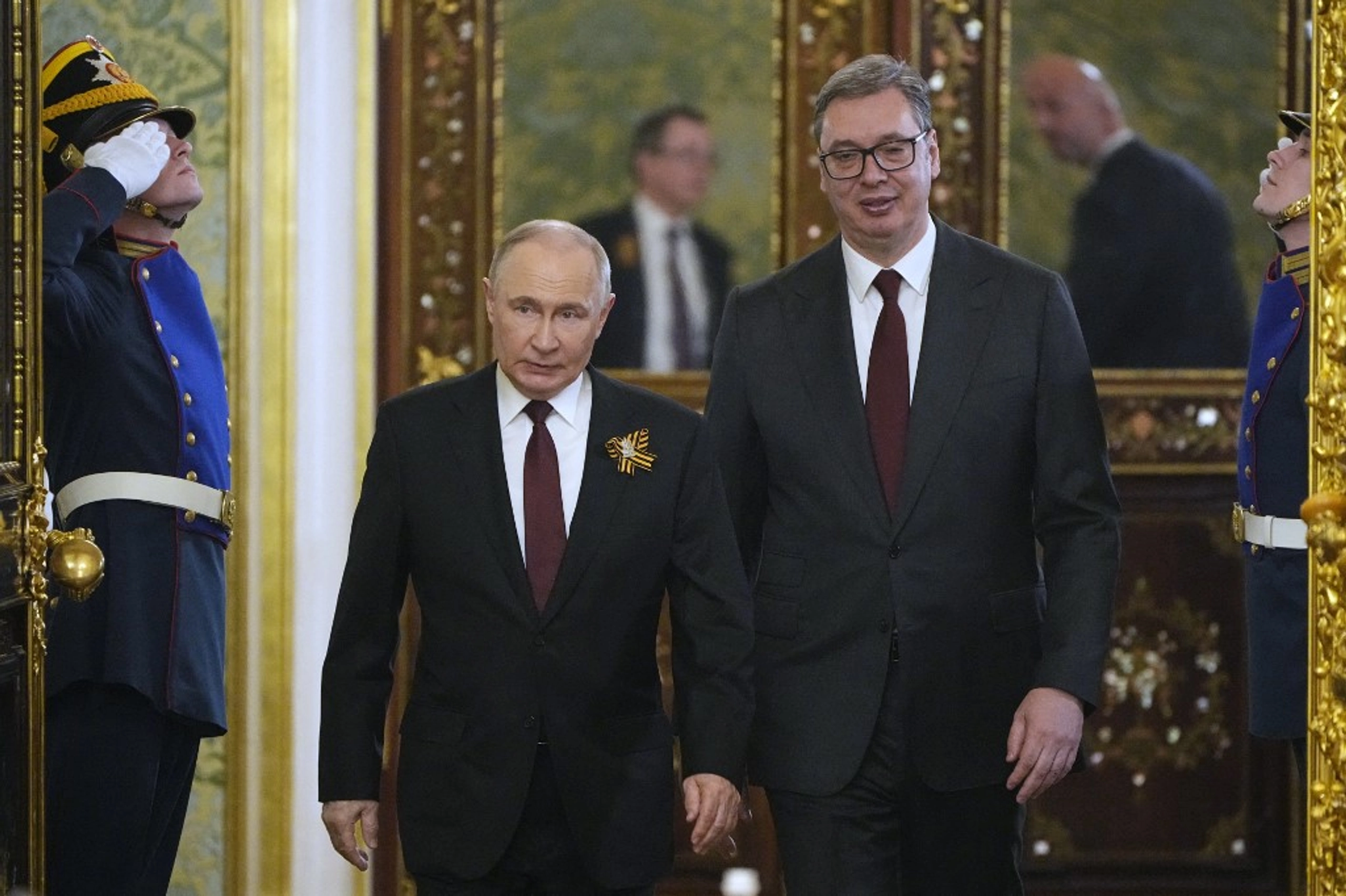
An official statement by Russia’s Foreign Intelligence Service (SVR) that “The Serbian military industry stabs Russia in the back,” represents the most direct and crude attack by Moscow on Belgrade in modern history. The statement, published in every Russian pro-regime media outlet, including the Serbian edition of “Sputnik,” openly accuses “the Serbian defense industry of supplying hundreds of thousands of grenades and millions of bullets to Kyiv, in defiance of officially declared neutrality.”
It goes on to say that this is done through “falsified end-user certificates” passed through NATO member states – primarily Poland, the Czech Republic, and Bulgaria, along with more recently several African countries. The SVR emphasized that there could be no humanitarian justification for these supplies, as their sole purpose was “to kill and maim Russian soldiers and civilians,” stressing that this was done with the consent of the Serbian leadership.

Ukraine will receive $500 million if the IMF’s staff decision gains approval from the IMF Executive Board.
The International Monetary Fund (IMF) staff and the Ukrainian authorities have reached a staff-level agreement (SLA) to disburse $500 million for the war-torn country.
Ukraine passed the eighth review of the four-year, $15.5 billion Extended Fund Facility (EFF) arrangement at the staff level – now the decision will need to be approved by the IMF Executive Board in coming weeks, according to the IMF.
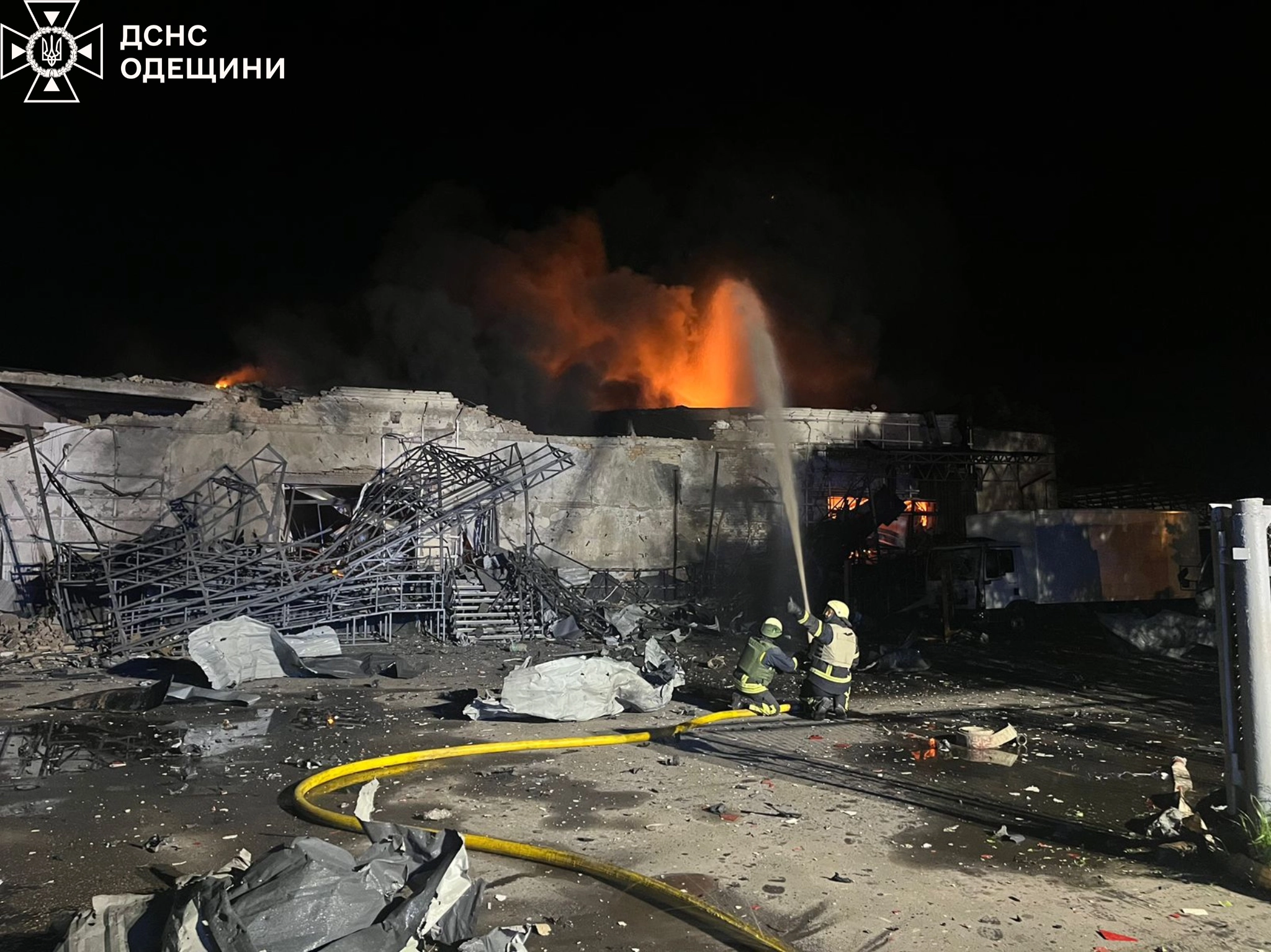
Russia launched 90 Shaheds and 2 ballistic missiles at Ukraine overnight. Kharkiv’s trolleybus depot was hit, injuring civilians, while a Nova Poshta branch in Odesa caught fire.
Russia launched a large-scale air assault on Ukraine from the evening of May 29 to the morning of May 30, firing 90 drones and two Iskander-M/KN-23 ballistic missiles, according to the Ukrainian Air Force.
“The enemy attacked with 90 Shahed strike UAVs and various types of simulator drones,” the Air Force reported on Telegram.
Daily updates from the General Staff of the Ukrainian Armed Forces (AFU) regarding frontline developments and casualty figures amidst Russia’s invasion of Ukraine.
As of May 30, Russia has lost 986,080 troops after launching its full-scale invasion of Ukraine on Feb. 24, 2022 – including 1,140 troops over the past day, according to the General Staff of the Ukrainian Armed Forces.
The figures are approximate estimations and include all troops who are put out of action for some time due to deaths or injuries.

The posts on Russian platforms claim that a Polish language teacher in Volhynia distributed maps to students showing “hypothetical Polish borders” that include parts of Ukrainian territory.
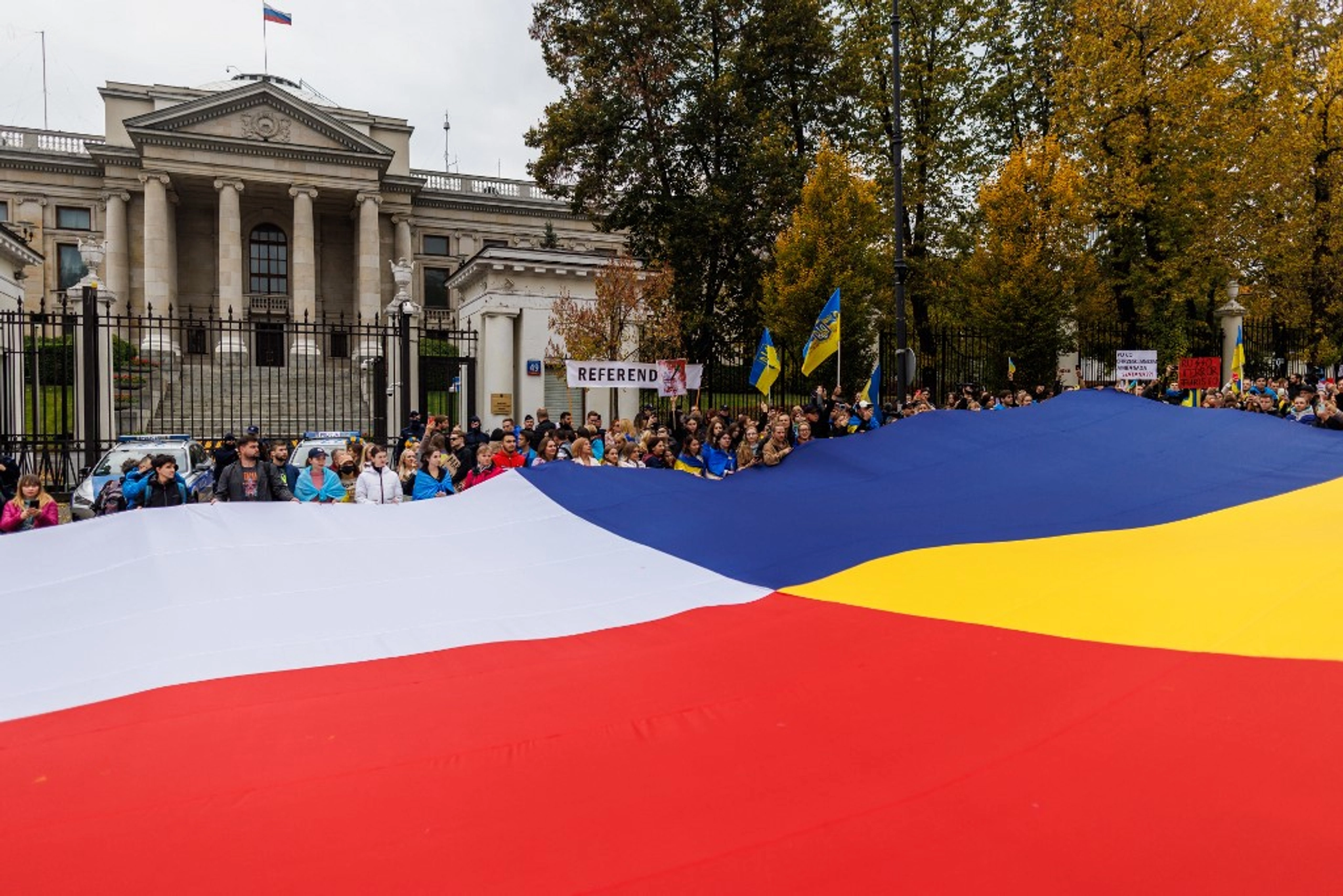
Russian propaganda has spread claims that Poland is preparing to annex the historic Volhynia region in western Ukraine, according to Ukraine’s Center for Countering Disinformation in Kyiv.
The Ukrainian center has accused Russian propaganda outlets of pushing false narratives about Poland ahead of its presidential election runoff scheduled for Sunday.
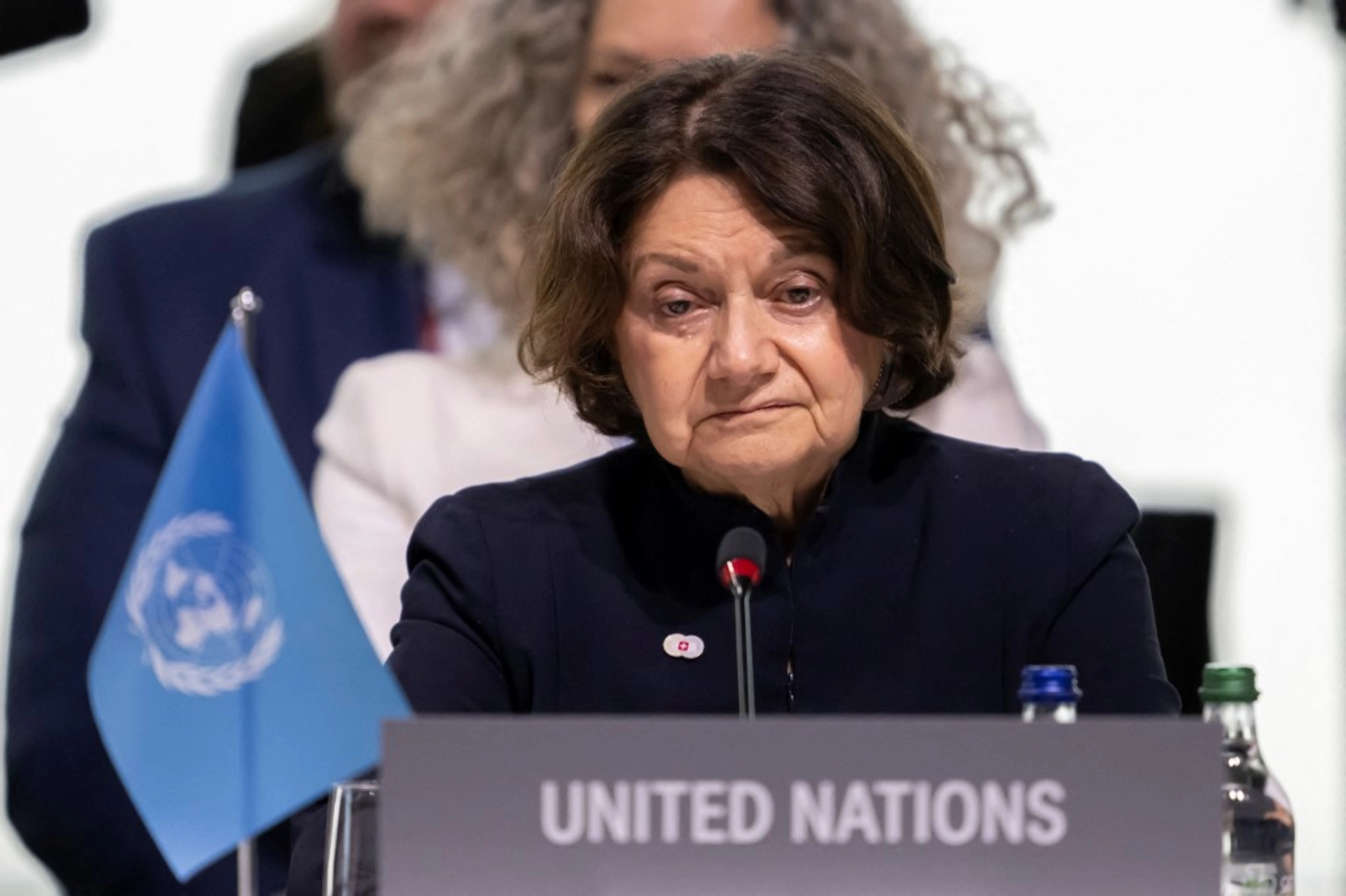
UN Under-Secretary-General for Political Affairs Rosemary DiCarlo told the Security Council that the “cautious hope” she expressed a month ago has diminished in the face of recent aggressions.
Hope is “just barely” alive in the negotiations between Russia and Ukraine, a senior UN official said Thursday, denouncing the recent “brutal surge in large-scale Russian attacks” against Ukraine.
UN Under-Secretary-General for Political Affairs Rosemary DiCarlo told the Security Council that the “cautious hope” she expressed a month ago has diminished in the face of recent aggressions.
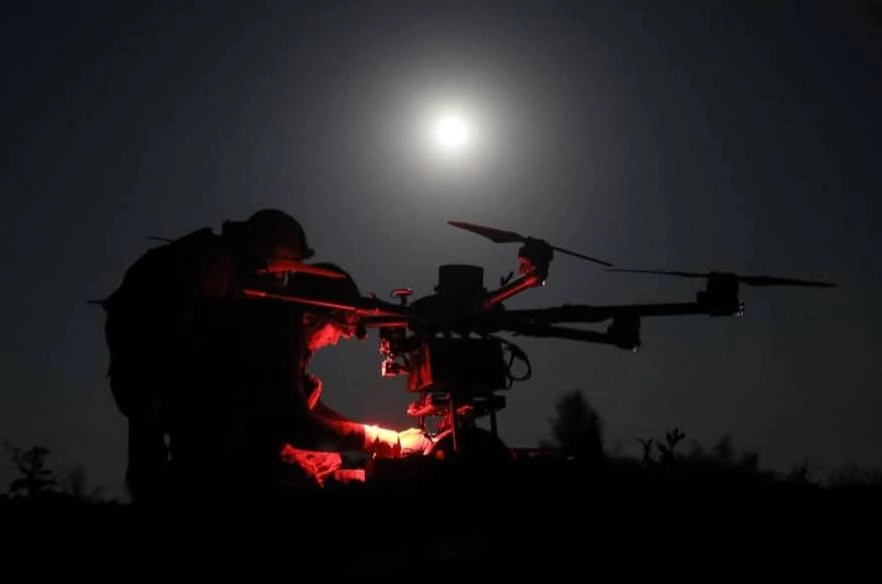
Ukraine has tested AI-guided drone “motherships” capable of launching autonomous strikes deep into Russian-held territory – a strike solution at a fraction of the cost of traditional missiles.
Ukraine has taken a major leap forward in drone warfare by deploying autonomous “mothership” drones that deliver first-person view (FPV) attack drones on deep-strike missions against Russian targets, according to the Kyiv-based tech firm behind the innovation.
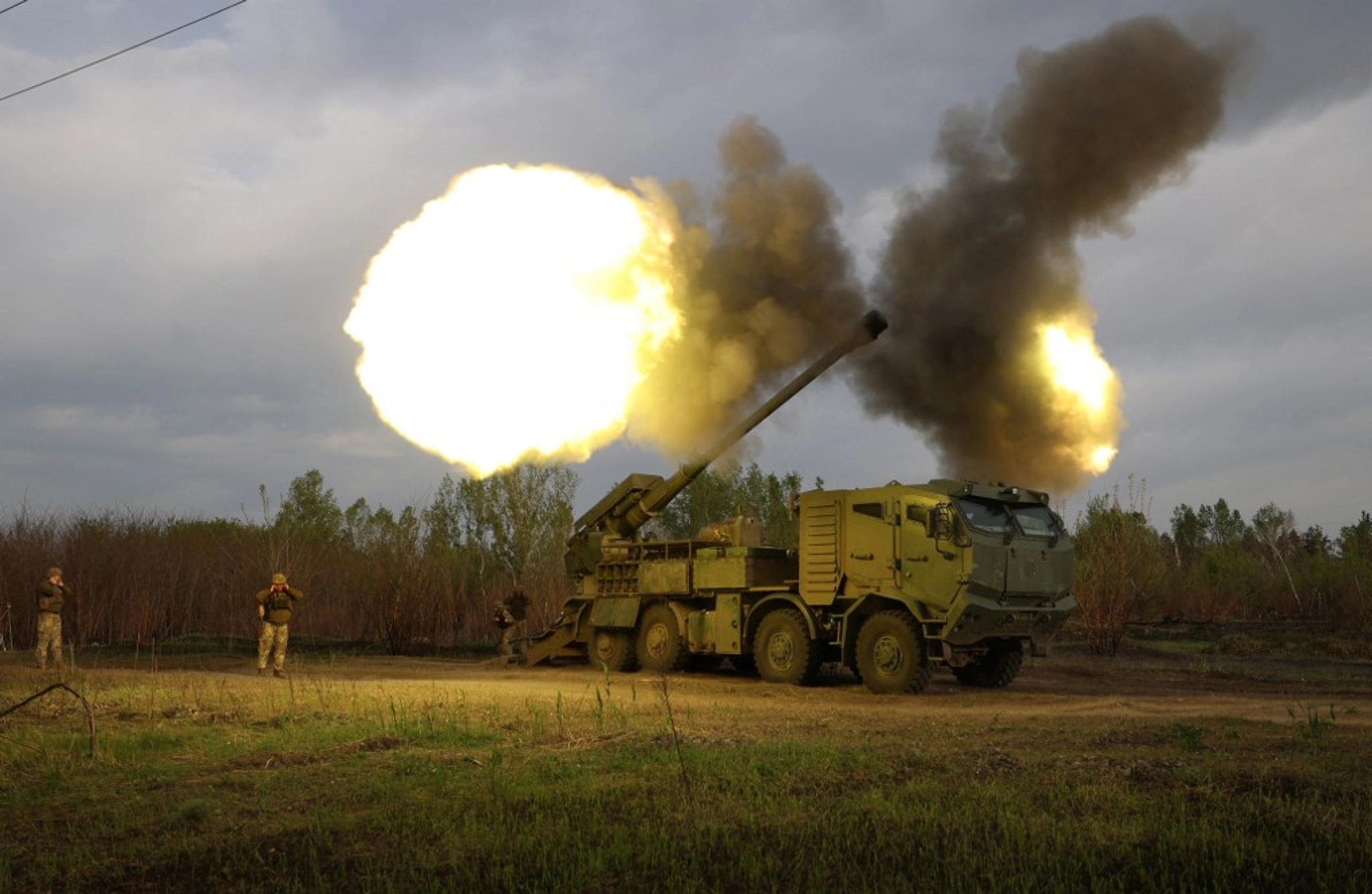
Strategy Force Solutions (StratForce), a Ukrainian startup specializing in autonomous systems, claims to have successfully trialed its GOGOL-M artificial intelligence (AI) enhanced mothership drones in operational missions, launching coordinated strikes at ranges of up to 300 kilometers (190 miles).

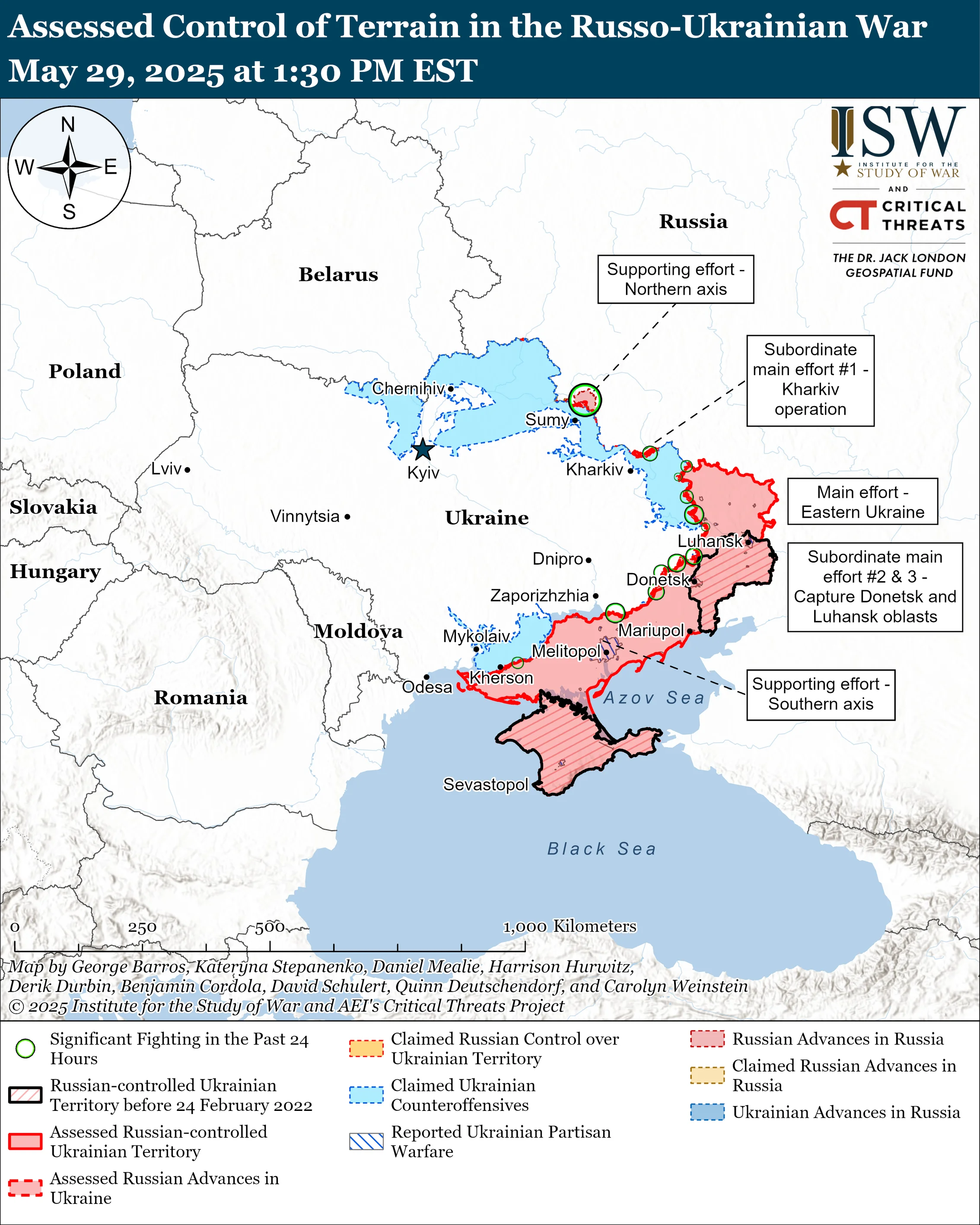
Latest from the Institute for the Study of War.
Key Takeaways from the ISW:
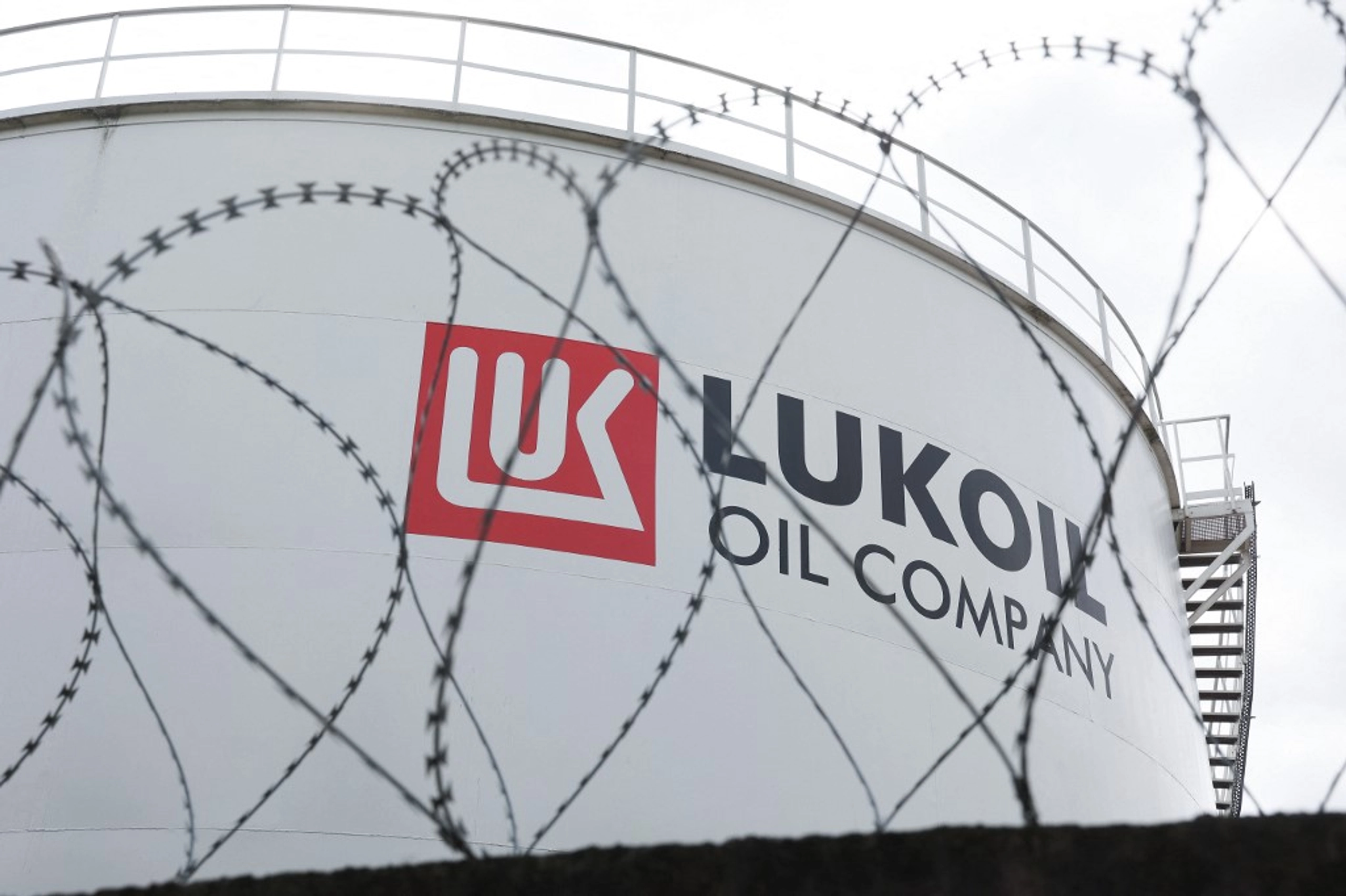
Russia’s second-largest oil company has thus far skirted past international sanctions through a loophole and a Northern Ireland subsidiary.
As the EU mulls additional sanctions on Russia, Irish media outlet The Currency reported on Thursday that Russian oil company Lukoil, which netted about €100 billion last year, is bypassing Euro sanctions through a legal arrangement involving a subsidiary called Vantru, registered in Northern Ireland.
The subsidiary, Lukoil Capital Designated Activity Company, was established in September 2021, about five months before Moscow launched its full-scale invasion of Ukraine. According to The Currency, as relayed by Ukrainska Pravda, the shell company’s only function was to issue bonds in order to raise billions of dollars for Lukoil, and it managed to do that to the tune of US$2.3 billion.

When asked by Kyiv Post whether Washington believed that good-faith dialogue could continue alongside military offensive, the State Department spokesperson said, “We’re going to find that out.”
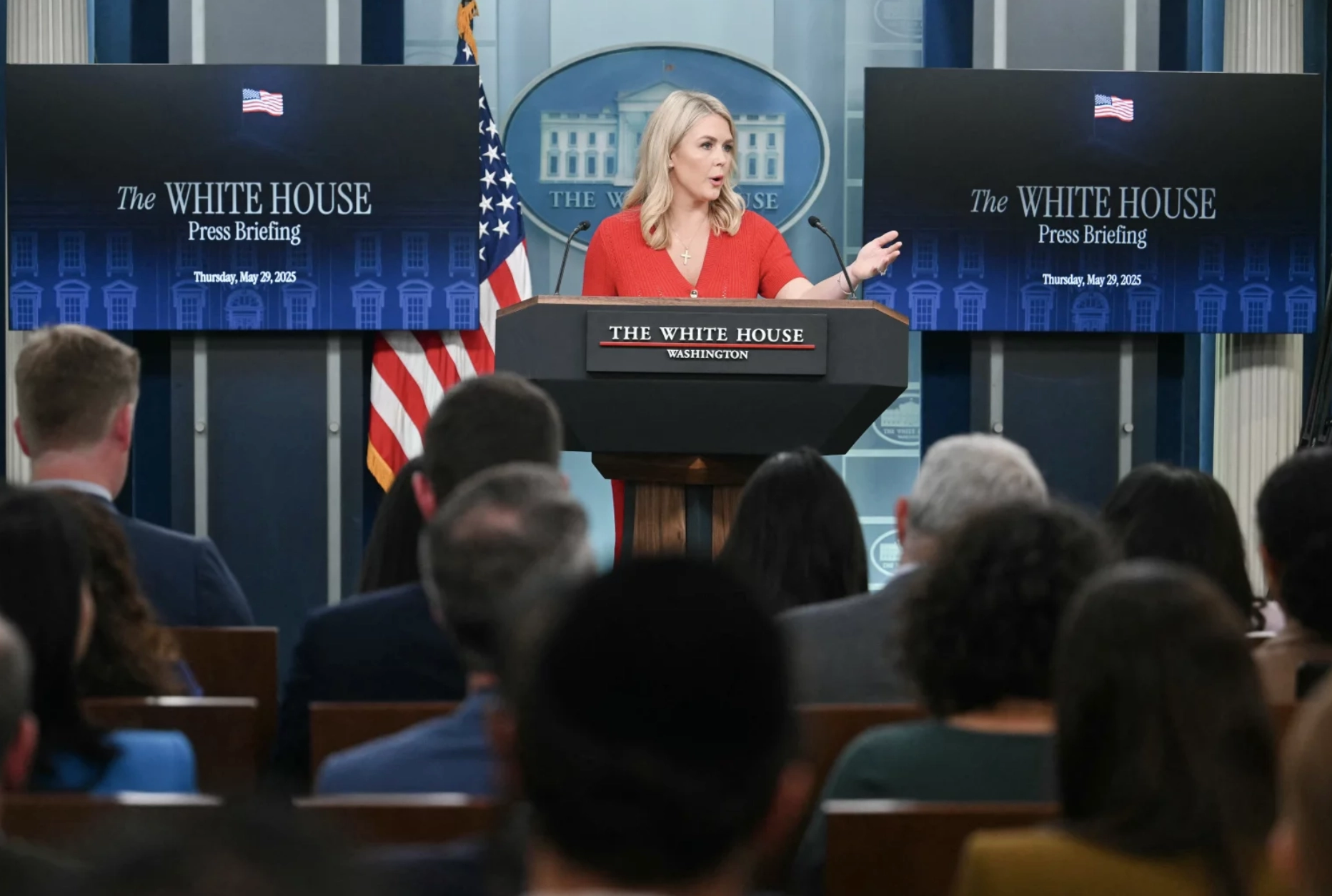
The White House on Thursday backed fresh calls to hold a second round of peace talks between Russia and Ukraine in Istanbul next week to exchange written proposals to end the war.
“It is my understanding, and it is our hope that Russia and Ukraine will engage in direct talks and negotiations next week in Istanbul, and we believe that meeting is going to take place” White House spokesperson Karoline Leavitt told reporters adding, “that is a meeting the [US] president [Donald Trump] encouraged and urged for these two sides to come together and negotiate directly.”

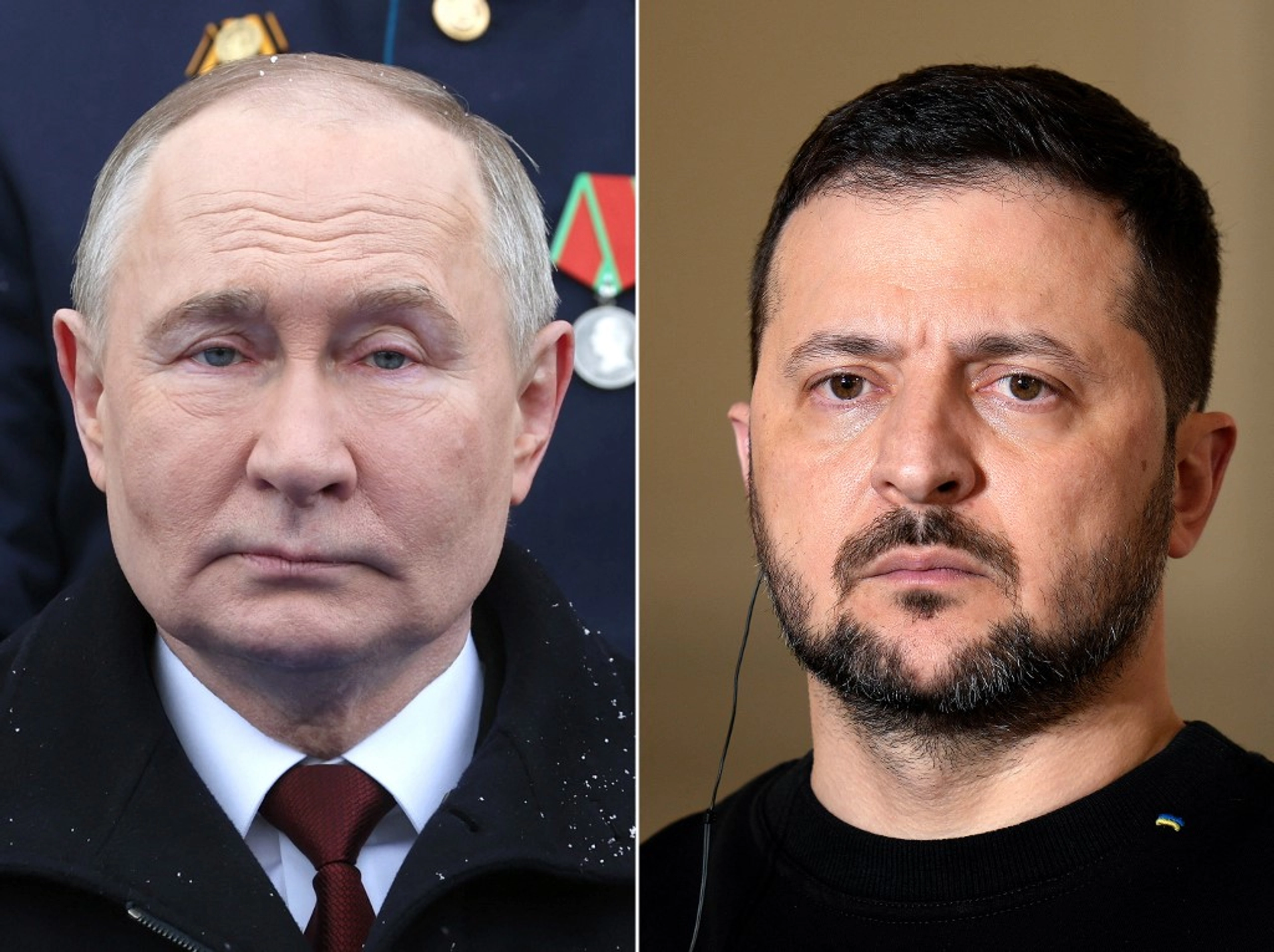
After Russia accused Kyiv of not responding to their ceasefire proposal, Zelensky said his office never received the memo. Both sides point fingers at the other for delaying the peace process.
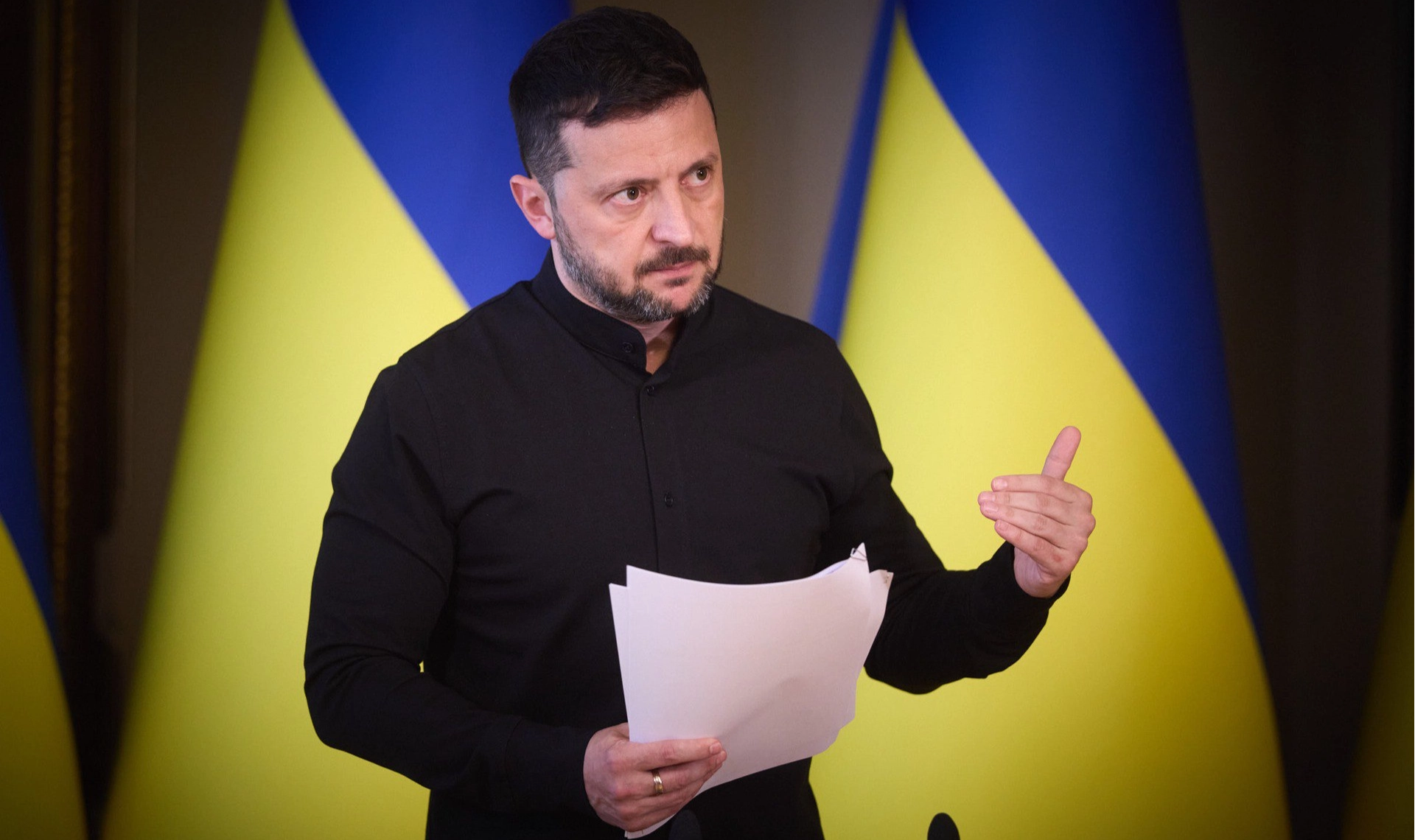
Russia has not yet shared a ceasefire memorandum with Ukraine and its partners, President Volodymyr Zelensky stated in his evening address to the nation, reacting to claims earlier in the day by Kremlin spokesman Dmitry Peskov that Ukraine has yet to respond to Moscow’s proposal.
“Words do not work with Moscow. Even the so-called ‘memorandum,’ which they promised and allegedly spent over a week preparing,” Zelensky said. “No one has seen it yet. It has not been shared with Ukraine. It has not been shared with our partners. They haven’t even shared the new agenda with Turkey, the country that hosted the first meeting. Although they promised the exact opposite, and above all, they promised it to the United States, to President Trump.”