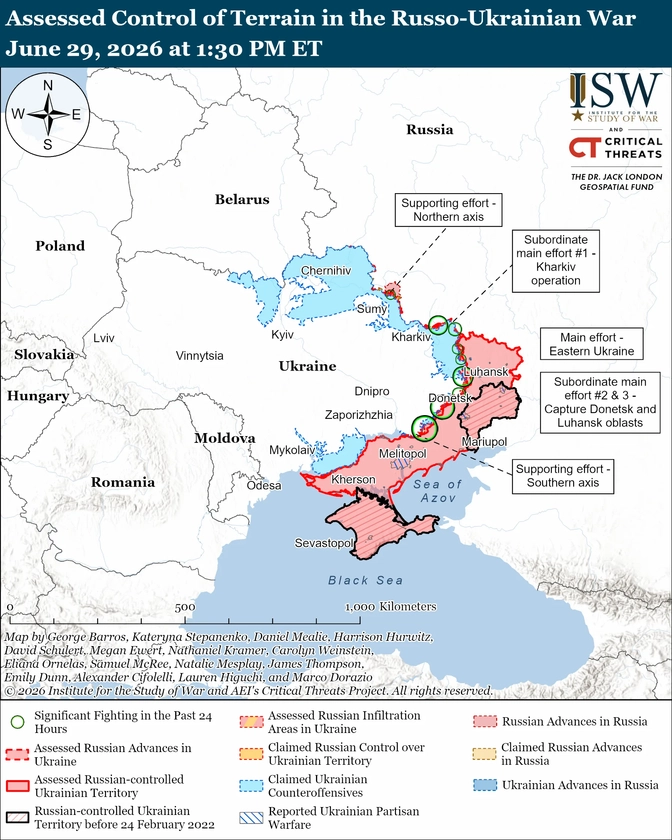
Russia could restore its military combat readiness as early as 2027, and Estonia must raise its level of preparedness, according to the annual report of the Estonian Defense Forces (EDF).
The assessment was published on Monday by the EDF in their 2025 annual yearbook review, according to the ERR, Estonia’s public broadcaster.
JOIN US ON TELEGRAM
Follow our coverage of the war on the @Kyivpost_official.
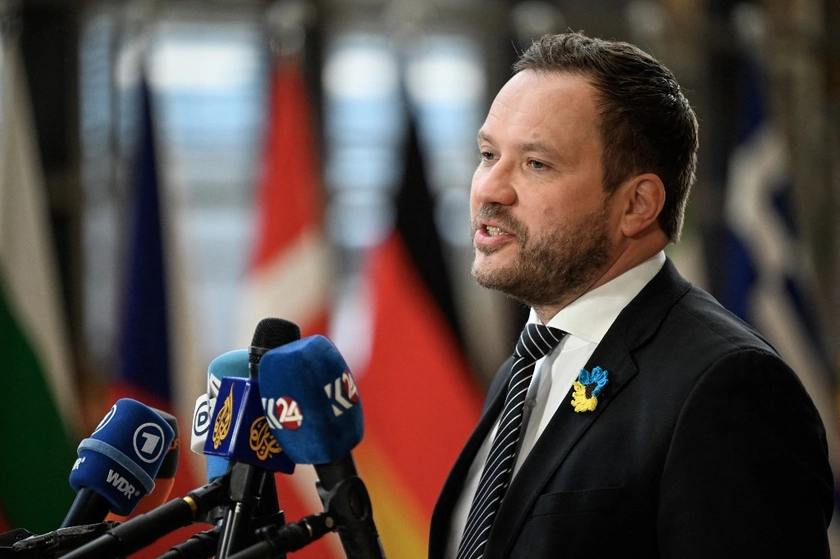
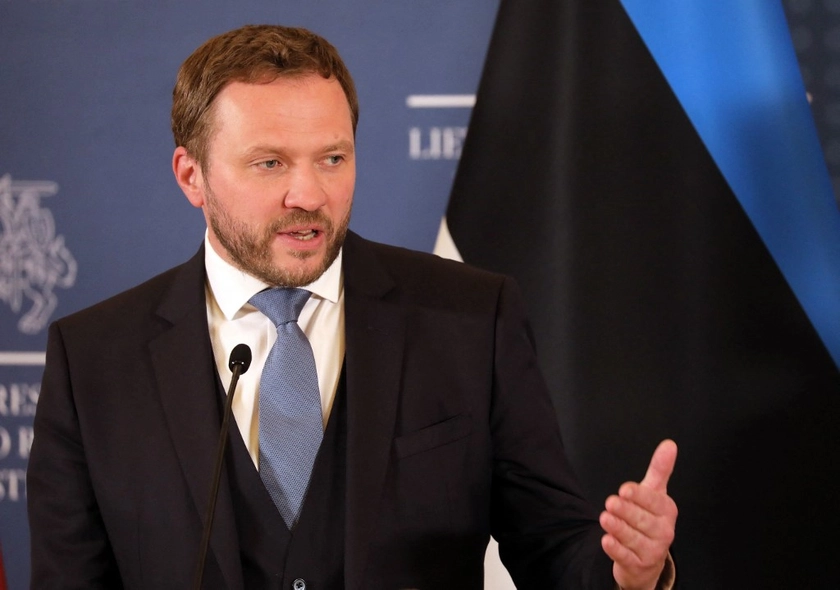
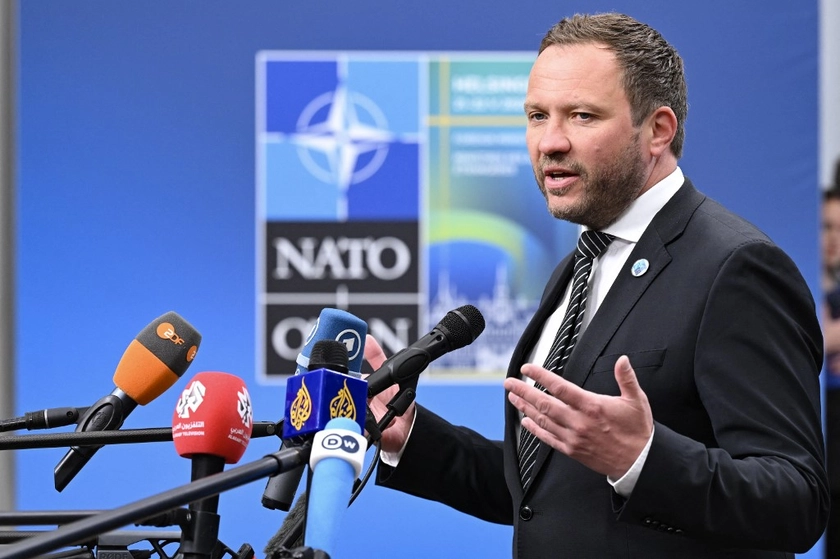
Estonia’s Chief of the Defense Forces, Andrus Merilo, warned that Moscow’s ability to wage war would not be eliminated by the conflict in Ukraine.
Despite heavy losses sustained during its aggression, Russia continues to implement military reforms, the report said.
Current trends indicate that “the war in Ukraine will not end with Russia losing the ability to conduct hostilities against us,” Merilo said.
Once the war in Ukraine subsides, Russian society and its economy will remain oriented toward a war footing, with Russian President Vladimir Putin’s political future tied to sustaining a state of conflict, Ukrinform reported.
Putin’s hope of remaining in power “depends on whether he will be able to keep the country in a state of war.”
Merilo said that after a reduction in active fighting in Ukraine, Russia would focus on restoring its armed forces, while simultaneously seeking new targets and shaping the environment through destabilization campaigns and influence operations.
“In my opinion, 2027 is the year when Russia’s combat readiness will be restored, and if it then sees a favorable opportunity to use its armed forces, it will do it,” Merilo said.
Poland Warns Ukraine: No EU Entry ‘With Bandera’
As a result, the EDF must reach a higher level of readiness, including improved training, accelerated modernization, and enhanced deterrence capabilities, the report said.
“This does not mean that we should immediately assume a direct military attack,” he said, “but in the current security situation, we cannot rule out any options.”
The report concluded that traditional concepts of readiness are no longer sufficient, and that Estonia and its allies must be capable of stopping an adversary at the very start of a conflict and prevailing if deterrence fails.
Last year, Moscow sent a fighter jet into NATO airspace as Estonia sought to stop an unflagged, Russia-bound oil tanker suspected of violating sanctions, before ultimately escorting the vessel into Russian waters.
Following this, The Institute for the Study of War has warned that the Kremlin is conducting long-term information operations designed to justify potential military actions against the region.
You can also highlight the text and press Ctrl + Enter

Russia Hit by 660-Drone Overnight Barrage Targeting Moscow, Crimea and Key Military Sites