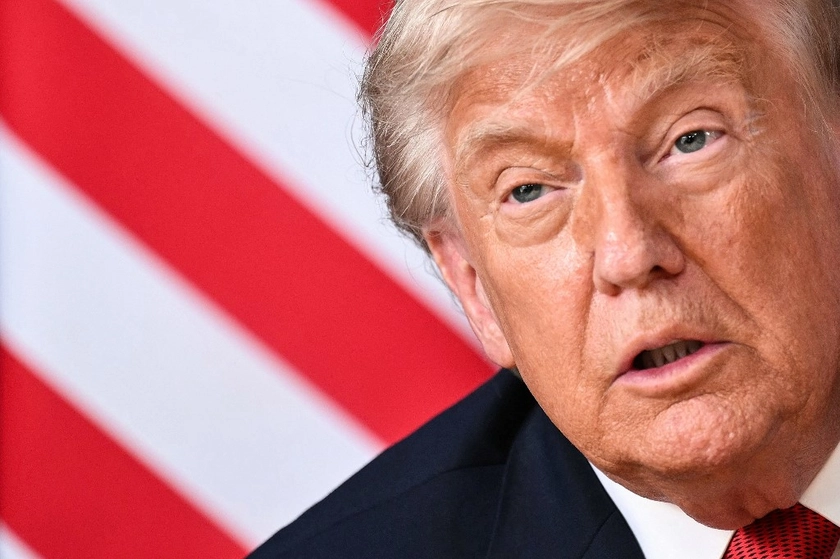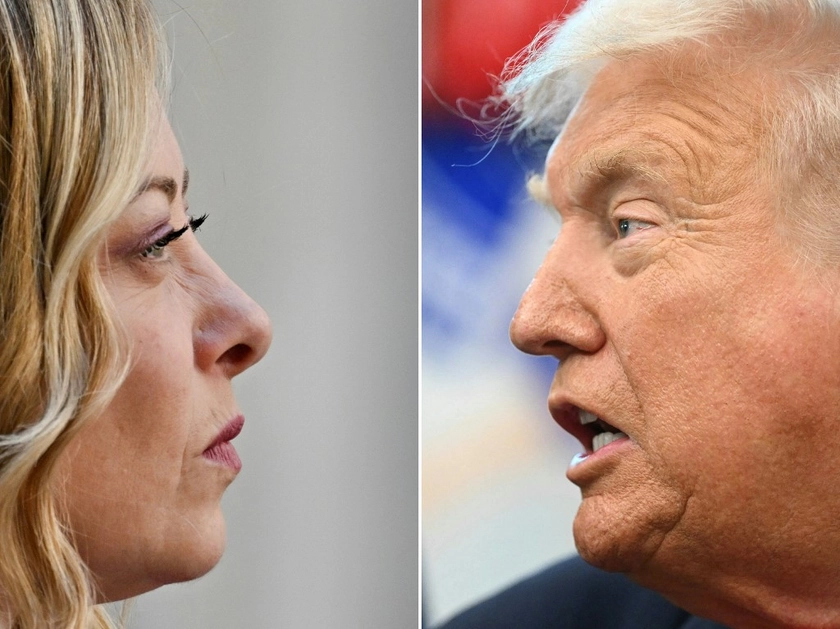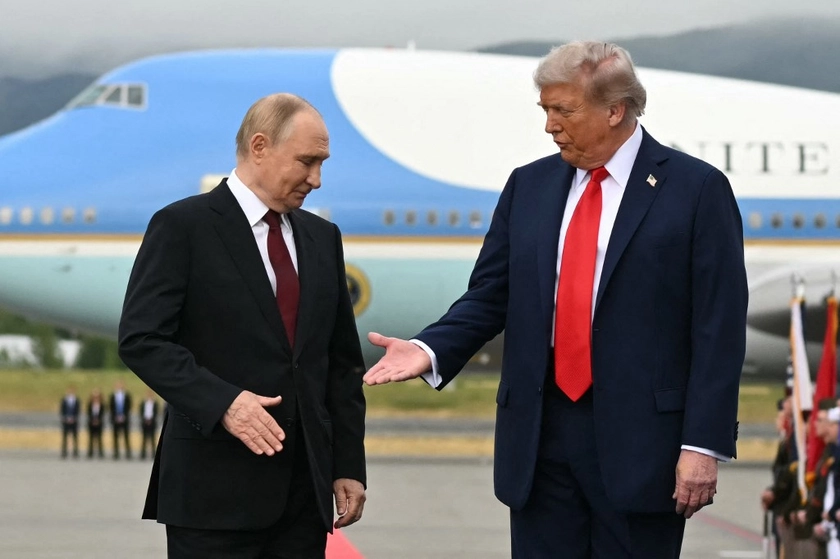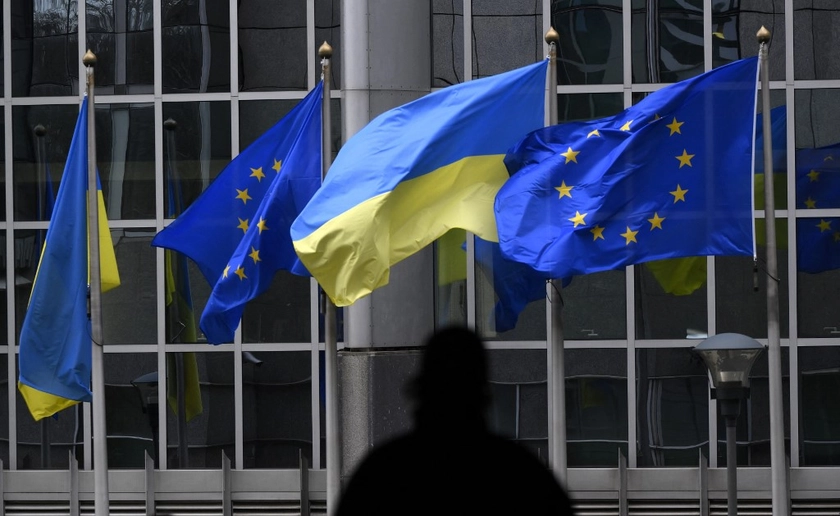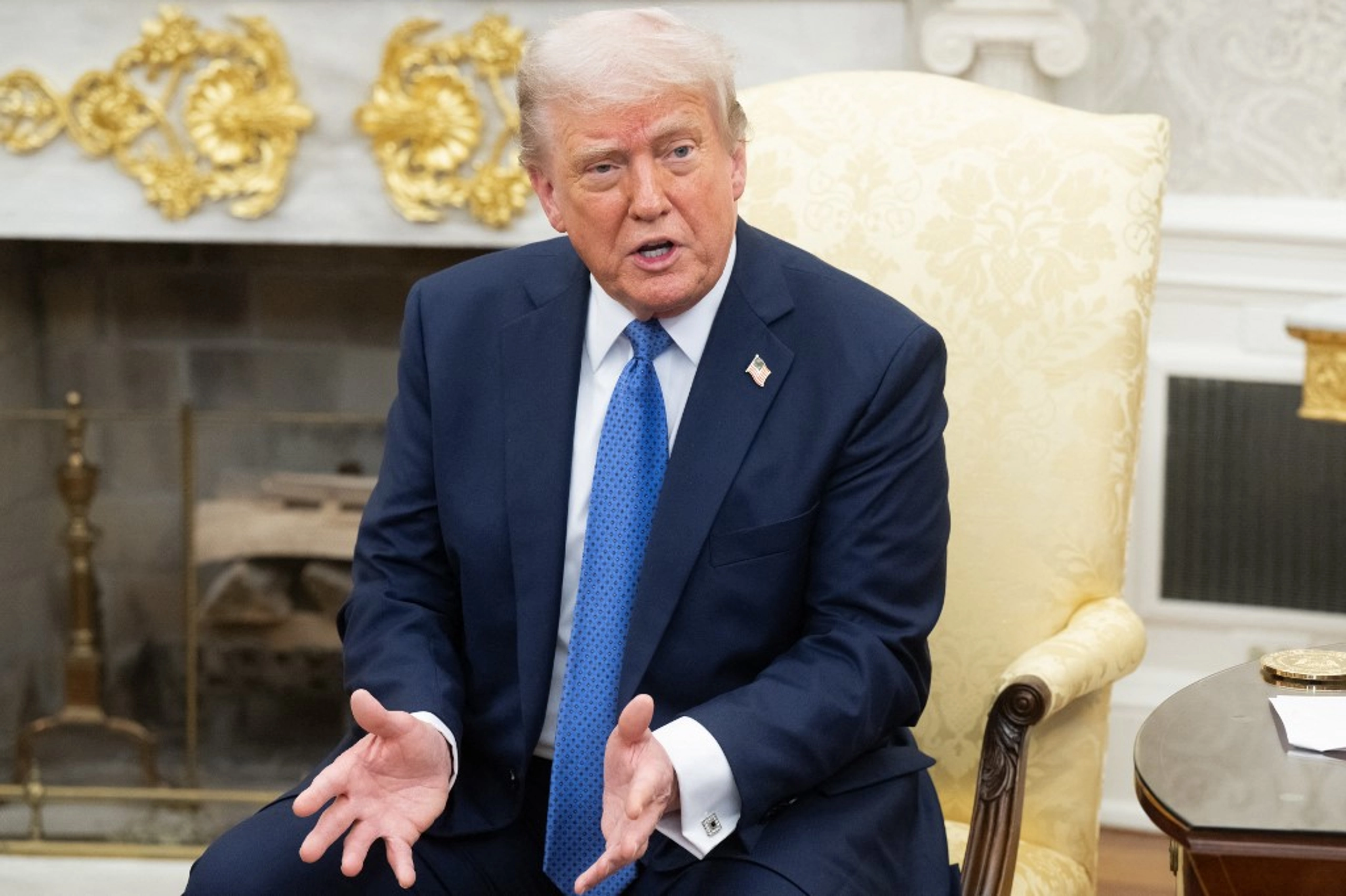
US President Donald Trump discussed aid and support for Ukraine, sanctions on Russia, and ending the war in an interview with The Atlantic published on Monday, April 28.
The Atlantic’s editor-in-chief, Jeffrey Goldberg, was at the center of the Trump administration’s Signal scandal when the former was invited by top officials in a private chat on Yemen war plans by mistake.
JOIN US ON TELEGRAM
Follow our coverage of the war on the @Kyivpost_official.
Despite the fallout with the publication, Trump had invited Goldberg to attend the interview alongside his colleagues after numerous cancellations and rescheduling, according to Goldberg.
Here is what Trump told The Atlantic about his positions on Ukraine, along with background information on each statement.
‘Weapons With Sanctions’
At the interview, Goldberg asked Trump if he ever envisioned a situation where the US would bolster weapons aid for Ukraine after mentioning Trump’s recent remarks asking Moscow to halt attacks on civilian targets in Ukraine.
Trump dodged the question by saying, “it can be weapons with sanctions,” without addressing whether he envisioned such a situation.
“Doesn’t have to be weapons. There are many forms of weapons. Doesn’t have to be weapons with bullets. It can be weapons with sanctions. It can be weapons with banking. It can be many other weapons,” Trump said.
At present, the current Trump administration has not applied any of the options.
In terms of weapons aid to Ukraine, Trump has thus far not approved any new weapon sales to Kyiv.
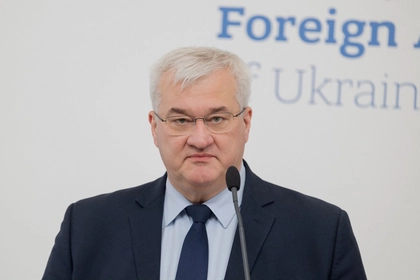
Kyiv Weighs Participation in Gdańsk Recovery Conference
-
During his first term, Trump approved the sale of Javelin anti-tank missiles to Ukraine (which he also told Goldberg) but has not publicly approved new aid or sales to Ukraine after his return to office.
-
Trump was also criticized for stalling the $61 billion aid in 2024 and briefly halting intelligence sharing and weapon deliveries to Ukraine after a fallout with Ukrainian President Volodmyr Zelensky this year.
-
Zelensky also said he voiced a desire to purchase 10 Patriot air defense systems to Trump, from whom he had received no answers so far.
Advertisement
In terms of sanctions on Russia, Trump has not imposed new ones after his return to office but did prolong some of the sanctions policies of his predecessor.
-
The Trump administration did not extend General License 8 after an expiry deadline set by former President Joe Biden, in effect terminating limited business with Russia’s energy sector.
-
Reports also suggest that Trump might lift some sanctions in an attempt to entice Moscow to negotiate.
On Ukraine’s side or Zelensky’s side
Goldberg then asked Trump if Russian leader Vladimir Putin could do something that would make him be “on Zelensky’s side,” to which he again dodged the question by saying, “Not necessarily on Zelensky’s side, but on Ukraine’s side” without addressing what potential actions by Putin could prompt such reaction.
“Yeah. But not necessarily on Zelensky’s side. I’ve had a hard time with Zelensky. You saw that over here when he was sitting right in that chair, when he just couldn’t get it,” Trump said.
“All he had to do is be quiet, you know? He won his point. He won his point. But instead of saying ‘Okay’ when I made the statement, I said, ‘Well, we’re working to get it solved. We’re trying to help.’ He said, ‘No, no, we need security too.’ I said, ‘Security?’” Trump added, referring to his infamous clash with Zelensky on Feb. 28.
Trump has made similar statements that he supports Ukraine, just not Zelensky – but the security issues raised by Zelensky concern the entirety of Ukraine, including those who did not vote for him.
Trump and his officials have previously argued that economic interests alone, via the resource deal, could deter future Russian aggression, though US investments before the 2022 invasion had failed to deter Moscow.
Ukraine is no stranger to treaties and memoranda, including the Budapest Memorandum, which should have guaranteed Ukraine’s territorial integrity in exchange for nuclear weapons, but has failed to safeguard the nation’s interests – also why security guarantees remain the key agenda for Zelensky.
False aid claim
Then Trump reiterated the false claim that the US had given Ukraine $350 billion to fend off Russia.
“I actually said, ‘I don’t even know if we’re gonna be able to end [the war].’ You know, he was talking about security after. After. And then he made the statement, something to the effect that they fought it alone, they’ve had no help. I said, ‘Well, we’ve helped you with $350 billion, and Europe has helped you with far less money,’ which is another thing that bothers me,” Trump said.
An official US agency auditing aid to Ukraine said the total aid from Washington amounts to around $183 billion between 2022 and 2024.
Europe has also overtaken the US in total aid to Ukeaine, encompassing financial, military, and humanitarian assistance, according to the director of the Research Center International Finance at the Kiel Institute, Christoph Trebesch.
That said, Ukrainian Prime Minister Denys Shmyhal said the Trump administration had agreed to omit repayment terms from the resource deal, effectively acknowledging some of the previous aid as grants, not loans as Trump had claimed.
You can also highlight the text and press Ctrl + Enter

Kremlin Signals Readiness for Talks on Ukraine