


EN

EN


EN
Stay on top of Russia-Ukraine war 03-09-2025 developments on the ground with KyivPost fact-based news, exclusive video footage, photos and updated war maps.
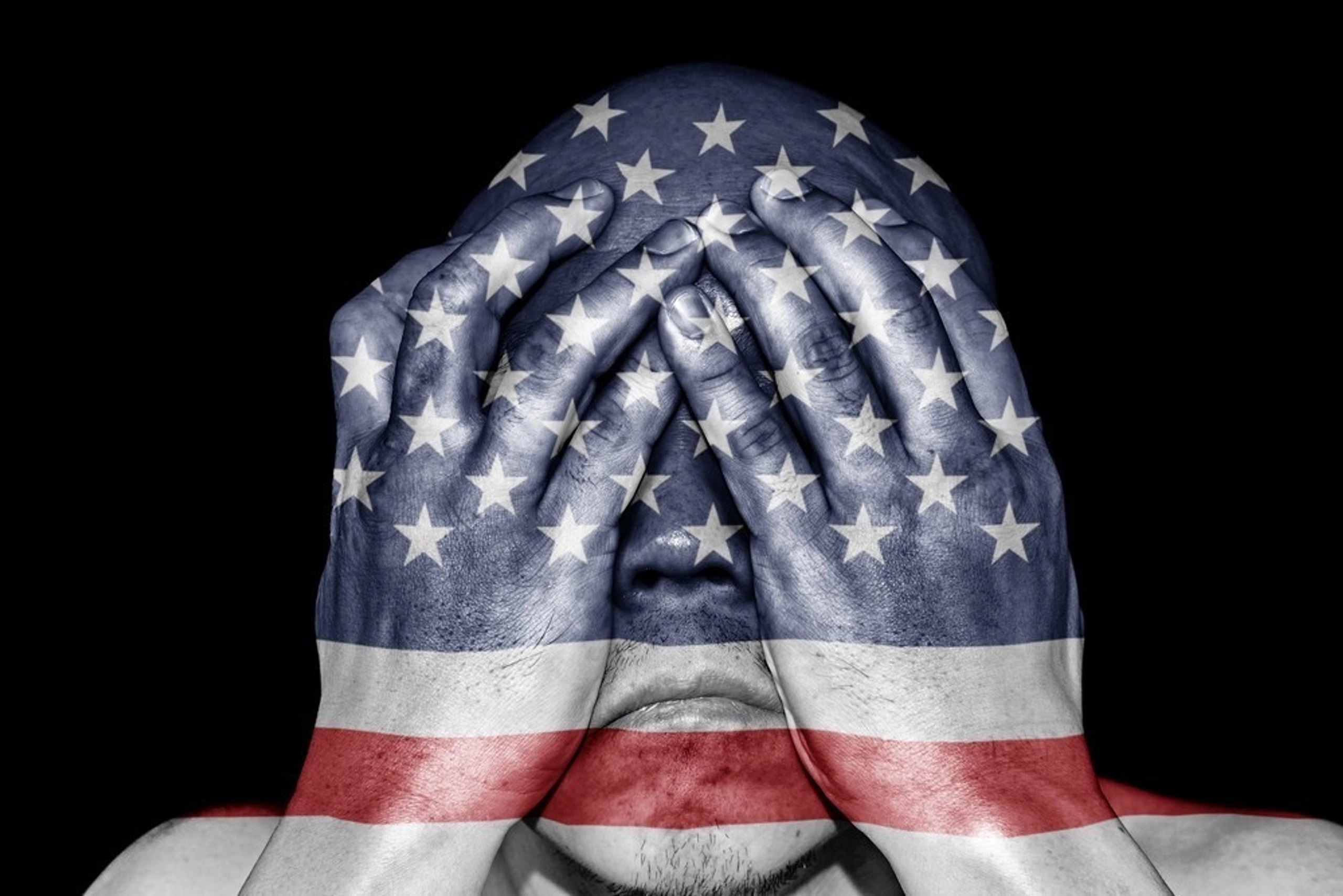
Our response? Incredulity. Disgust. Anger. Determination.
For friends of the US around the world, Donald Trump is turning America the Beautiful into America the Horrible. At least for now.
Four stages of grief for a lifelong America-lover and Euro-Atlanticist: incredulity, disgust, anger, determination.

Stunned by the actions of the Trump administration, France and Germany are exploring ways to bolster Europe’s nuclear deterrence.
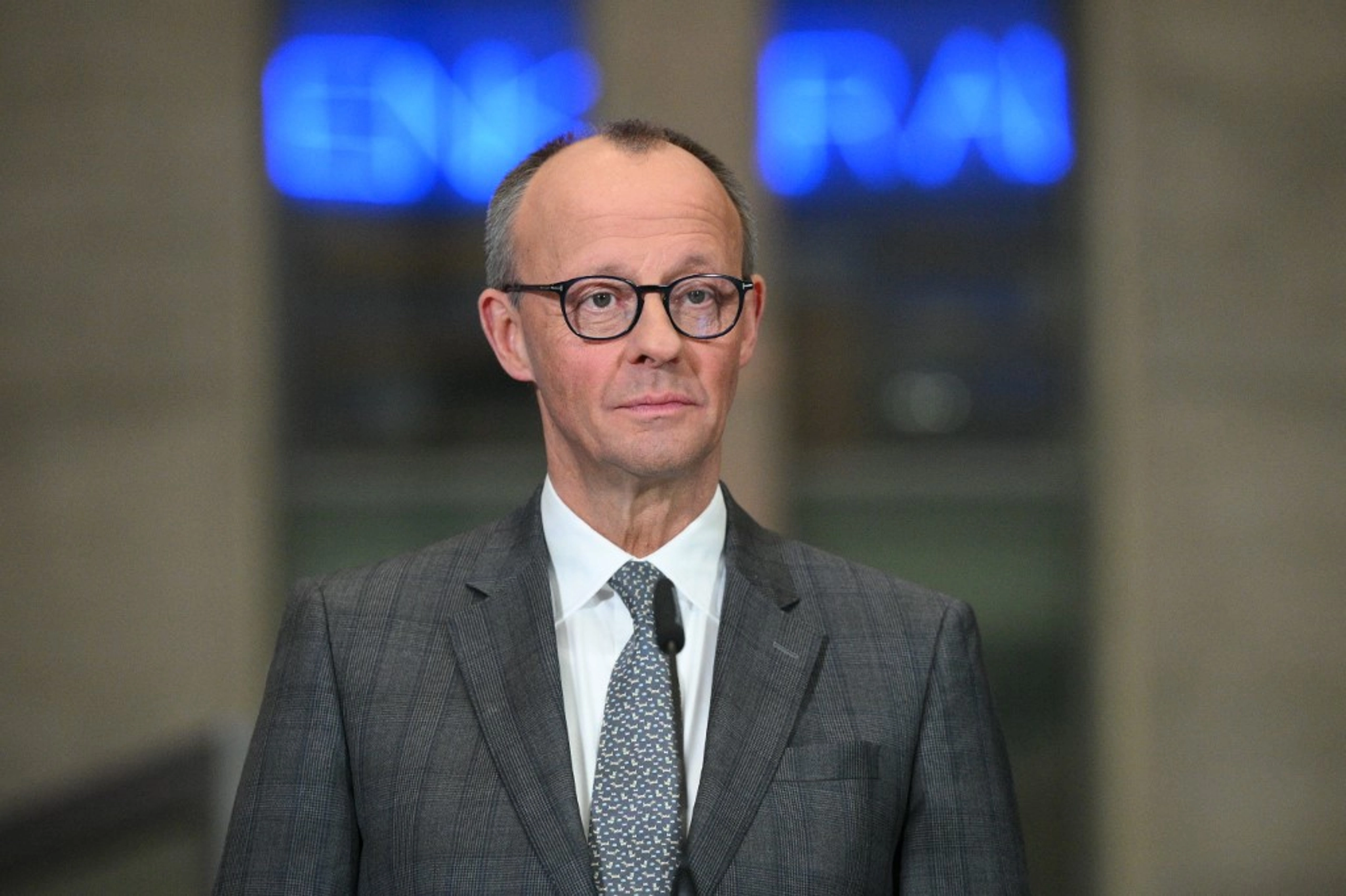
Germany’s Friedrich Merz on Sunday reiterated that he was open to France extending its nuclear deterrent in Europe, as the continent seeks to respond to US President Donald Trump’s upending of the transatlantic alliance.
“We simply must become stronger together in nuclear deterrence in Europe,” Merz, expected to become Germany’s next chancellor after his conservatives won last month’s elections, said in an interview with Deutschlandfunk radio.
The future of 240,000 Ukrainian refugees currently residing in the US is looking increasingly uncertain.
A Reuters report suggesting that US President Donald Trump’s administration will revoke the legal status of some 240,000 Ukrainian refugees has been denied. White House Press Secretary Karoline Leavitt branded the story “fake news” but added “no decision has been made at this time” – a troubling caveat for those facing the prospect of deportation.
Initially, the Biden-era Uniting for Ukraine (U4U) program was a humanitarian initiative offering refuge for victims of Russia’s war against Ukraine. According to American Ukrainian demographer Professor Oleh Wolowyna, the majority of these newcomers are Ukrainian rather than Russian-speaking migrants. Younger women outnumber men in most age groups, and this cohort includes many children. Most people have settled in major metropolitan areas, including New York, Chicago, Seattle, Cleveland, and Philadelphia.

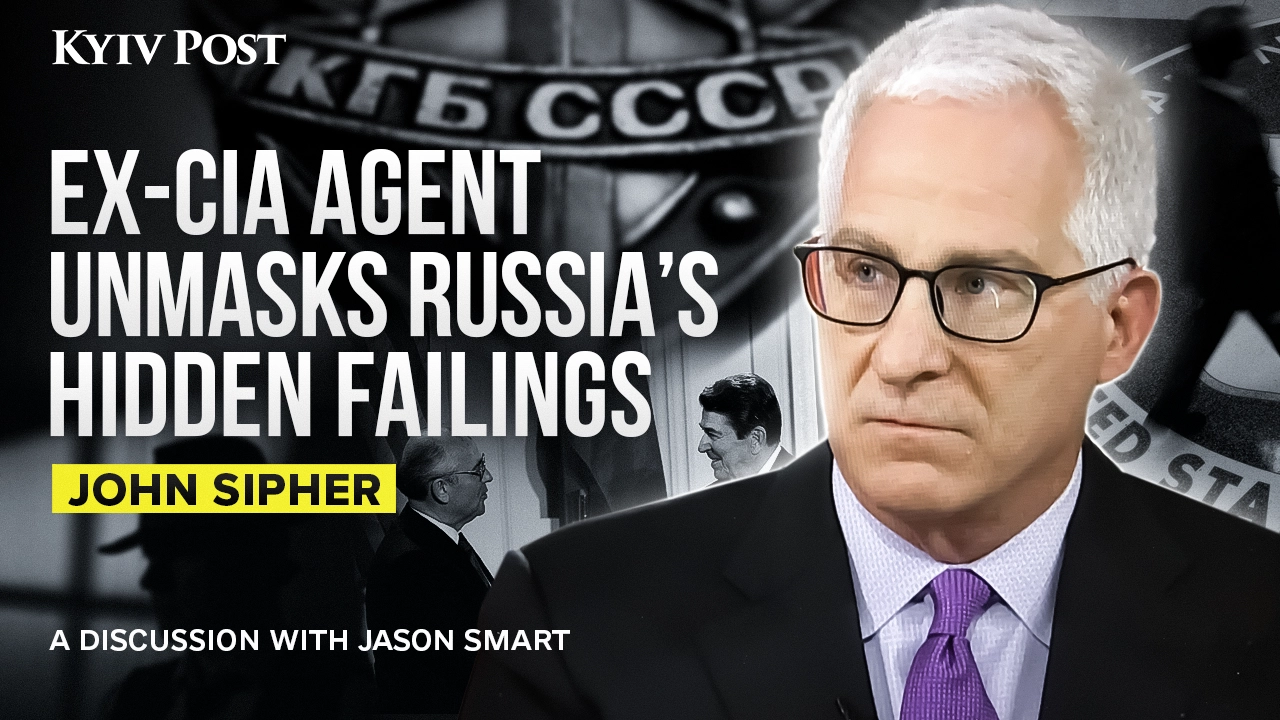
Former CIA insider John Sipher, a 28-year veteran and Russia expert with deep ties to Moscow, drops explosive revelations about the collapse of Russian intelligence.
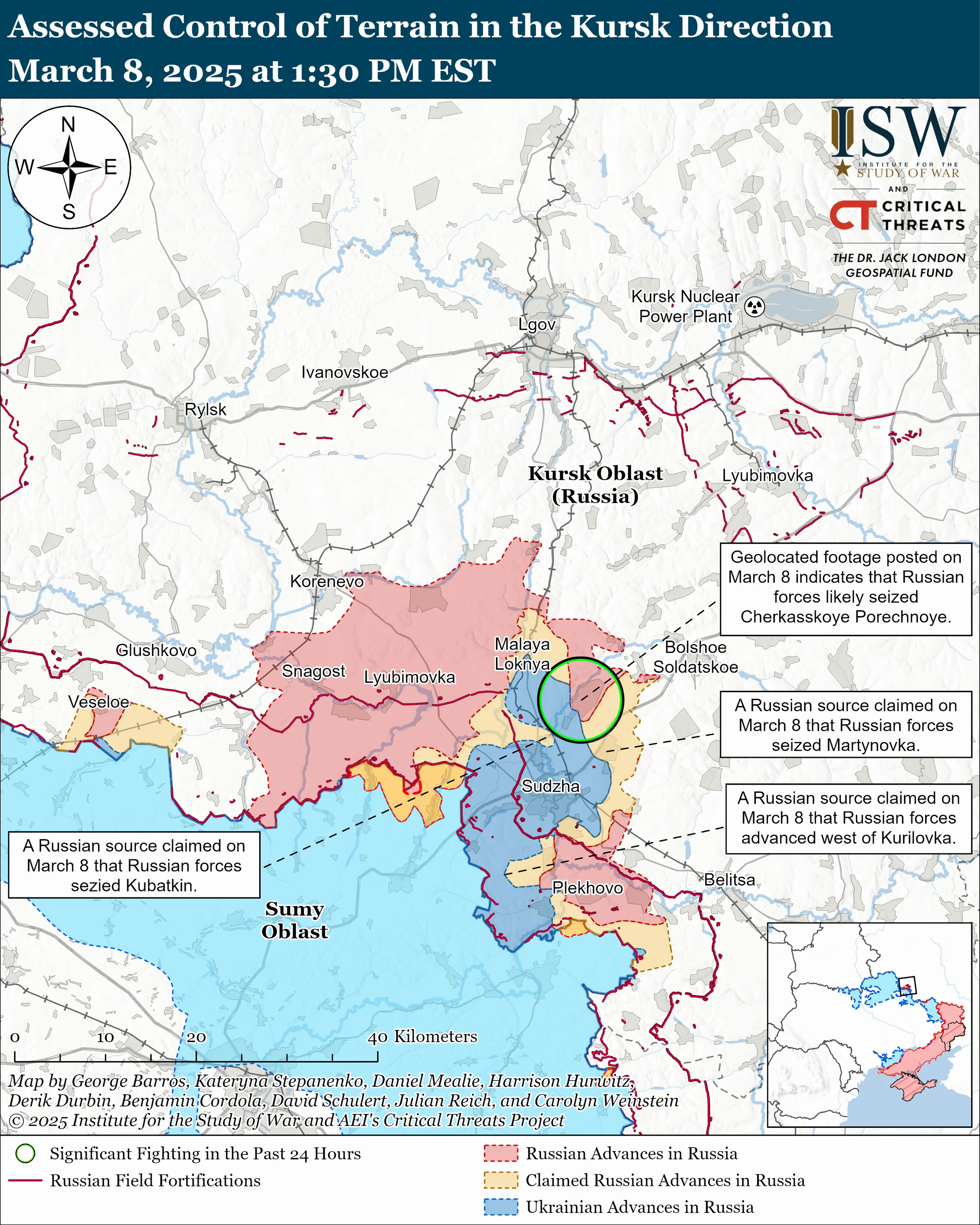
Russia says it captured a village in Ukraine’s Sumy region for the first time since 2022, while Kyiv denies a major breakthrough.
Russia on Sunday announced a cross-border offensive had captured territory in Ukraine’s Sumy region for the first time since 2022 as Kyiv struggles to hold onto territory in Russia’s neighbouring Kursk region.
Russia also claimed a new village in the Kursk region as its troops pushed on against Ukrainian soldiers who had seized territory there.

If those who do not study history are indeed doomed to repeat it, then it would be wise for American leaders to bear in mind the trajectory of Athenian democracy in the Classical Age.
In recent times, an increasing number of Washington DC denizens hoping to justify the Trump Administration’s apparent embrace of Vladimir Putin and his “version of the Russo-Ukrainian War” have turned to the “realist theories” of international relations student John Mearsheimer – notions ostensibly culled from the ancient Athenian chronicler Thucydides and his “History of the Peloponnesian War,” though colored in the hues of a darker amoral “life in its natural condition is nasty, brutish and short” paradigm of human relations first formulated by English political theorist Thomas Hobbes.
According to Mearsheimer’s take on Thucydides (done through the observed Hobbesian prism), “states – especially great powers – are always thinking about how to survive because there is no supranational institution to protect them.” In other words, there is nothing to provide them with security at the international level. “This anarchic system creates conditions for states to seek more power. The best way for a state to survive is to become a hegemon. Although global hegemony is the goal, there are powerful forces mitigating any state from achieving it, so most great powers strive for regional hegemony (at the very least).”
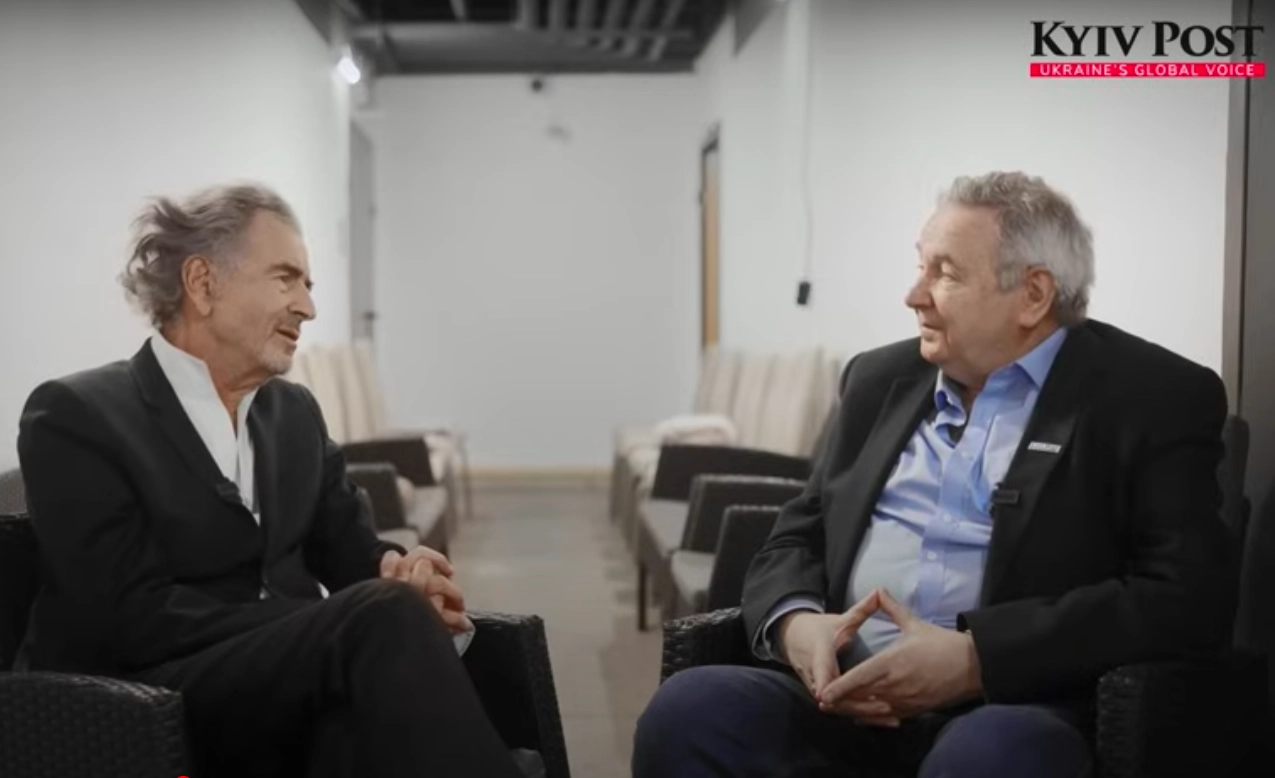
Abridged transcript of an exclusive video interview given earlier this month by the French public intellectual Bernard-Henri Levy (BHL) to Kyiv Post’s Chief Editor, Bohdan Nahaylo.
BN: It’s an honor to have you talk to us at Kyiv Post here in a typical Ukrainian setting – an air raid shelter in Kyiv. You’ve come specifically for an important international film festival dealing with documentaries and the war. Your general impressions as the head of the jury?
BHL: And it’s an honor for me to head this jury. It’s a great festival. There are great films, and you have in Ukraine an incredible school of documentary makers. Really great quality – and I know little about documentaries – and what I discovered watching all these well, 13, 14, I don’t remember how many, documentary movies, is that you have not only the best army in Europe, you also have maybe, among the best documentary makers in Europe, too. And it’s a great idea of President Zelensky and of Andriy Yermak to have wanted such a festival. It’s a brilliant idea. I’m very happy to be part of it.

This week, Russia hit Ukraine with 1,200 bombs, 870 drones, and over 80 missiles, while Zelensky urged tougher sanctions on foreign parts in these weapons.
Throughout this week, Russia has carried out hundreds of attacks against Ukraine using various types of weapons, including around 1,200 guided aerial bombs, nearly 870 attack drones, and over 80 missiles of different types.Ukrainian President Volodymyr Zelensky announced this on Telegram, according to Ukrinform.He said that every Shahed drone and aerial bomb Russia uses contains components supplied in circumvention of sanctions. These weapons include more than 82,000 foreign components.Zelensky said that every day, Ukraine works with its partners to ensure that decisions are made to provide life-saving support, including air defense systems, investments in Ukraine’s defense production, and the strengthening of sanctions against Russia.
The president reaffirmed that Ukraine continues efforts to bring a just peace closer and ensure reliable security guarantees.

Ukraine must prepare for a prolonged struggle for security and sovereignty, while shaping the conditions for a just and lasting peace.
As the war enters another critical phase, Ukraine faces a rapidly shifting geopolitical landscape. The pause in US military aid, the prospect of sanctions relief for Russia, and divisions within Europe present both challenges and opportunities.
Ukraine’s strategy must now be built on three key pillars: military resilience, diplomatic leverage, and economic sustainability. Kyiv must ensure that it dictates the terms of engagement—on the battlefield, in negotiations, and in long-term security agreements.

Is Washington’s decision to halt sharing of critical intel with Ukraine, including high-res satellite imagery from Maxar and sensitive insights to Five Eyes partners, the beginning of NATO’s end?
Despite being a private entity, Maxar remains subject to strict US export regulations that govern the transfer of defense-related technology. If US President Donald Trump chooses to withhold intelligence, that choice effectively overrules any commercial or contractual arrangements the company might have.
This circumstance is not unique to the US. In the UK, for example, BAE Systems would immediately be stopped by the government if it attempted to sell Challenger 2 tanks to a third party. Just as British laws can curtail private defense firms, so too can US legislation override Maxar’s commercial decisions. Even in modern democracies, private or public ownership of a defense contractor is irrelevant when national security regulations are invoked.
Elon Musk stated that Starlink is crucial for Ukraine’s army and claimed the frontline would collapse without it.
Billionaire Elon Musk stated that his Starlink satellite system is critically important for the Ukrainian army and that if he were to shut it down, Ukraine’s front line would collapse.
“I literally challenged Putin to one-on-one physical combat over Ukraine, and my Starlink system is the backbone of the Ukrainian army. Their entire front line would collapse if I turned it off,” Musk wrote on his social media platform X.

Why the outlook is grim, unless Europe finally gets its act together.
Volodymyr Zelensky’s recent high noon show down in the Oval Office appears to have been a light bulb moment for Ukraine but also for Europe.
For Ukraine I think the penny finally dropped that the US is no longer its ally in its war for survival against Russia. Indeed, after the showdown in the Oval Office, and events since (arms and intelligence support from the US suspended), I think there are even well-grounded fears that the Trump administration might actually be on the other side. On the side of Russia, the aggressor.
A watershed moment in geopolitics is evolving into an existential choice for Zelensky. Does he bow down to Trump doing Putin’s bidding, or will he bet on a resurgent Europe to support Ukraine?
Ukraine is at an existential crossroads. President Donald Trump’s war on Ukrainian President Volodymyr Zelensky shows no signs of abating.
Kyiv, as a result, is facing a stark choice. Capitulate to Trump – and by extension Russian President Vladimir Putin – or pivot toward building a European coalition of the willing to continue fighting on to expel the Russian invader.

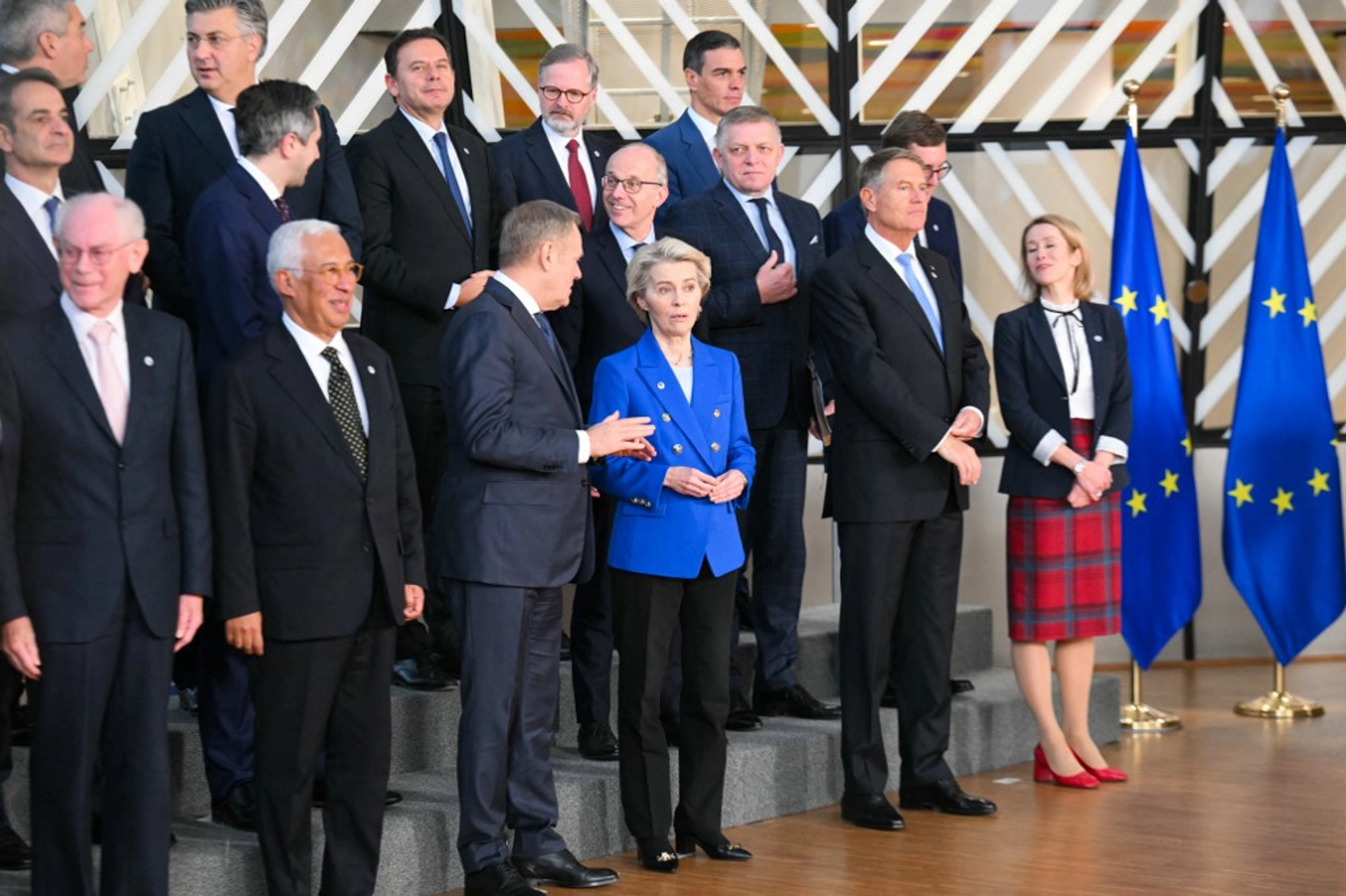
The full EU27 agreed conclusions on defence – but Hungary’s Viktor Orbán refused to back common language on support for Ukraine.
EU leaders endorsed a landmark €150 billion defence spending plan at their highly-anticipated emergency summit on Thursday, while Hungary’s Viktor Orbán refused to back a statement of support for Ukraine.
All 27 EU countries agreed to consider “as a matter of urgency” European Commission President Ursula von der Leyen’s plan to issue €150 billion in fresh loans to boost defence spending, paving the way for the Commission to put a concrete proposal on the table by the next summit in two weeks’ time.
Russia launched 119 attack drones on Ukraine overnight, with 73 shot down and 37 lost, as strikes hit multiple regions.
Russia launched 119 attack drones against Ukraine overnight, with 73 successfully shot down, while 37 were deemed “locationally lost,” Ukraine’s Air Force reported on Sunday morning, March 9.
The drone attack targeted Donetsk, Kharkiv, Poltava, Cherkasy, Sumy, and Zaporizhzhia regions. Ukrainian aviation, air defense missile units, electronic warfare teams, and mobile fire groups from the Air Force and Defense Forces worked to repel the assault.

The eight Nordic and Baltic countries have agreed to increase military aid to Ukraine after the U.S. pulled its support earlier this week.
The eight Nordic and Baltic countries have agreed to increase military aid to Ukraine after the U.S. pulled its support earlier this week, Denmark’s defense minister said on Saturday.
The White House announced on Monday that it had suspended all military aid to Ukraine, including weapons in transit, to put pressure on Kyiv to reach a peace deal with Russia.
Donald Trump claims a close connection with Vladimir Putin, sees him as a strong leader, and believes he wants peace in Ukraine, but experts argue he overestimates their relationship.
In the fiery spat between Donald Trump and Ukrainian President Volodymyr Zelensky, it was a sentence that went largely unnoticed, but said quite a lot about the closeness the US leader thinks he has with Russia’s Vladimir Putin.
“Let me tell you, Putin went through a hell of a lot with me,” Trump said on February 28 in the unprecedented and very public Oval Office clash.

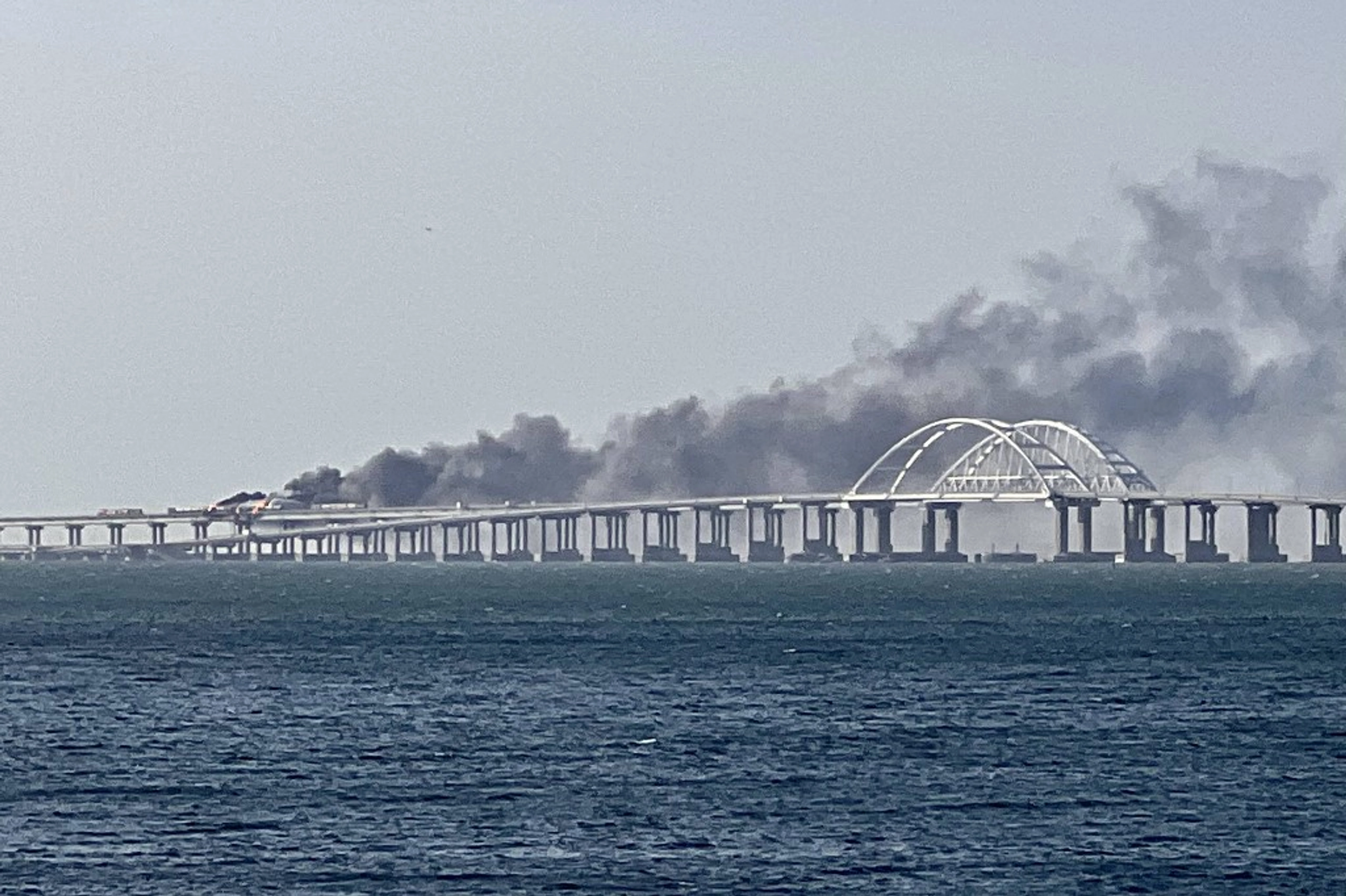
Ukraine’s Navy Commander Neizhpapa said Kyiv is preparing a third strike on the Crimean Bridge, as previous attacks have already weakened it and disrupted Russian supply lines.
Commander of the Ukrainian Navy, Oleksiy Neizhpapa, stated that Ukraine is preparing to strike the Crimean Bridge again – a nearly 19-kilometer structure connecting Russia to its annexed Crimea.
“The Russians understand we are actively discussing a third operation. There is a saying: ‘God loves a trinity,’” Neizhpapa told The Guardian.
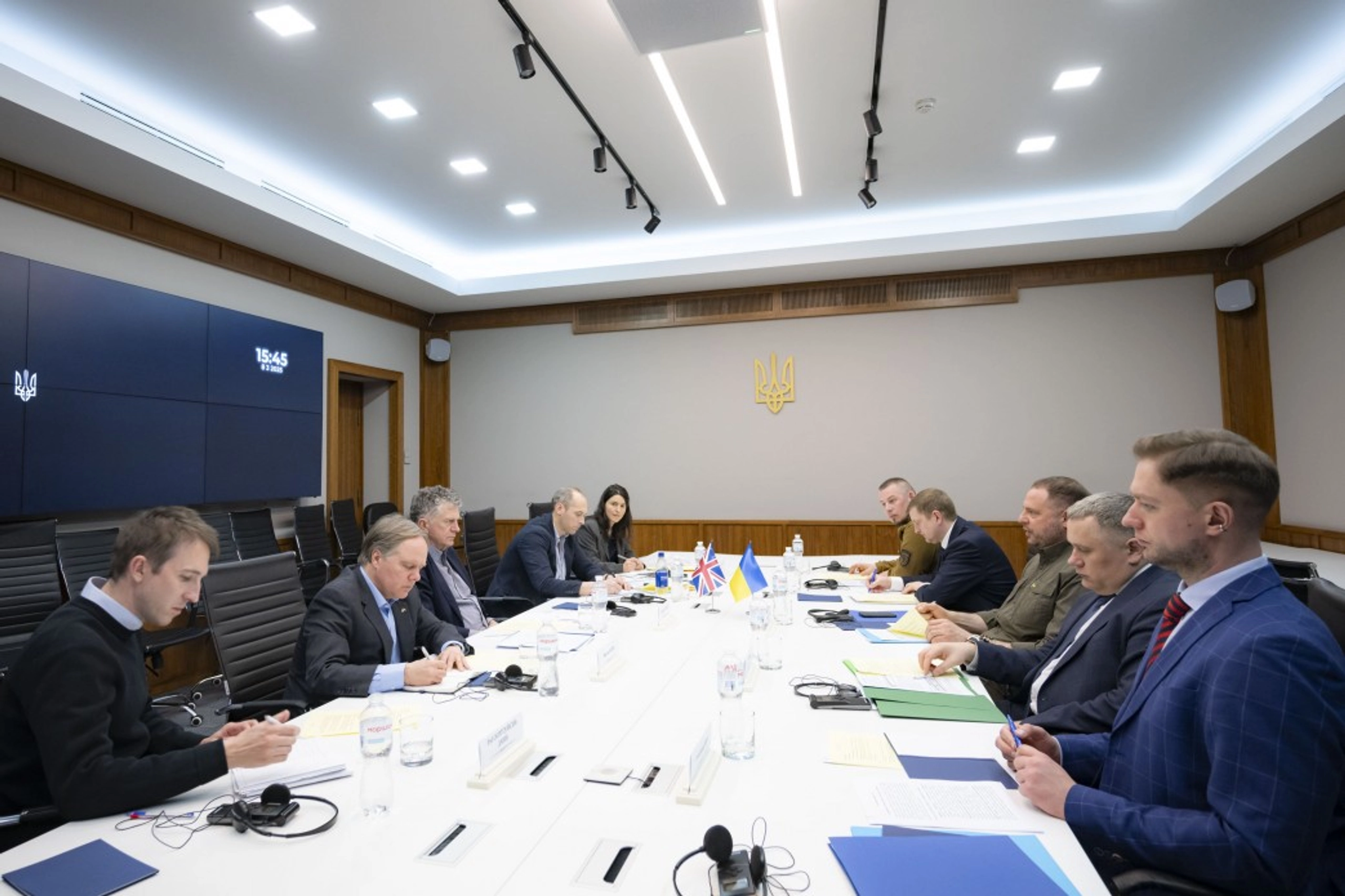
Ukraine’s Andriy Yermak met with UK advisor Jonathan Powell in Kyiv to discuss peace steps, a possible ceasefire, and stronger defense support.
The Head of the Office of the President of Ukraine, Andriy Yermak, during a Kyiv meeting with the National Security Advisor to the UK Prime Minister, Jonathan Powell, discussed first steps toward achieving an just and lasting peace, as well as conditions for a possible ceasefire.
That’s according to the President’s Office, Ukrinform reports.

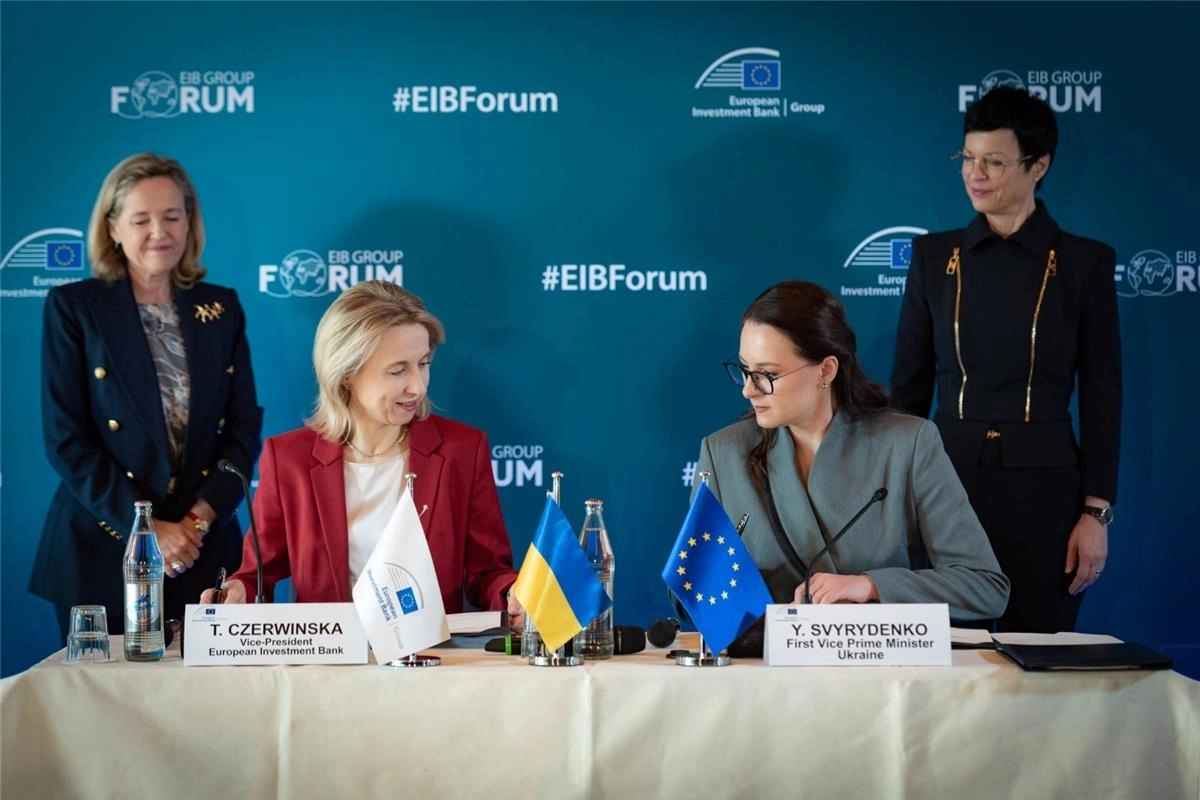
The European Investment Bank will allocate $2.2 billion for energy, transport and municipal infrastructure, damaged by Russia’s war.
The European Investment Bank (EIB) and European Commission have signed a €2 billion ($2.2 billion) guarantee agreement, allowing the bank to finance urgent recovery projects in Ukraine under the EU’s financial assistance program, the Ukraine Facility. Ukraine’s government reported this information on its website on Thursday.
Under the Ukraine Facility, the EU will allocate €50 billion ($54.3 billion) to finance Ukraine’s state budget and stimulate investments from 2024 to 2027.
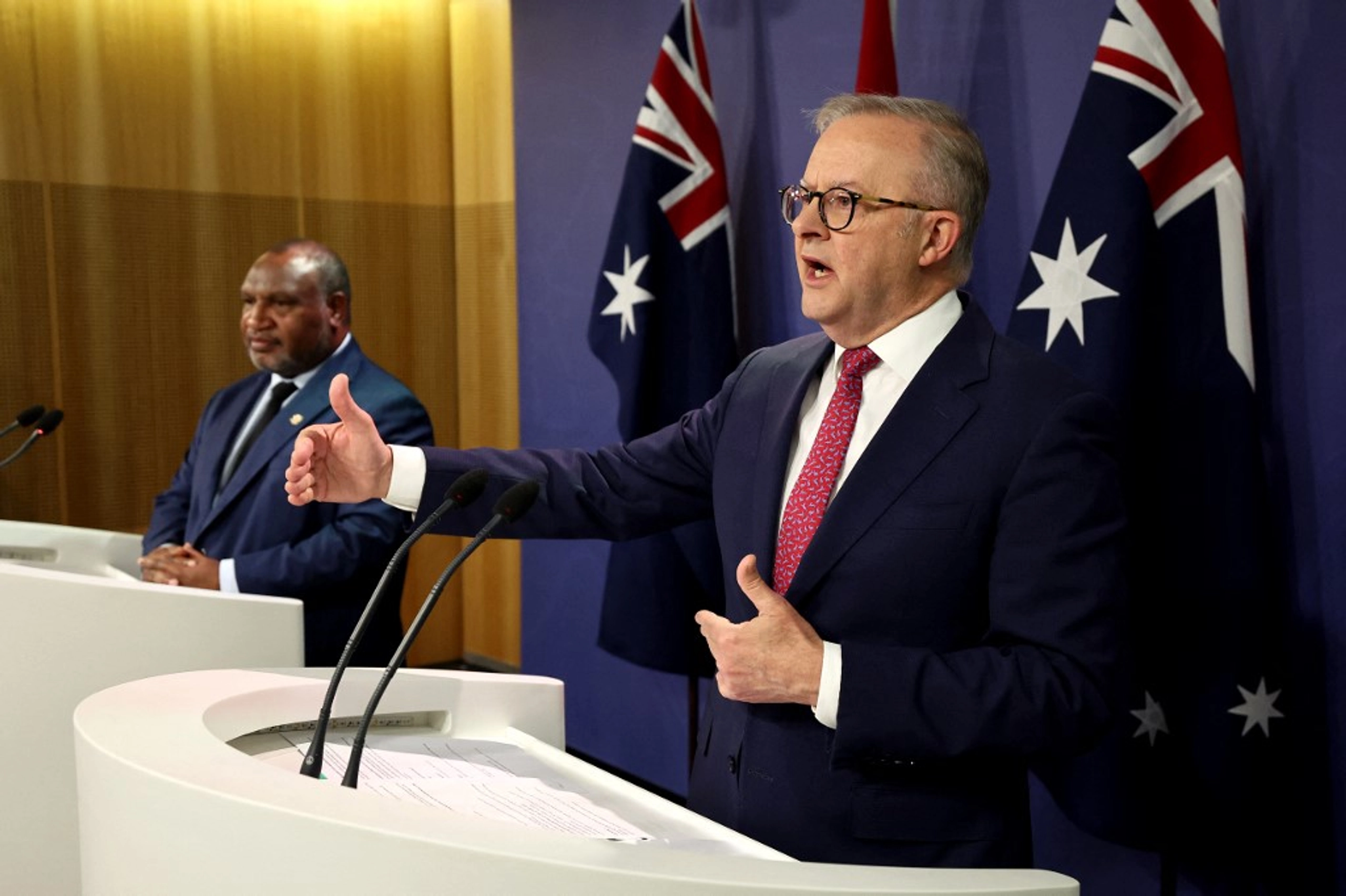
Australia’s Prime Minister Anthony Albanese said the country may join a peacekeeping mission in Ukraine but it’s too early for deployment.
Australia’s Prime Minister Anthony Albanese said Sunday his country would consider taking part in a peacekeeping mission in Ukraine but stressed it was too early for any deployment.
The Australian leader spoke Saturday with British Prime Minister Keir Starmer, who has joined France in trying to rally a “coalition of the willing” to protect any ceasefire in the Russia-Ukraine war.

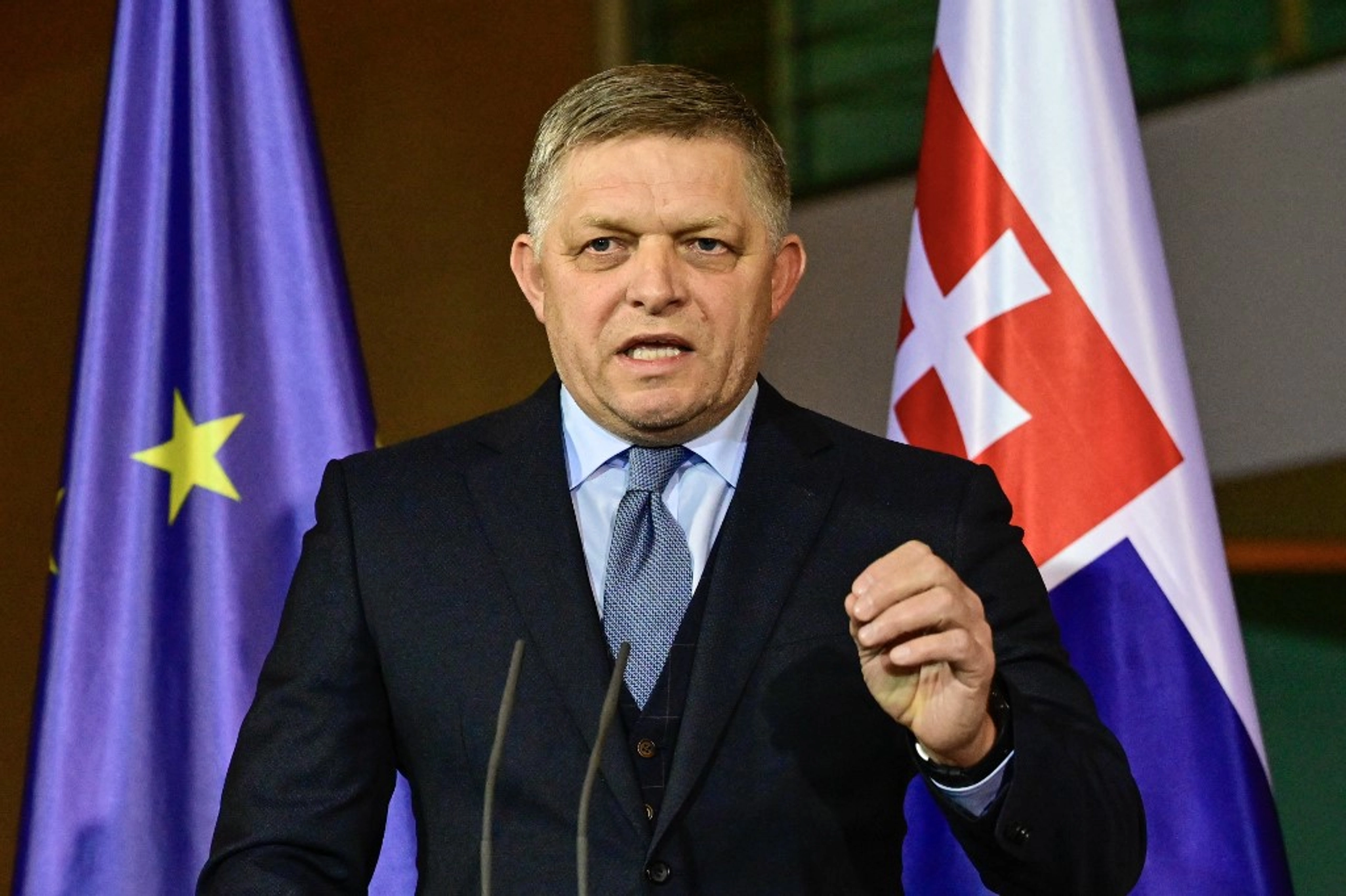
Once a leader who championed Slovakia’s entry into the European Union, Fico has dramatically shifted toward a pro-Moscow stance, sparking widespread concern about the nation’s future.
In early 2025, Slovakia faced mass protests as citizens voiced their discontent over Prime Minister Robert Fico’s growing ties with Russia. Once a leader who actively supported Slovakia’s accession to the EU, Fico has now taken a significant pro-Moscow turn, raising serious concerns about the country’s future direction.
Many are questioning how a politician, once viewed as a pro-European reformer, has become a figure of controversy, with the possibility of his resignation approaching – an event that would mean the second downfall of his political career.

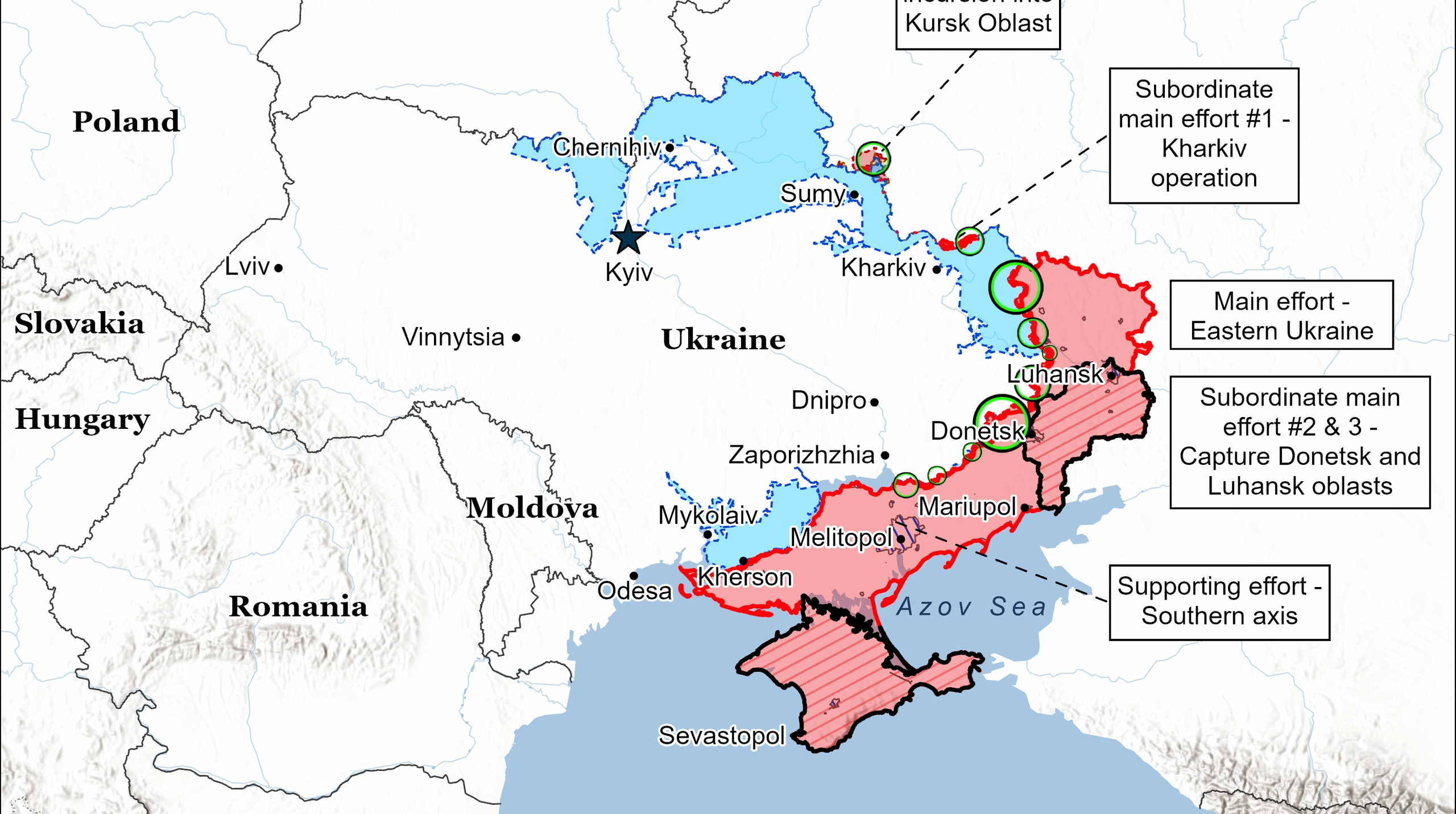
Latest from the Institute for the Study of War.
Key Takeaways from the ISW: