


EN

EN


EN
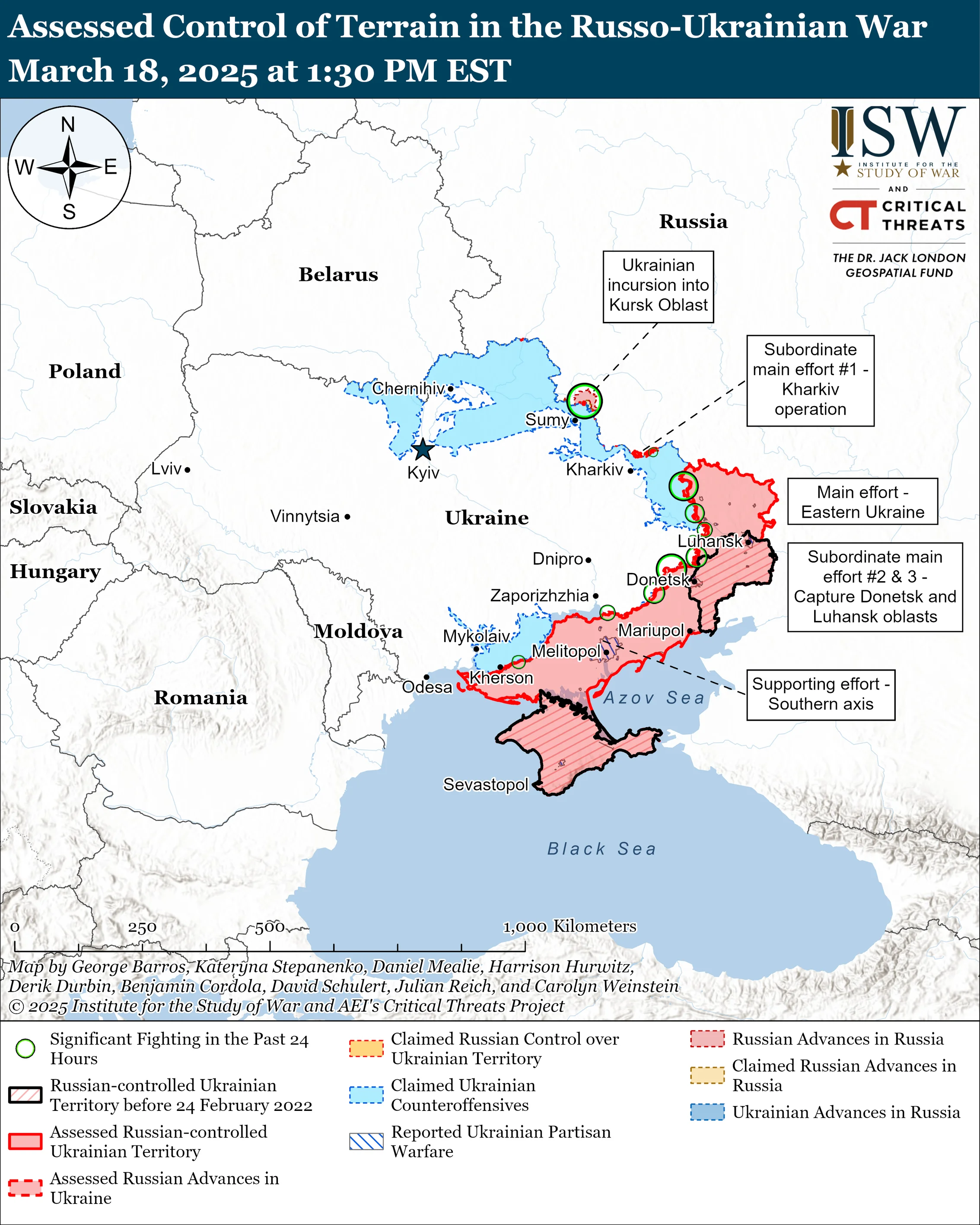
Stay on top of Russia-Ukraine war 03-19-2025 developments on the ground with KyivPost fact-based news, exclusive video footage, photos and updated war maps.
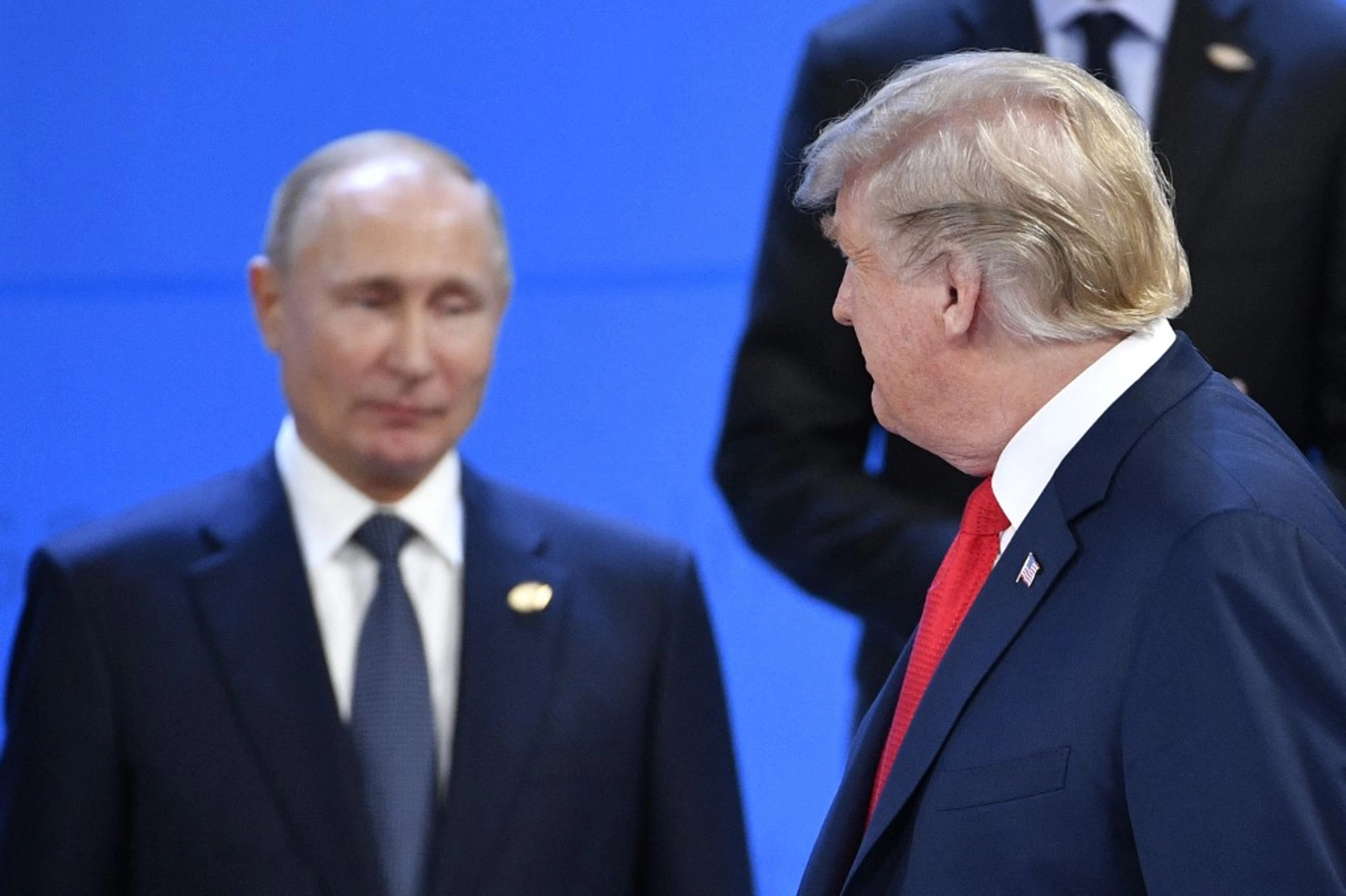
The call took place a day after Trump’s phone call with his Russian counterpart, during which the latter rejected a total truce but ostensibly agreed to a ceasefire on energy infrastructure.
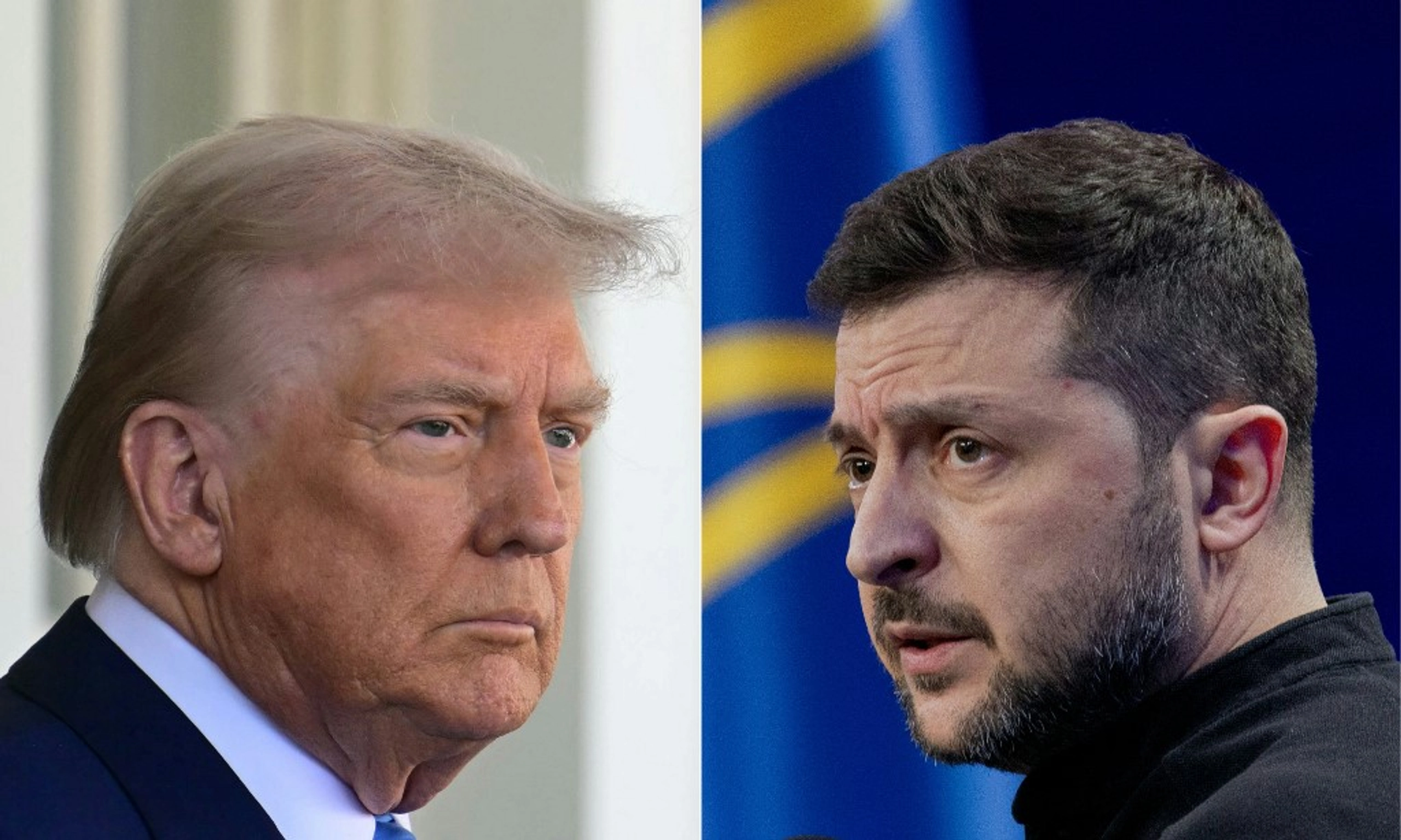
US President Donald Trump described his Wednesday phone call with Ukrainian President Volodymyr Zelensky as “very good.”
The call lasted approximately one hour and touched on a US-proposed ceasefire and Russian leader Vladimir Putin’s response based on Trump’s call a day prior with Putin. Putin rejected a total truce but ostensibly agreed to a ceasefire on energy infrastructure, according to Trump’s Truth Social update.

The world’s third-largest economy is about to be turned loose on defense. Kyiv is slotted for beefier support, but Germany’s giant rearmament plan is about Russia not just Ukraine.
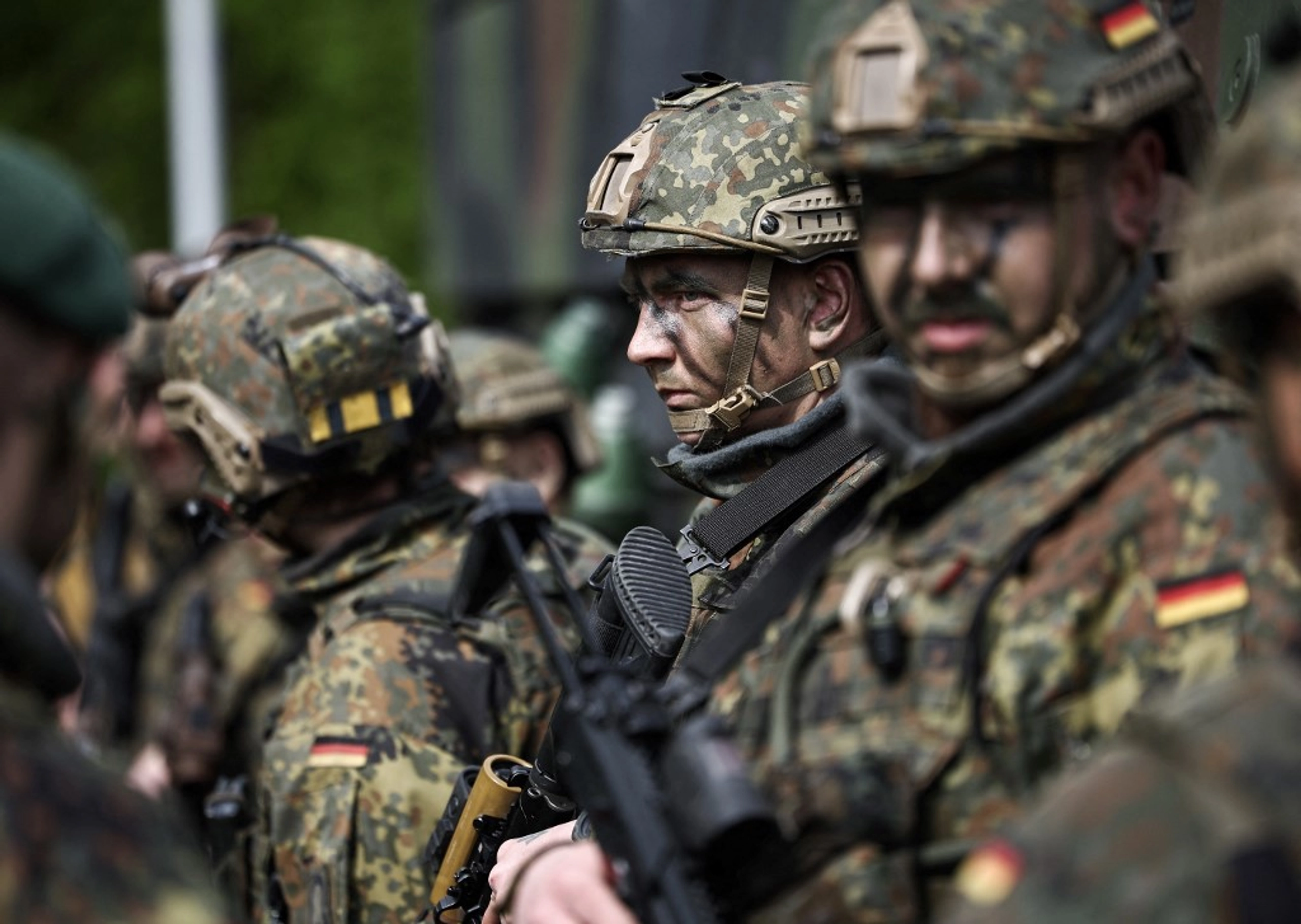
Lawmakers in Germany’s lower legislative house, the Bundestag, on Wednesday approved a massive defense spending bill that could put Germany on the path of rivaling Russia for military dominance of the continent.
The ultimate size of the pot of German taxpayer money now freed up for more German combat units, equipment, intensified training, and increased armaments production and assistance to Ukraine is tied to state borrowing limits linked to the size of Germany’s approximate $4.7 trillion GDP.

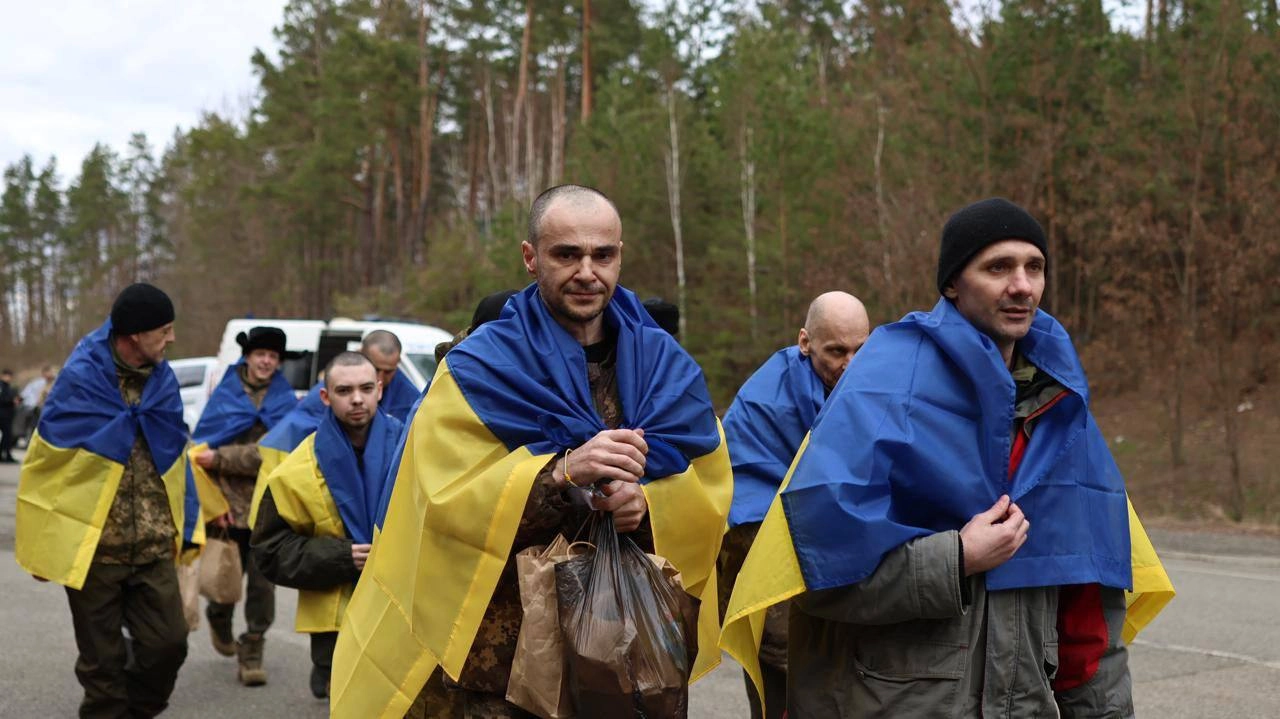
Ukraine secured the return of 175 of its POWs, including 22 outside of exchanges, as part of a prisoner swap following “the call.”
Another 175 Ukrainians held by Russia returned home, President Volodymyr Zelensky announced Wednesday.
“Another 22 defenders are coming home through measures outside of exchanges. Among them are severely wounded soldiers and warriors whom Russia prosecuted for fabricated crimes. All of them will immediately receive the necessary medical and psychological assistance,” Zelensky said.
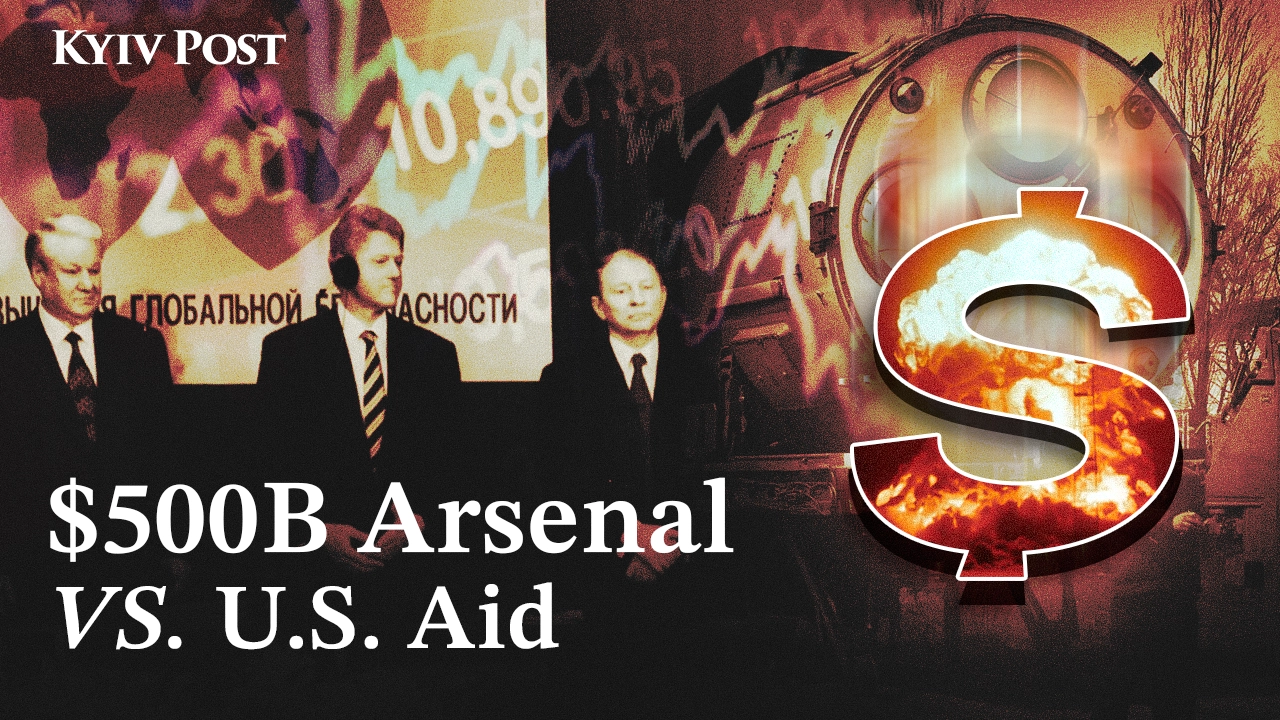
In 1994, Ukraine gave up the world’s third-largest nuclear arsenal in exchange for security guarantees. Today, it fights for survival with Western military aid that’s ever in peril.
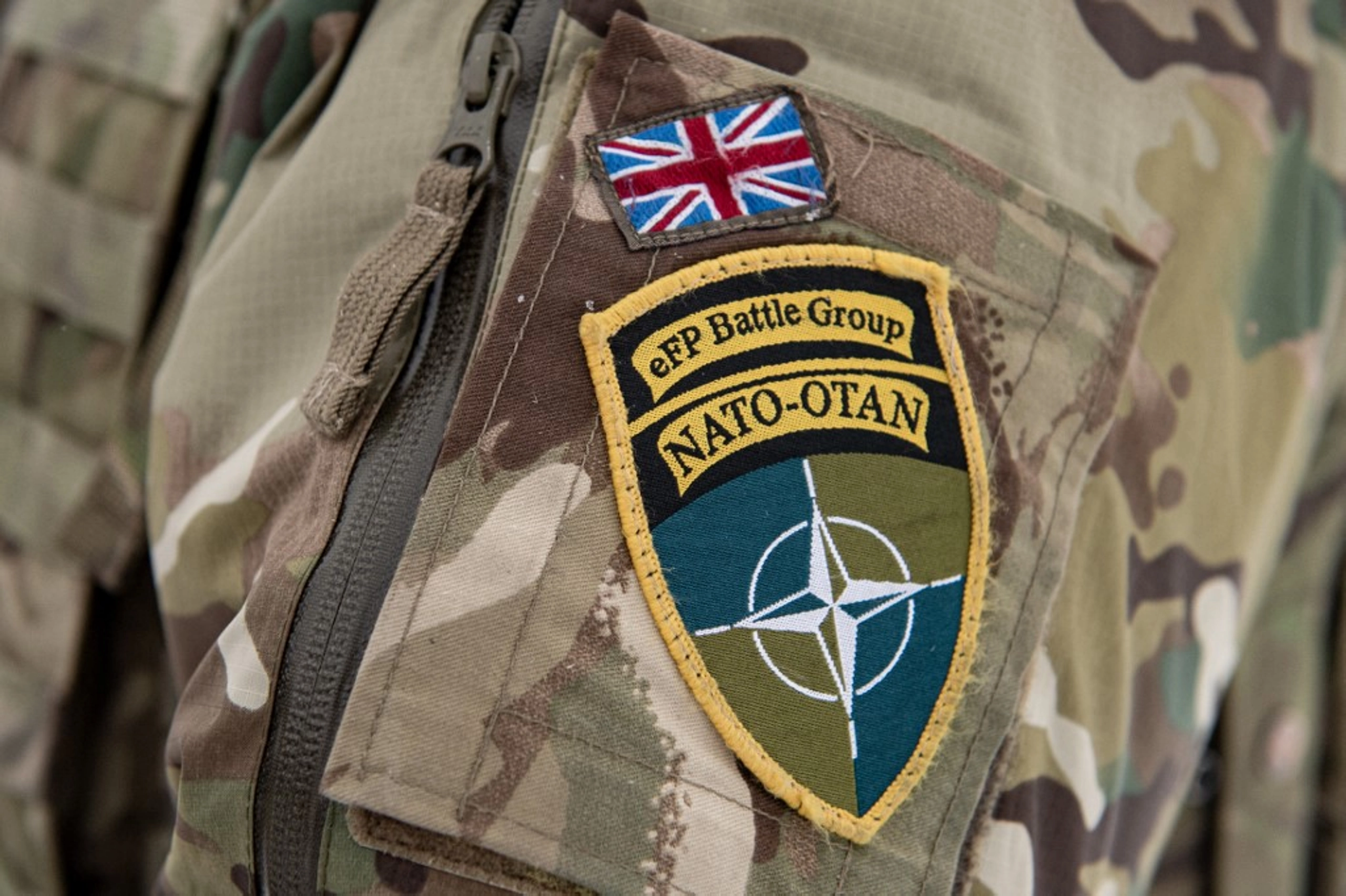
Preparations were reportedly underway in the UK to prepare troops and logistics for a peacekeeping mission in Ukraine.
British Special Forces personnel reportedly received orders to be on standby for deployment to Ukraine for a peacekeeping mission.
Military planners, under the Cabinet Office’s direction, reportedly instructed Special Forces units to prepare for mobilization to Ukraine, iNews reported on Tuesday, citing “two military sources with knowledge of the directive.”
“If the Russians do not hit our objects, we will definitely not hit theirs,” Zelensky says in respect of the partial ceasefire announced following the Trump-Putin call on March 18.
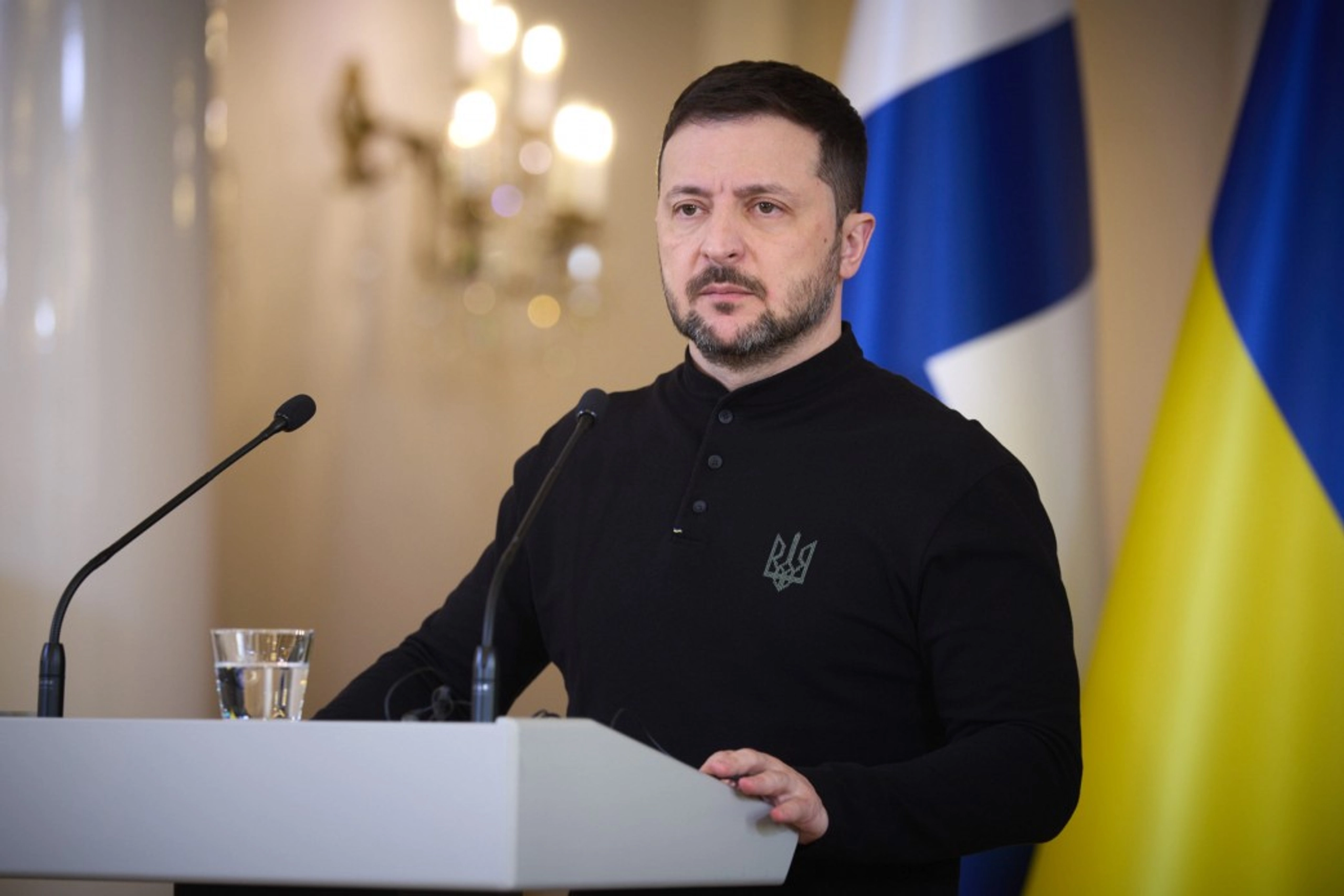
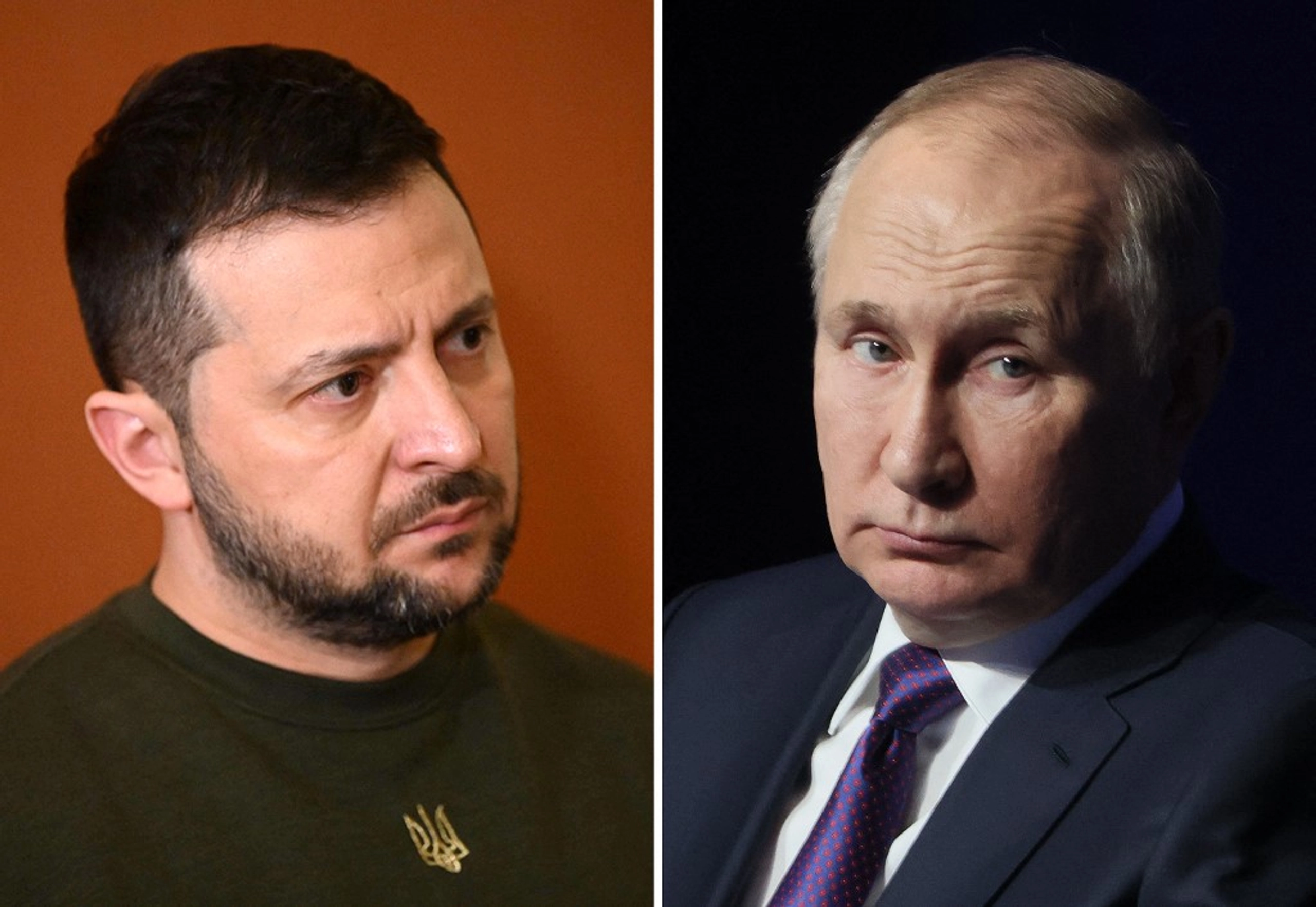
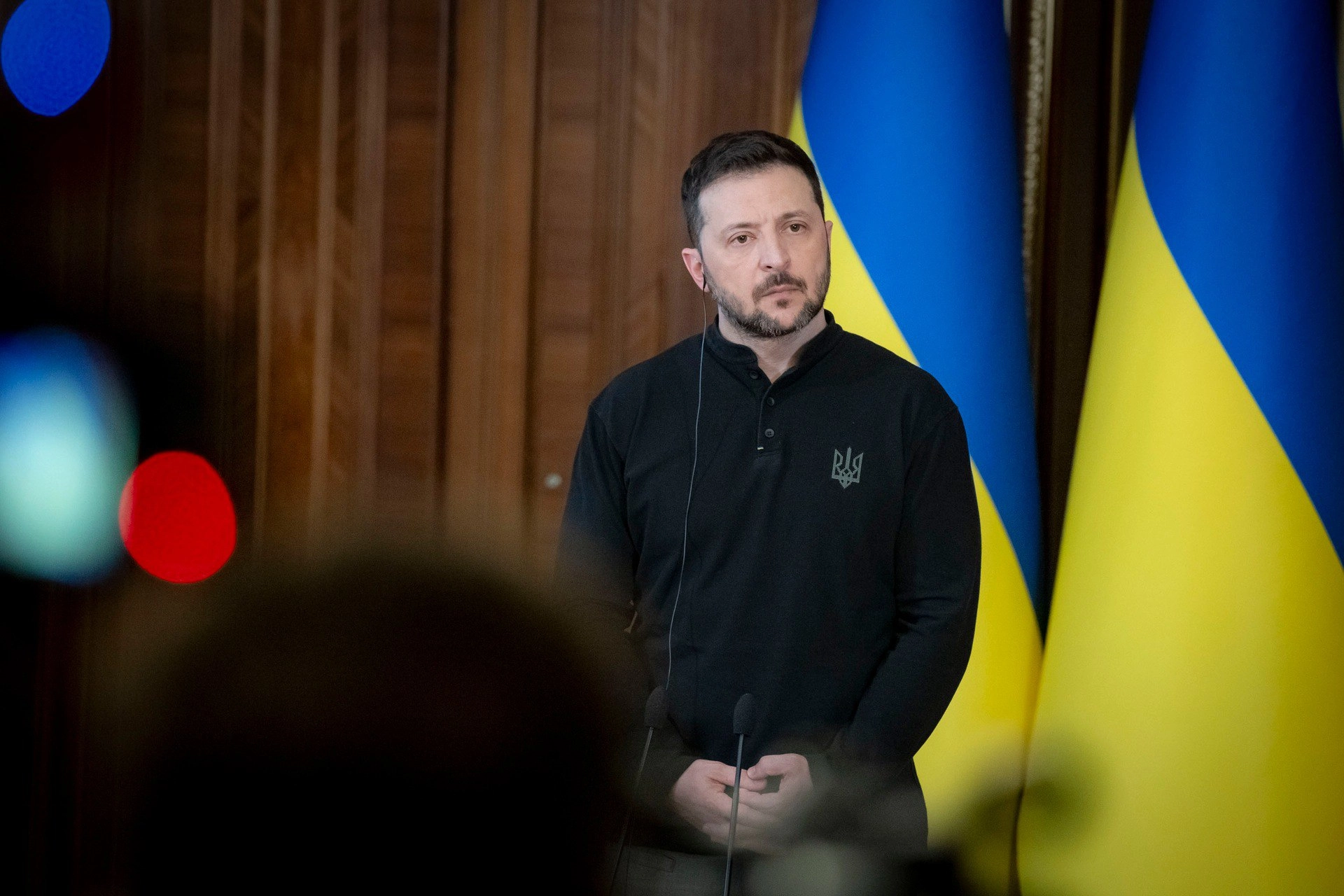
Ukraine is prepared to compile a list of civilian and infrastructure sites that must not be targeted and share it with its partners as part of the partial ceasefire that Trump and Putin were supposed to have agreed, President Volodymyr Zelensky announced.
However, speaking at a press conference in Helsinki alongside Finnish leader Alexander Stubb, Zelensky dismissed Russian President Vladimir Putin’s pledge to halt attacks on energy infrastructure.
The Yale-based task force tracking deported Ukrainian children lost its funding, blocking access to key evidence, as experts warn of more than 35,000 abducted minors since 2022.
A task force based at Yale University that worked on locating Ukrainian children deported to Russia has been stripped of its funding, a Kyiv Post journalist reported after attending an event aimed at raising awareness about Russia’s criminal actions surrounding such deportations.
A task force that helped locate hundreds of Ukrainian children abducted by Russia has been disbanded by.
It is crystal clear what Trump’s intentions are with regard to Russia’s war against Ukraine. He wants to return to business as usual with Russia and will readily sacrifice Ukraine to do it.
Recently, during a battle near Pokrovsk, Ukrainian soldiers ran out of grenades, and in order to “smoke out” enemy troops from their underground fortification, the Ukrainians threw beehives, with bees inside, into the stronghold. The battle ended in victory for the Ukrainian military, but not without loss of life among soldiers and bees.
Bees are vital to Ukraine as they are for all eco-systems, and war is a serious threat to the bee population. “Minefield Honey” is a project designed to both raise awareness of the issue and to strengthen the bee population.

According to a Kremlin statement, after Putin’s directive to halt strikes on Ukraine’s energy sector, seven Russian drones that were already airborne were ordered to be neutralized.
The Russian Defense Ministry reported on Wednesday that the Russian military shot down its own drones that were en route to Ukrainian energy facilities following an order from President Vladimir Putin to temporarily stop attacks on Ukraine’s energy infrastructure.
According to the Kremlin statement, after Putin’s directive to halt strikes on Ukraine’s energy sector, seven Russian drones that were already airborne were ordered to be neutralized.

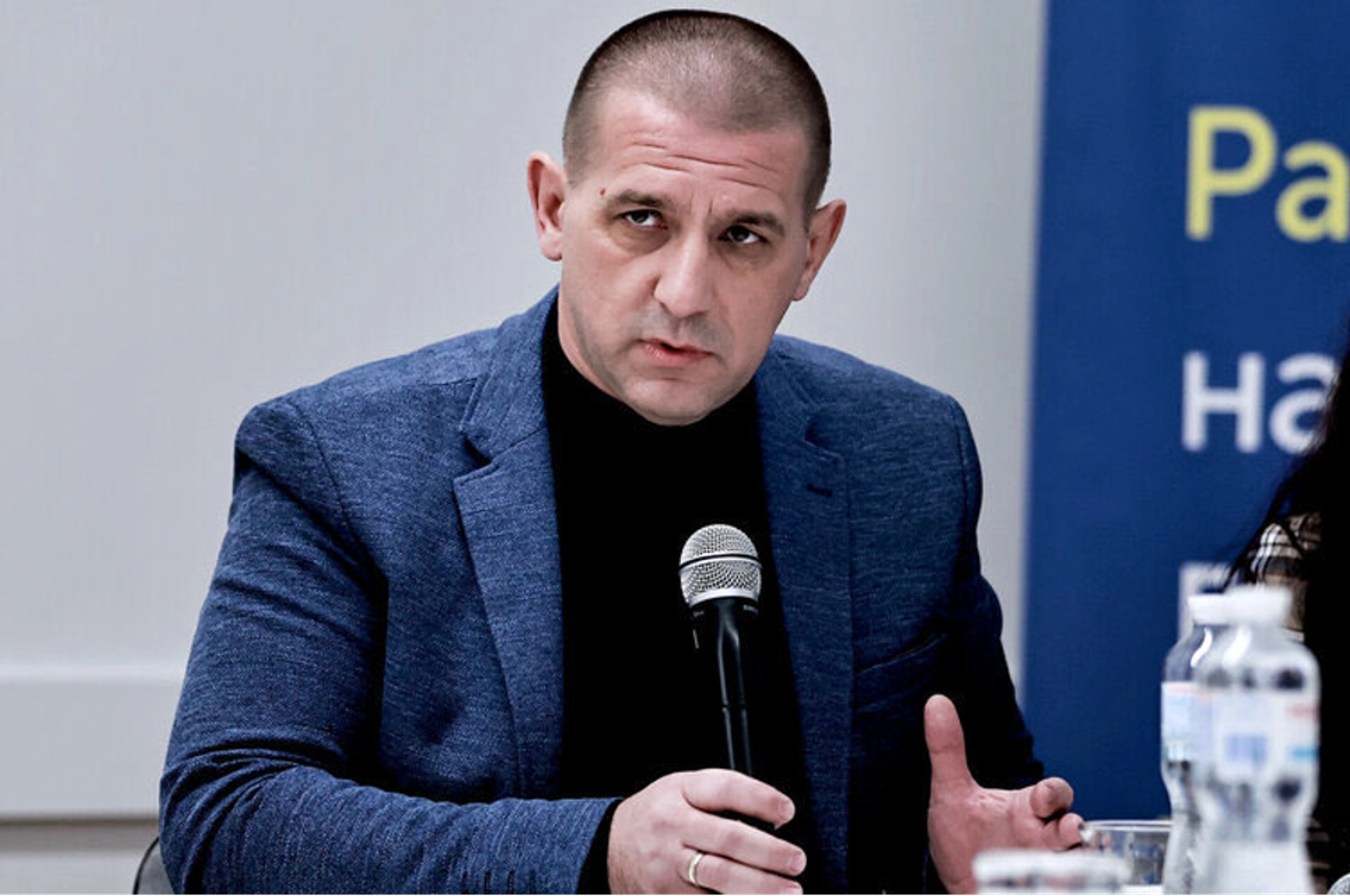
The search for a new director of Ukraine’s Bureau of Economic Security is underway, with a competitive selection process now in progress. Kyiv Post speaks with the Bureau’s prospective new chief.
Since its creation in 2021, the Bureau of Economic Security (BEB) has faced a rocky start. The BEB is tasked with tackling financial crimes such as fraud, tax evasion, smuggling, and money laundering. Its performance has been poor enough to prompt a parliamentary investigation by the Verkhovna Rada. The agency has been entangled in multiple scandals, including a high-profile case in which BEB detectives were caught concealing criminal activity. That incident led to the resignation of the BEB director in 2023, followed by a string of acting directors struggling to stabilize the organization.
In June 2024, the Verkhovna Rada passed reforms to improve the BEB, introducing international oversight of the selection process to ensure transparency and credibility. A new commission was formed, made up equally of Ukrainian and international experts. The commission began by reviewing 43 candidates, later narrowing the pool to 16 following a general aptitude test.
The Kremlin accused Kyiv of “derailing” the ceasefire on energy targets agreed to late Tuesday because Kyiv responded shortly after Moscow launched drones at Ukraine in the wake of the announcement.
Kyiv and Moscow accused each other of violating a temporary ceasefire proposal on energy infrastructure on Wednesday.
Kyiv has agreed to a US-backed 30-day ceasefire proposal on March 11. Russian leader Vladimir Putin rejected a total truce but reportedly agreed to a ceasefire on energy infrastructure after a phone call with US President Donald Trump on Tuesday.
RL is suing USAGM, saying that to deny funding already approved by Congress violates the US Constitution.
Radio Free Europe/Radio Liberty (RFE/RL) has contested the termination of US federal grants by suing the United States Agency for Global Media (USAGM) and officials.
RFE/RL said USAGM’s decision to terminate federal grants the Congress appropriated for the media is unlawful.

The Kremlin won’t agree to a full ceasefire. Rather, it prefers a halt to attacks on its Achilles heel – the energy flows that fund its war on Ukraine.
The world held its breath as talks between Vladimir Putin and Donald Trump extended well into their second hour. Ever since Trump took office, his administration’s willingness to negotiate over Ukraine without Ukraine’s direct involvement has been a cause for deep concern. Now, with the latest round of discussions concluded, it is time to assess what has been achieved – and at what cost.
On the surface, Russia has agreed to a ceasefire. Yet it is not an all-encompassing one, such as the ceasefire the US pressured Ukraine into accepting. The aggressor has only agreed to cease attacks on Ukraine’s energy infrastructure – a temporary and self-serving concession. Russia’s missile barrages against Ukrainian power plants were a calculated effort to terrorize civilians, mainly during winter months. With warmer weather ahead, there is little strategic gain in continuing these attacks. In contrast, Ukraine’s strikes on Russian oil refineries have real military significance, disrupting supply lines and weakening Russia’s war machine. This is not an equal exchange, it is a concession that costs Moscow nothing.

The EU wants to double military aid to Ukraine but southern European countries want to wait and maintain current support.
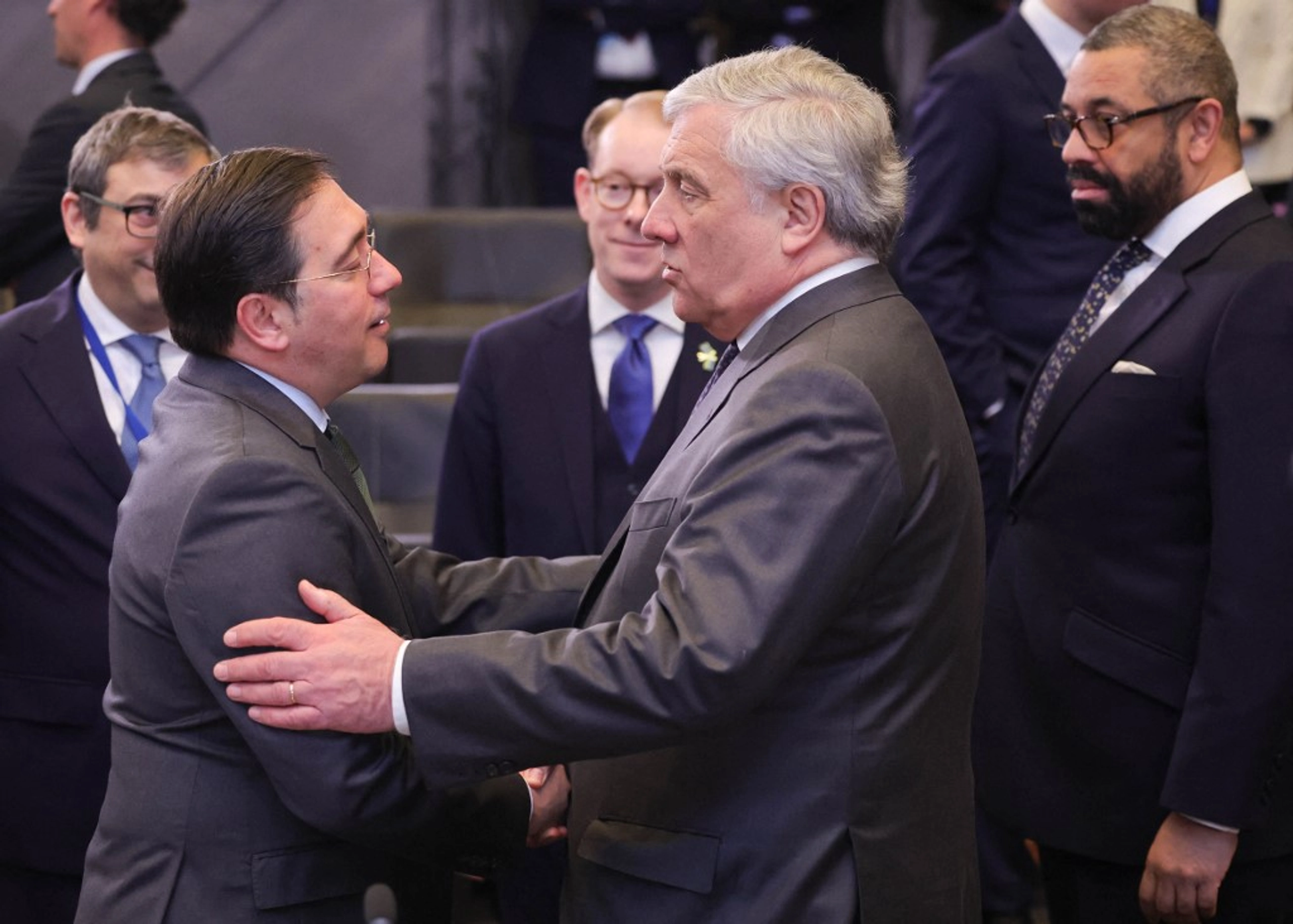
Italy and Spain said it was “too early” to double the EU’s military aid to Ukraine to €40 billion ($43.6 billion), saying it was necessary to wait for the results of US-Russia ceasefire negotiations, Reuters reported.
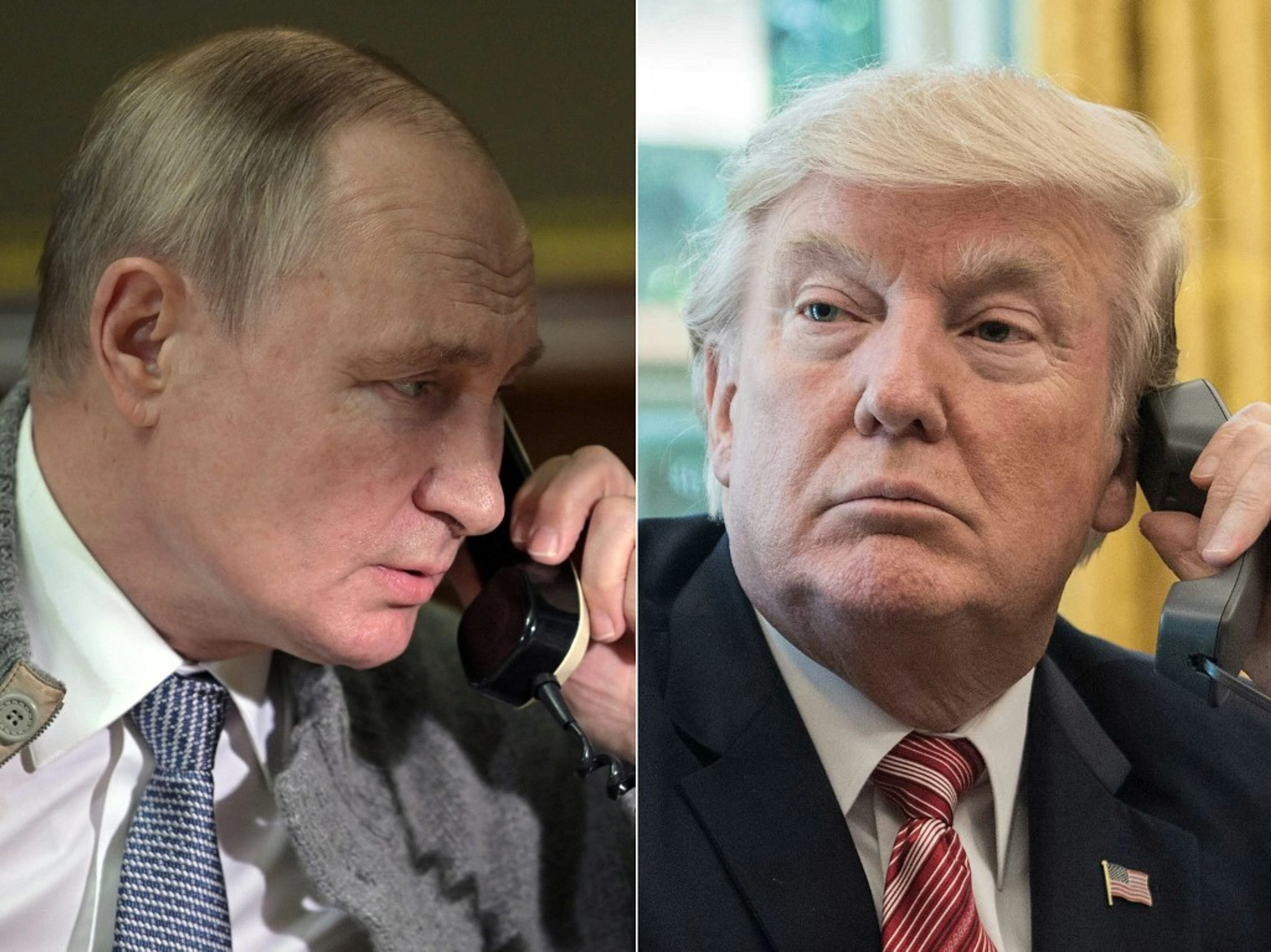
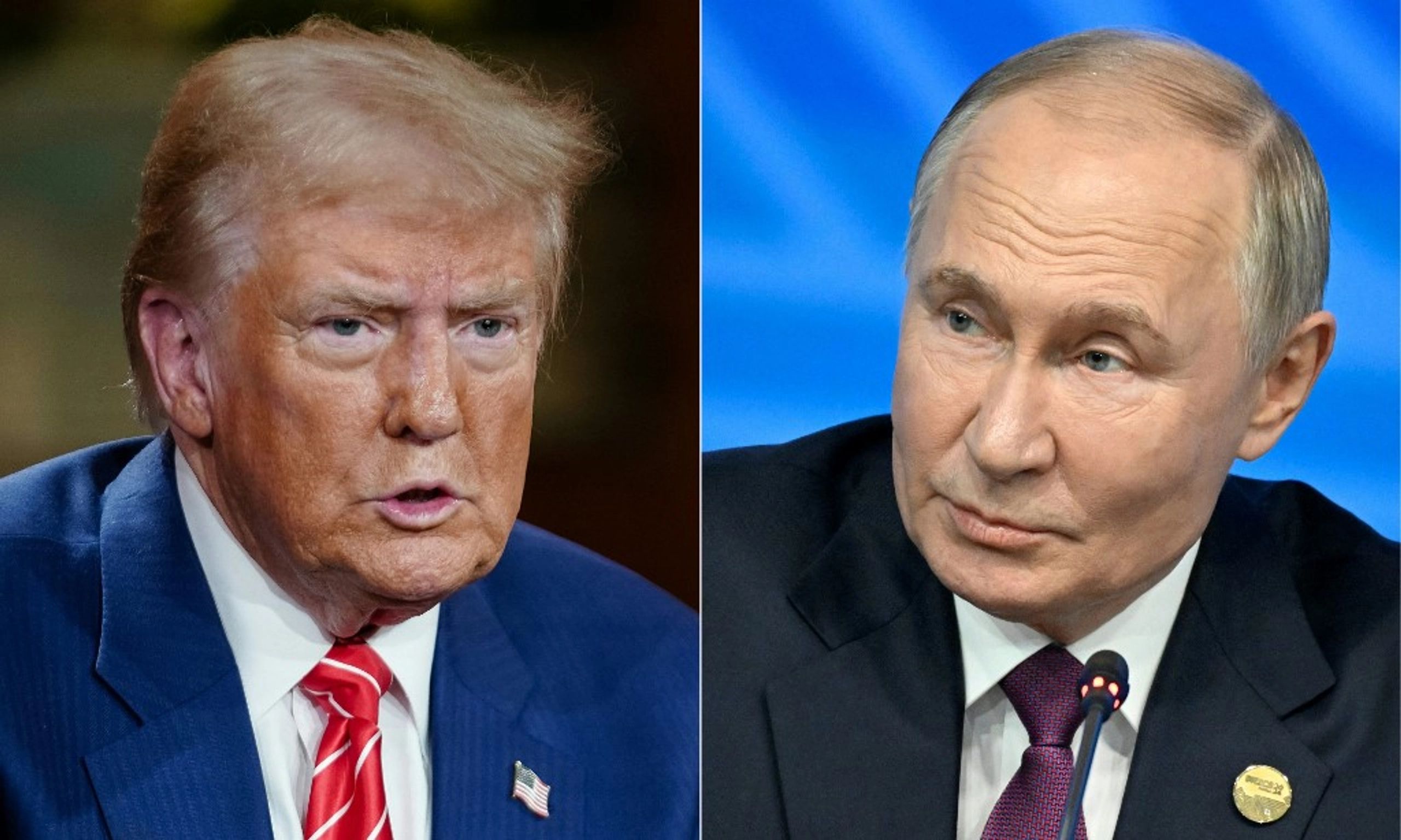
On Tuesday night, US President Donald Trump and Russian leader Vladimir Putin held a two-hour phone conversation in which Putin agreed to cease attacks on Ukraine’s energy infrastructure. However, within hours of the call, Russia launched an airstrike on Ukrainian energy infrastructure in the Donetsk region city of Slovyansk.
Zelensky said that Ukraine will win the war and that peace cannot be achieved without Kyiv’s involvement.
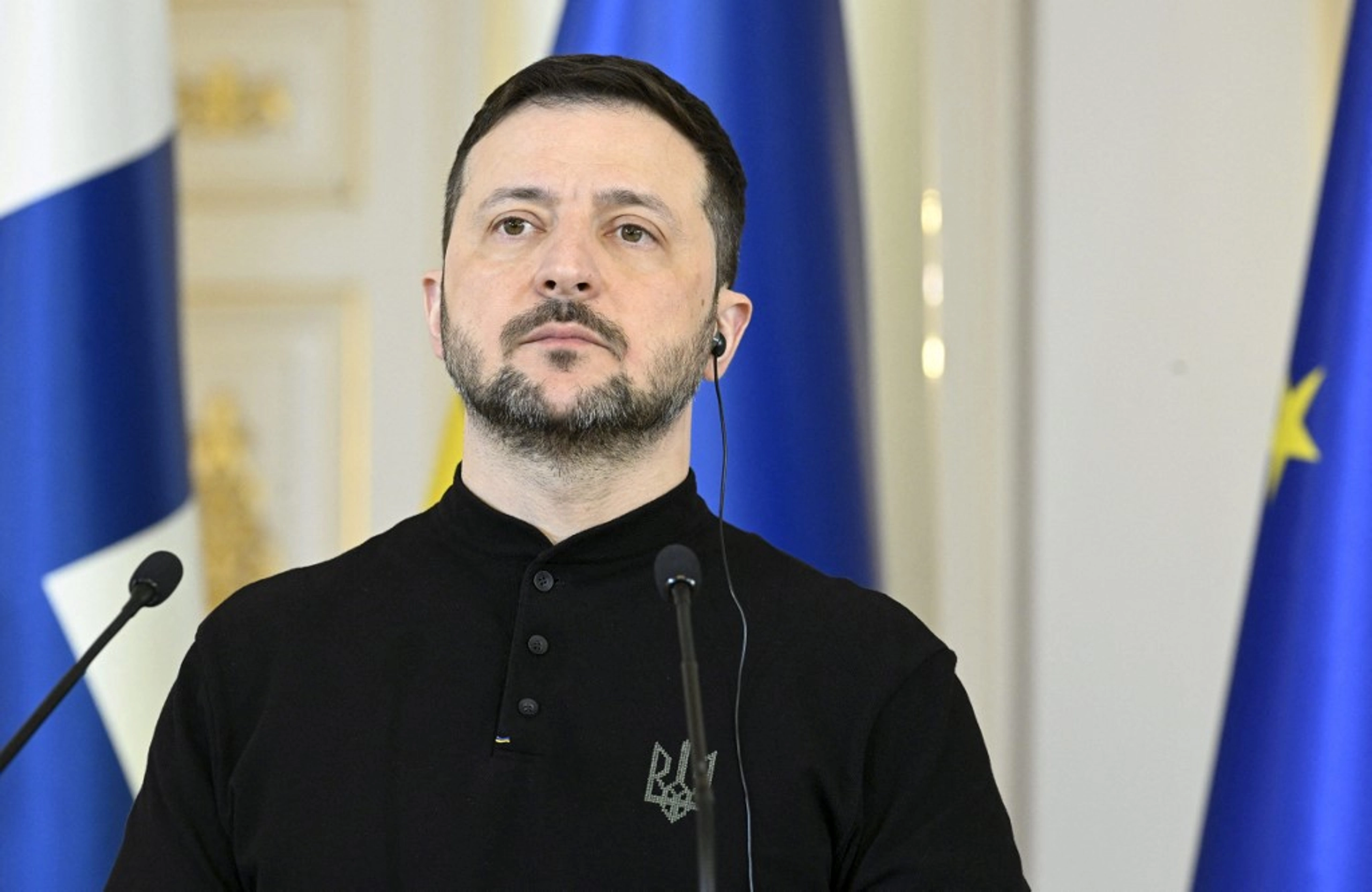
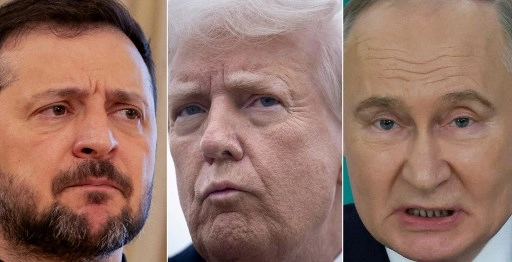
President Volodymyr Zelensky announced Wednesday that he would be holding a conversation with US President Donald Trump, following Trump’s more than two-hour phone call with Russian leader Vladimir Putin on Tuesday.
Speaking at a press conference alongside Finnish leader Alexander Stubb in Helsinki, Zelensky said:

Tuesday’s call did not secure the ceasefire, which was endorsed by Ukraine last week, and yielded only a Russian promise to halt attacks on energy infrastructure for 30 days.
Ukrainians have reacted sceptically to a phone call between Russian President Vladimir Putin and US counterpart Donald Trump, who had sought to convince Moscow to agree on a temporary ceasefire.
Tuesday’s call did not secure the ceasefire, which was endorsed by Ukraine last week, and yielded only a Russian promise to halt attacks on energy infrastructure for 30 days.

You can’t say that the Trump administration is short on spectacle and drama. But how should serious politicians cope with all the seemingly intentional confusion?
As foreign dignitaries attempt to make sense of Trump’s foreign policy, I’m reminded of a Hawaiian phrase, “If you don’t like the weather, wait five minutes and it will change.” This too, might be wise for those who closely follow the Trumpeting tones from Washington, DC.
In fairness, it’s likely challenging for nations to wield strategic statecraft, but there are a few consistent “notes” that appear to repeat in President Trump’s rhetoric. Learning them can increase the likelihood of improved foreign policy.
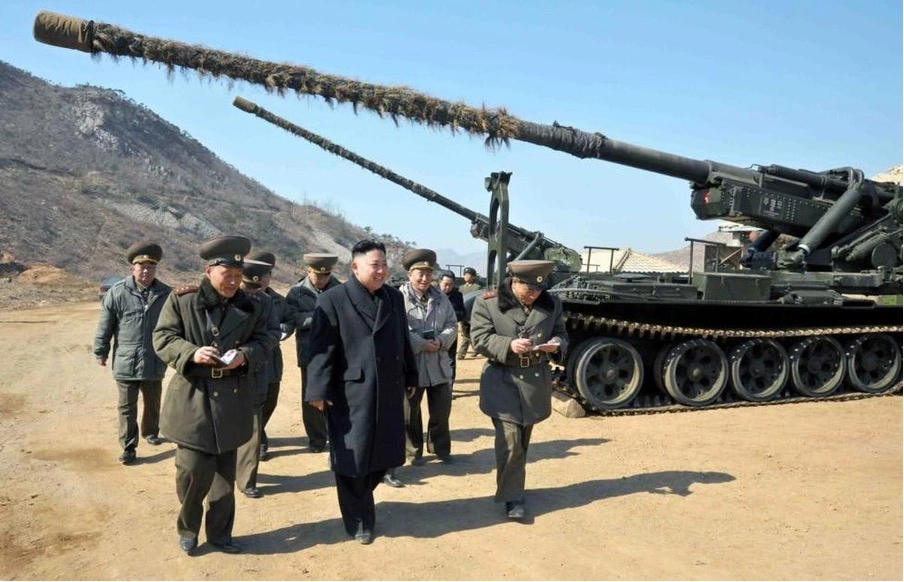
Drones from the 14th Separate Regiment of Ukraine’s Unmanned Systems Forces detected and guided hits on three partially hidden North Korean self-propelled guns.
A video posted on Facebook by the press service of the 14th Separate Regiment of Ukraine’s Unmanned Systems Forces shows how its drones identified and directed a HIMARS strike on three North Korean M1989 Koksan 170mm self-propelled guns (SPG) partially hidden in a forested area in Russia’s Kursk region.
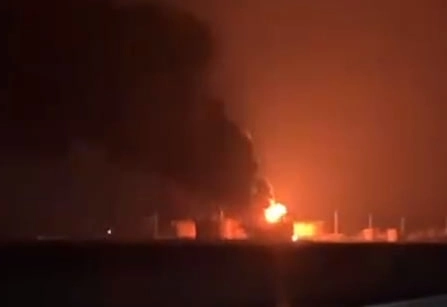
A fire started at an oil depot in Russia’s Krasnodar Krai following a large-scale drone strike, while Moscow continued overnight airstrikes on Ukraine at the same time.
A fire at an oil depot in the village of Kavkazskaya, Krasnodar Krai, Russia, broke out following an attack by Ukrainian drones, according to the regional operational headquarters.
Reports indicate that the fire covered approximately 20 square meters, damaging a pipeline linking storage tanks, with initial information suggesting there were no casualties.
In the 90-minute call with Trump on Tuesday, Putin agreed to halt attacks on energy infrastructure for 30 days, but refused a full ceasefire in its three-year war with Ukraine.
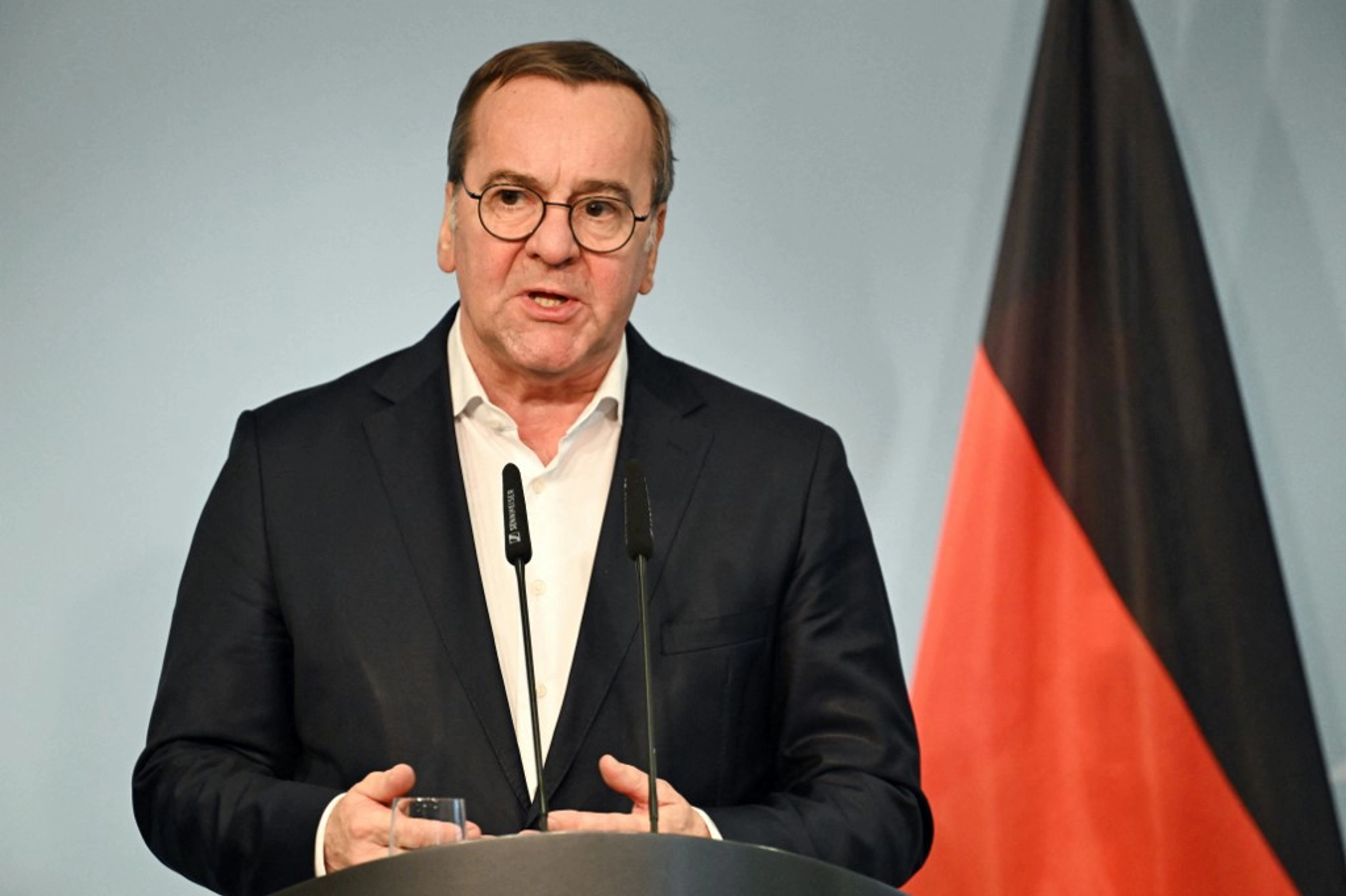
Germany accused President Vladimir Putin on Wednesday of “playing a game” after Kyiv reported Russian strikes on Ukranian civilian infrastructure hours after Moscow agreed to temporarily pause attacks on energy facilities.
“We’ve seen that attacks on civilian infrastructure have not eased at all in the first night after this supposedly ground-breaking, great phone call” between Putin and US President Donald Trump, German Defence Minister Boris Pistorius said in a TV interview.

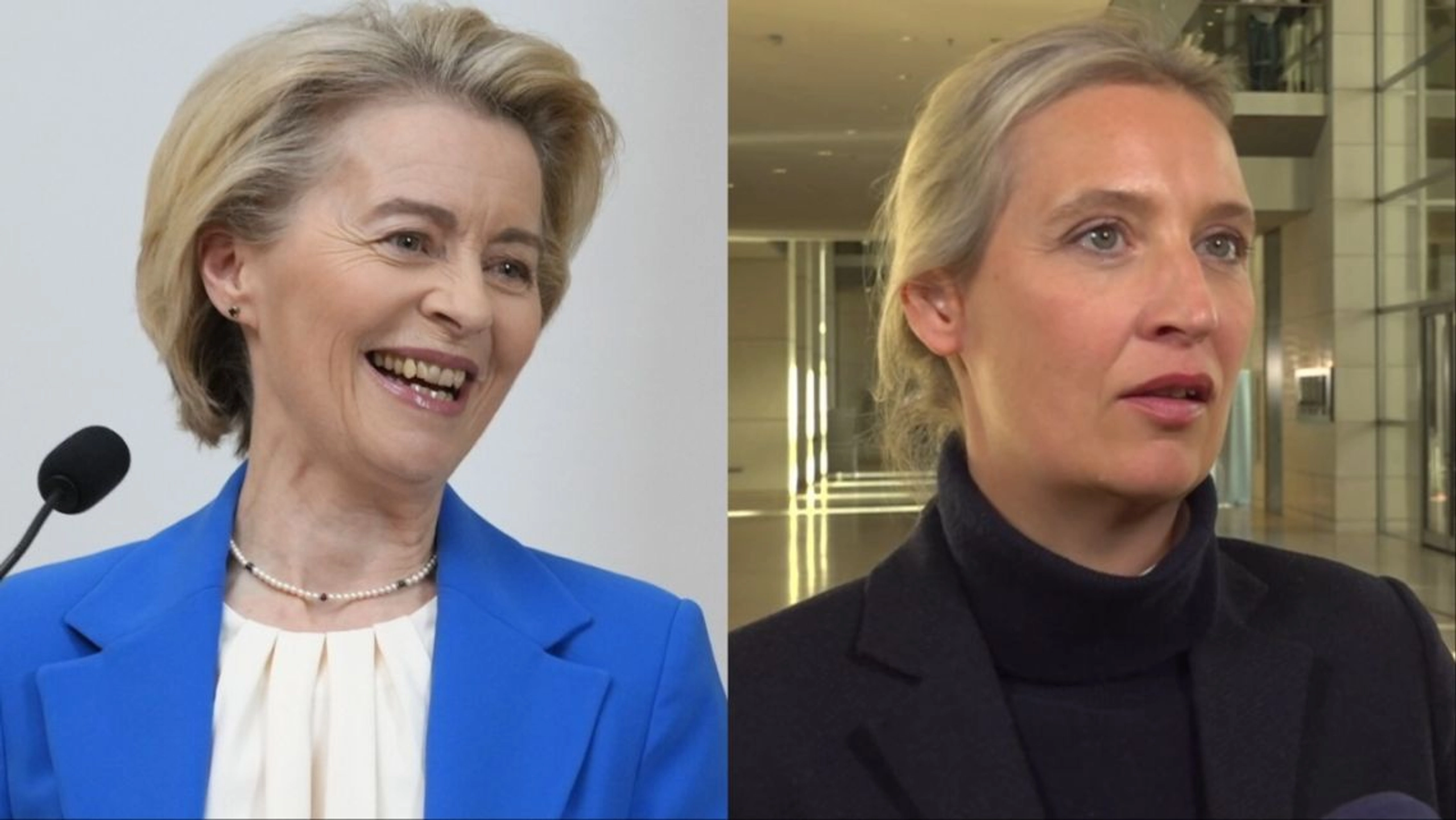
The EU’s top executive has praised Germany for approving a fiscal package, but a senior opposition figure told TVP World that the decision was a “catastrophe” that will lead national debts.
The measures passed in Bundestag on Tuesday will lead to a relaxation of Germany’s borrowing restrictions, giving Chancellor-in-waiting Friedrich Merz a chance to generously increase investment in the economy and defense.
But Alice Weidel, leader of the far-right Alternative for Germany (AfD) party, told TVP World after the vote that the result was a “catastrophe” as Germany has “left its way of financial stability.”
Hours after Trump and Putin negotiated a ceasefire on energy strikes, Russia bombed Slovyansk’s power grid, hit homes in Kramatorsk, and targeted hospitals in the Sumy region.
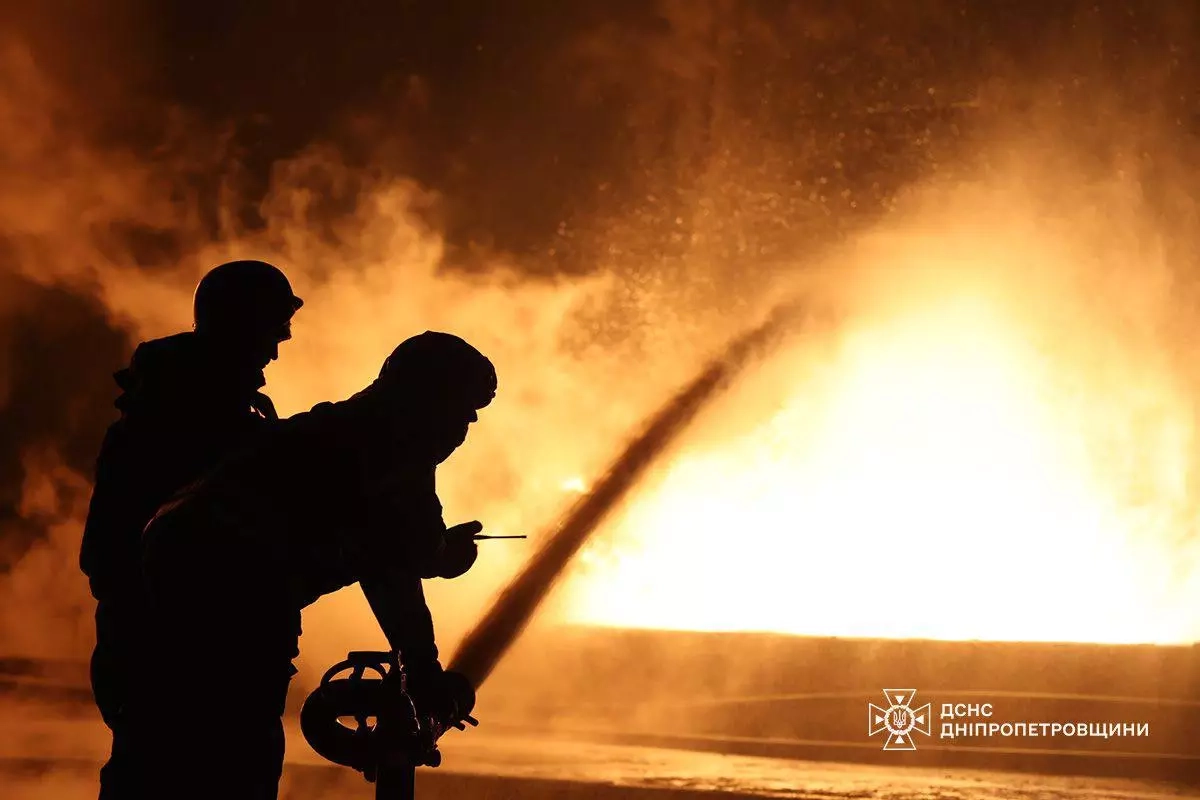
[Updated at 9:59]: In the early hours of March 19, Russian forces used drones to strike the railway power system in the Dnipropetrovsk region, Ukrzaliznytsia’s press service reported via Telegram.
As a result of the attack, some areas lost power, but train traffic continues according to schedule.
Zelensky said Putin will use Trump to weaken Ukraine, then try to take Sumy, Kharkiv, and Zaporizhzhia regions, so the Kremlin can dictate terms from a position of strength, with White House help.
Russia is moving troops to Ukraine’s border in the Sumy region and preparing a new offensive on multiple fronts, President Volodymyr Zelensky said.
Addressing the situation near Russia’s Kursk Oblast, Zelensky during an online press conference stated that Ukrainian forces remain steadfast in their positions.
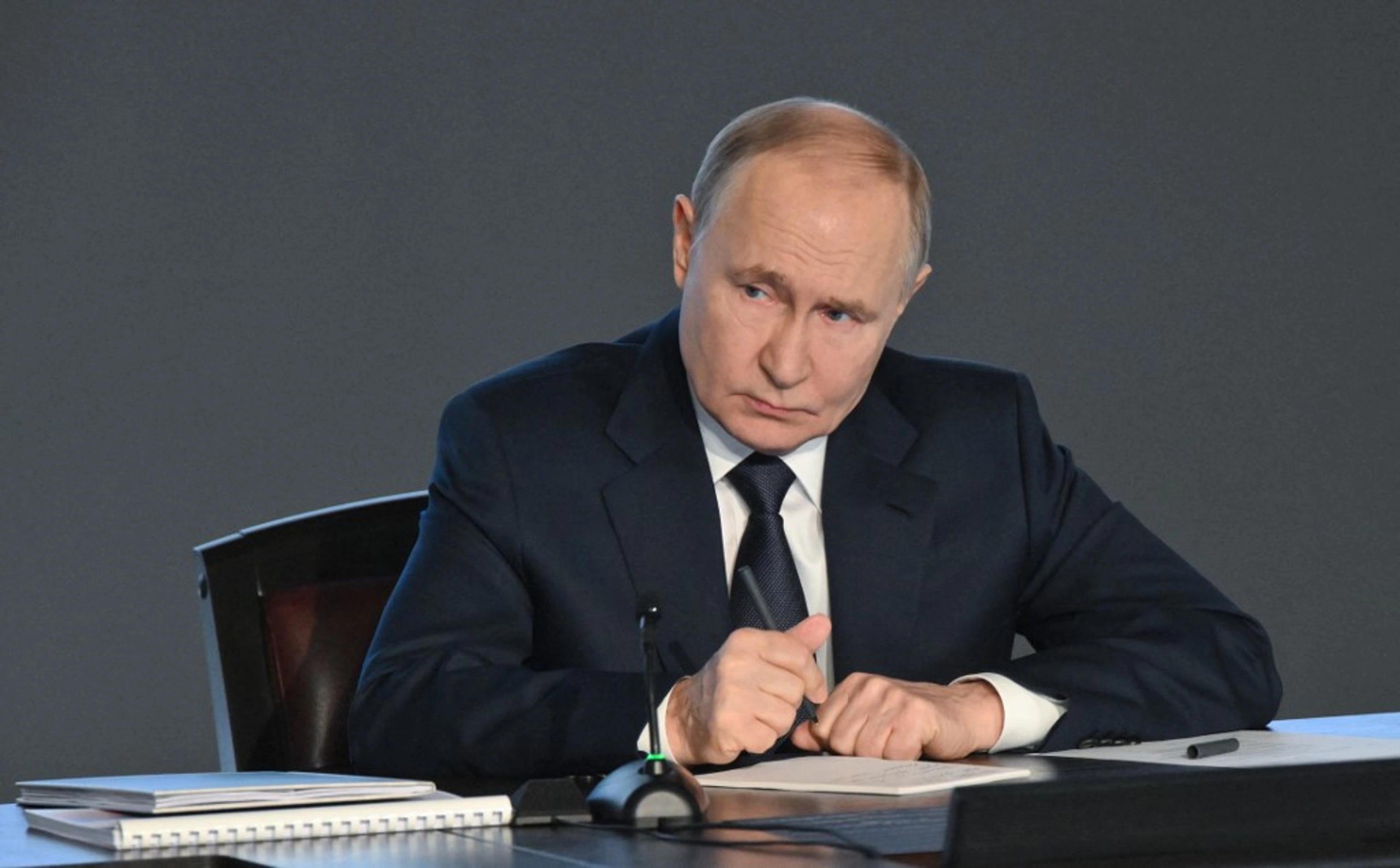
Putin made the comments in a phone call with Donald Trump, telling the US leader that the war in Ukraine could only be resolved if the West halts military and intelligence support for Ukraine.
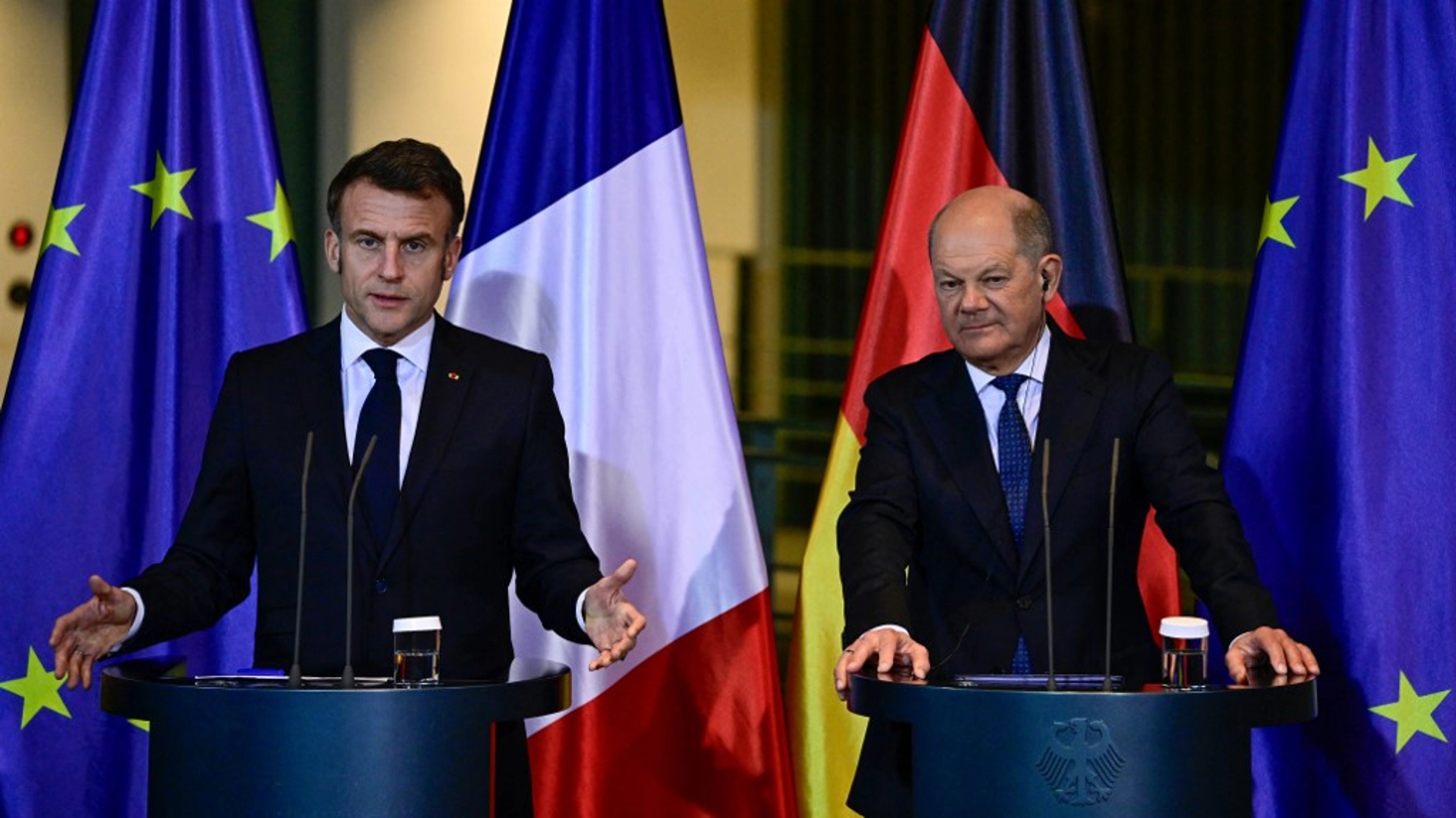
The German and French leaders vowed on Tuesday to keep providing military aid to Ukraine after Russian President Vladimir Putin called for a “complete cessation” of Western military support.
“We both agree that Ukraine can count on us, that Ukraine can count on Europe and that we will not let (Kyiv) down,” said German Chancellor Olaf Scholz.

In a notable development rewarding the Trump administration for cozying up to the Kremlin and thawing US-Russia relations, Putin authorized a US hedge fund to acquire Russian securities.
Russian President Vladimir Putin has authorized US hedge fund 683 Capital Partners LP to acquire securities in Russian companies from specific foreign stakeholders.
The decree, published on March 17, permits the New York-based fund to purchase assets from six US-based, four UK-based, and one Singaporean investment fund.
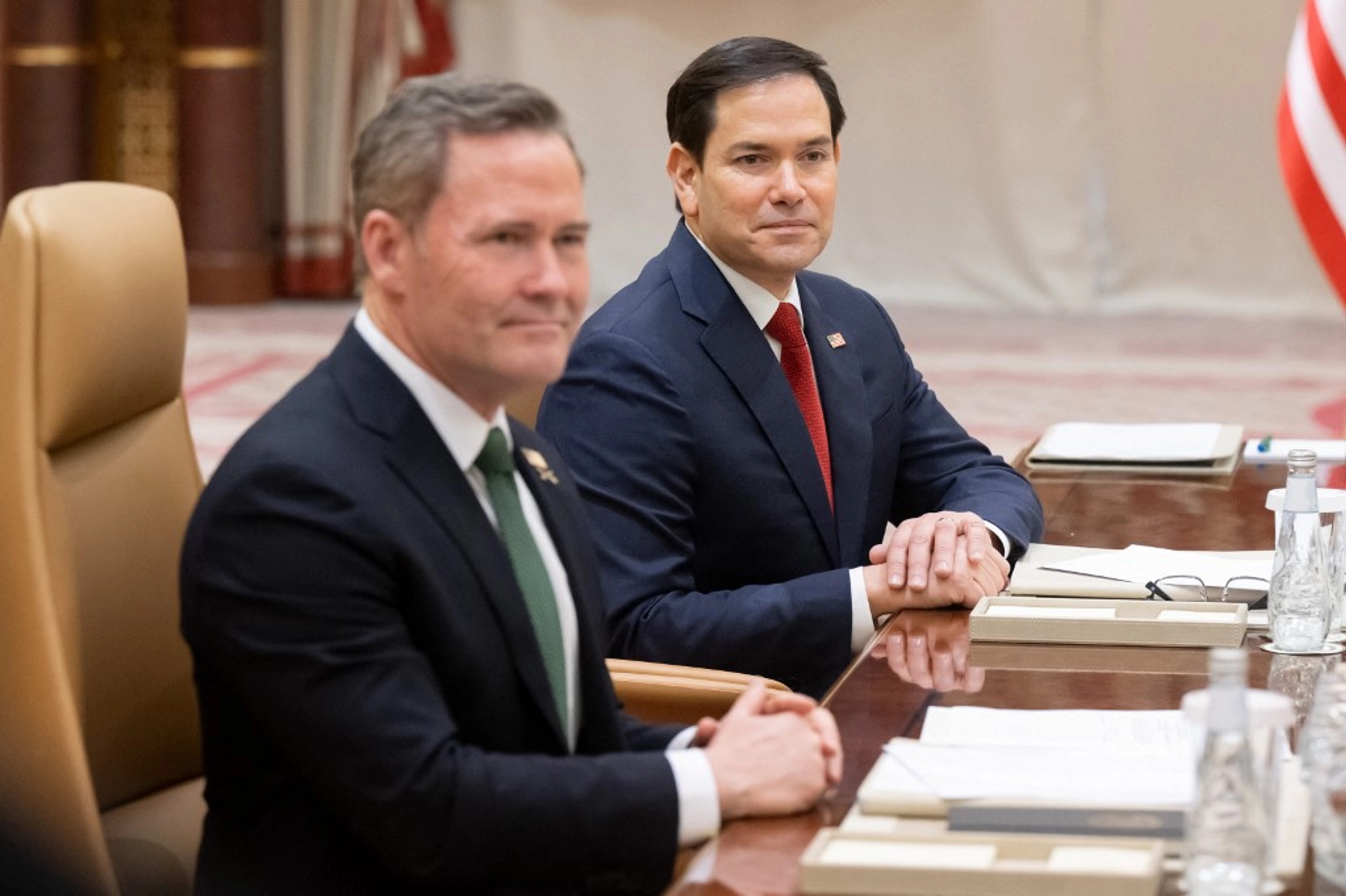
Witkoff said the US delegation in Saudi Arabia would be led by Secretary of State Marco Rubio and National Security Advisor Mike Waltz, but did not indicate who they would be holding talks with.
Talks on a ceasefire in Russia’s war with Ukraine will continue on Sunday in the Saudi Arabian city of Jeddah, US President Donald Trump’s special envoy Steve Witkoff said Tuesday.
In an interview with Fox News hours after Trump held a lengthy phone call with Russian President Vladimir Putin, Witkoff said talks on a ceasefire deal “will begin on Sunday in Jeddah.”
Despite this agreement, explosions shook Ukraine just hours after Trump and Putin spoke, and air raid sirens sounded across the country.
Ukrainian President Volodymyr Zelensky said Wednesday that Putin “effectively rejected“ a US-backed ceasefire plan, launching new attacks on civilian areas shortly after agreeing to stop hitting energy sites.
The US has been pushing for a 30-day ceasefire as a first move toward ending the war, which has lasted three years.

Kyiv Post reviews the reactions of Russian bloggers, officials, influencers, and popular propagandists to the Trump-Putin phone conversation on March 18.
The result of the conversation between US and Russian Presidents Donald Trump and Vladimir Putin has predictably become the central topic of discussion among Russian propagandists, influencers, and milbloggers.
The most important aspects for them, as reflected in their messages, were:

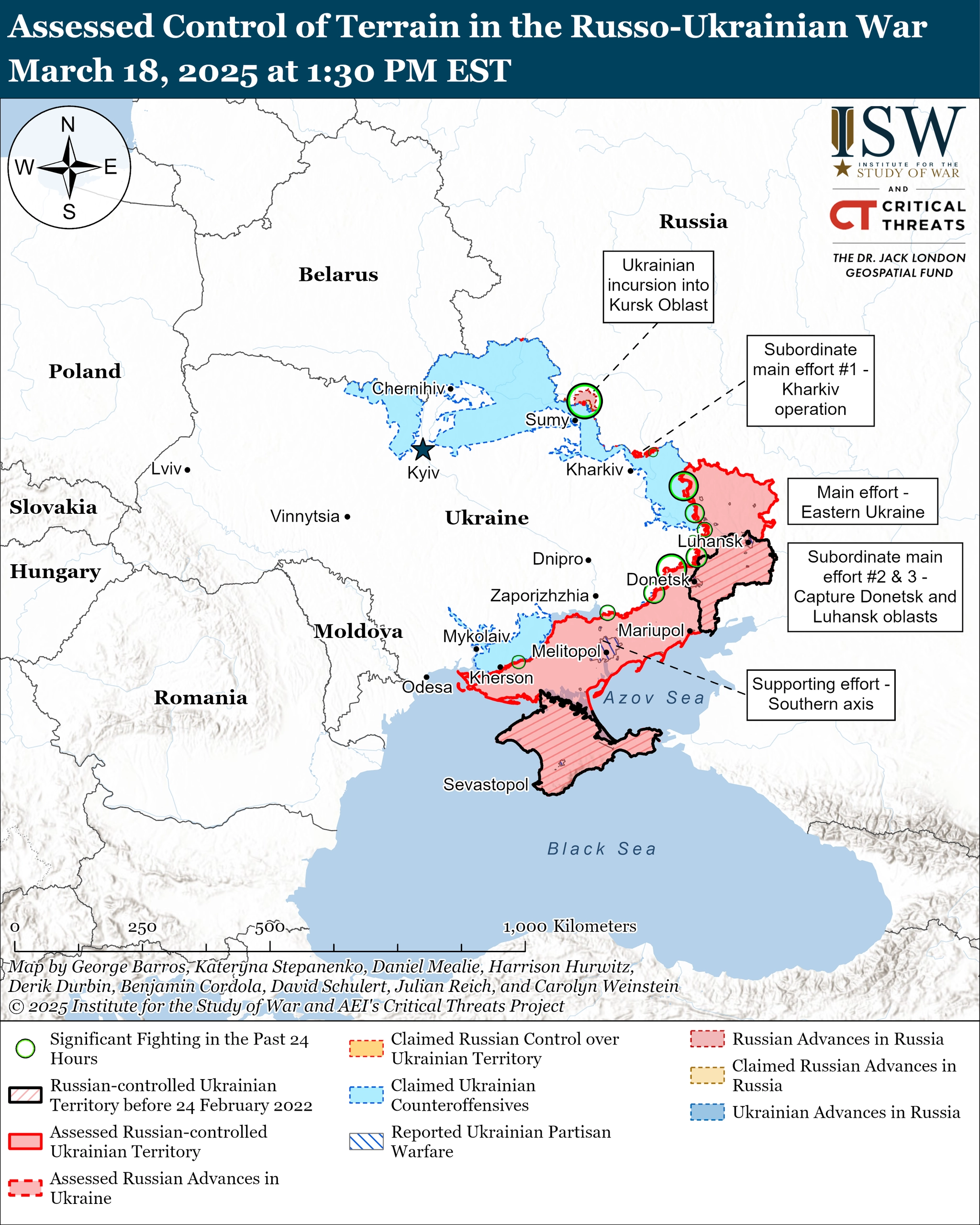
Latest from the Institute for the Study of War.
Key Takeaways from the ISW: