


EN

EN


EN
Stay informed with the most important Ukraine breaking news today. This page compiles the top headlines and critical updates from across Ukraine, offering a real-time snapshot of key developments.
Whether it’s military updates, political changes, or international reactions — we bring you the latest Ukraine news as it happens. All reports are carefully curated from verified sources and KyivPost correspondents on the ground.

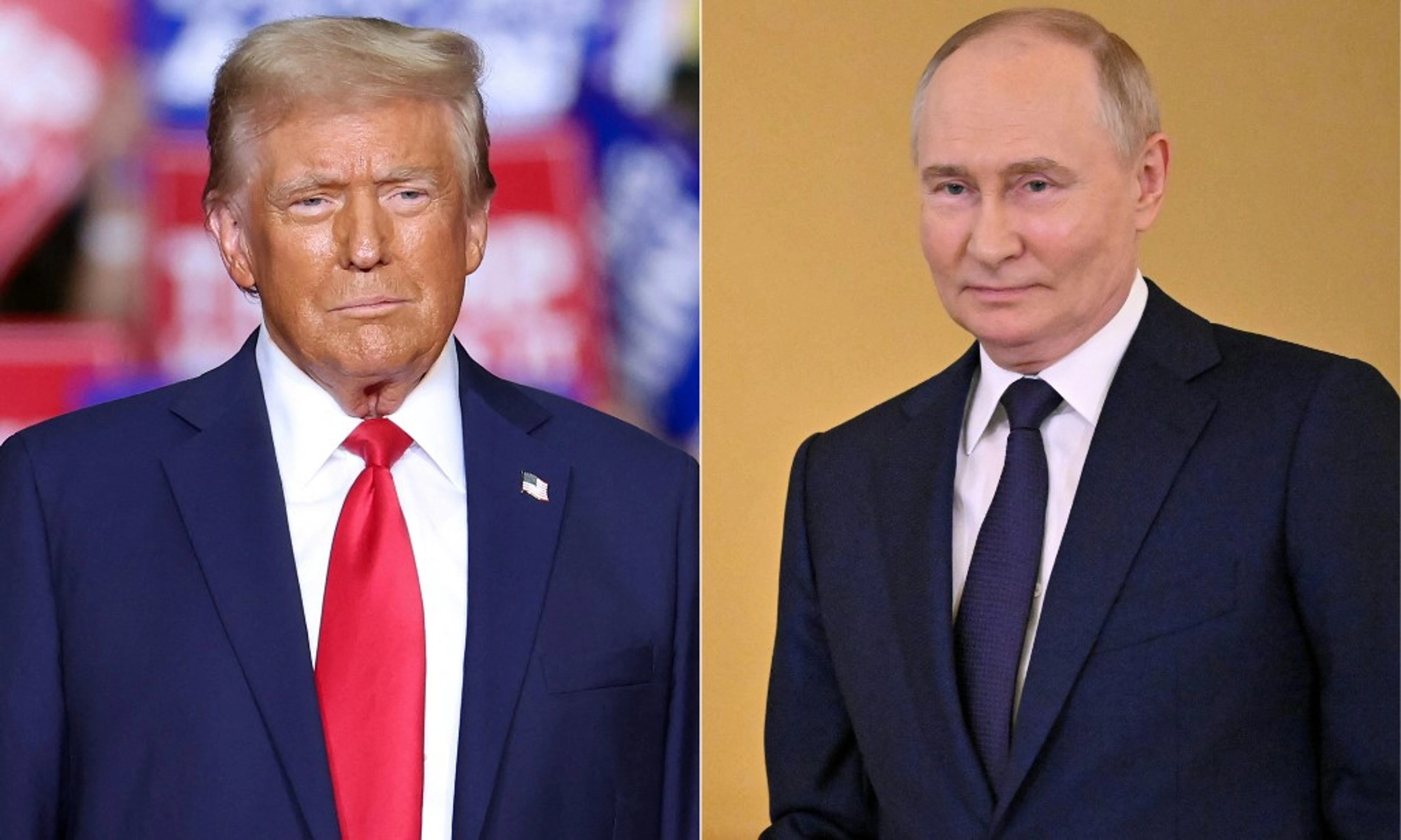
Trump held a call Wednesday with Putin on Ukraine’s recent surprise attack on Russian strategic bomber airbases; they also discussed Moscow’s cooperation in dealing with Iran in nuclear negotiations.
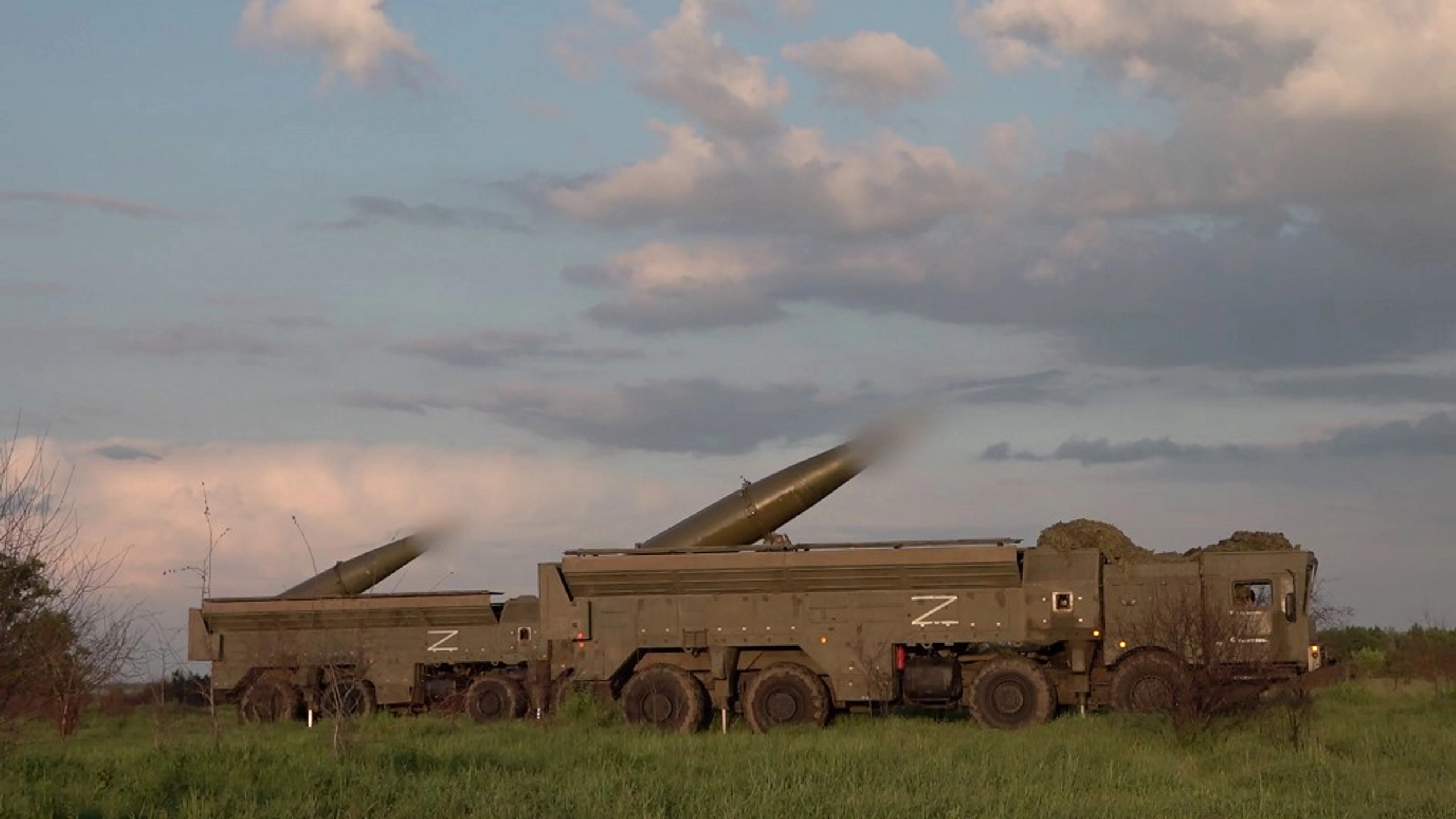
US President Donald Trump had another phone call with Russian dictator Vladimir Putin on Wednesday, where they discussed Ukraine’s recent attacks on Russia and the Kremlin’s promise to retaliate.
Trump said the phone call with Putin lasted one hour and fifteen minutes.
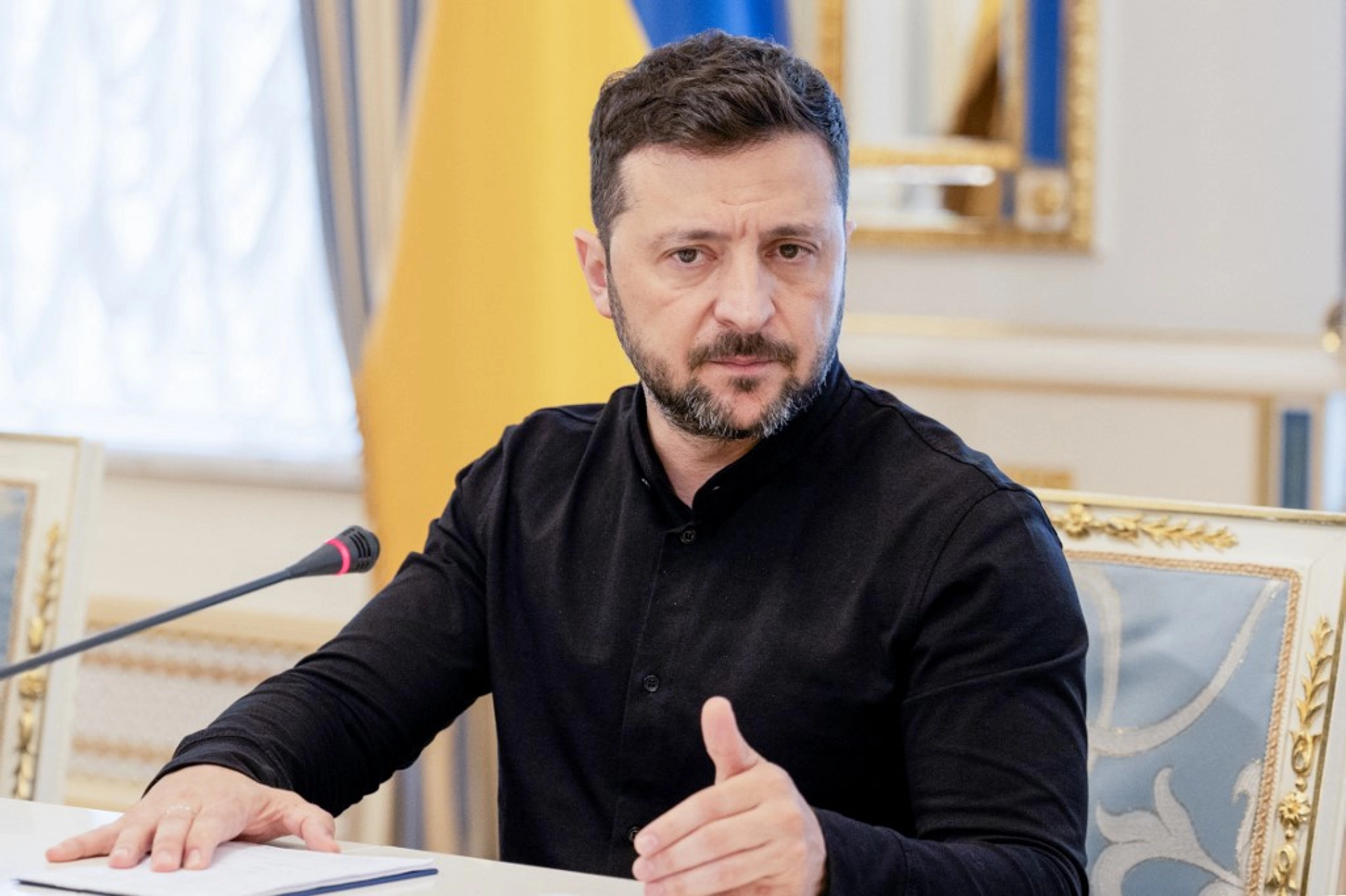
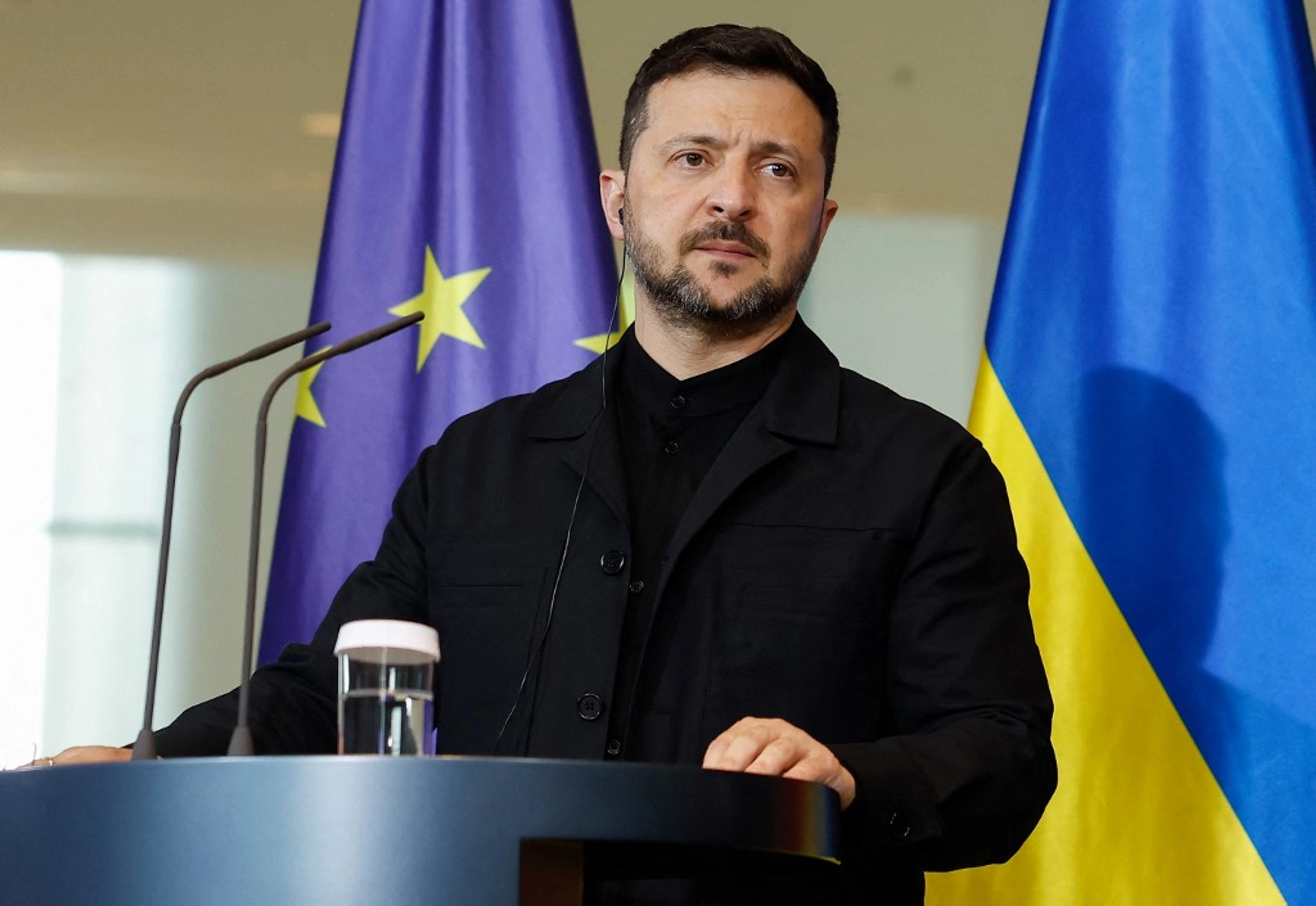
Zelensky has said he is ready for a meeting with Putin, even without a ceasefire agreement, but warns that Europe should be prepared to impose more sanctions if talks fail.
Ukrainian President Volodymyr Zelensky has said that he is ready to meet with Russian President Vladimir Putin, even if Russia refuses to agree to a ceasefire before talks.
“Are we ready to meet at the leadership level without a ceasefire? I would say yes,” Zelensky said during a press conference to Ukrinform.

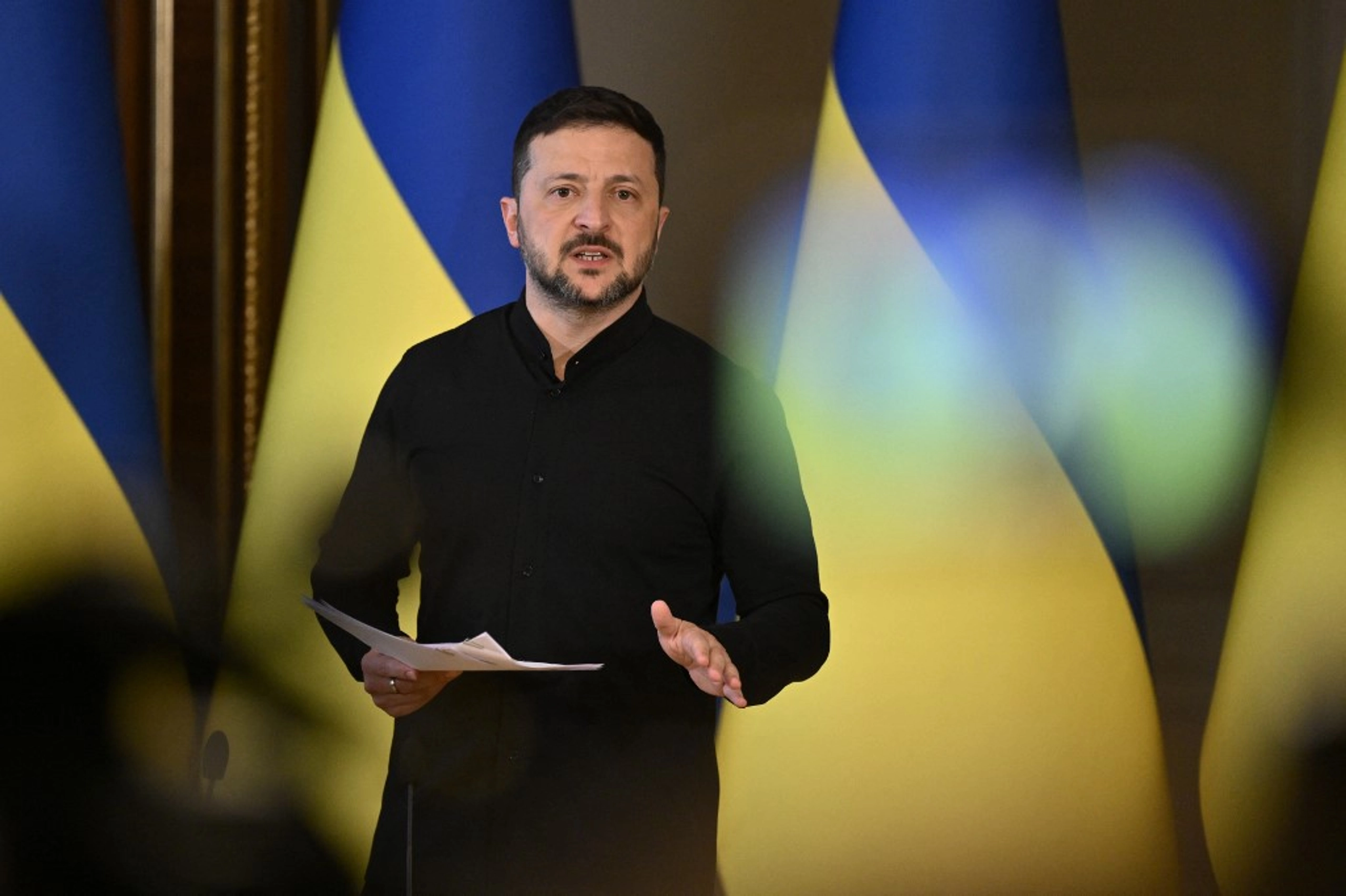
President Zelensky called the Spider Web operation a “brilliant” example of self-defense, saying Ukraine has both the right and the duty to strike back under international law.
Ukrainian President Volodymyr Zelensky honored members of the Security Service of Ukraine (SBU) for their role in the recent Spiderweb special operation on Wednesday. He described the action as a strong example of Ukraine’s right to self-defense under international law.
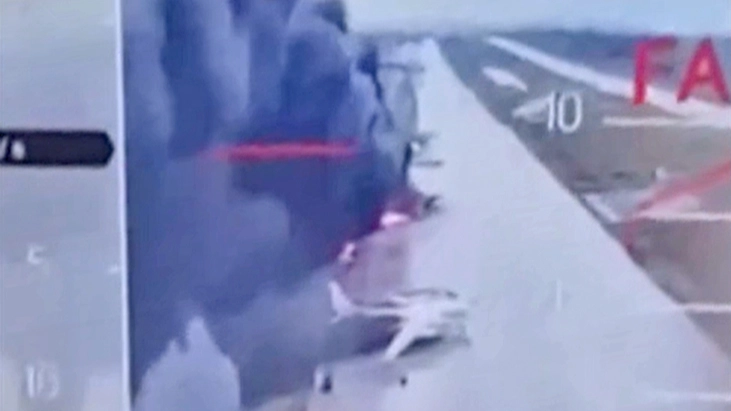
Ukraine carried out a large-scale drone strike on Russian airfields as part of Operation Spiderweb on Sunday, June 1.

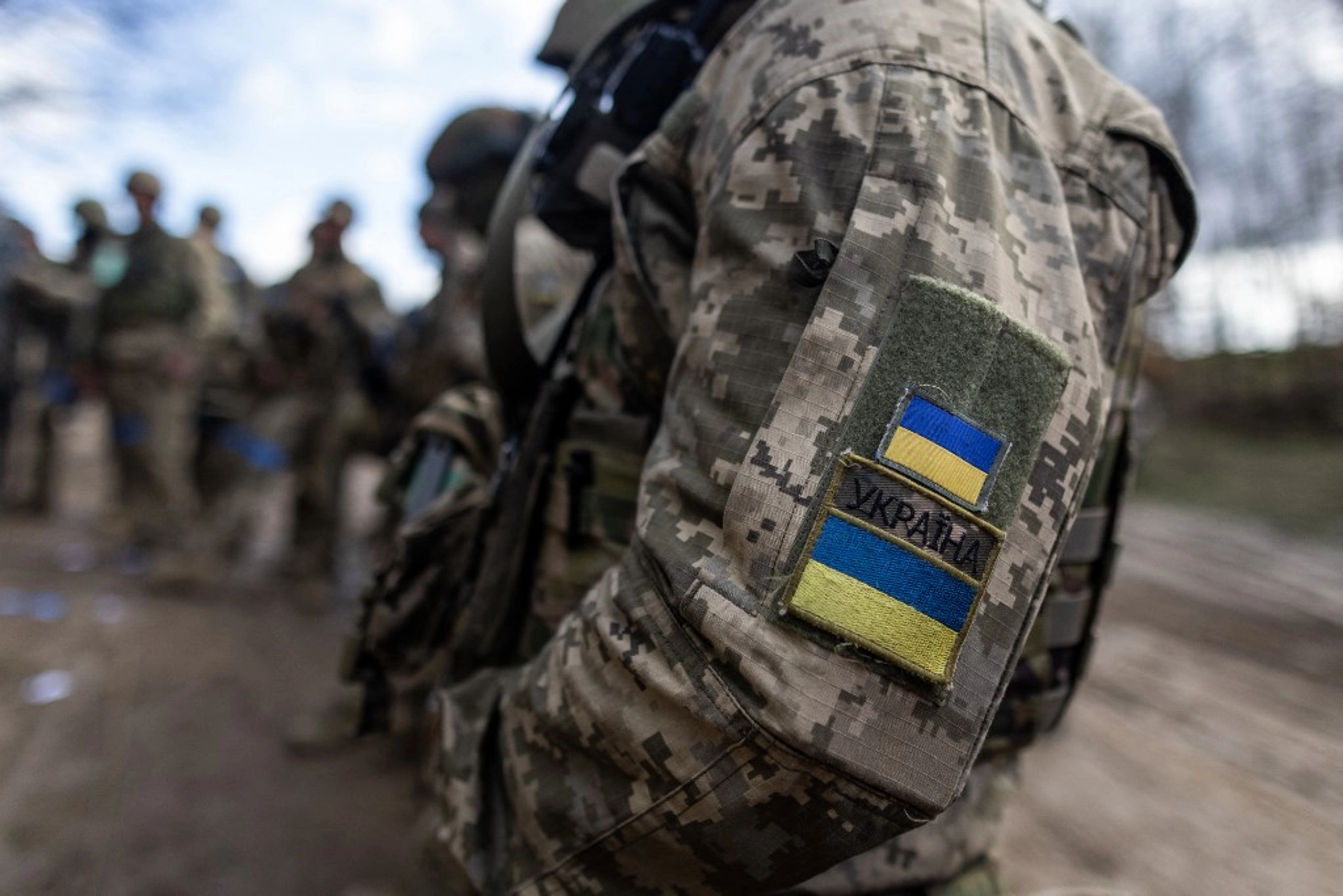
A Russian missile strike targeted a Ukrainian Ground Forces training center in the Poltava region. While injuries were reported, authorities say safety protocols helped prevent a greater loss of life.
A Russian missile struck a Ukrainian Ground Forces training unit in the Poltava region on the afternoon of Wednesday, June 4.
The ground forces confirmed the attack in a statement on Telegram, saying that timely security measures had helped to avert mass casualties.

Ukraine expects a major POW exchange with Russia on June 7–8, aiming to return 500 soldiers, as talks continue on repatriating and accurately identifying 6,000 bodies.
President Volodymyr Zelensky announced that Ukraine expects to carry out a prisoner exchange with Russia this coming weekend, on June 7 and 8, with the projected return of 500 Ukrainian servicemen. According to him, the necessary consultations between the two sides took place on June 4.
“The Russian side has passed on information that this weekend – on Saturday and Sunday – they will be able to transfer 500 people, 500 of our military,” Zelensky said.
The US’s Interests in the Black Sea Region – Taylor, Chalyi, Hewitt, Rohac, McEwan

The US Ambassador to NATO, Matthew Whitaker, says that every alliance member must commit to investing at least 5% of GDP in defense and security, “starting now.”
US Ambassador to NATO Matthew Whitaker on Wednesday has urged allies to commit to investing at least five percent of their GDP on defense – as he put it: “starting now.”
Speaking to reporters during a virtual press call ahead of this week’s NATO’s defense ministerial in Brussels, Whitaker said the US expects every ally “to step up with concrete plans, budgets, timelines, deliverables,” to meet the new target.
Ukraine’s HUR hacked into Russia’s UAC Tupolev, took 4.4GB of secret data on personnel, procurement and strategic bombers, and left an owl clutching a warplane in its talons on the company’s website.
The cyber unit of Ukraine’s Military Intelligence (HUR) has carried out a large-scale operation targeting Russia’s aviation giant – the United Aircraft Company (UAC) Tupolev division, successor to the Soviet-era Tupolev Design Bureau – a key developer of strategic bombers for the Russian military.
A source within the intelligence community told Kyiv Post on Wednesday, June 4, that as a result of the breach, Ukrainian operatives obtained more than 4.4 gigabytes of highly classified internal data with strategic significance.

Amid the chaos of Ukraine wreaking havoc all across Russia with Operation Spiderweb, the SBU managed to again sever the main link between occupied Crimea and Moscow.
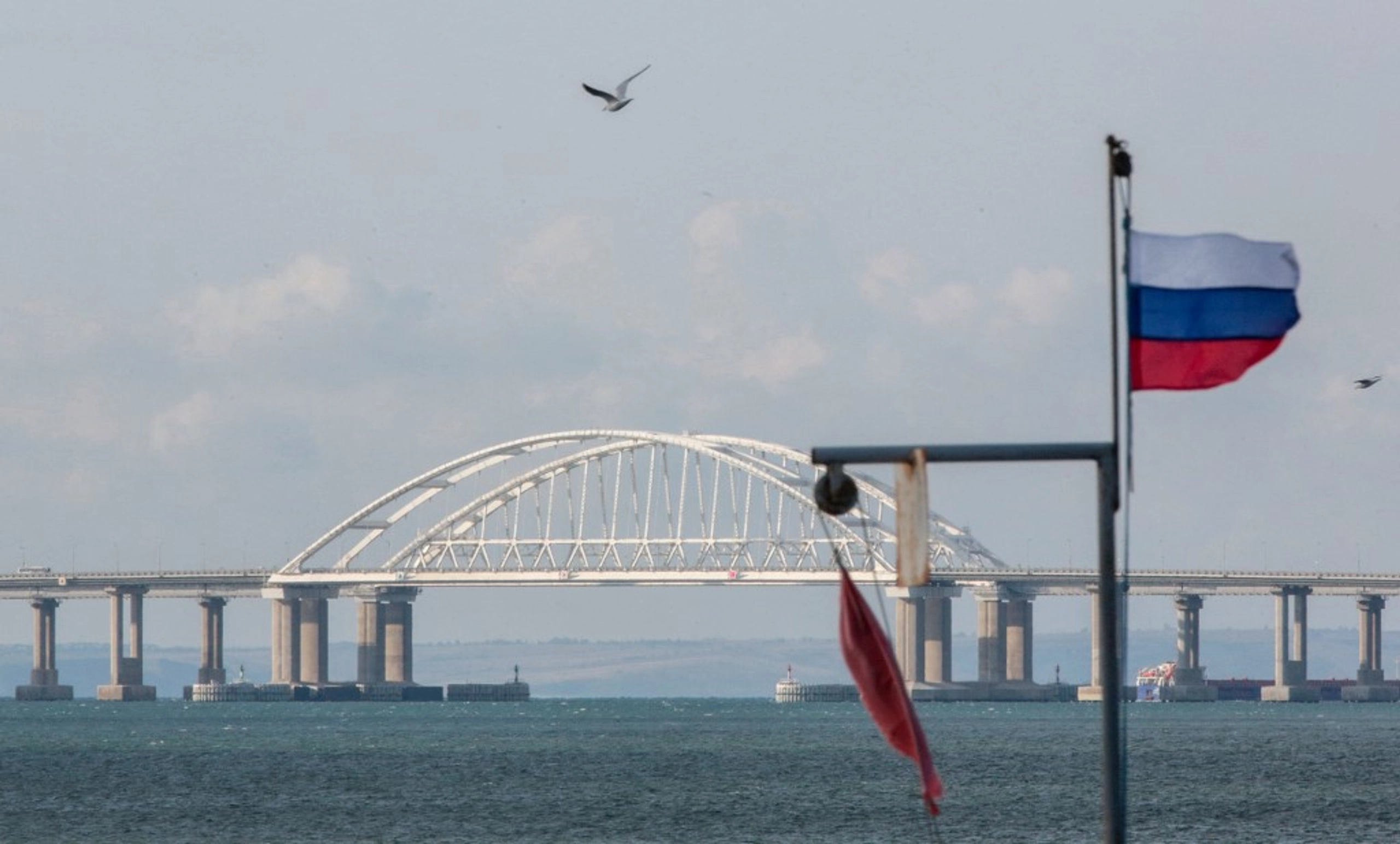
At 4:44 a.m. on Tuesday, June 3, an underwater blast rocked the Kerch Bridge, Russia’s lifeline to occupied Crimea, as the Security Service of Ukraine (SBU) executed a daring naval special warfare strike.
The explosion detonated beneath the rail bridge’s mid-span abutments, targeting reinforced concrete pile bundles critical to its stability. The attack, likely delivered by a Marichka multi-mission, long-range Uncrewed Underwater Vehicle (UUV), has left the 18-kilometer (11-mile) bridge – a symbol of Putin’s imperial grip – reeling, with logistics to Crimea severely disrupted.
An ex-UK colonel says that a Russian nuclear strike on Ukraine could come in four forms. But Ukrainians criticize his article as a far-fetched publicity stunt.
Colonel Richard Kemp, a former British military commander, has warned that Russian President Vladimir Putin could resort to tactical nuclear weapons in response to Ukraine’s recent deep-strike operations, including Spiderweb.
He assumes that the West may be “powerless to stop this holocaust.”
After Russian authorities interviewed the drivers, they put out details of a Ukrainian suspected of recruiting them to deliver the Spiderweb drones, social media reports say.
After questioning the truck drivers whose vehicles carried the Operation Spiderweb drones that attacked Russian airfields on Sunday, investigators issued details of the suspected Ukrainian agent who duped them into the deliveries, according to Russian social media reports.
The Security Service of Ukraine (SBU) carried out the extraordinary operation, which was personally approved by President Volodymyr Zelensky and directly supervised by SBU head Lt. Gen. Vasyl Malyuk. Almost 120 first-person view (FPV) kamikaze drones were smuggled into Russia and placed in prefabricated wooden houses on trucks from where they attacked five airfields in the Belaya, Dyagilevo, Olenya and Ivanovo airfields.
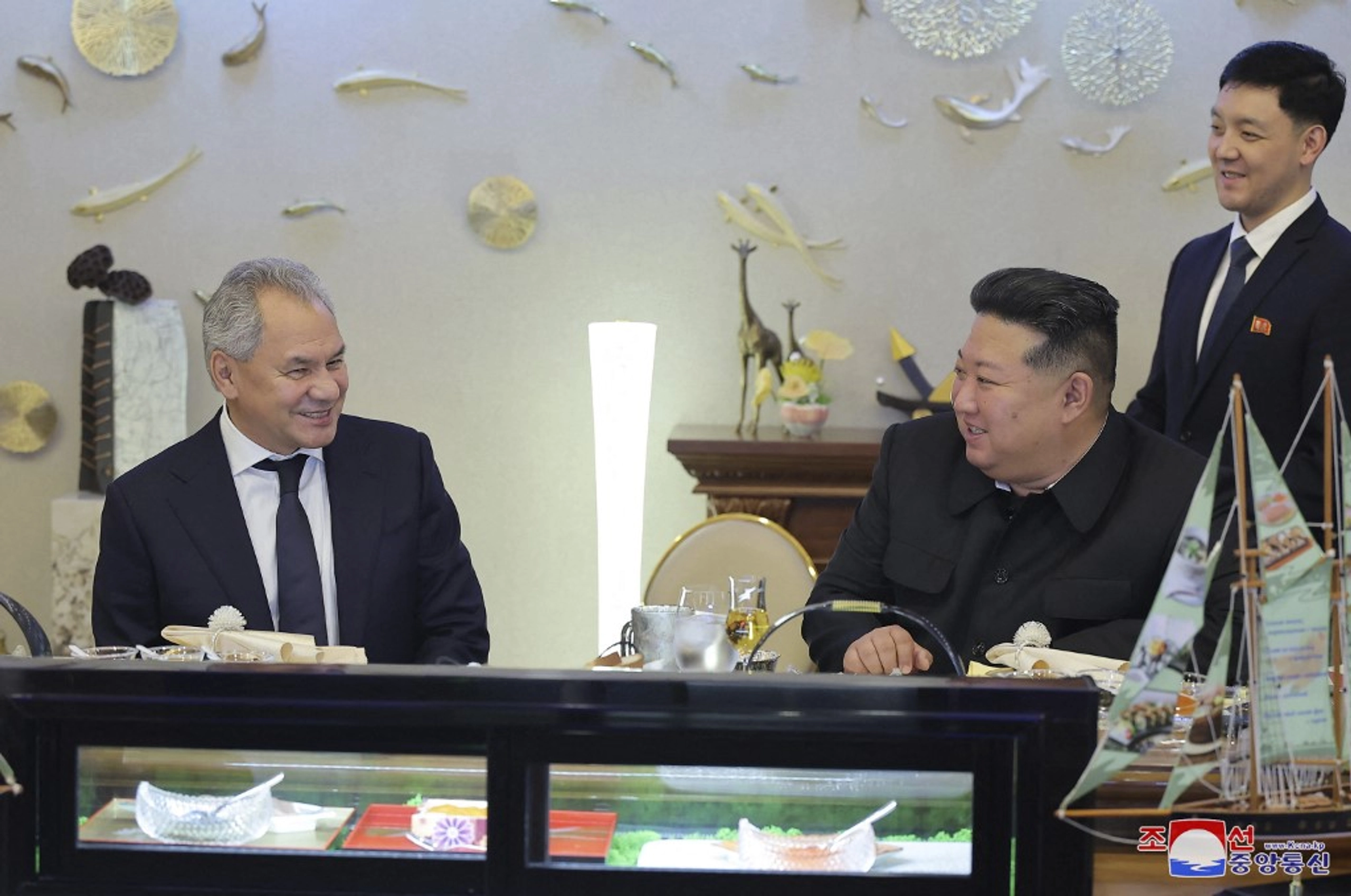
Russia and North Korea have grown closer in recent years. North Korea has sent weapons and troops to help Russia in its war against Ukraine, according to South Korean officials.
Russia’s top security official, Sergei Shoigu, arrived in North Korea on Wednesday, June 4, for talks with leader Kim Jong Un, Russian news agencies reported.
Shoigu is visiting Pyongyang on orders from President Vladimir Putin, according to the state news agency TASS. RIA Novosti said the talks would likely cover current global issues, including the war in Ukraine.

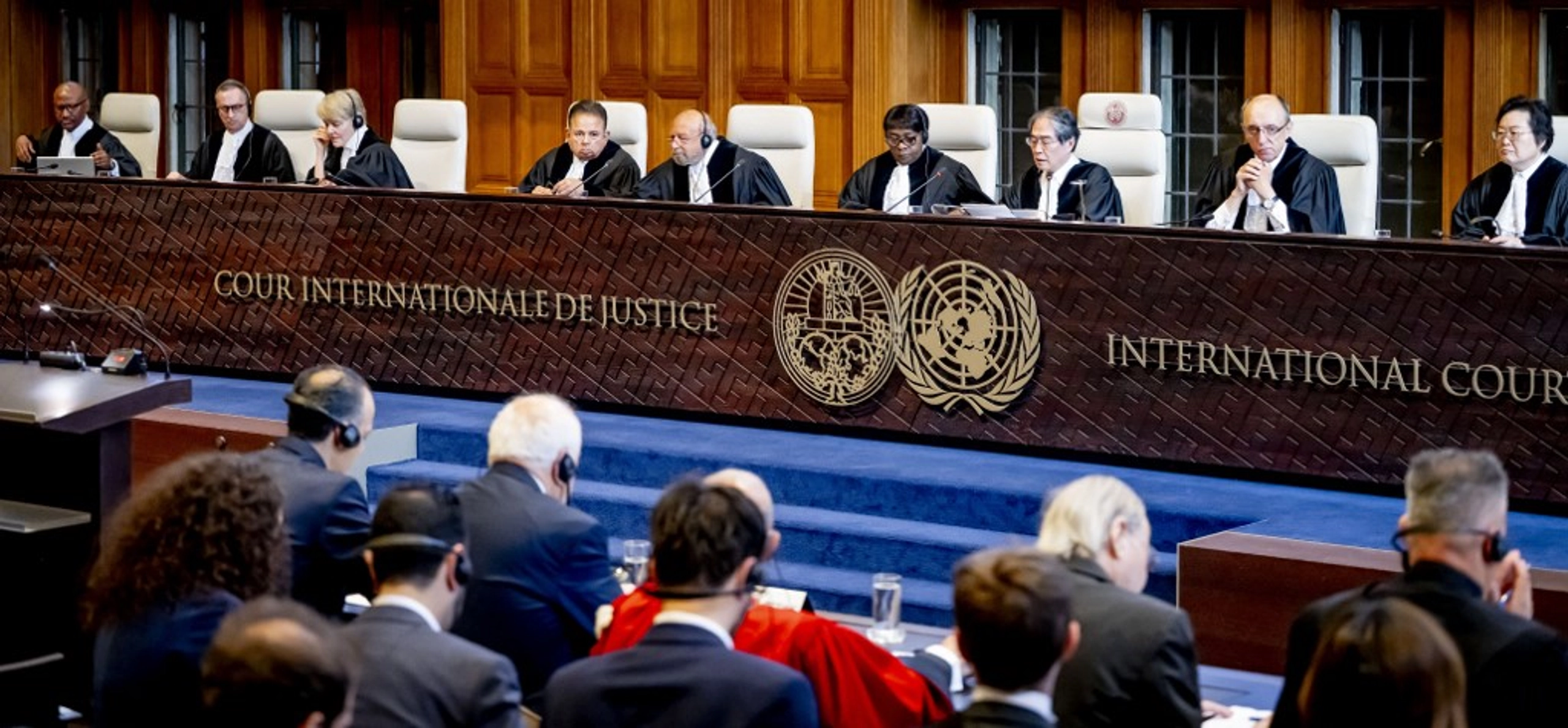
With its war, Russia has inflicted a humanitarian catastrophe on Ukraine. But it’s also a legal turning point – one that could define how the world handles war in the decades ahead.
For centuries, war has been humanity’s cruel constant. It evolves with our technology and politics – but so does our effort to restrain it. Out of the wreckage of Europe’s bloodiest battles, we built rules to spare civilians, protect cultural heritage, and hold commanders accountable. That’s the essence of international humanitarian law (IHL) – a framework meant to bring a measure of order to the chaos of conflict.
But in 2022, when Russia launched its full-scale invasion of Ukraine, that framework began to crack.
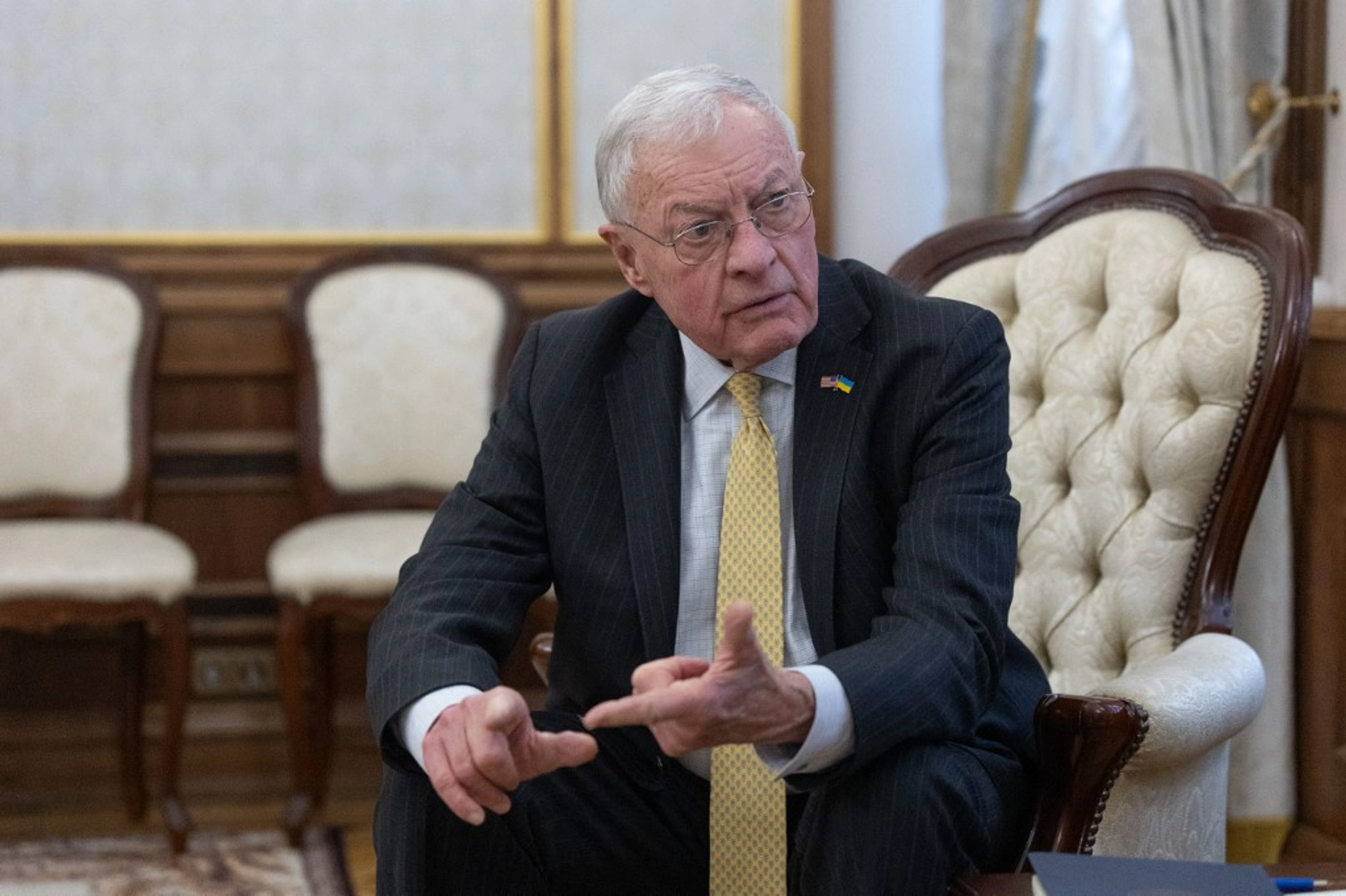
US envoy Keith Kellogg raised concerns that Ukraine’s drone strikes on Russia’s nuclear-capable bombers could have a deep psychological impact. He personally deemed the risk “unacceptable.”
US Special Representative Keith Kellogg said that drone strikes on Russian airfields hosting strategic aviation posed a threat to key components of Russia’s nuclear arsenal.
In comments to Fox News, he raised concerns that when the nuclear triad (the three-pronged nuclear force structure of land-based, submarine-launched and strategic bombers) is at risk, the danger of escalation increases significantly.
The UK’s Interests in the Black Sea Region - Prystaiko, Abbott, Seely, Kemp, Dearnley.

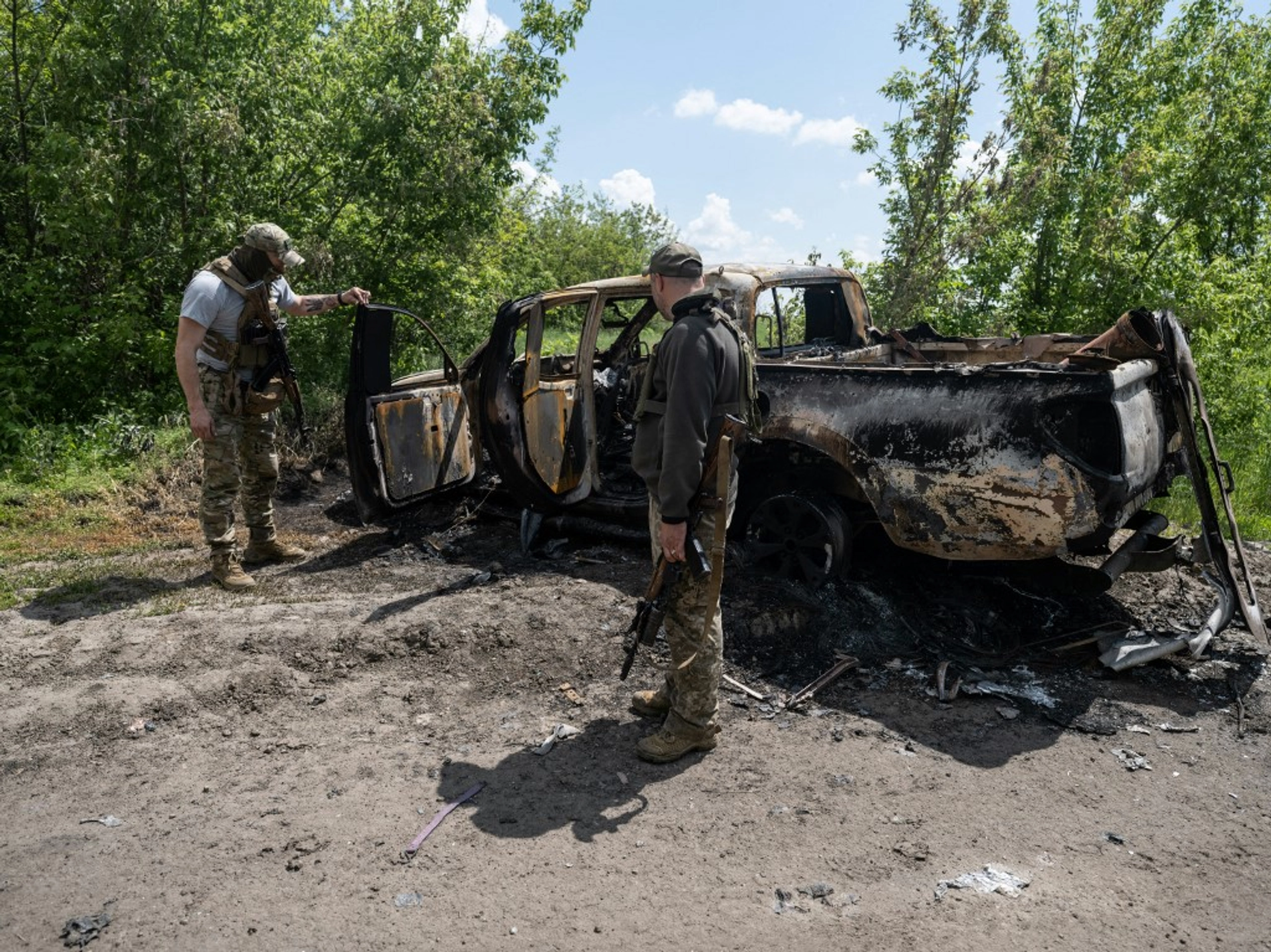
As Russia and Ukraine hold talks in search of an end to the three-year war, Ukrainian soldiers see no let up to the fighting in east Ukraine, ravaged by Russia’s full-scale invasion.
Sipping a coffee under the blazing sun around 20 kilometres from the front line, Ukrainian platoon commander Andriy is ready for peace.
But as Russia and Ukraine hold direct talks in search of an end to the three-year war, he sees no let up to the fighting in east Ukraine, ravaged by Russia’s full-scale invasion.
Daily updates from the General Staff of the Ukrainian Armed Forces (AFU) regarding frontline developments and casualty figures amidst Russia’s invasion of Ukraine.
As of June 4, Russia has lost 991,820 troops after launching its full-scale invasion of Ukraine on Feb. 24, 2022 – including 1,020 troops over the past day, according to the General Staff of the Ukrainian Armed Forces.
The figures are approximate estimations and include all troops who are put out of action for some time due to deaths or injuries.
Assuming a joint Ukrainian-European winning conclusion to the war in Ukraine, Ukraine’s future appears bright, precisely because of its next generation.
I had the good fortune to lecture at two of the preeminent universities of Lviv. That is always a favorite part of my trips to Ukraine – a dialogue with students, which in my opinion offers an opportunity to see the future.
I recently published an English language book entitled “Russian Crimes in Ukraine.” It had been published in the United States as well earlier and is available at various outlets. In Ukraine, the publisher was the Lviv National Ivan Franko University, and the books were disseminated free of charge to libraries and ten of the largest universities in Ukraine.

Twenty-one-year-old Andrei Glukhov, a second-year student at the Volgograd Polytechnic College, was arrested after a September 2024 search of the apartment he shared with his mother.
A Russian student with cerebral palsy has been sentenced to 12 years in a maximum-security prison for treason after he sent a €33 online donation to Ukraine, Russian independent media reported.
Twenty-one-year-old Andrei Glukhov, a second-year student at the Volgograd Polytechnic College, was arrested after a September 2024 search of the apartment he shared with his mother.
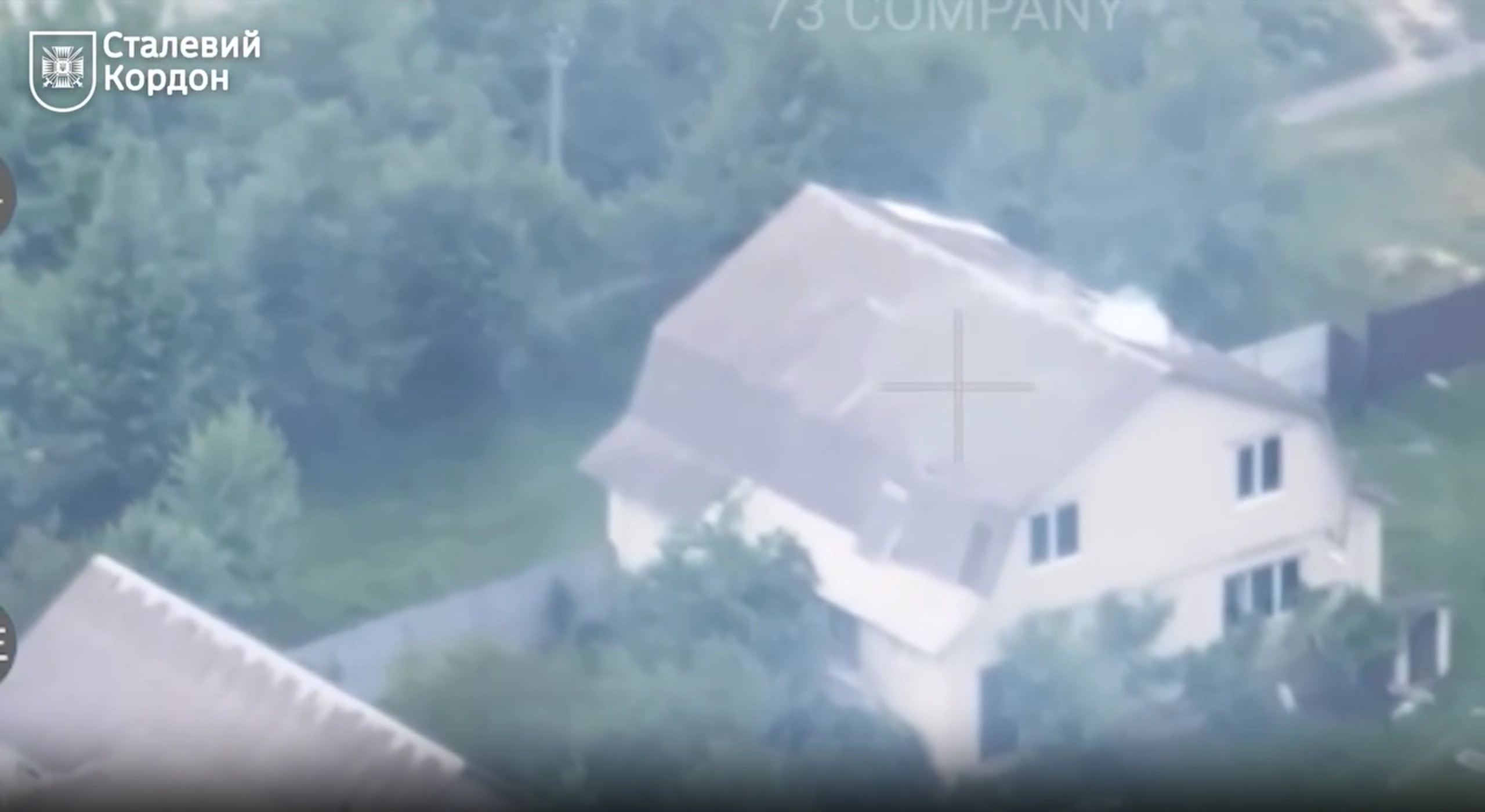
Ukrainian forces have uncovered and eliminated Russian drone launching points hidden in the roofs of civilian buildings – what Kyiv calls a “new trick” to try to evade detection.
The Russian military has resorted to new methods of concealing drone operations, constructing holes in the roofs of civilian buildings through which to launch UAVs, according to the Ukrainian Armed Forces.
The 15th Mobile Border Detachment “Steel Border” reported on Facebook that Kremlin troops have modified civilian rooftops in Russian border settlements to serve as launch and landing points for drones – an apparent attempt to avoid detection.
Kyiv appears to have intentionally avoided nuclear-capable bombers – even when they were out in the open – preferring to target the aircraft responsible for attacking Ukraine’s cities.
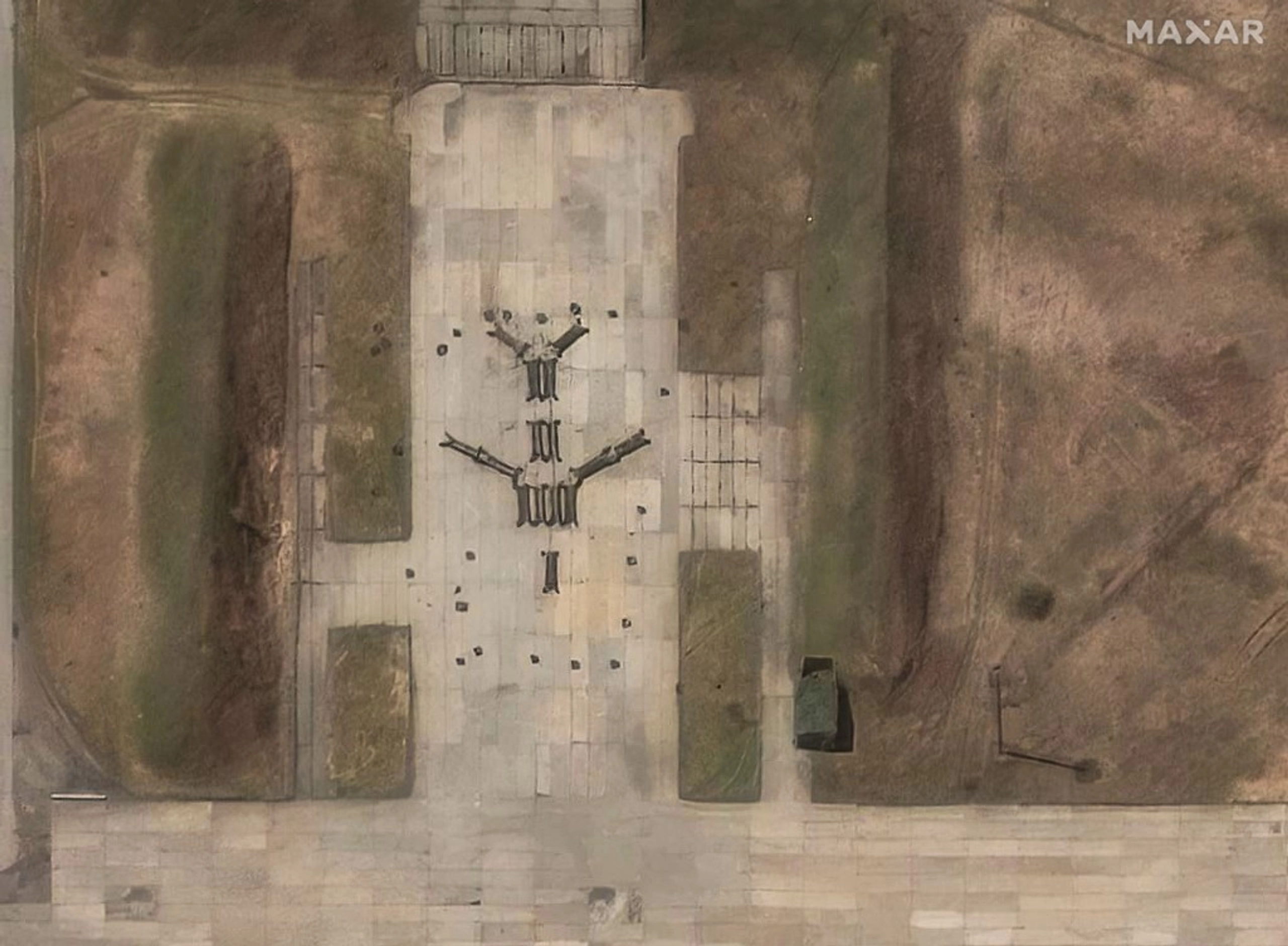
In a stunning display of audacity and strategic restraint, Ukraine’s Operation Spiderweb gutted Russia’s strategic aviation platforms, targeting the heart of its long-range missile capabilities. And it now appears the strike came without a moment to spare. Late breaking information suggests that Ukraine’s strike may have preempted a Russian multi-bomber assault which would have delivered the largest Russian missile attack of the war – timed to tear apart Ukraine cities just as the Istanbul talks resumed.
Ukrainian forces, leveraging technology and audacity, hit airfields hosting Russia’s aging fleet of Tu-95 and Tu-22M3 bombers, leaving an estimated 41 aircraft – according to Ukrainian sources – or “about 40,” per Russian admissions, destroyed, damaged or left burring.

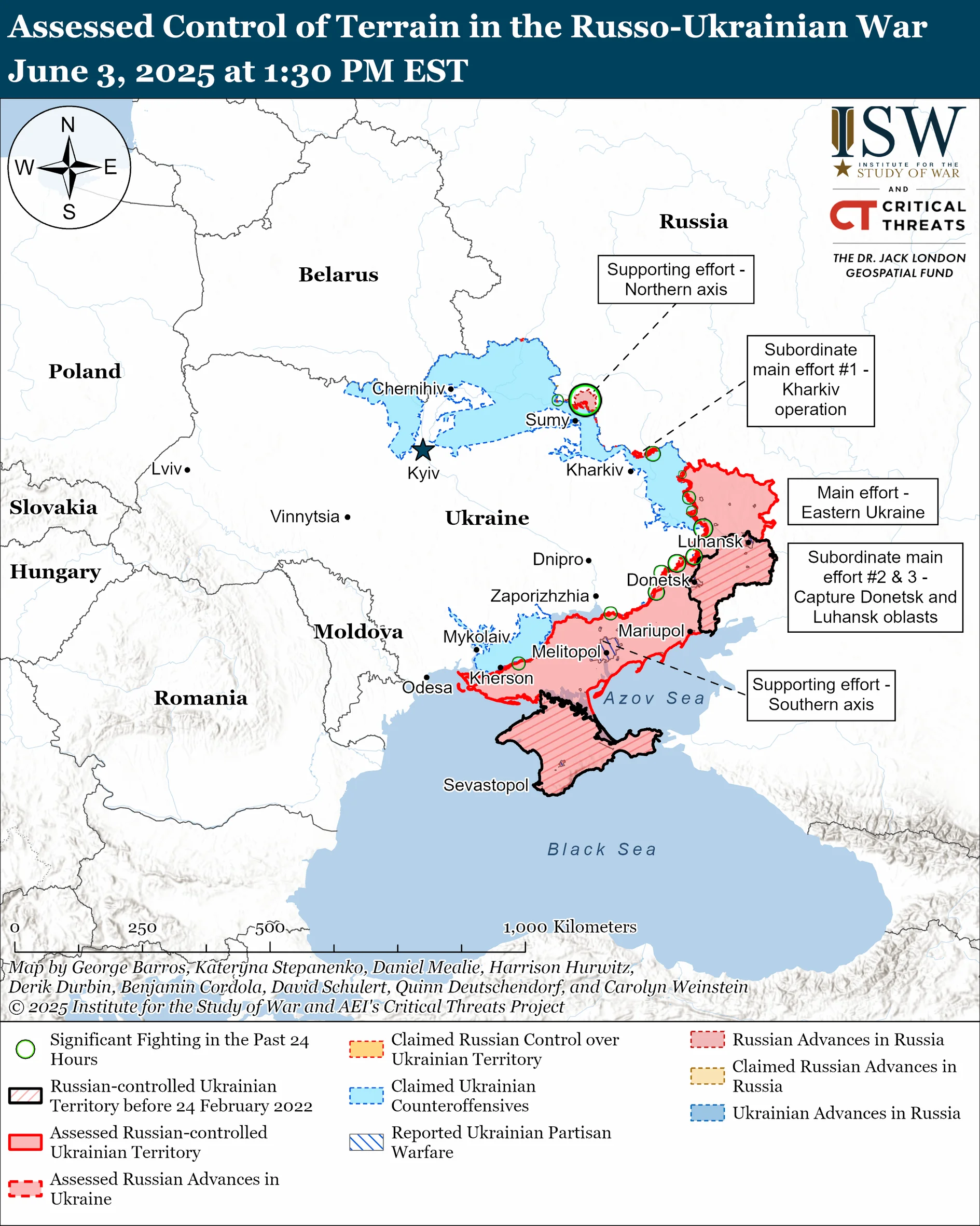
Latest from the Institute for the Study of War.
Key Takeaways from the ISW:
As peace talks stall, senior Ukrainian delegation officials briefed Trump aides on “the real situation on the battlefield.” For White House officials, the big mystery – where diplomacy goes from here.
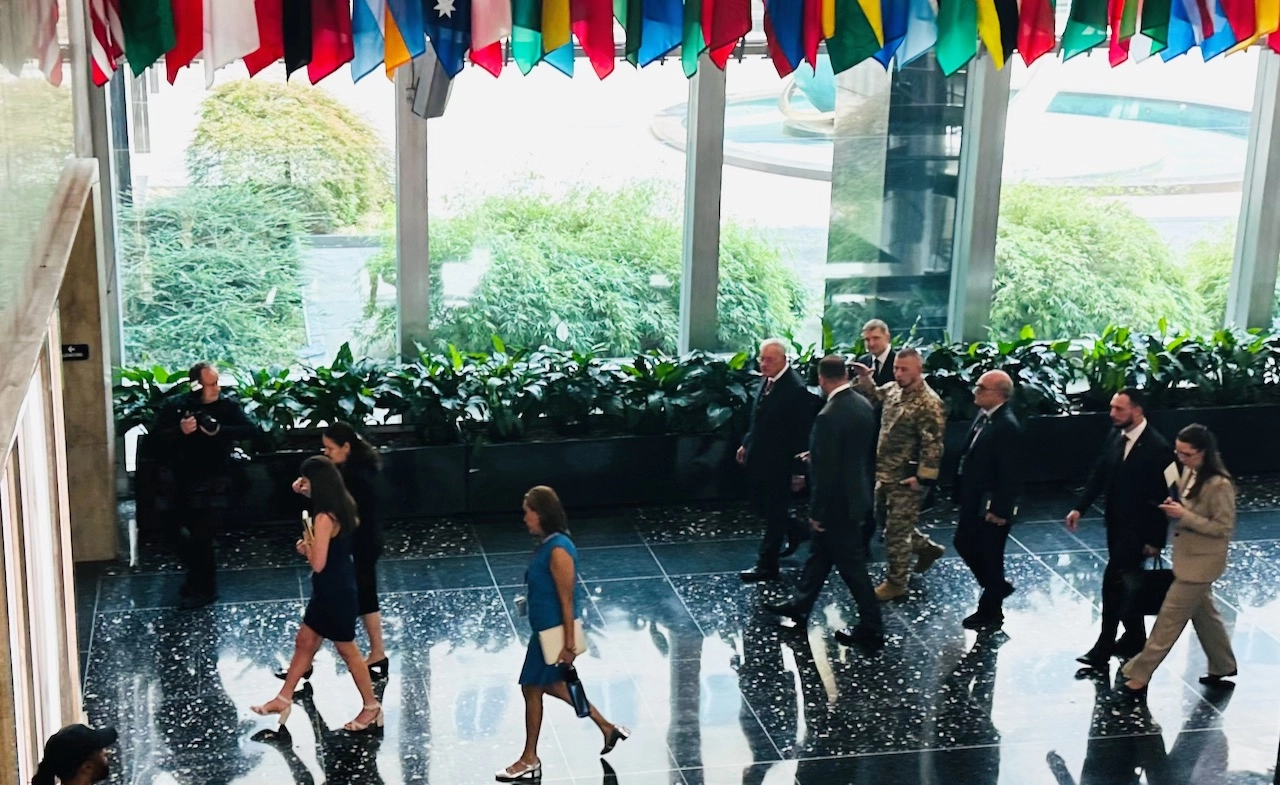
WASHINGTON DC – A Ukrainian delegation, led by Economy Minister Yulia Svyrydenko and Andriy Yermak, head of the presidential office, on Tuesday kicked off their Washington trip with a series of meetings with senior officials, including US President Donald Trump’s advisors, to discuss a range of pressing issues from military aid to economic recovery, to Russia sanctions.
The move came just a day after Ukrainian and Russian officials ended their second round of peace talks in Istanbul with no tangible progress on establishing a ceasefire or other major issues that have fueled the war into a fourth year.
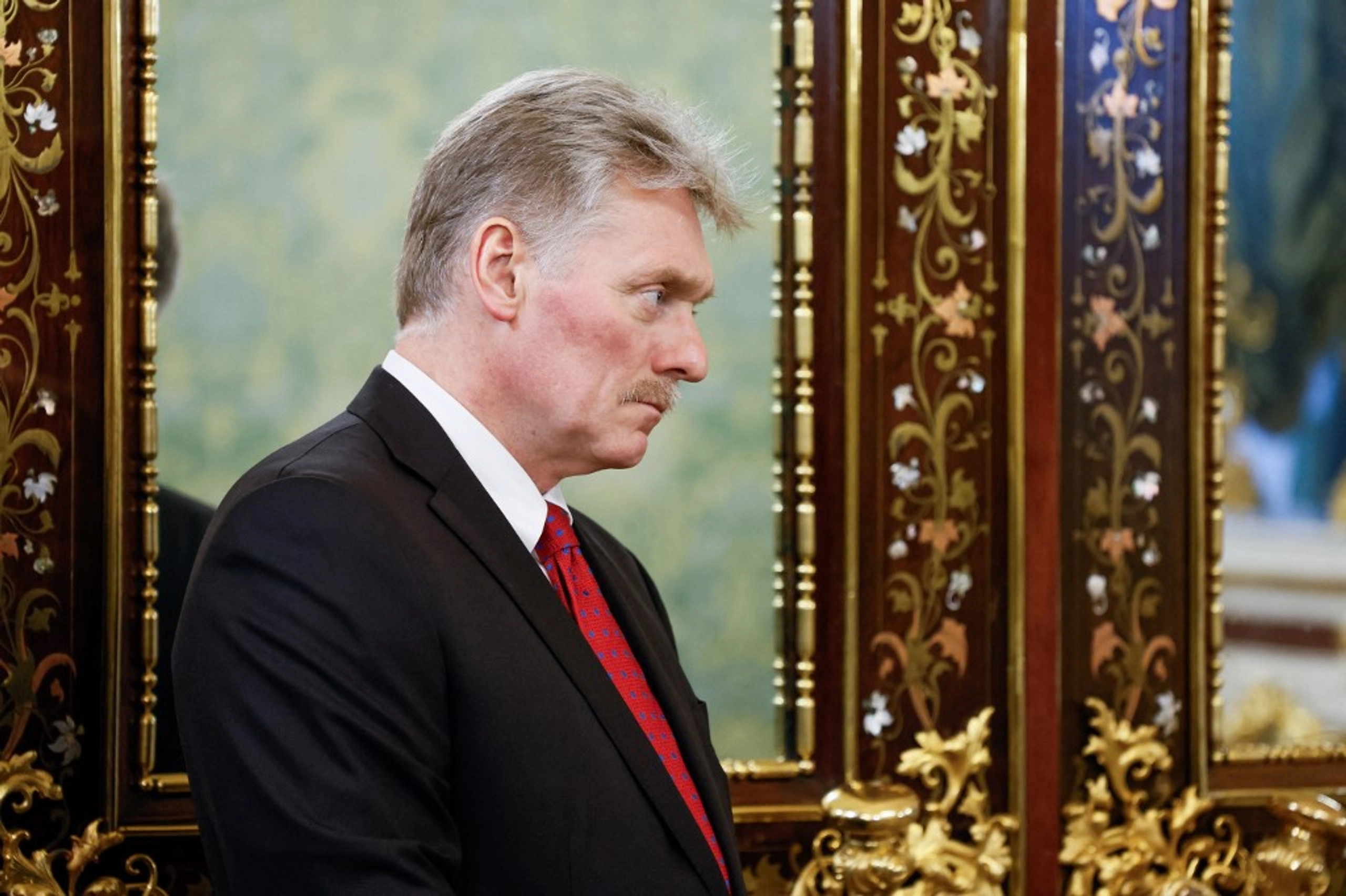
“It would be wrong to expect immediate solutions and breakthroughs,” said Dmitry Peskov, the Kremlin’s spokesman.
Russia on Tuesday said it was wrong to expect a quick breakthrough in Ukraine talks, a day after Moscow rejected Kyiv’s call for an unconditional ceasefire at negotiations in Istanbul.
The sides agreed on a large-scale swap of captured soldiers and exchanged their roadmaps to peace, or so-called “memorandums”, at the discussions, which lasted less than two hours.