



EN

EN


EN
Stay on top of Russia-Ukraine war 03-13-2025 developments on the ground with KyivPost fact-based news, exclusive video footage, photos and updated war maps.

Both countries have repeatedly said a comprehensive peace deal to end their long-standing animosity is within reach, but previous talks had failed to reach consensus on a draft agreement.
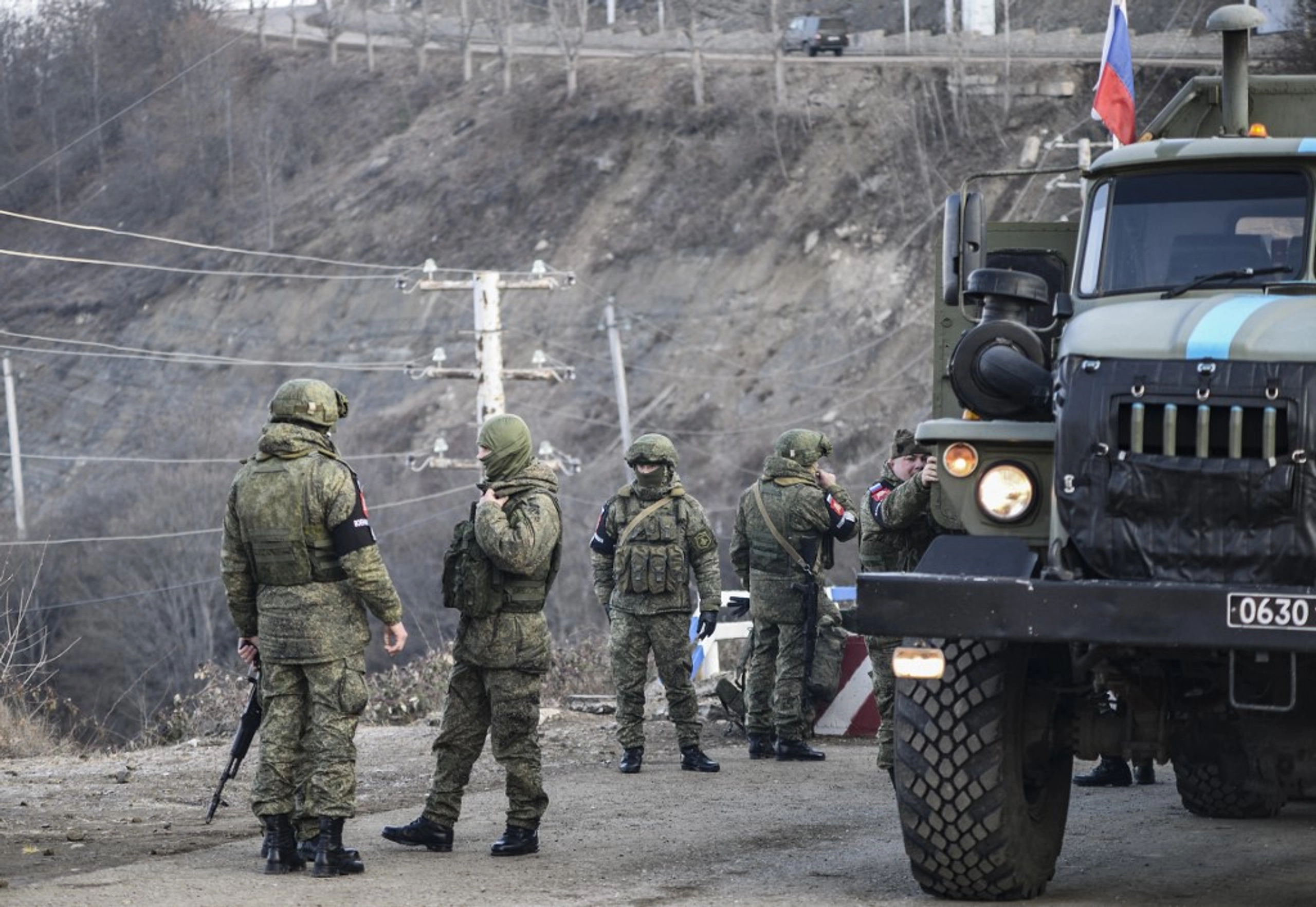
Azerbaijan and Armenia said Thursday that they had wrapped up talks aimed at resolving the Caucasus neighbours’ decades-long conflict, with both sides agreeing on the text of a possible treaty.
A deal to normalise ties would be a major breakthrough in a region where Russia, the European Union, the United States and Turkey all jostle for influence.

Putin wants a weak, failed Ukrainian state. Obviously Ukraine wants the opposite.
Ukraine’s decision to accept the Trump administration push for an early ceasefire in the Russo-Ukraine war did surprise me.
I thought that Kyiv saw leverage in agreeing to a ceasefire and would have wanted some concession therein, particularly around security guarantees. As is, their position was undermined by the scrap in the Oval Office, and the withdrawal then of US military and intelligence support. They were then forced to backtrack and accept the resumption of that support as the quid pro quo for agreeing to the ceasefire.

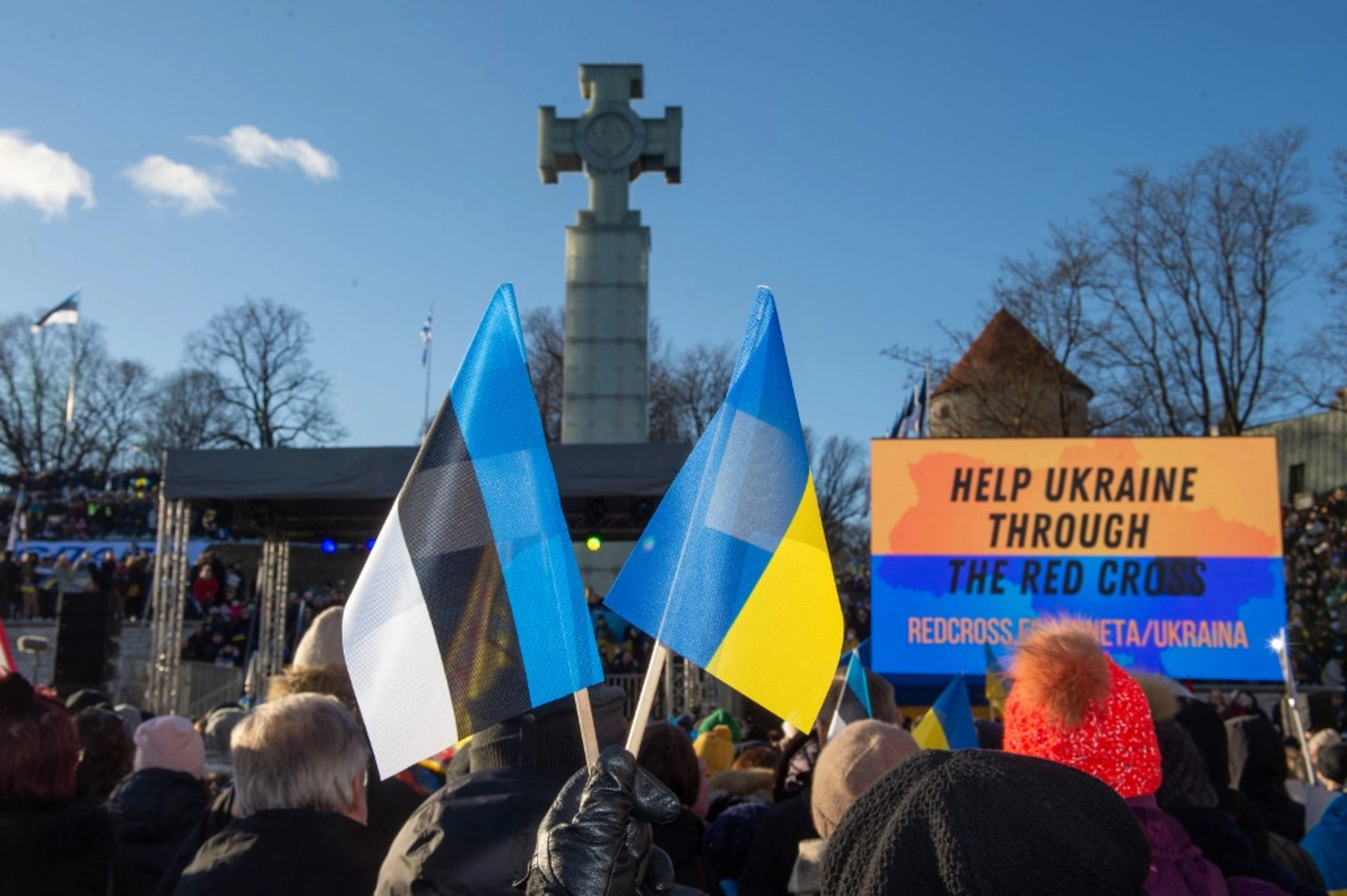
If Trump sidesteps the alliance and Europe is preoccupied with guarding Ukraine, Russia plans to seize a portion of Estonia to test NATO’s resilience and commitment.
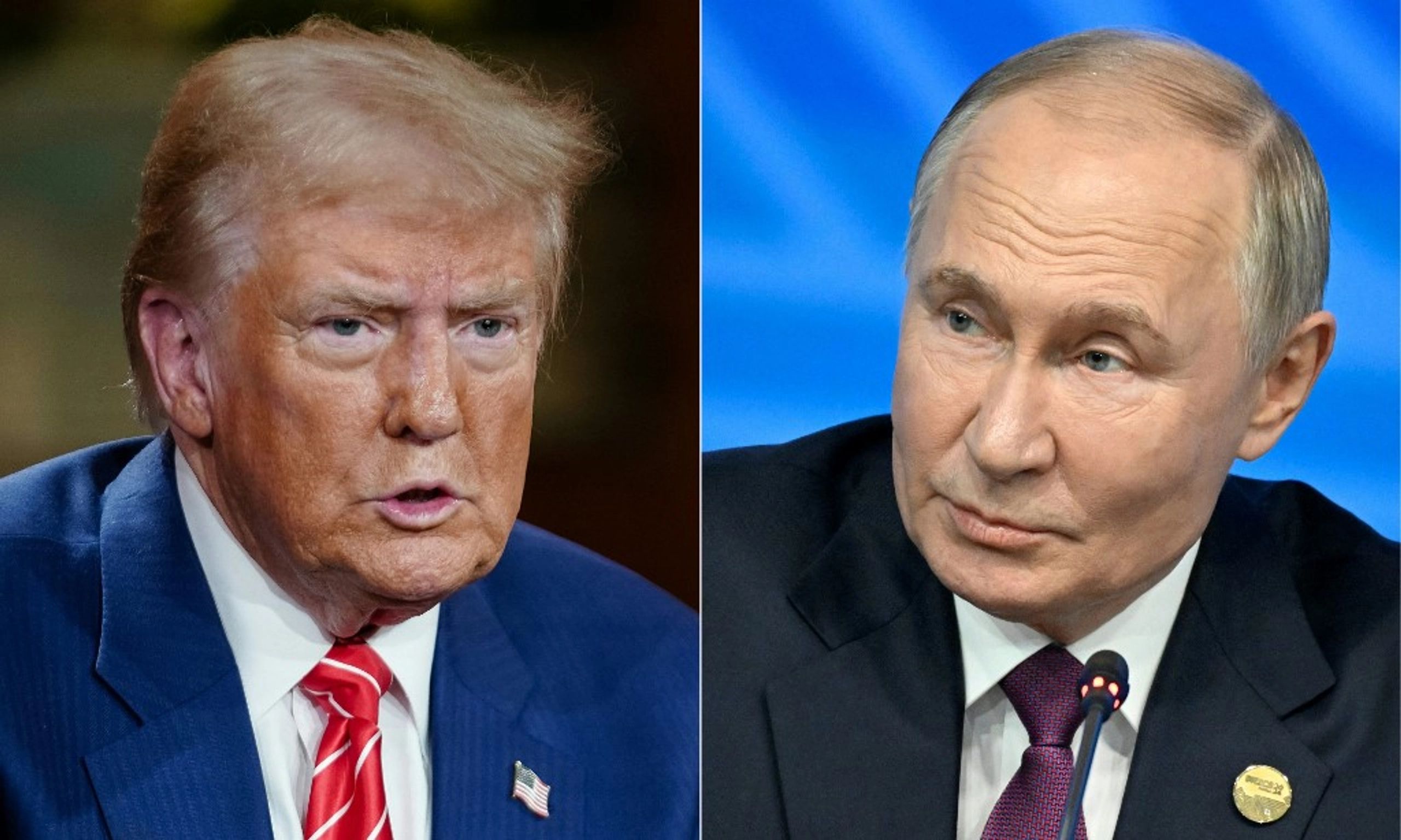
American negotiators are to meet with Putin in Moscow on March 13 to discuss a 30-day ceasefire that Ukraine has agreed to.
“If their response is ‘Yes,’ there’s a real chance of peace,” said US Secretary of State Marco Rubio. “If their response is ‘no, then it’ll make their intentions clear.”

Ukrainians hope that the peace talks will be more than just a ceasefire for show. But without Keith Kellogg, the risk of more show and less substance rises.
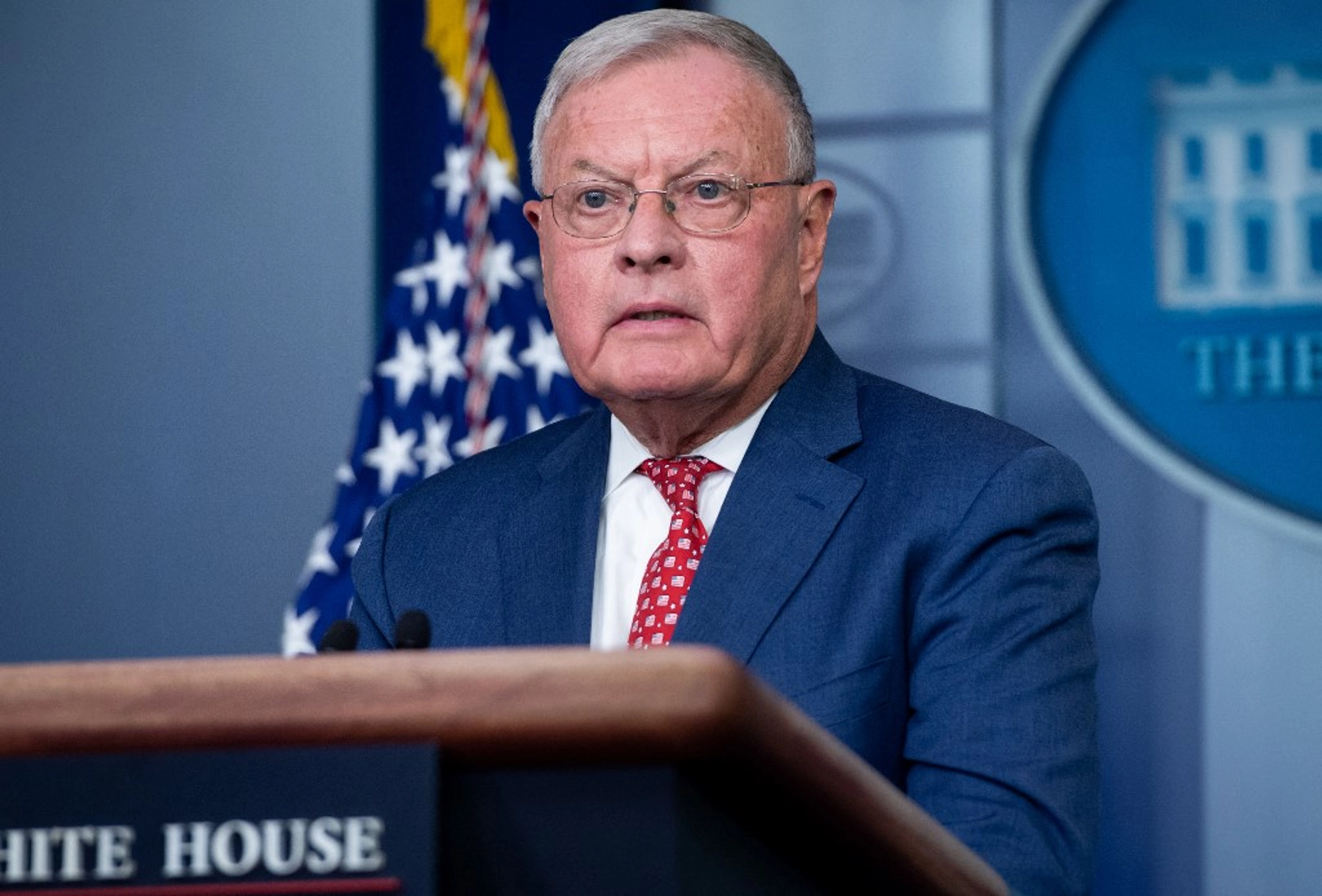
In a move that has raised eyebrows from Washington to Kyiv, Lt. Gen. Keith Kellogg, President Donald Trump’s hand-picked special envoy for Ukraine and Russia, has reportedly been sidelined from ceasefire negotiations.
Posts on X and reports from Politico and Newsweek confirm what many feared: the Trump administration is shuffling its deck, and a seasoned military mind is being pushed to the sidelines. For Ukraine, where every tactical decision is a matter of survival, this could signal a troubling shift in America’s approach to ending the war.

Meanwhile, Moscow’s staunchest ally Belarus denied the possibility of a ceasefire deal between Kyiv and Moscow at a Thursday press conference in Moscow.
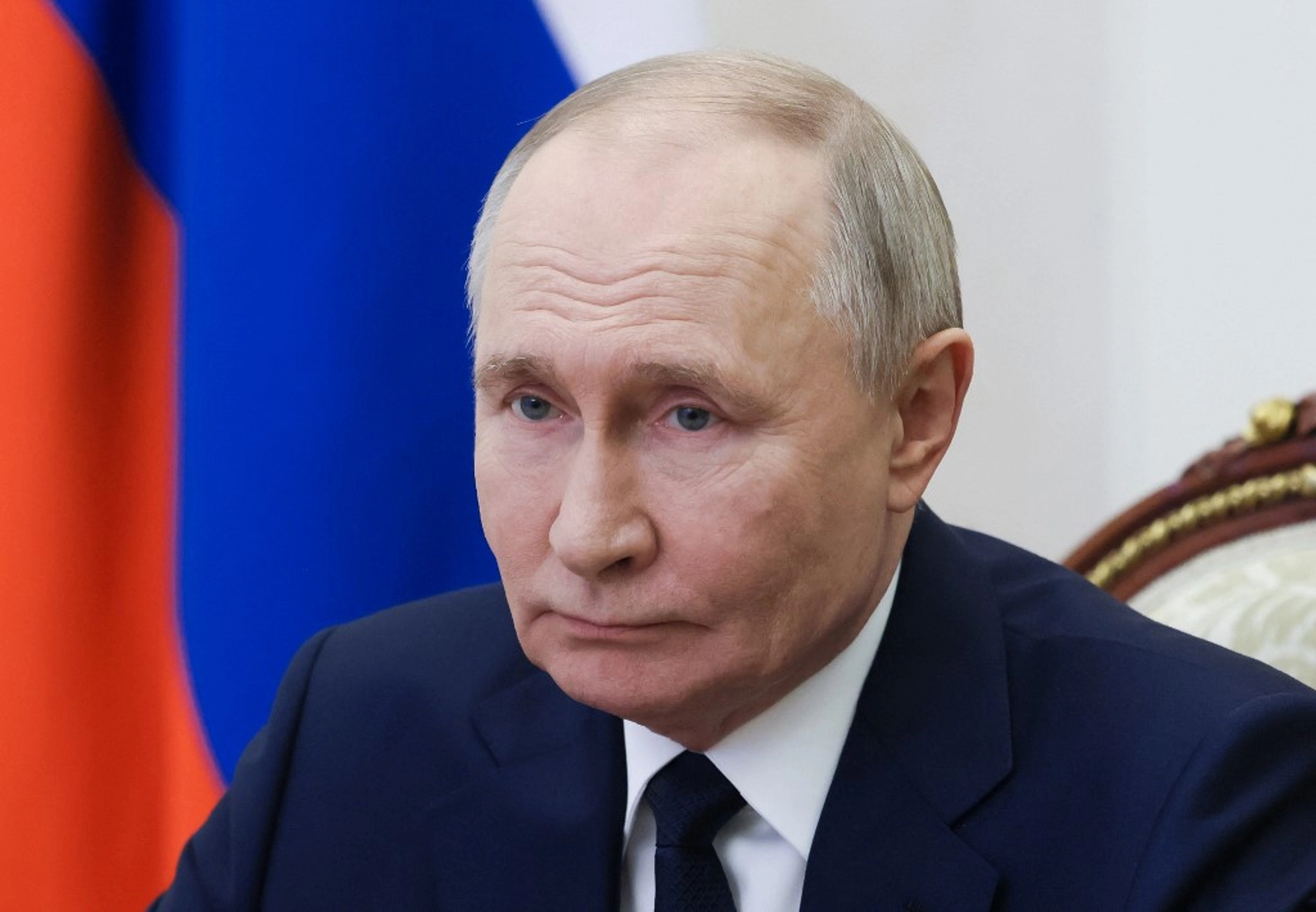
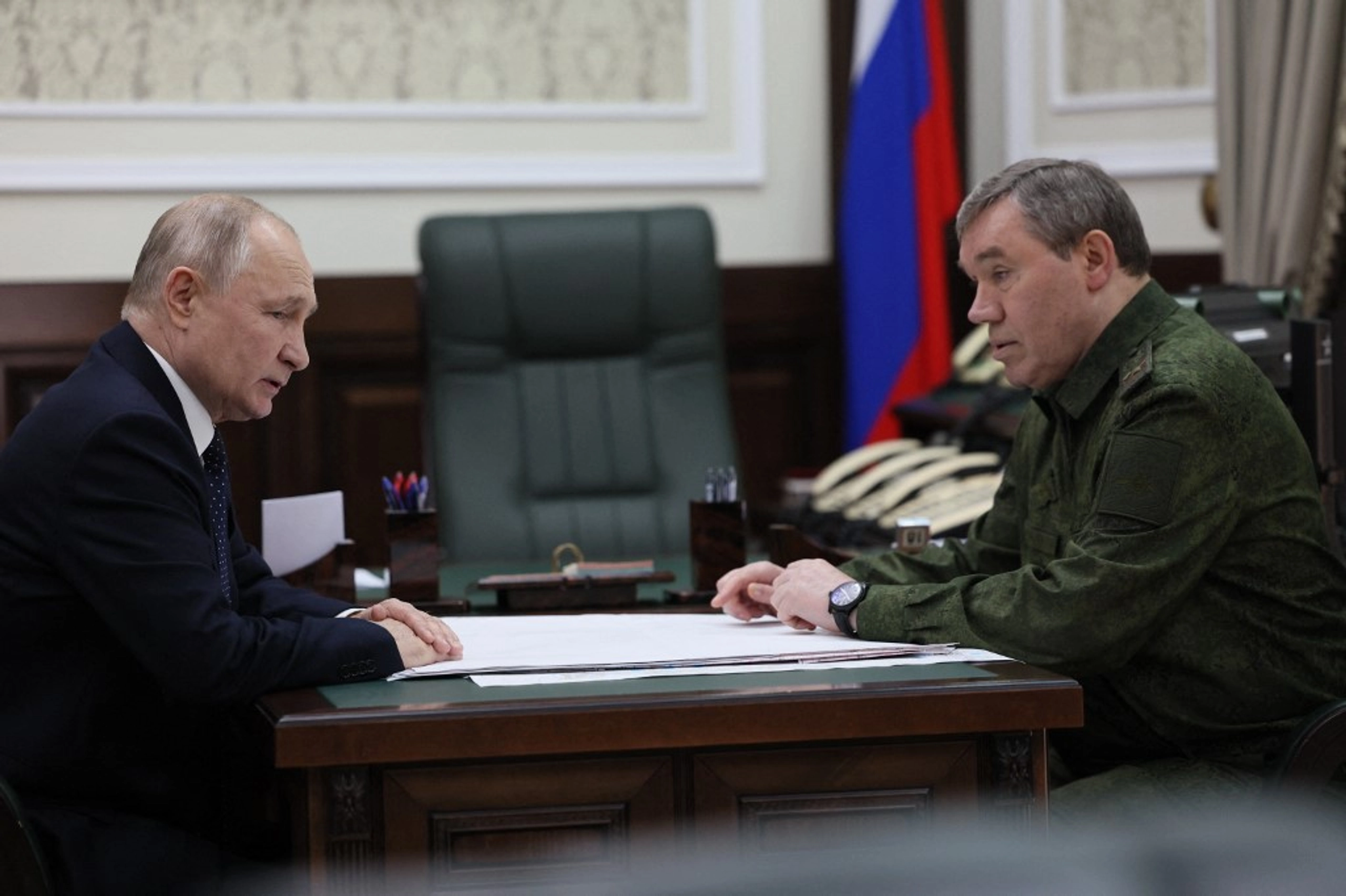
Russian leader Vladimir Putin said he is open to ceasefire proposals as a whole, but questioned the effectiveness of the US-backed 30-day ceasefire proposal at a joint press conference on Thursday alongside Belarusian leader Alexander Lukashenko.
The conference was held after a closed-door meeting between the two in Moscow.
Air reconnaissance on the NATO southeast frontier is intensifying, with Britain long leading the air ops effort and now France stepping in more. Americans are close to invisible – and not by stealth.
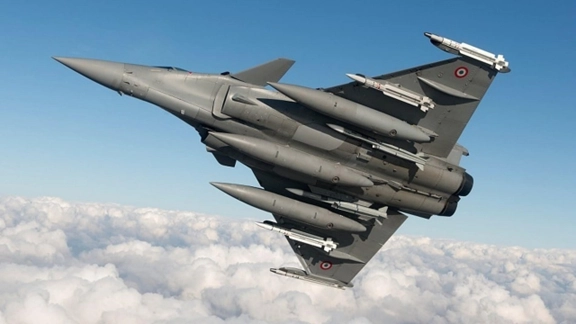
On Wednesday, France, for the first time, sent a pair of Rafale fighter aircraft, the most advanced combat warplanes in the Armée de L’air et de L’espace inventory, on a provocative patrol the length of the Black Sea and approaching Kremlin-controlled airspace over the Crimea peninsula and Russia’s Krasnodar region.
The Dassault Rafale is a fourth generation plus twin-engine fighter designed for air-to-air combat, ground attack, and reconnaissance missions. According to open-source flight tracking data reviewed by Kyiv Post, the Thursday mission by the two French fighters with tail markers FAF4220 and FAF4221 was the first time that aircraft flew a long-range reconnaissance mission as part of increasingly aggressive NATO air reconnaissance operations over the Black Sea at the edge of Kremlin-controlled airspace.
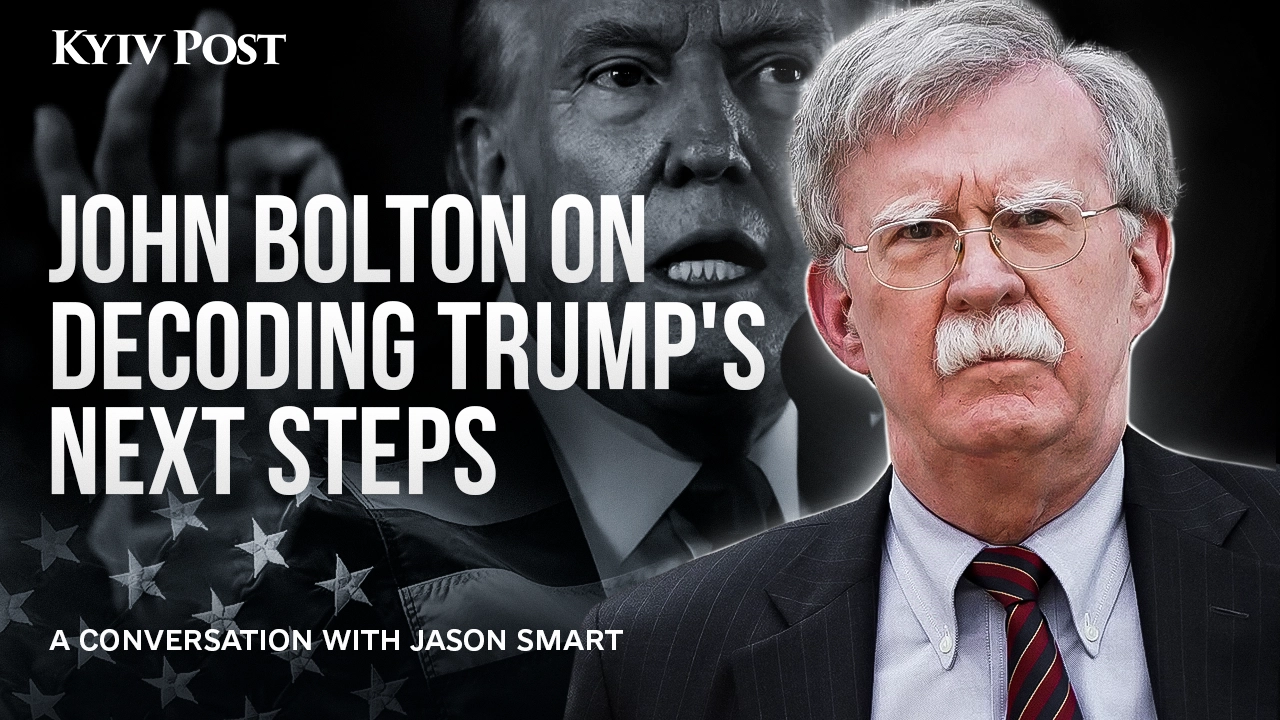
In an interview with Kyiv Post’s Jason Smart, John Bolton reveals how allies can navigate Trump’s unpredictable foreign policy, what Ukraine should brace for, and what Russia is betting on.

ERA loan is a first historic step to make Russia pay for its invasion of Ukraine. US has already transferred its first tranche in 2024.
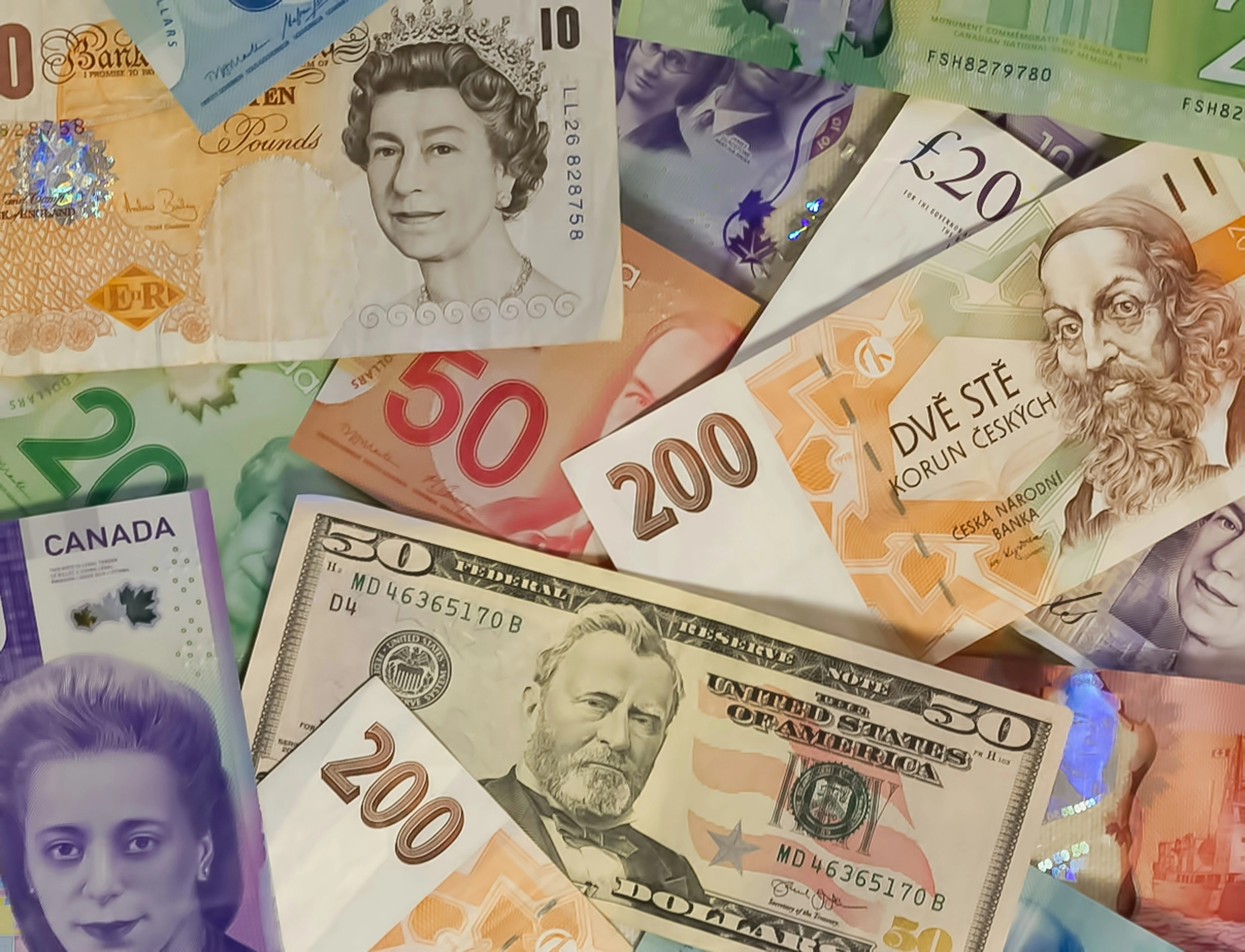
Ukraine received 2.5 billion Canadian dollars (nearly $1.7 billion) – its first tranche from Canada under the G7 Extraordinary Revenue Acceleration for Ukraine (ERA) initiative – wherein Russia is made to pay for its invasion of Ukraine.
The cash will finance the state budget directly, Ukraine’s Ministry of Finance reported on Thursday.
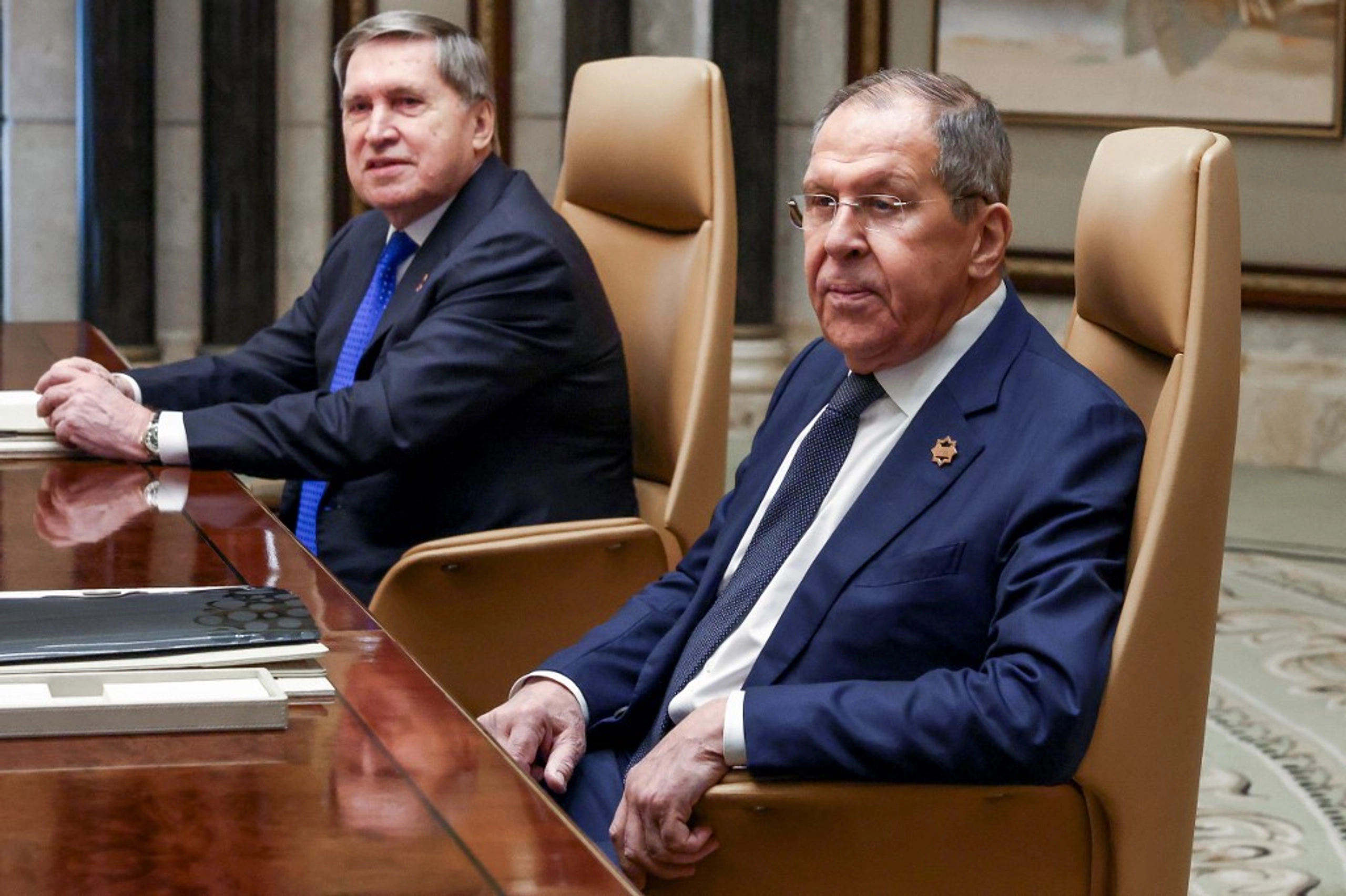
Putin’s aide Ushakov dismissed a temporary truce in Ukraine as a ploy to aid Kyiv’s military, insisting on a “long-term settlement,” while Ukraine accepted a US-backed 30-day ceasefire.
Two Russian officials have commented – or rather, rejected – the legitimacy of the US-backed 30-day ceasefire proposal.
Russian President Vladimir Putin’s aide, Yuri Ushakov, who participated in the Feb. 18 talks with the United States, stated that Moscow is not interested in a temporary truce with Ukraine but rather in a long-term settlement, Russian media Interfax reports.
France has until now voiced opposition to seizing frozen Russian assets, arguing that such a move would be against international agreements in a stance that puts Paris at odds with its ally Britain.
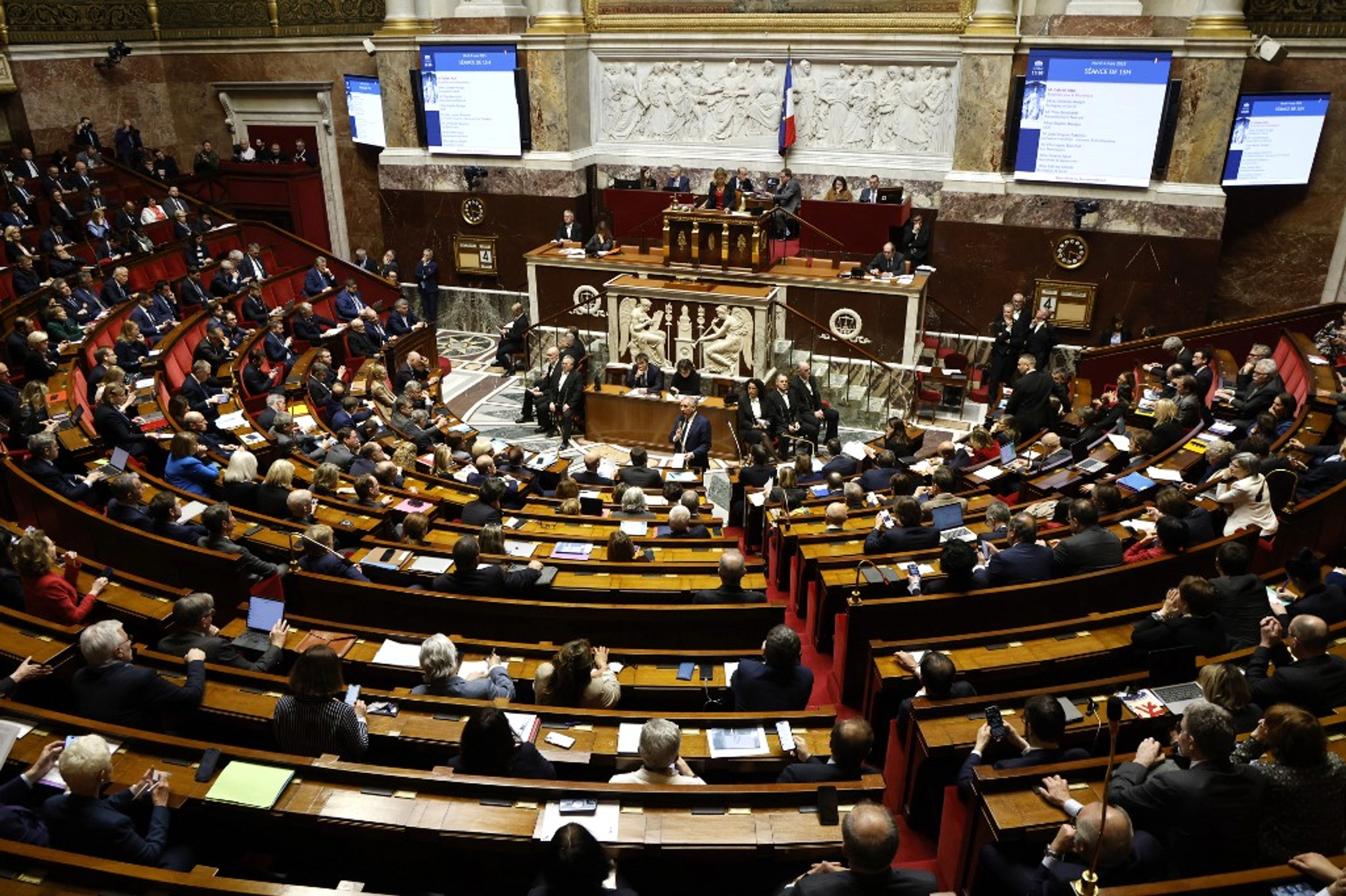
French lawmakers on Wednesday adopted a resolution urging France and allies to provide more support for Ukraine, including by seizing tens of billions of euros in frozen Russian assets.
France has until now voiced opposition to seizing frozen Russian assets, arguing that such a move would be against international agreements in a stance that puts Paris at odds with its ally Britain.
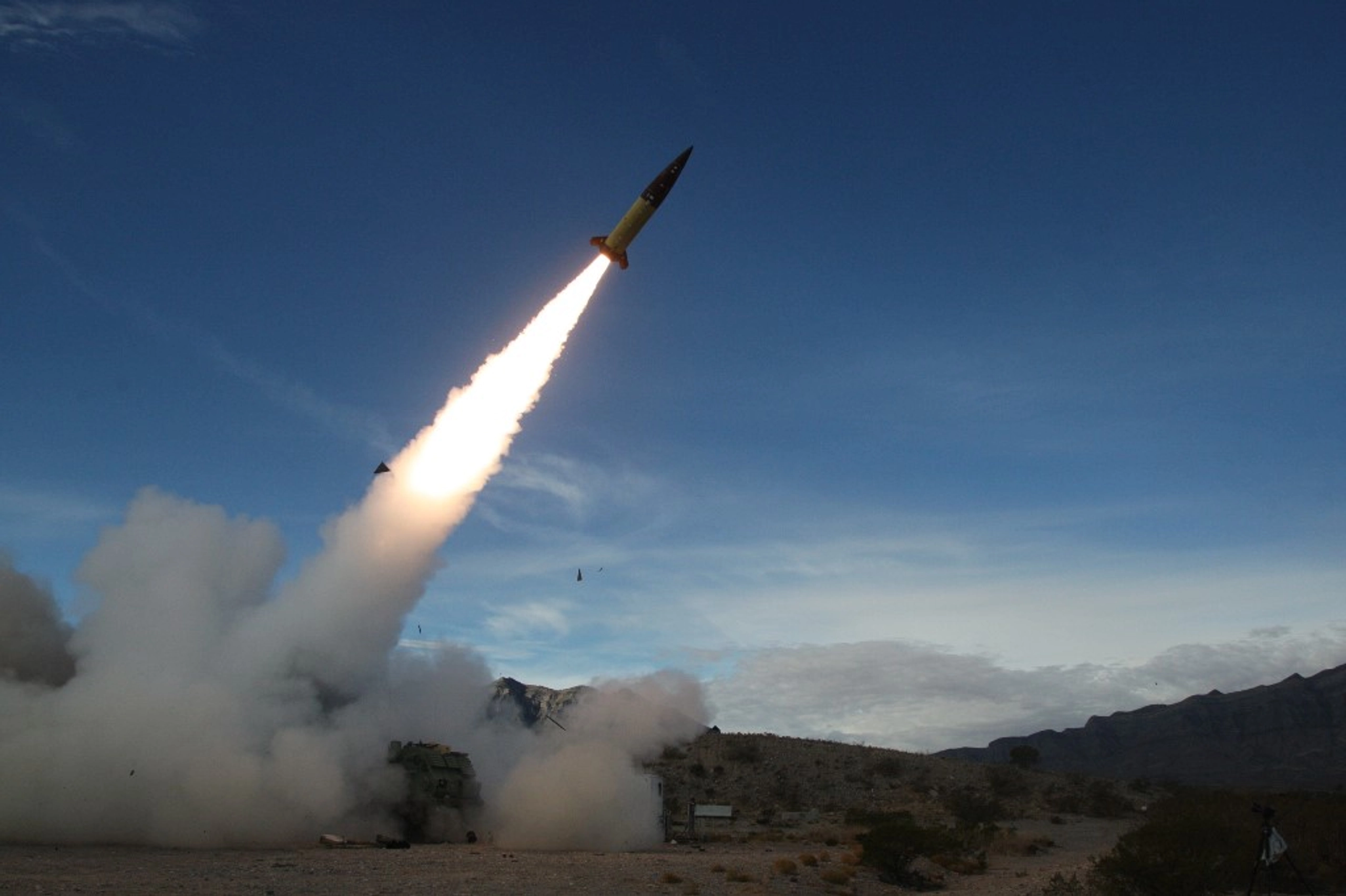
Ukraine reportedly received fewer than 40 ATACMS missiles
Ukraine has already exhausted its limited stockpile of long-range ATACMS missiles, the AP reported, citing an unnamed American official and a Ukrainian lawmaker from the defense committee.
The US official stated that the United States supplied Ukraine with fewer than 40 ATACMS missiles overall, all of which had been used by January.

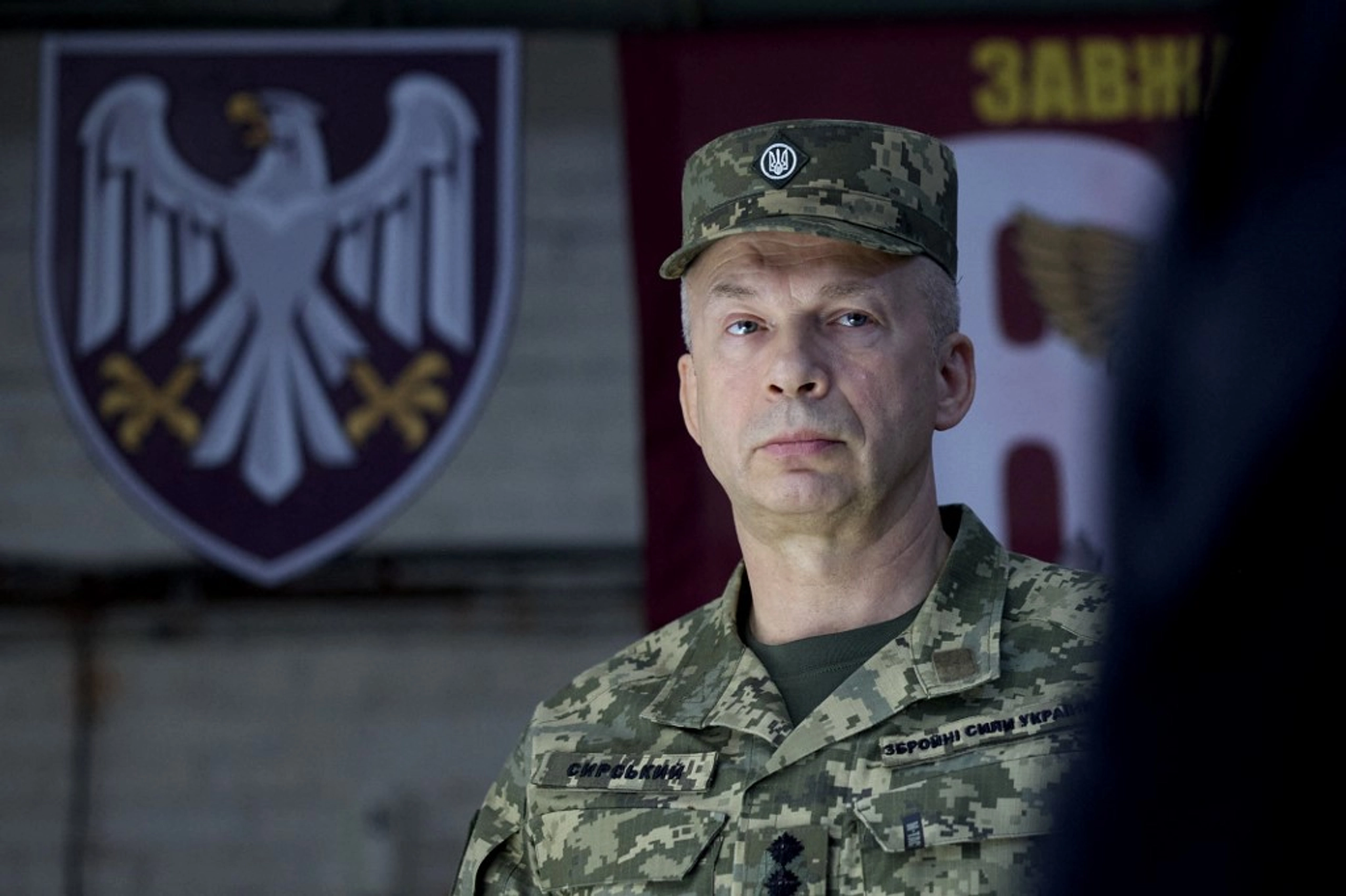
Neither the Ukrainian General Staff nor Commander-in-Chief Oleksandr Syrsky has confirmed Russian control over the town.
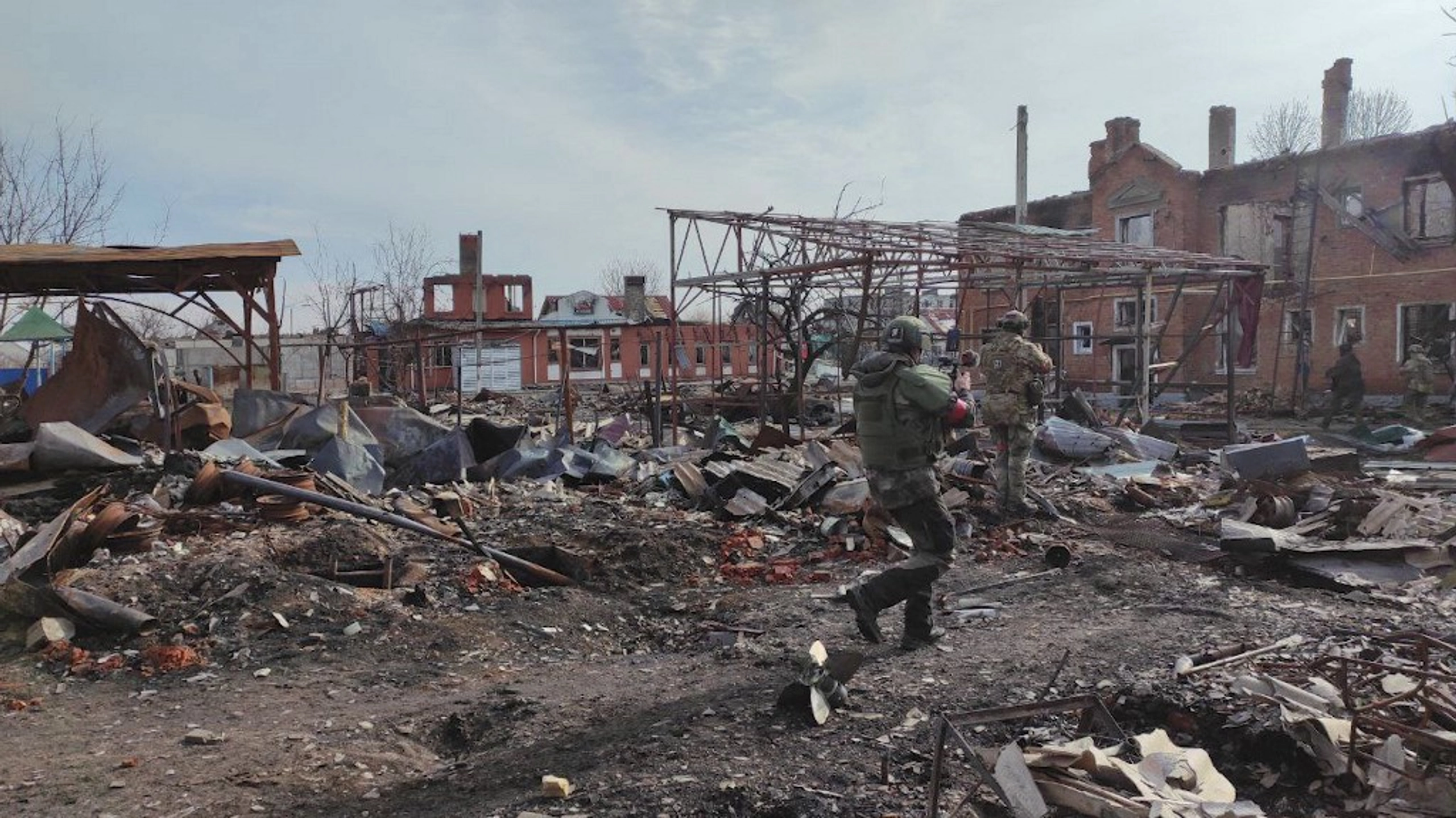
The Russian Defense Ministry claims its forces have taken full control of Sudzha in Kursk Oblast as part of their ongoing offensive.
In its latest Telegram update on Thursday, March 13, the ministry stated:
According to Ukraine’s Military Intelligence (HUR), Russia was assembling drones inside the facilities of the Kaluga Aerated Concrete Plant.
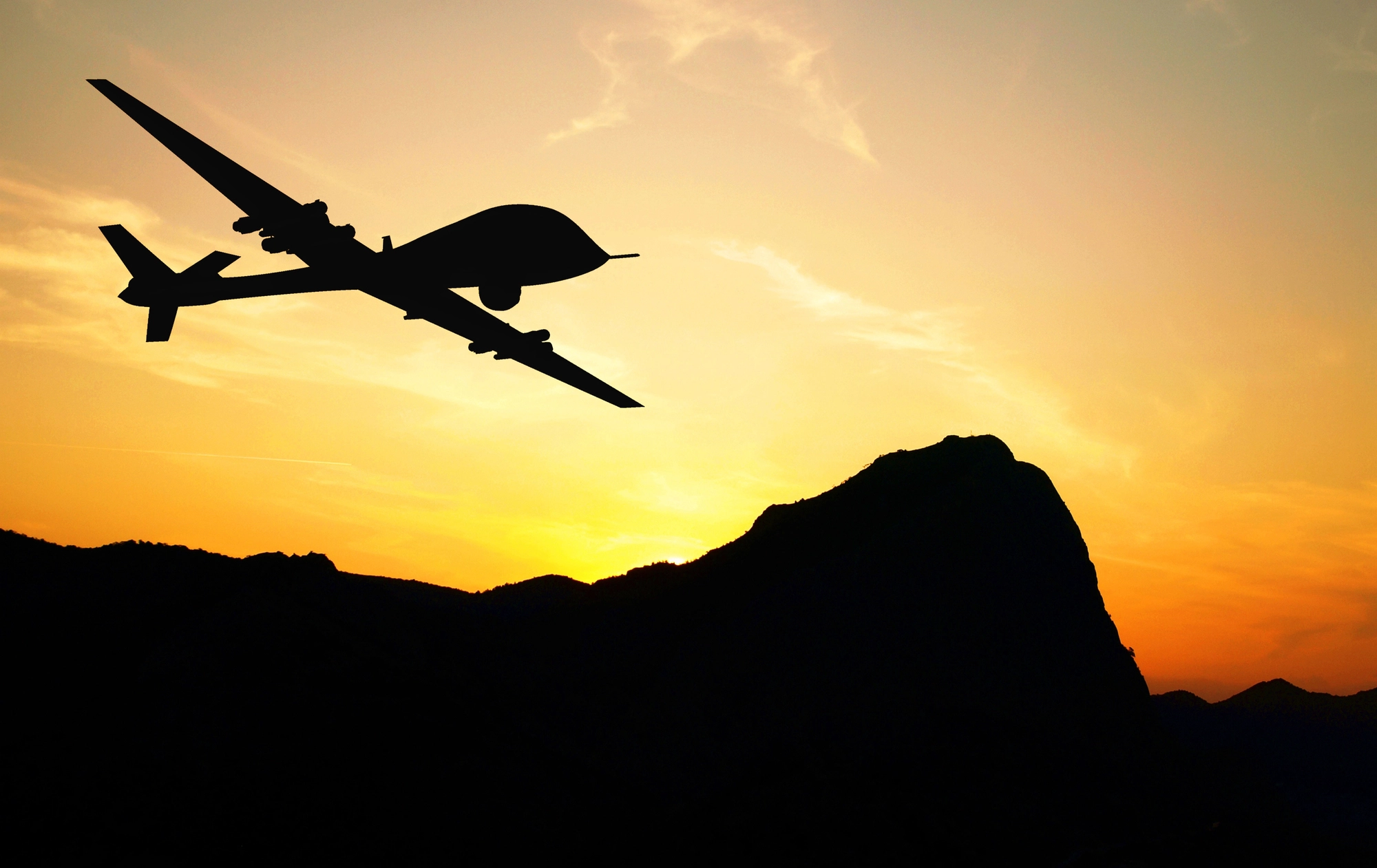
Ukrainian drones hit a secret Russian drone assembly plant in the Kaluga Region, southwest of Moscow, an intelligence source told Kyiv Post. The source said the attack took place on the evening of March 12 in the village of Obukhovo.
According to Ukraine’s Military Intelligence (HUR), Russia was assembling drones inside the facilities of the Kaluga Aerated Concrete Plant.
Shocking new video footage allegedly shows Russian troops executing Ukrainian POWs.
Russian President Vladimir Putin declared that all Ukrainian soldiers captured in Kursk Oblast should be treated “as terrorists” during his first visit to the region since Ukrainian forces began operations there in August 2024.
Moments later, Putin added: “We treat all people and must treat them humanely in the future – all who have fallen into our hands.”
The Polish president said there’s a need for NATO’s deterrence to shift eastward to Poland following the end of the Cold War.
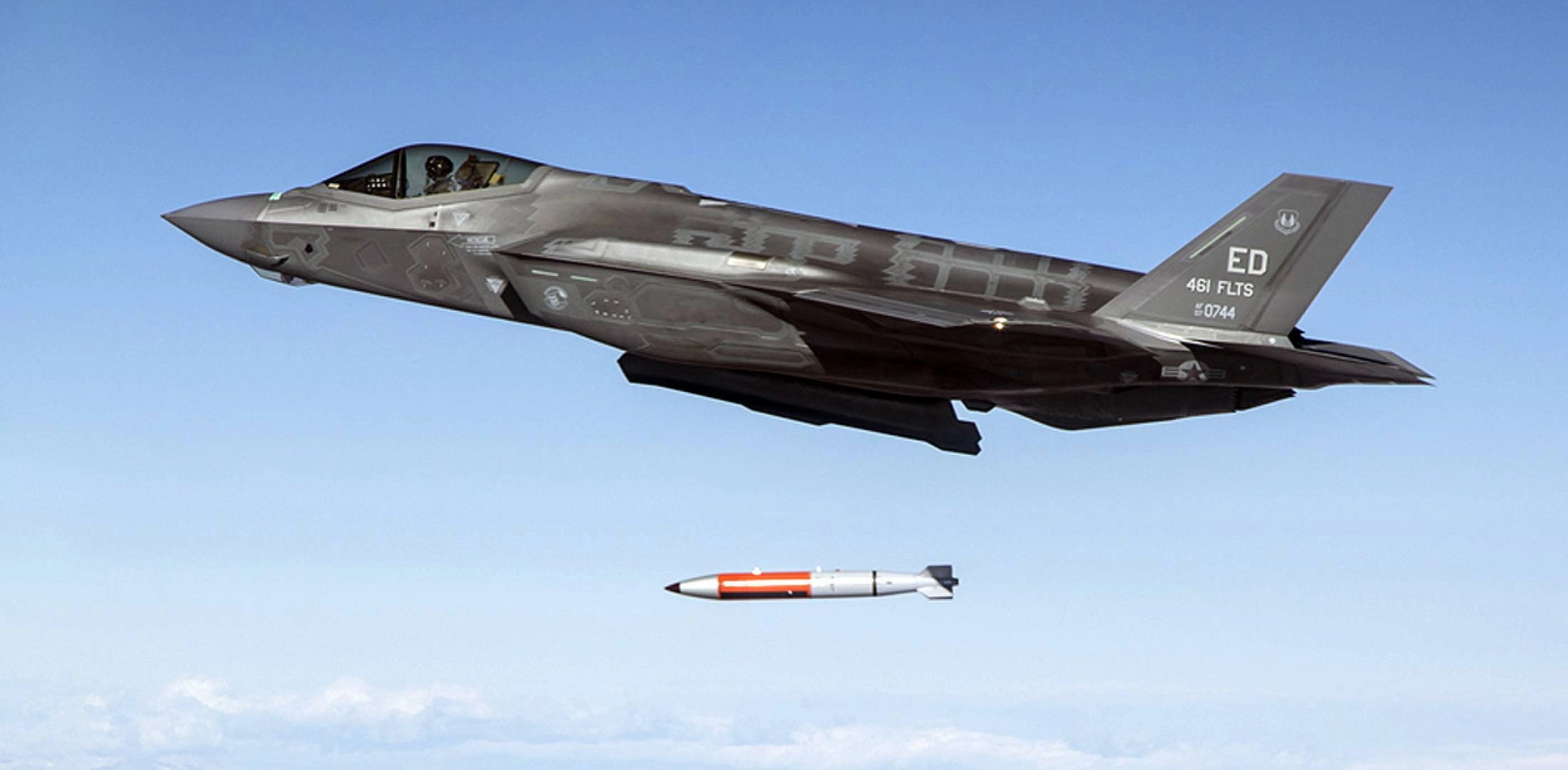
Polish President Andrzej Duda has asked the US to deploy nuclear weapons to Poland to deter a potential Russian invasion.
Duda argued that NATO’s deterrence should shift eastward from Germany to Poland following the end of the Cold War, adding that he has discussed the option with Washington’s Ukraine-Russia envoy Keith Kellogg. However, Duda did not divulge the details of the conversation.

The world in focus, as seen by Canadian leading global affairs analyst Michael Bociurkiw in a quick review of the biggest news in international media today.
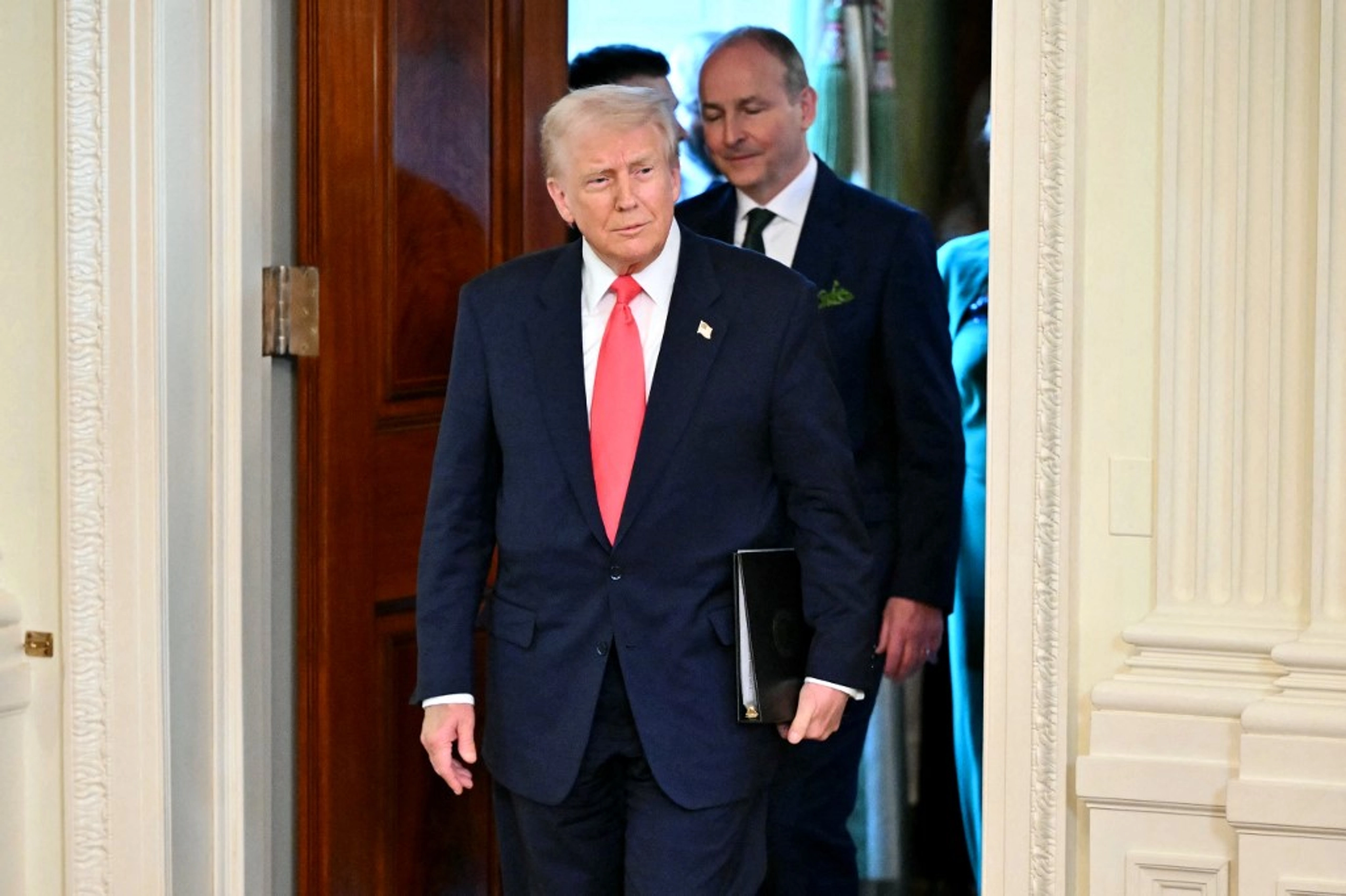
President Donald Trump openly challenged U.S. allies on Wednesday by increasing tariffs on all steel and aluminum imports to 25% as he vowed to take back wealth “stolen” by other countries, drawing quick retaliation from Europe and Canada. The Republican president’s use of tariffs to extract concessions from other nations points toward a possibly destructive trade war and a stark change in America’s approach to global leadership. It also has destabilized the stock market and stoked anxiety about an economic downturn. “The United States of America is going to take back a lot of what was stolen from it by other countries and, frankly, by incompetent U.S. leadership,” Trump told reporters . “We’re going to take back our wealth, and we’re going to take back a lot of the companies that left.” Trump removed all exemptions from his 2018 tariffs on the metals, in addition to increasing the tariffs on aluminum from 10%. His moves, based off a February directive, are part of a broader effort to disrupt and transform global commerce. He has separate tariffs on Canada, Mexico and China, with plans to also tax imports from the European Union, Brazil and South Korea by charging “reciprocal” rates starting on April 2. - AP
Russia has presented the U.S. with a list of demands for a deal to end its war against Ukraine and reset relations with Washington, according to two people familiar with the matter. It is not clear what exactly Moscow included on its list or whether it is willing to engage in peace talks with Kyiv prior to their acceptance. Russian and American officials discussed the terms during in-person and virtual conversations over the last three weeks, the people said. They described the Kremlin’s terms as broad and similar to demands it previously has presented to Ukraine, the U.S. and NATO. Those earlier terms included no NATO membership for Kyiv, an agreement not to deploy foreign troops in Ukraine and international recognition of President Vladimir Putin’s claim that Crimea and four provinces belong to Russia. Russia, in recent years, also has demanded the U.S. and NATO address what it has called the “root causes” of the war, including NATO’s eastward expansion.
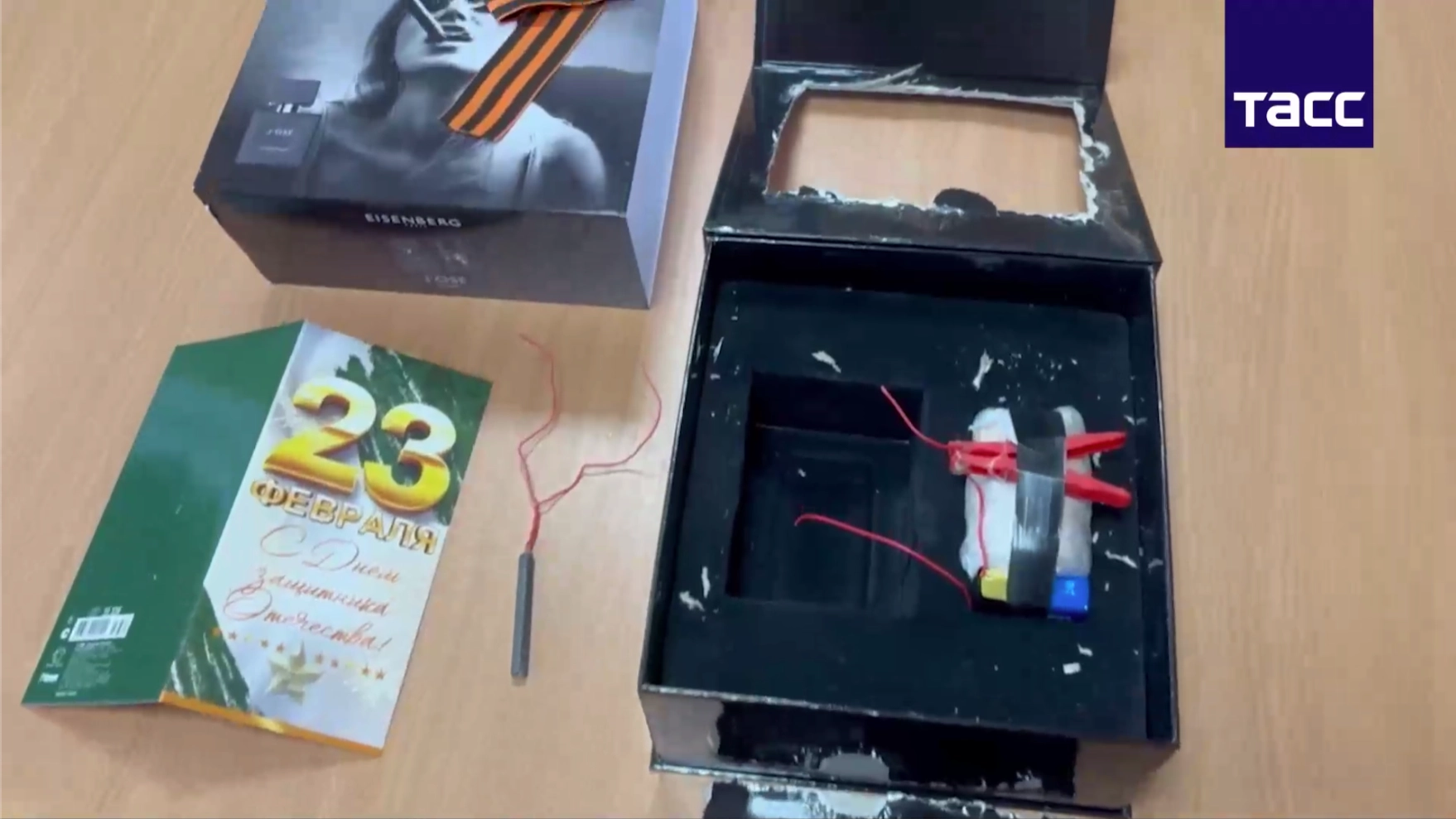
Ukrainian intelligence denies sending exploding perfumes to Russian military. Acknowledges sending exploding goggles.
Russia has claimed that Ukrainian intelligence services planned a series of terrorist attacks targeting Russian Defense Ministry personnel and officials assisting the front line. According to the Federal Security Service of Russia (FSB) – the successor to the KGB – Ukrainian intelligence intended to send bombs disguised as gift perfume sets via mail.
Kyiv Post reached out to its sources within Ukrainian intelligence services. They denied any involvement and stated that “They (the Russians) are lying. They always lie.”

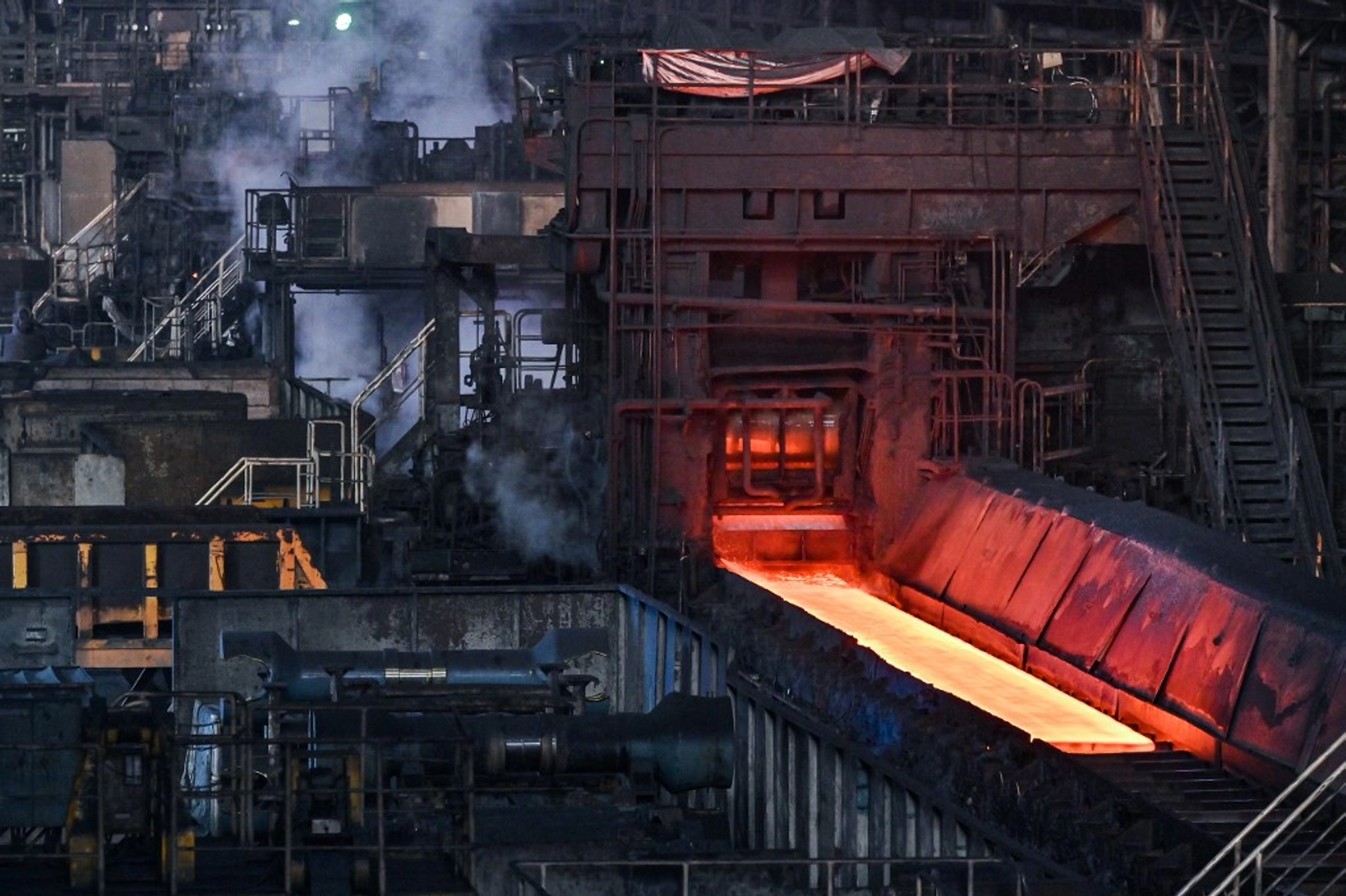
The EU is still dependent on raw material for green steel, importing 40% of direct reduced iron (DRI) from Russia.
The European Union imported €2.5 billion ($2.7 billion) worth of iron and steel products from Russia in 2024 despite the sanctions, the report by the Ukrainian expertise center on industry and the mining and metals sector (GMK Center) says.
Last year, the EU imported 5.34 million tons of iron and steel products from Russia, the report says.
It remains unclear what exactly is included on the list or if Moscow is willing to engage in peace talks with Kyiv before the demands are accepted, according to sources.
Russia has presented the US with a list of demands aimed at ending its war in Ukraine and resetting relations with Washington.
However, it remains unclear what exactly is included on the list or if Moscow is willing to engage in peace talks with Kyiv before the demands are accepted, according to two sources familiar with the matter, as reported by wire service.

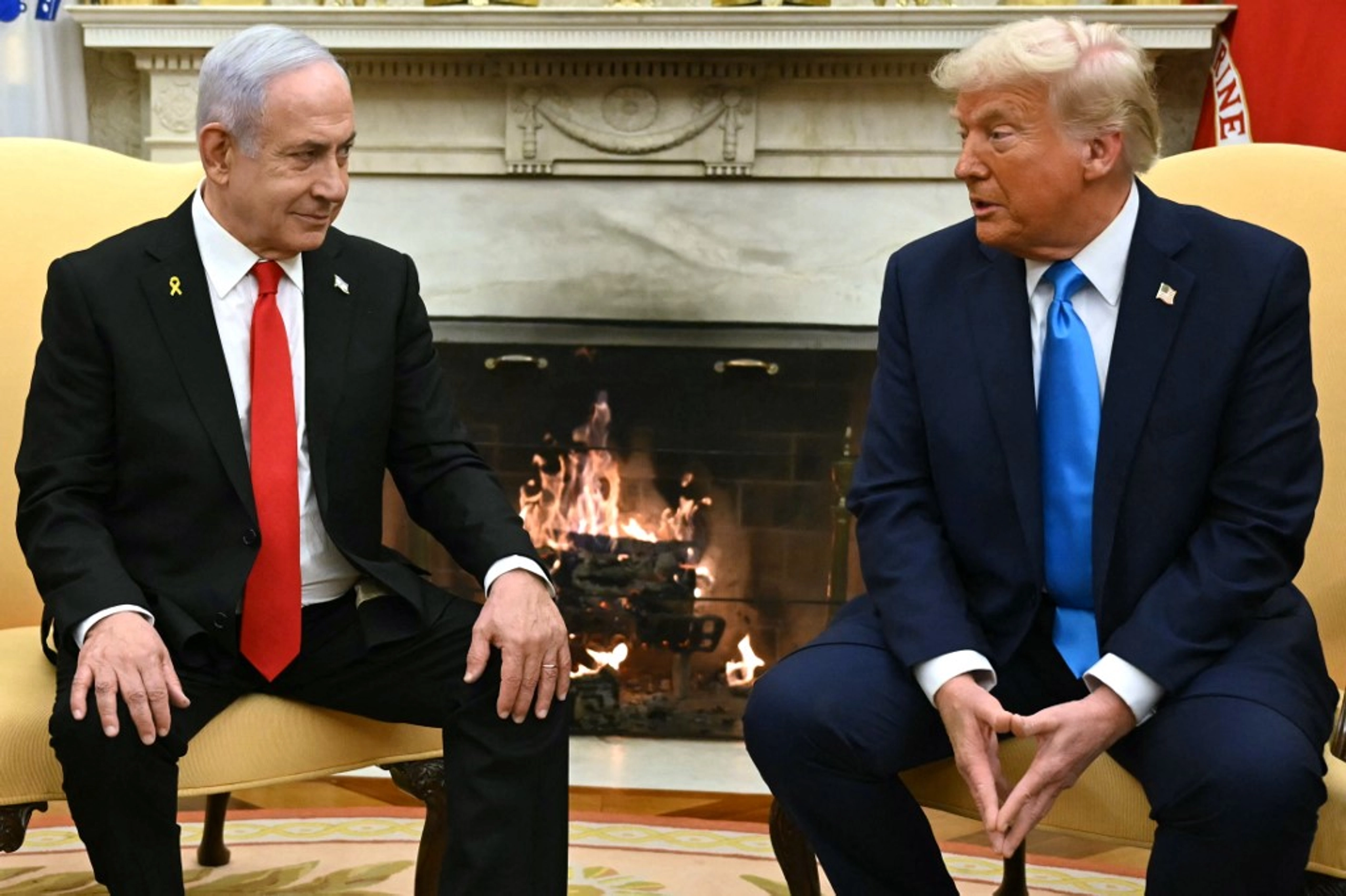
Trump’s military aid policies reveal a stark double standard: Israel enjoys unwavering support, while Ukraine faces delays, conditions, and political maneuvering amid its war with Russia.
The administration of US President Donald Trump has made clear that not all allies are equal.
While Israel continues to receive unconditional US military support, Ukraine – a country fighting a years-long battle for survival against a much larger foe, Russia – has seen its aid stalled, delayed, or outright used as a political bargaining chip.
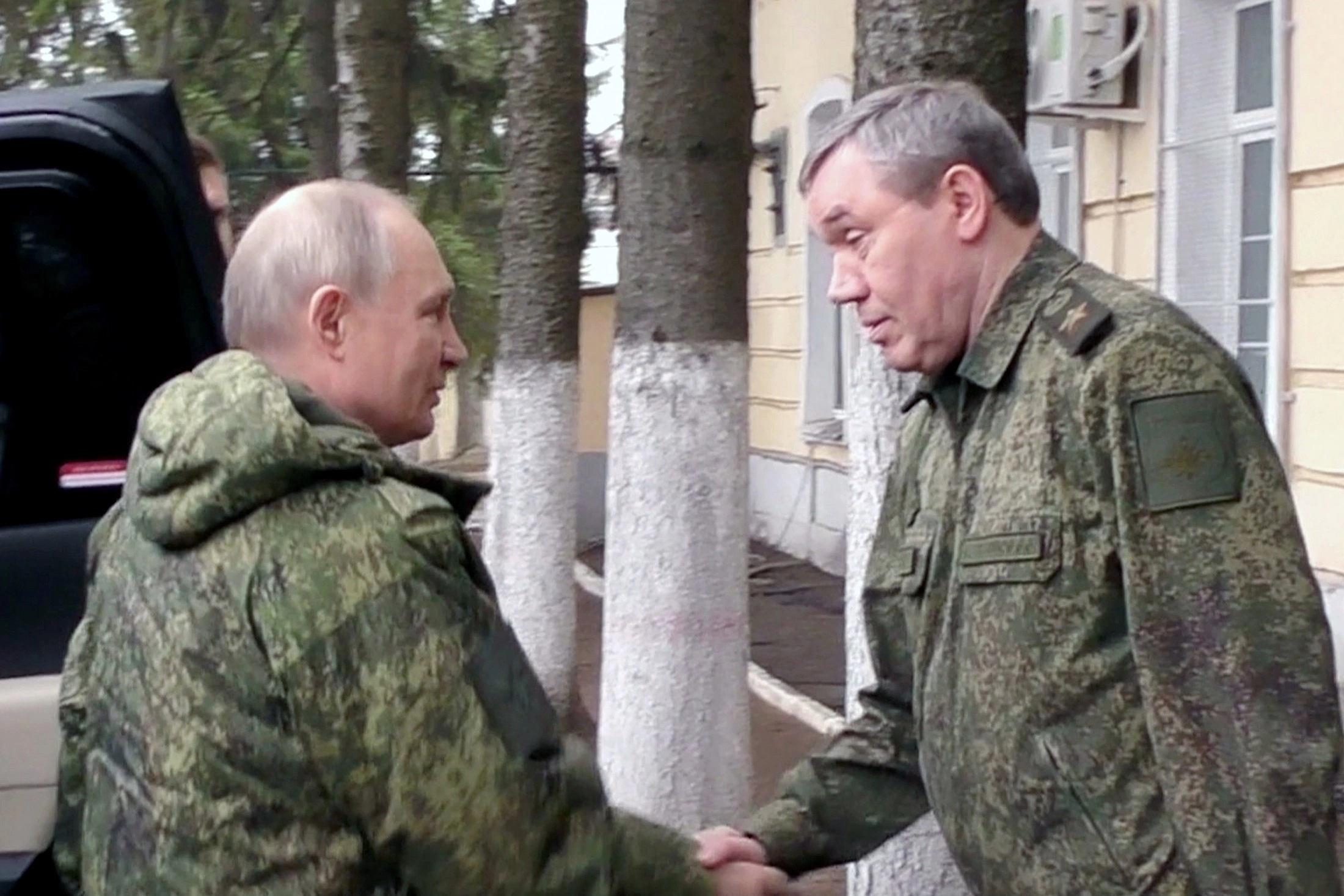
AFU Commander Syrsky reports fierce fighting near Sudzha, while ISW confirms Russia’s capture. Putin’s military uniform aimed to project himself as a powerful warlord, as per analysts.
Russian leader Vladimir Putin has visited Russia’s Kursk Oblast for the first time since Ukrainian forces launched operations in the area in August 2024.
According to Russian media, Putin held a meeting at an undisclosed military command post of the Kursk group of troops on Wednesday, March 12. The exact location was not revealed.
The visit comes as the Kremlin ponders the 30-day ceasefire plan, which was put on the table following US-Ukraine talks in Jeddah on March 11.
[UPDATES] As of 15:50 Kyiv time, a source familiar with the matter told AFP that US President Donald Trump’s special envoy Steve Witkoff has arrived in the Russian capital Moscow to present a plan for a 30-day ceasefire in Ukraine.
“He is in Moscow,” the source told AFP on condition of anonymity. Earlier, Russian news agencies reported that a plane linked to Witkoff had landed at a Moscow airport terminal.
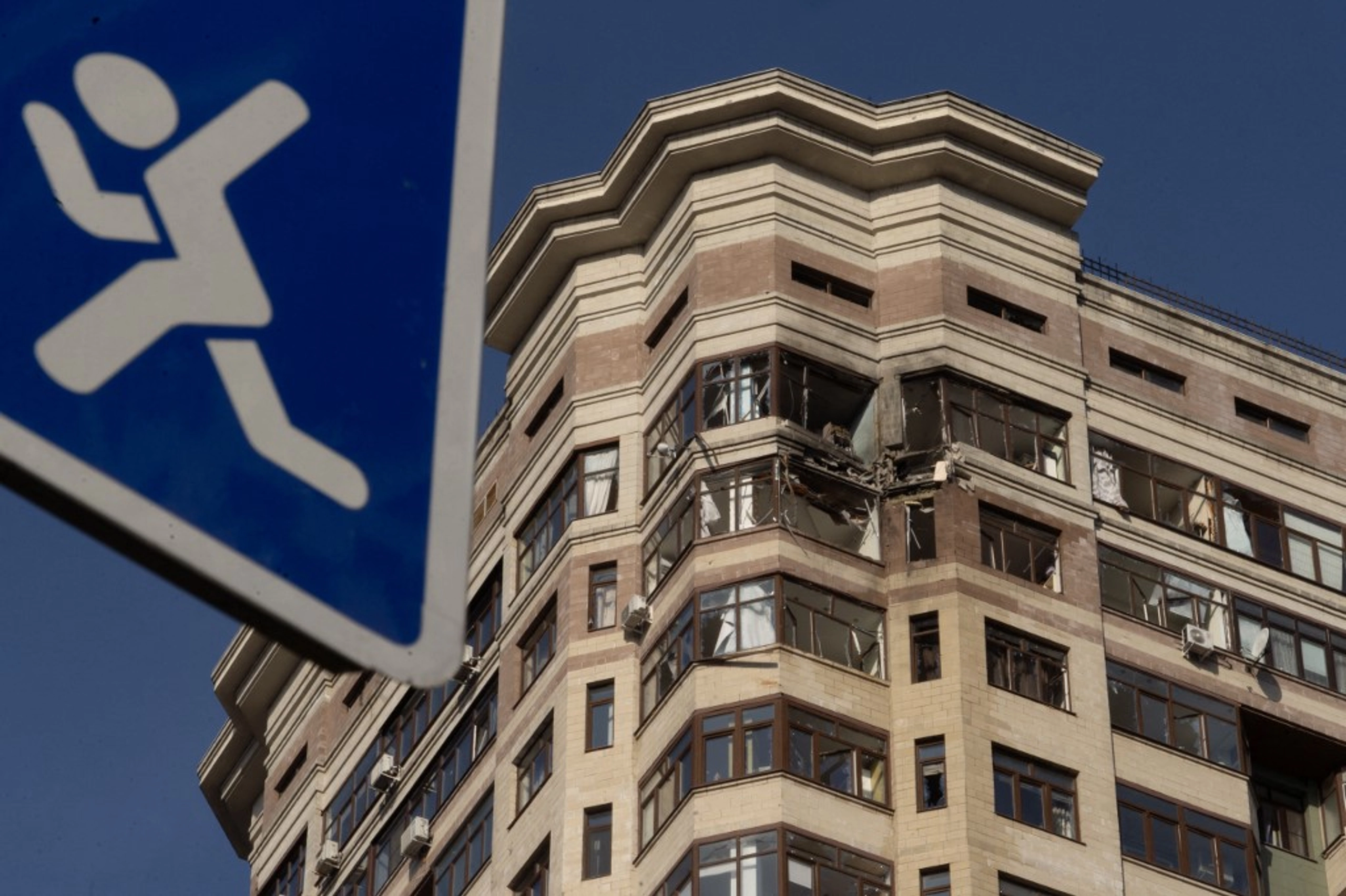
The latest barrage comes after Russia downed more than 90 drones in the capital region on Tuesday. Mayor Sergei Sobyanin called it the “most massive enemy drone attack on Moscow”.
Russia downed 77 Ukrainian drones overnight, its defence ministry said Thursday, two days after Kyiv carried out its largest direct strike on Moscow during the three-year war.
Thirty drones were intercepted and destroyed over the western Bryansk region bordering Ukraine while 25 more were downed over Kaluga, the ministry said in a statement.
While reports indicate that Ukrainian troops may be strategically retreating, Kyiv has said nothing regarding a general withdrawal from Russia’s Kursk region.
The Commander-in-Chief of the Armed Forces of Ukraine (AFU), Oleksandr Syrsky, has vowed that Ukrainian forces will continue to defend the Kursk region for as long as necessary, despite mounting Russian attacks.
While reports indicate that Ukrainian troops may be retreating, there has been no official confirmation from Kyiv regarding a withdrawal from the Kursk region.

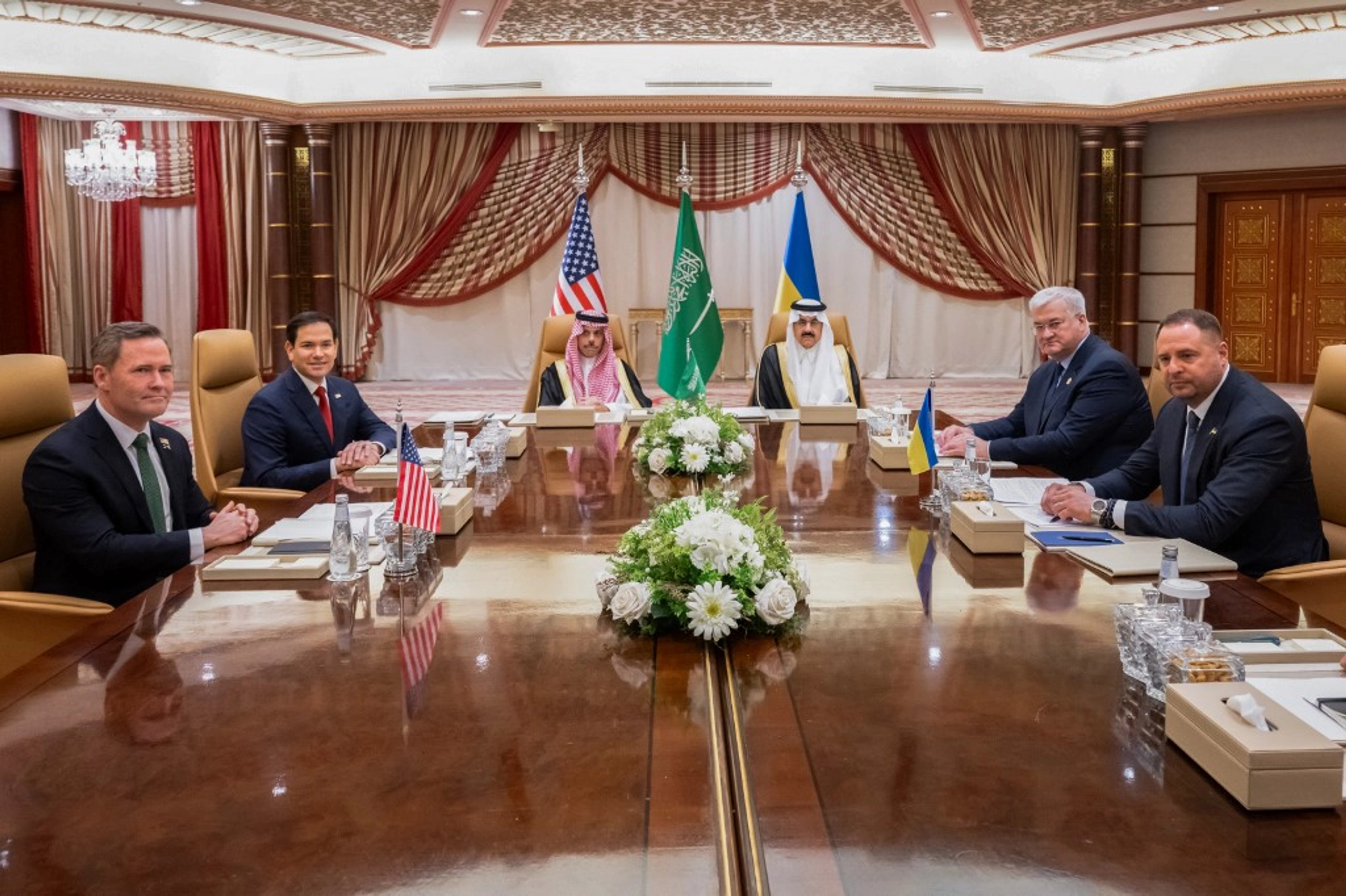
At the talks in Jeddah, negotiators from Washington and Kyiv have agreed on a joint proposal for an immediate 30-day ceasefire in the Ukraine war. Commentators focus on how Russia will react.
At the talks in the Saudi city of Jeddah, negotiators from Washington and Kyiv have agreed on a joint proposal for an immediate 30-day ceasefire in the Ukraine war. They also agreed that the suspended US military aid will be resumed. Commentators focus on how Russia will react.
Key questions left open
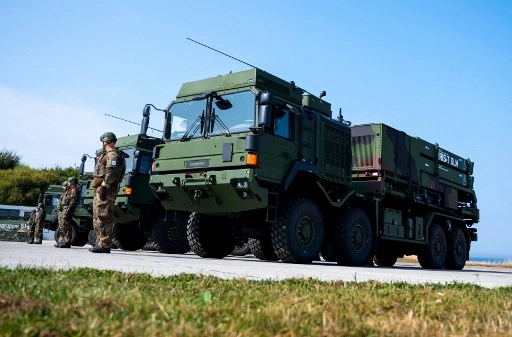
The IRIS-T system has become a key element of Ukraine’s air defense strategy, providing high-precision interception against a wide range of aerial threats.
Ukraine’s air defense intercepted and destroyed a Russian cruise missile using the German-made IRIS-T system, with the moment captured on video.
“The IRIS-T air defense system of the West Air Command has destroyed a Russian cruise missile,” Ukraine’s Air Force West Air Command reported on Facebook.

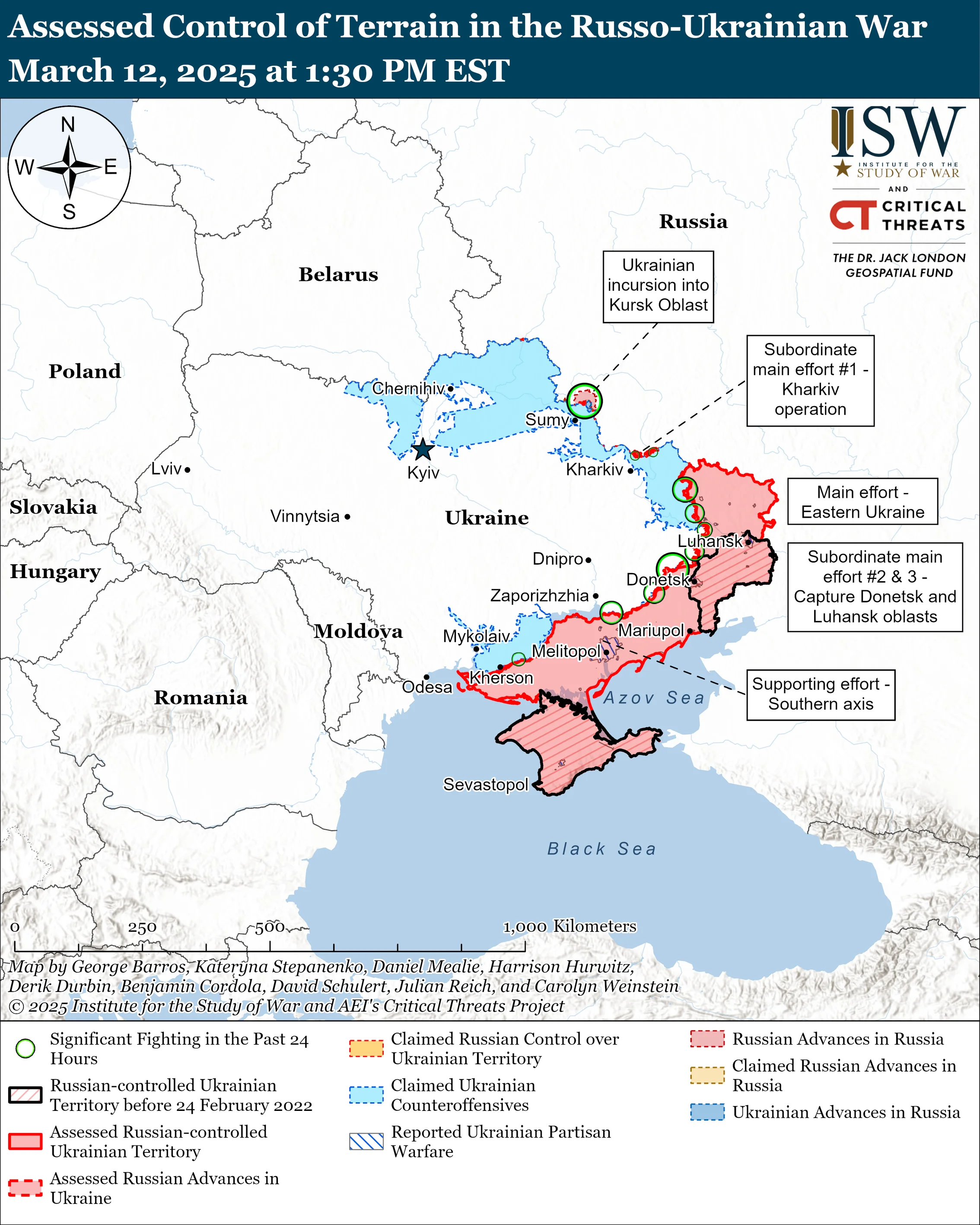
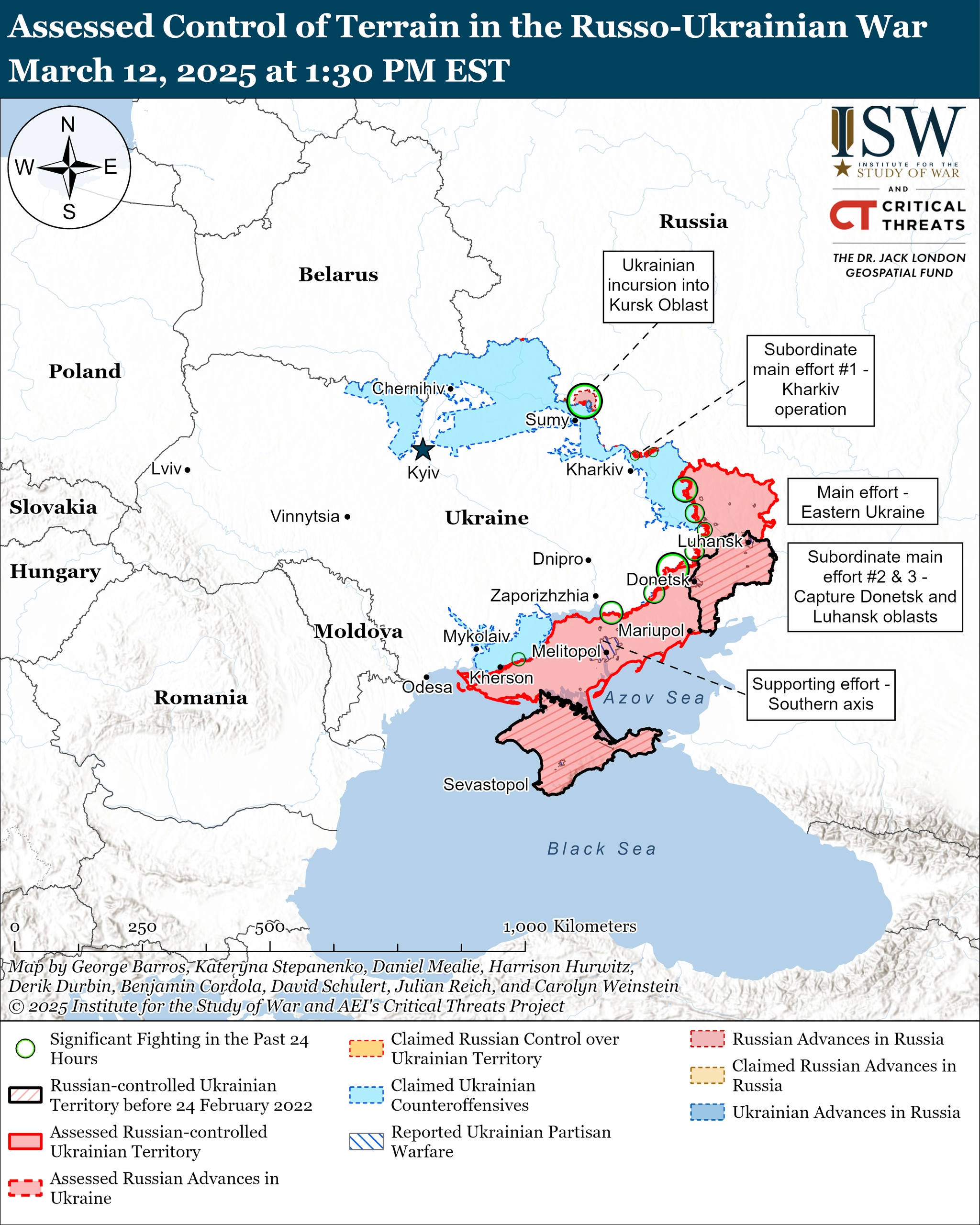
Latest from the Institute for the Study of War.
Key Takeaways from the ISW:

New Zealander Dominic Abelen left a decade-long NZDF career to fight for Ukraine, leading his squad until his last breath near Vuhledar on Aug. 23, 2022.
The farewell ceremony for Dominic Abelen, a soldier from New Zealand who fought for the International Legion under Ukraine’s Defense Intelligence (HUR), took place in Kyiv on Tuesday, accompanied by a traditional Haka war dance by his comrades in his memory.
Abelen was killed in action on Aug. 23, 2022, near Vuhledar, Donetsk region. His body was recovered recently and is set to be buried in his homeland.
![[WATCH] Troops Perform Haka War Dance in Tribute to Fallen Kiwi Soldier in Ukraine](https://static.kyivpost.com/storage/2025/03/12/6f0c7c03e02dbb3fd1987f8ee9baf7b2.png?w=2560&f=webp)