


EN

EN


EN
Stay on top of Russia-Ukraine war 04-14-2025 developments on the ground with KyivPost fact-based news, exclusive video footage, photos and updated war maps.

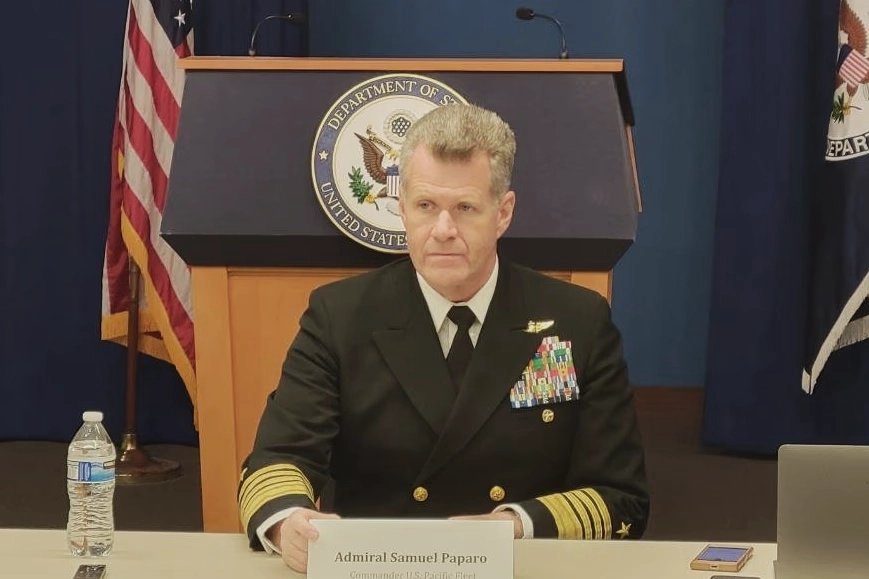
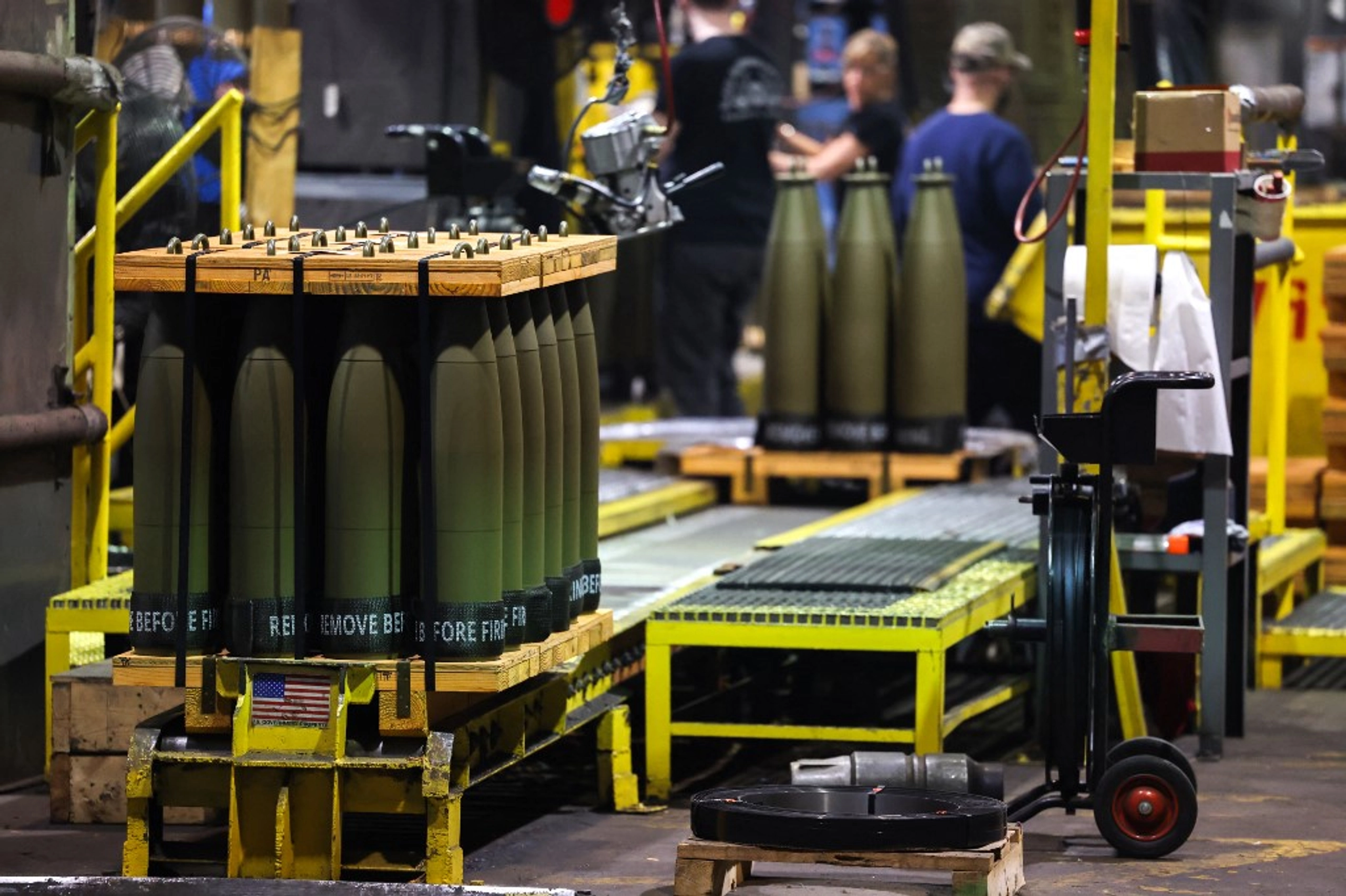
The commander of US forces in the Pacific told a Senate committee that there is no letup in the weapons and ammunition that Pyongyang has supplied to Moscow to support its war on Ukraine.
Admiral Samuel Paparo, the new commander of the US Indo-Pacific Command (INDOPACOM), said that new intelligence had been received relating to North Korean weapons supplies to Russia during a briefing for the US Senate Armed Services Committee on Thursday.
He said Pyongyang had sent “maybe hundreds of thousands of artillery shells” and “hundreds of short-range ballistic missiles” to support Russian operations in Ukraine. In return, North Korea will receive advanced air defense equipment, including surface-to-air missile (SAM) systems and other technology.
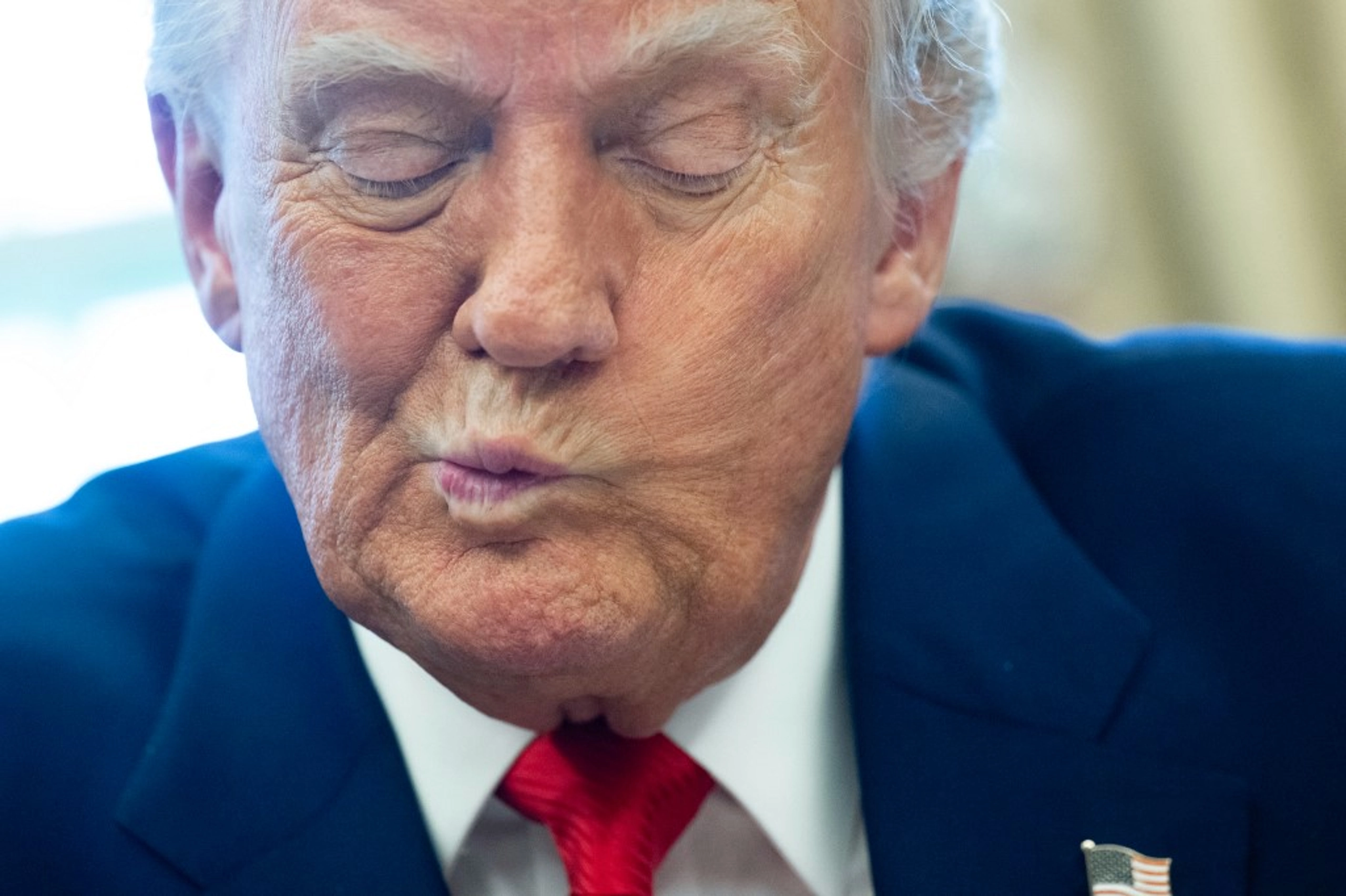
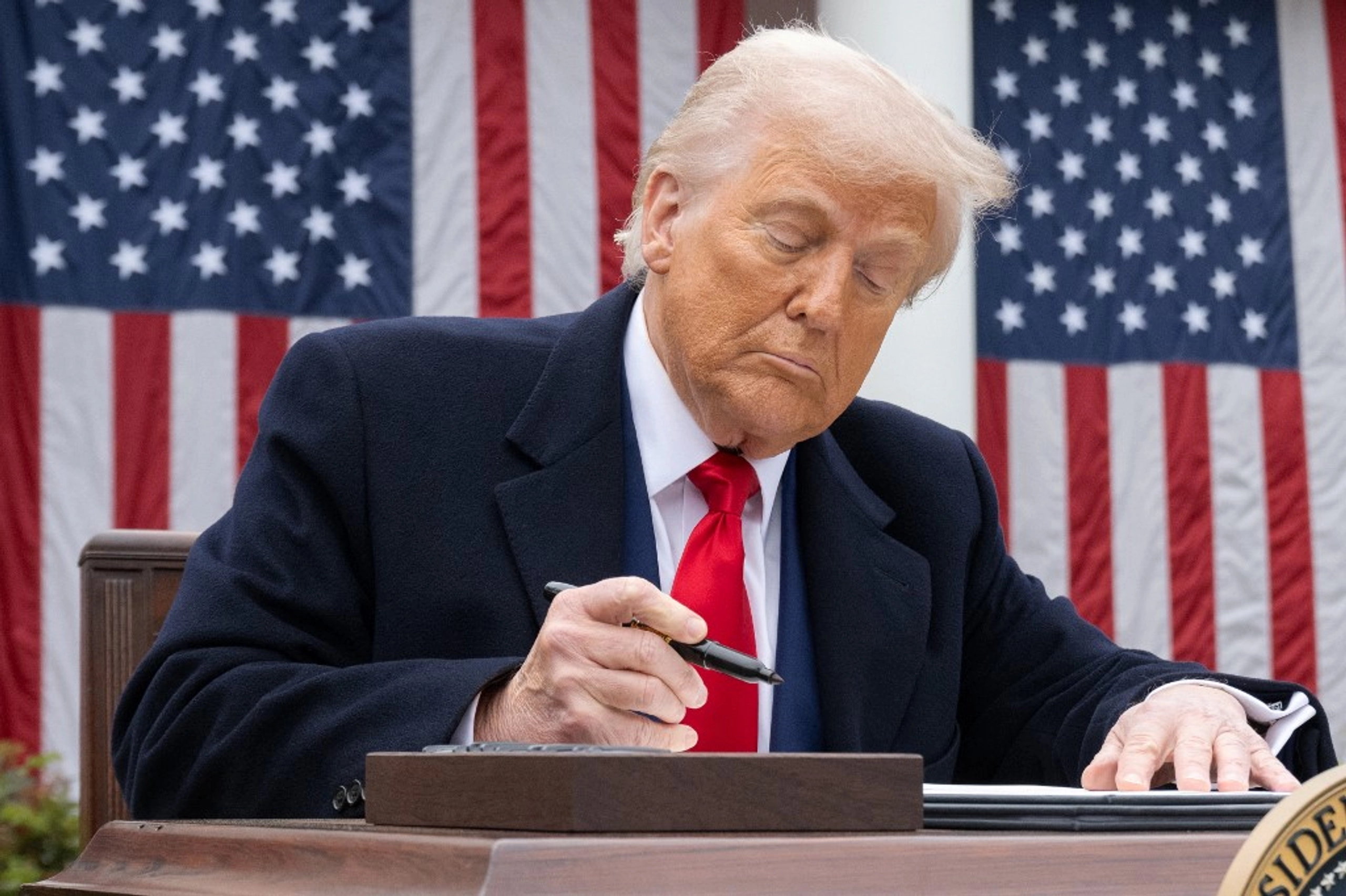
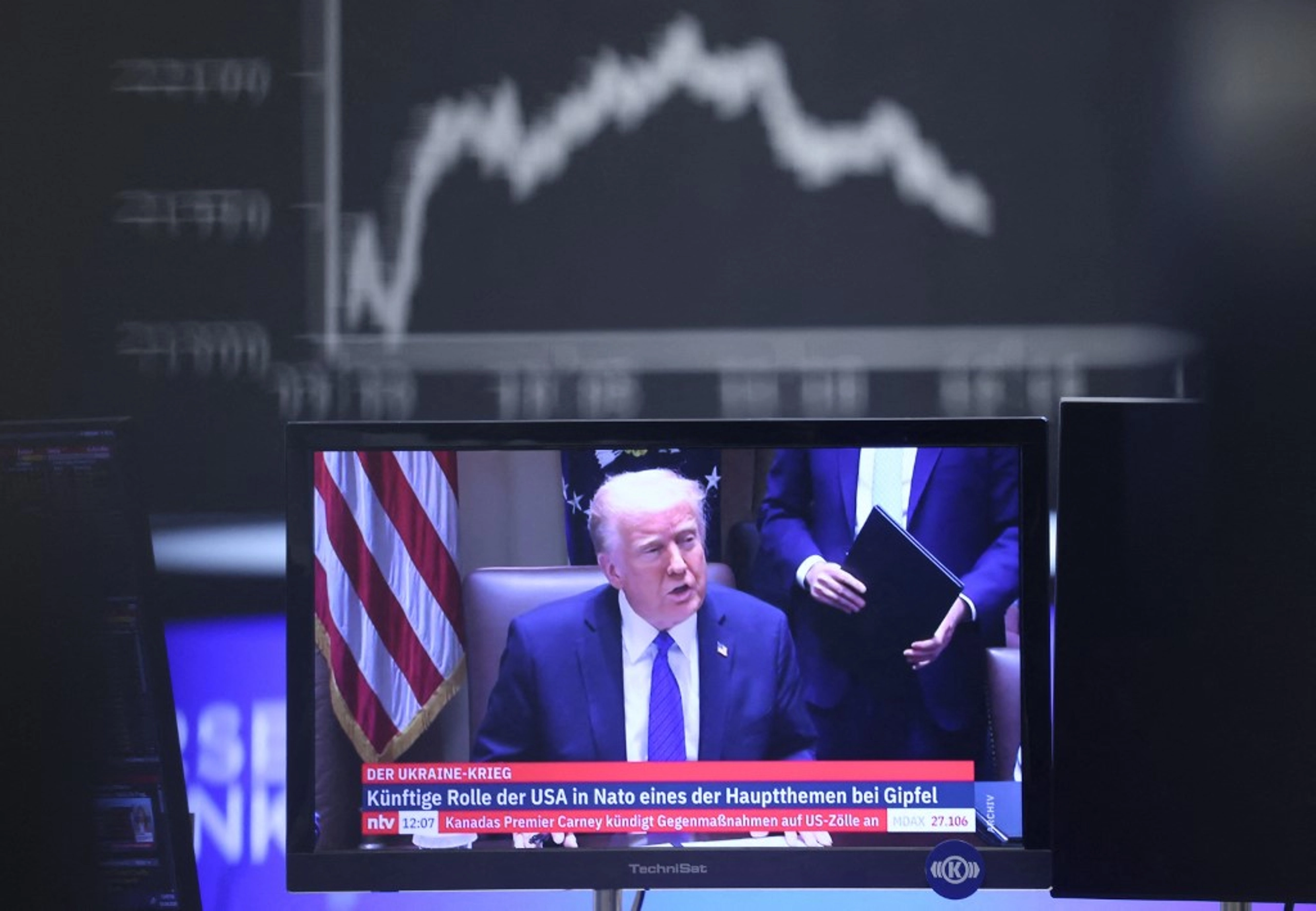
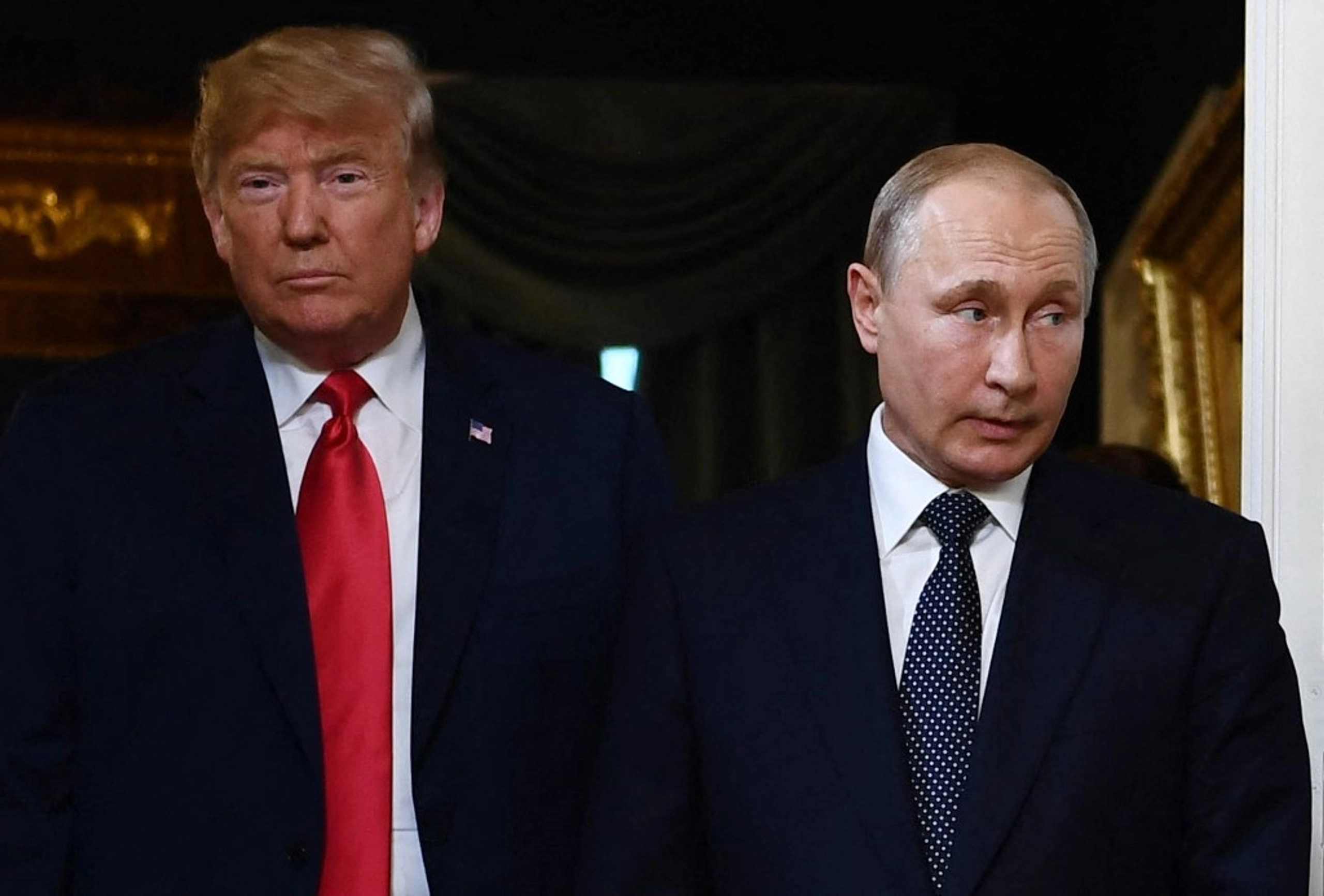
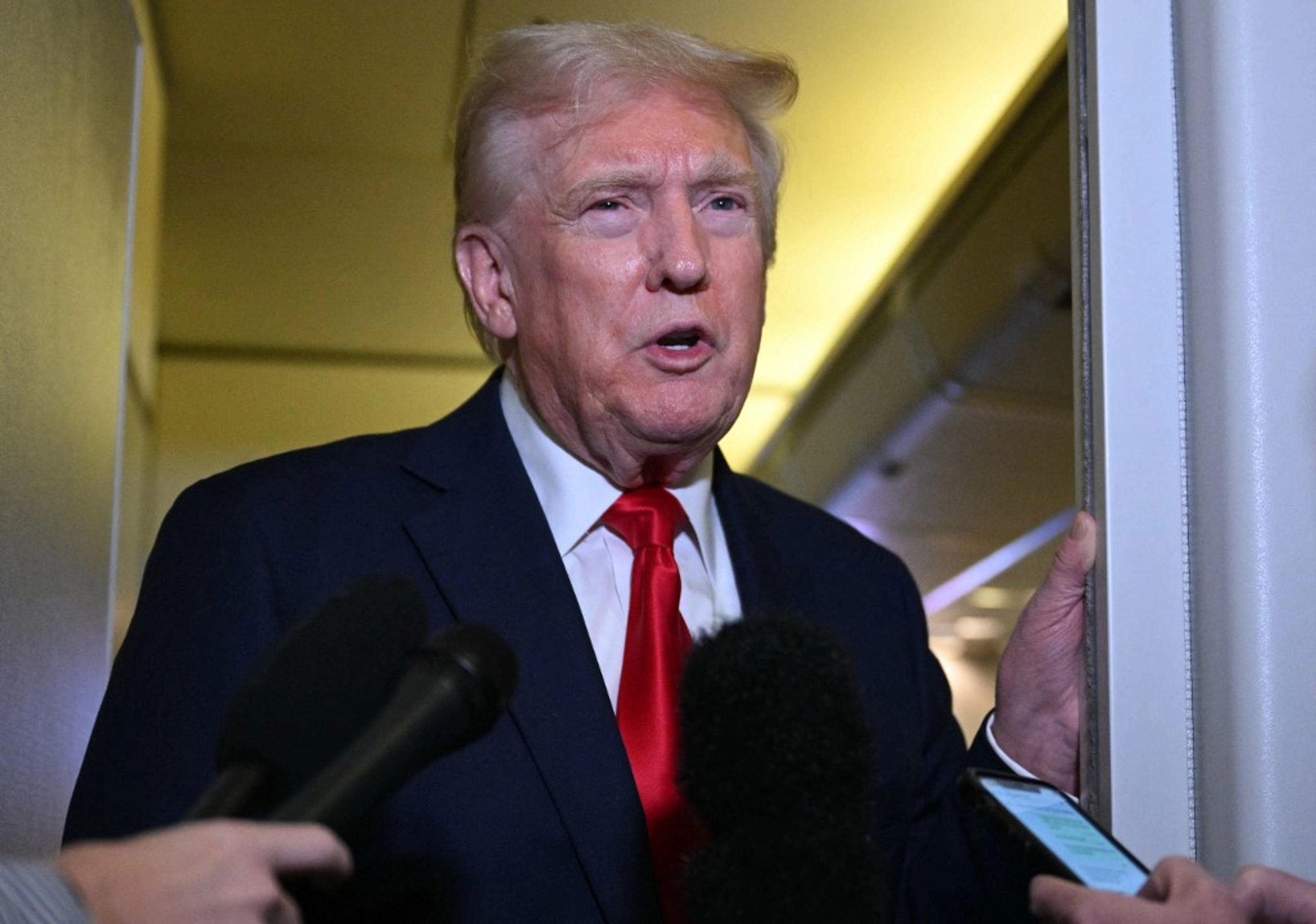
US President Donald Trump once again blamed his predecessor and Ukrainian President Volodmyr Zelensky for not stopping Russian leader Vladimir Putin’s invasion of Ukraine.
US President Donald Trump said lowering oil prices could have stopped Moscow’s 2022 invasion of Ukraine.
Trump also reiterated his blame on his predecessor Joe Biden and Ukrainian President Volodymyr Zelensky for failing to stop Moscow’s invasion.
A declassified CIA briefing referenced an old Ukrainian news report that alleged an alien encounter in Siberia, which in turn cited the CIA, with the agency neither confirming nor denying the report.
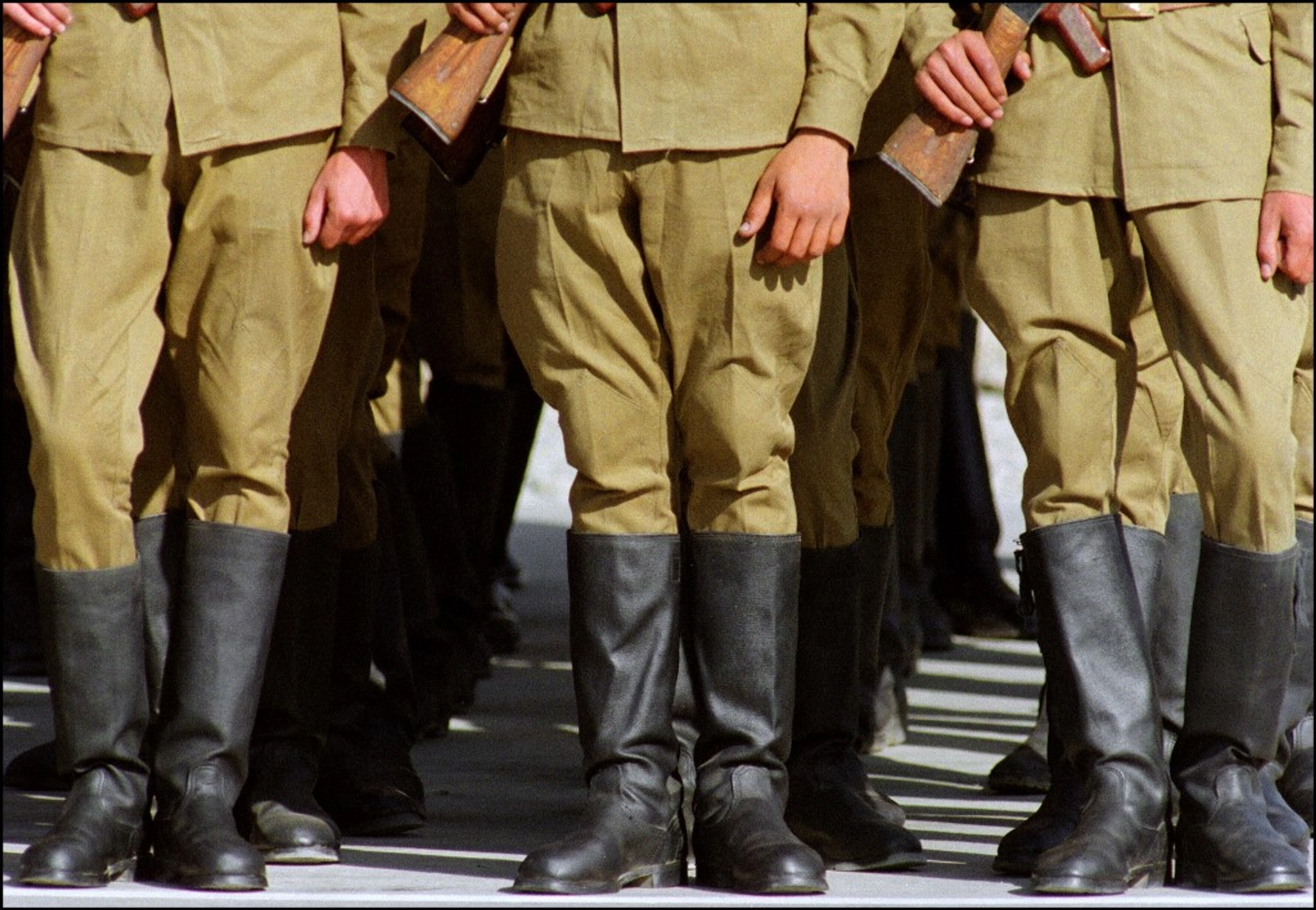
A declassified CIA file has referenced an alleged alien encounter for Soviet troops in Siberia, where some soldiers were purportedly turned into stone pillars via “a source of energy that is still unknown to earthlings.”
However, the CIA report, approved for release in May 2000, is neither a confirmation nor denial of the encounter, but merely a retelling of a report that originates from the post-Soviet space – allegedly part of a KGB leak after the USSR collapsed – that circulated back to the CIA.
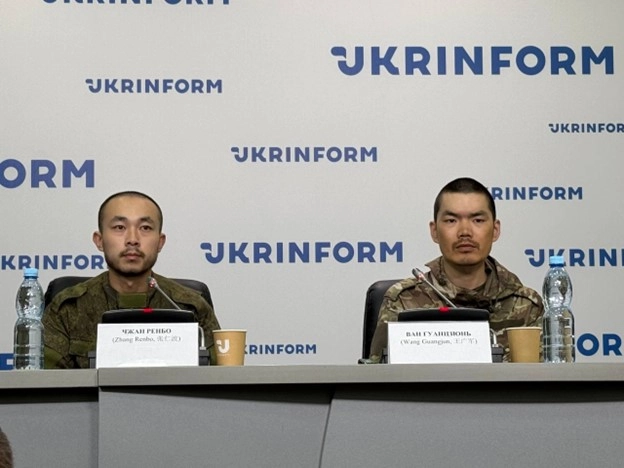
The two Chinese fighters captured by Kyiv in Ukraine shed light on how they ended up fighting for Moscow and their perception of the invasion after experiencing it firsthand.
The two Chinese soldiers fighting for Moscow captured by Kyiv have shed light on their firsthand experience fighting as hired guns for Russia, highlighting the impact of Russian narratives on the Chinese population as the leaders of both nations hailed historic close ties.
President Volodymyr Zelensky announced the capture of the two soldiers on April 8, and later said more than 150 Chinese nationals are serving in the Russian Armed Forces, a claim Beijing dismissed as “irresponsible remarks.”

Among those who have Trump’s ear, some are experienced in international relations while other are relative neophytes. Here’s a who’s-who of the Ukraine-advisors frequenting the White House.
President Trump’s remarks on Ukraine last week raised serious concerns about the quality of information reaching the highest levels of our government. During an Oval Office meeting with Israeli Prime Minister Benjamin Netanyahu, he expressed his discontent with the war, stating: “I’m not happy about what’s going on with the bombing because they’re bombing like crazy right now. They’re bombing – I don’t know what’s happening there.”
That sentence should alarm anyone paying attention. It doesn’t reflect a policy stance – it reflects a vacuum. A vacuum created by the people around the President, who either aren’t briefing him regularly or are feeding him a distorted or dangerously incomplete narrative.

The CDU/CSU have shown signs of friction before him taking office.
German lawmakers will gather in early May to elect Friedrich Merz as chancellor after his conservative bloc sealed a coalition agreement with the main center-left party, the Bundestag said Monday.
The president of the assembly, Julia Kloeckner, was “preparing to convene the German Bundestag for the election of the federal chancellor... on Tuesday, May 6,” parliament said in a statement.

Russia’s war on Ukraine is feeding a mindset militarization in Poland. Questions and issues that were unthinkable before the war are now being asked and debated publicly.
Militarization is creeping into Polish society. It’s not so much about seeing more tanks or military planes. That’s obvious. Rather, it’s about the psychological shift.
The mental militarization of Polish society is visible on all levels. Discussions around bringing back the draft. Generals as experts on Polish television no longer surprise anyone. Military exercise programs for men and some women (with degrees in psychology and medicine) based on the Swiss model, where every man must go through military training.

The EU will extend its Road Transport Agreement with Kyiv through 2025, allowing Ukrainian and EU carriers to operate without special permits for bilateral and transit truckers.
The European Union extended the Road Transport Agreement with Ukraine until Dec. 31, 2025, allowing Ukrainian and EU carriers to operate without special permits for bilateral and transit land-based vehicles, according to the European Commission.
The Agreement, also known as the “transport visa-free regime,” allows Ukrainian and EU carriers to operate without special permits for bilateral and transit transportation. This simplifies logistics and reduces bureaucracy.

Kyiv doesn’t hold many of its best defensive weapon – the Patriot air defense system. Stocks of its missiles are running low, and the White House isn’t sending more to Ukraine.
The Kremlin’s deadly ballistic missile strikes against Ukrainian civilian targets are exploiting critical gaps in Ukraine’s ability to protect its airspace, which is exacerbated by a White House intent on delivering little or no Patriot air defense systems to Kyiv.
The Raytheon-manufactured MIM-104 Patriot system is the lynchpin of Ukraine’s defense against Russian and North Korean-furnished ballistic missile strikes as the only air defense system available to the Armed Forces of Ukraine (AFU) that is capable of shooting down those types of missiles.

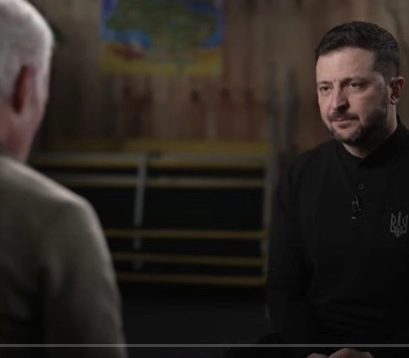
In a 60 Minutes interview, Zelensky issued key warnings: the war may spread beyond Ukraine, the US must not stay neutral, and Patriot missile systems are urgently needed.
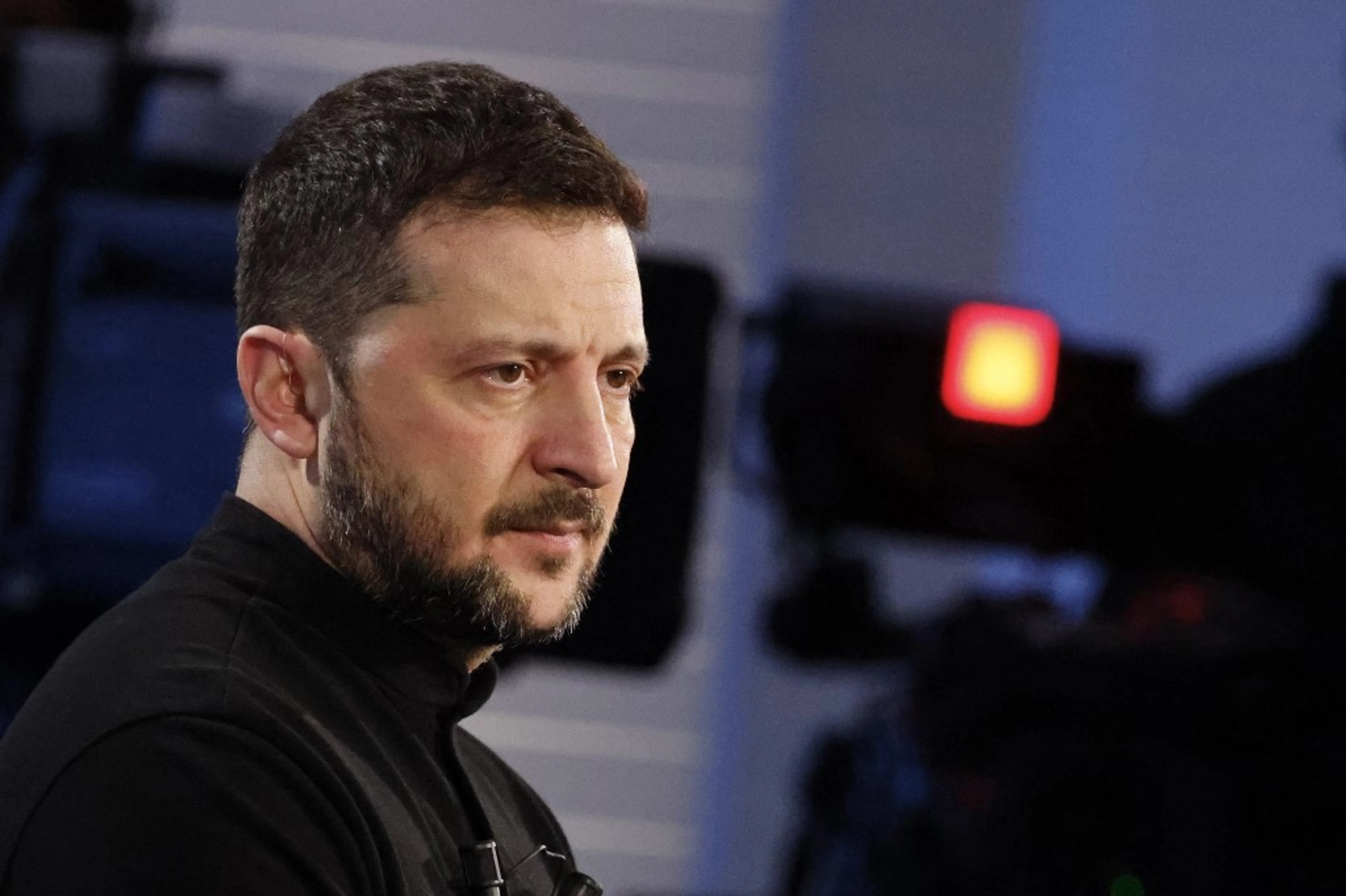
Ukrainian President Volodymyr Zelensky, in an interview on American television, warned that the war could extend beyond Ukraine’s borders, saying this is what Russian leader Vladimir Putin ultimately wants – revival of the Russian Empire.
Russian aggression risks escalating the globe into a World War, Zelensky said in his Sunday interview with 60 Minutes.

Global crises unfold: UN slashes jobs, Trump spares tech tariffs, Gaza suffers blockade, UK seizes steel control, US pressures Ukraine, and UK MP banned from Hong Kong in bold geopolitical shifts.
The United Nations’ emergency and disaster response agency will reduce its global workforce by 20% and scale back operations in nine countries, as it confronts a severe funding crisis and escalating global needs, it announced on Friday. In a letter to staff shared on the agency’s website, the Office for the Coordination of Humanitarian Affairs (OCHA) head Tom Fletcher outlined “brutal cuts” driven by a nearly $60 million funding shortfall for 2025, compounded by rising humanitarian demands. OCHA will withdraw from or adjust operations in Cameroon, Colombia, Eritrea, Iraq, Libya, Nigeria, Pakistan, Turkey, and Zimbabwe, and aim to prioritize “dynamic and full responses” in remaining locations where it operates. The agency plans to lay off approximately 500 staff members from its workforce of about 2,600 employees across over 60 countries with a more concentrated presence in fewer locations, according to Najwa Mekki, director of communications at OCHA citing a separate letter Fletcher wrote. The cuts follow months of austerity measures, including a hiring freeze and travel restrictions, which saved $3.7 million. “The humanitarian community was already underfunded, overstretched and literally, under attack. Now, we face a wave of brutal cuts,” Fletcher wrote, emphasizing that the reductions stem from financial constraints rather than diminished needs - CNN
My comment: In short, millions could die needlessly due to deep cuts to the humanitarian aid sector. We’ve already seen how the response to the Myanmar earthquake was crippled by Trump-era reductions to USAID (The devastating earthquakes have pushed 2 million people into critical need of assistance and protection. This is in addition to the 19.9 million people who were estimated to need humanitarian aid prior to the disaster). Normally a leading presence in such disasters, the U.S. agency was barely visible after thousands were killed last month. Shockingly, at three experienced American first responders were fired shortly after arriving in the country. Cuts to the UN’s Office for the Coordination of Humanitarian Affairs (OCHA) are equally alarming. I’ve worked alongside OCHA’s dedicated professionals, who typically lead disaster responses worldwide. Many of the countries facing OCHA cutbacks—Pakistan, Iraq, Nigeria—are among the most disaster-prone on the planet. With more than 300 million people globally needing humanitarian assistance and protection, the cutbacks will be felt far and wide.
Outgoing chancellor Olaf Scholz had ruled out sending them to Kyiv, but Merz said on Sunday he was open to the idea provided Germany had agreed with its European partners.
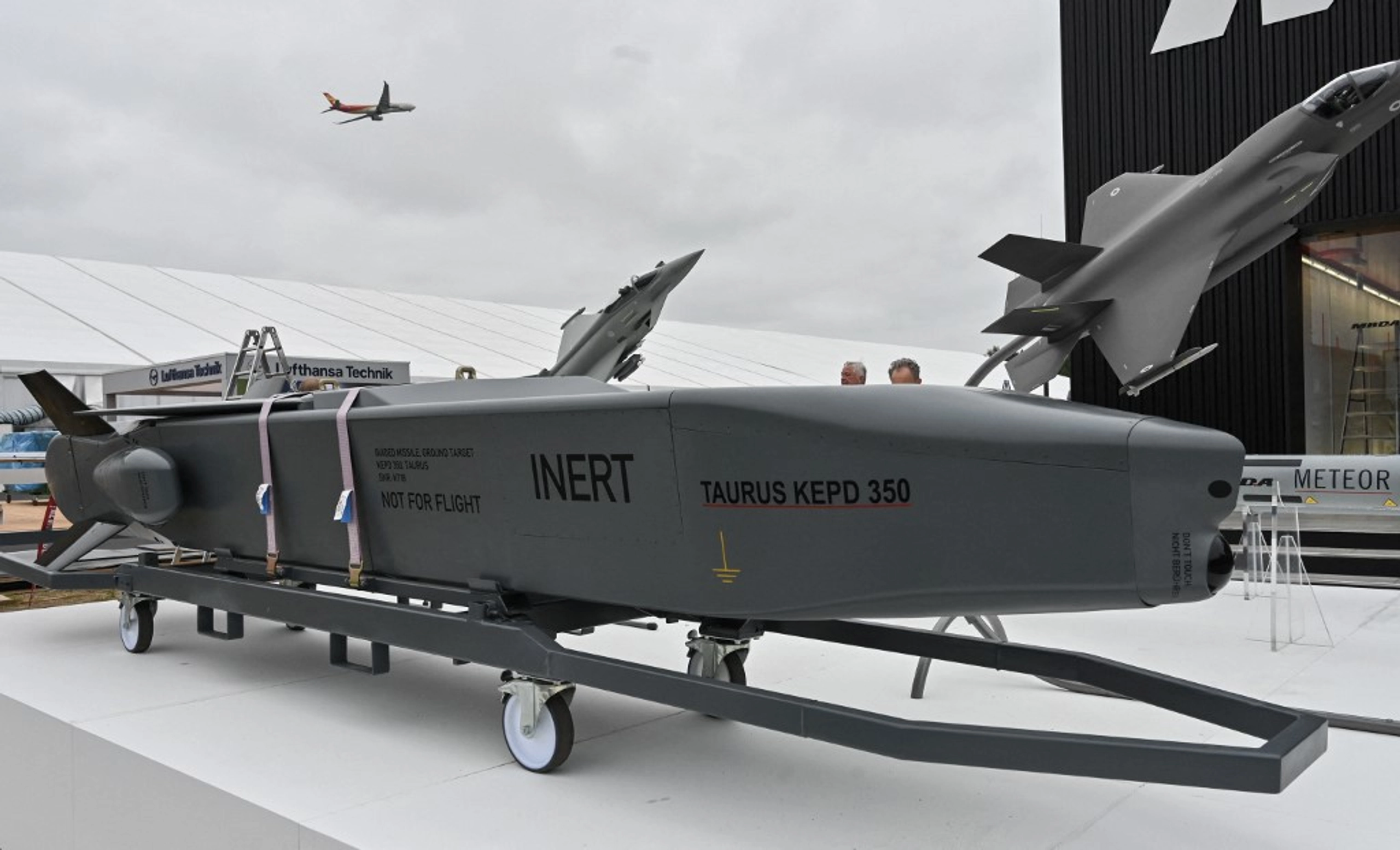
The Kremlin on Monday warned Germany against supplying Taurus missiles to Ukraine, saying incoming chancellor Friedrich Merz’s proposal risked escalating the three-year conflict.
The air-launched missile, jointly developed by Germany and Sweden, can reach targets up to 500 kilometres (311 miles) away.
During his campaign, the incoming chancellor supported the delivery of Taurus long range missiles and maintaining sanctions against Russia.
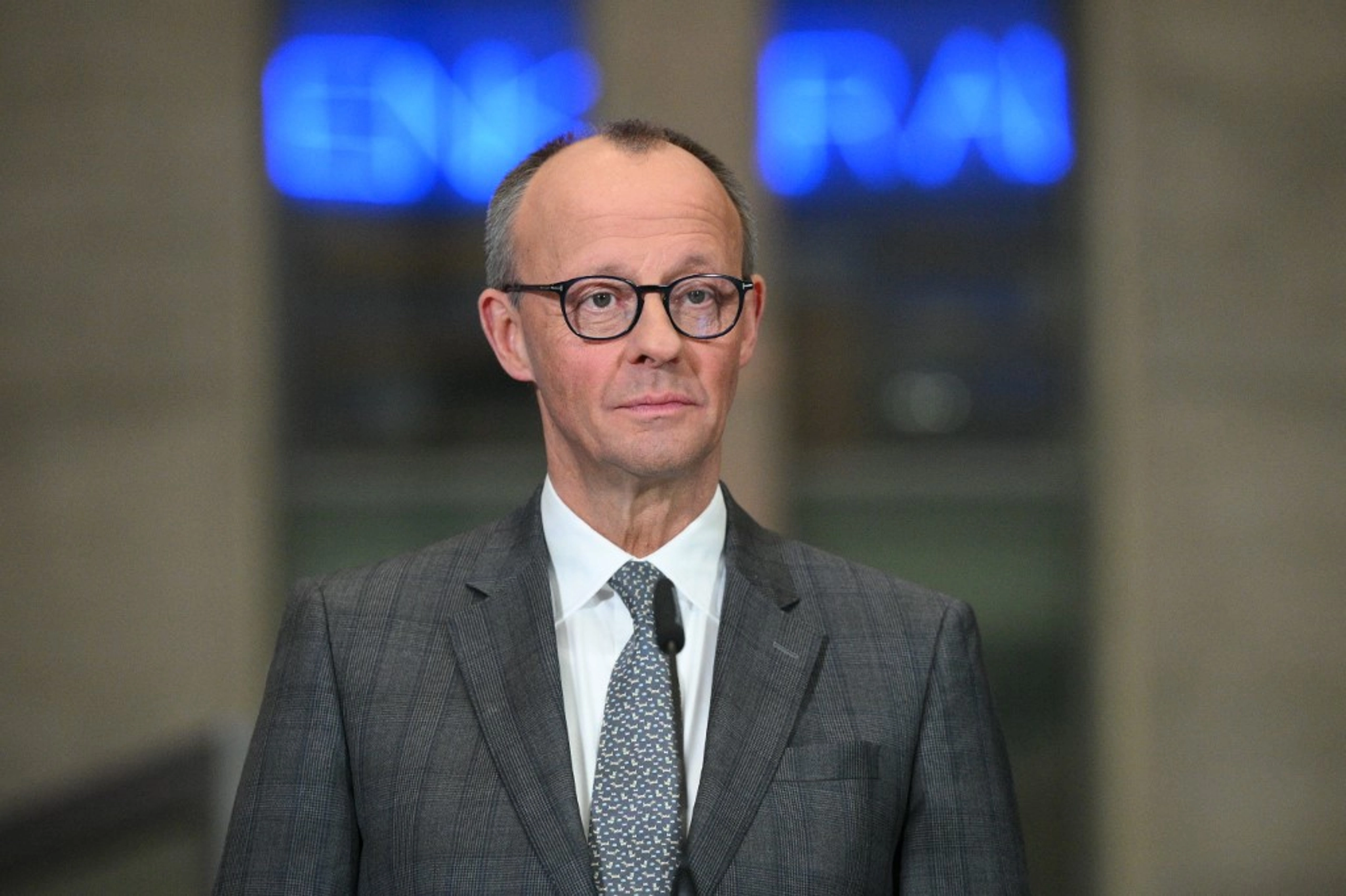
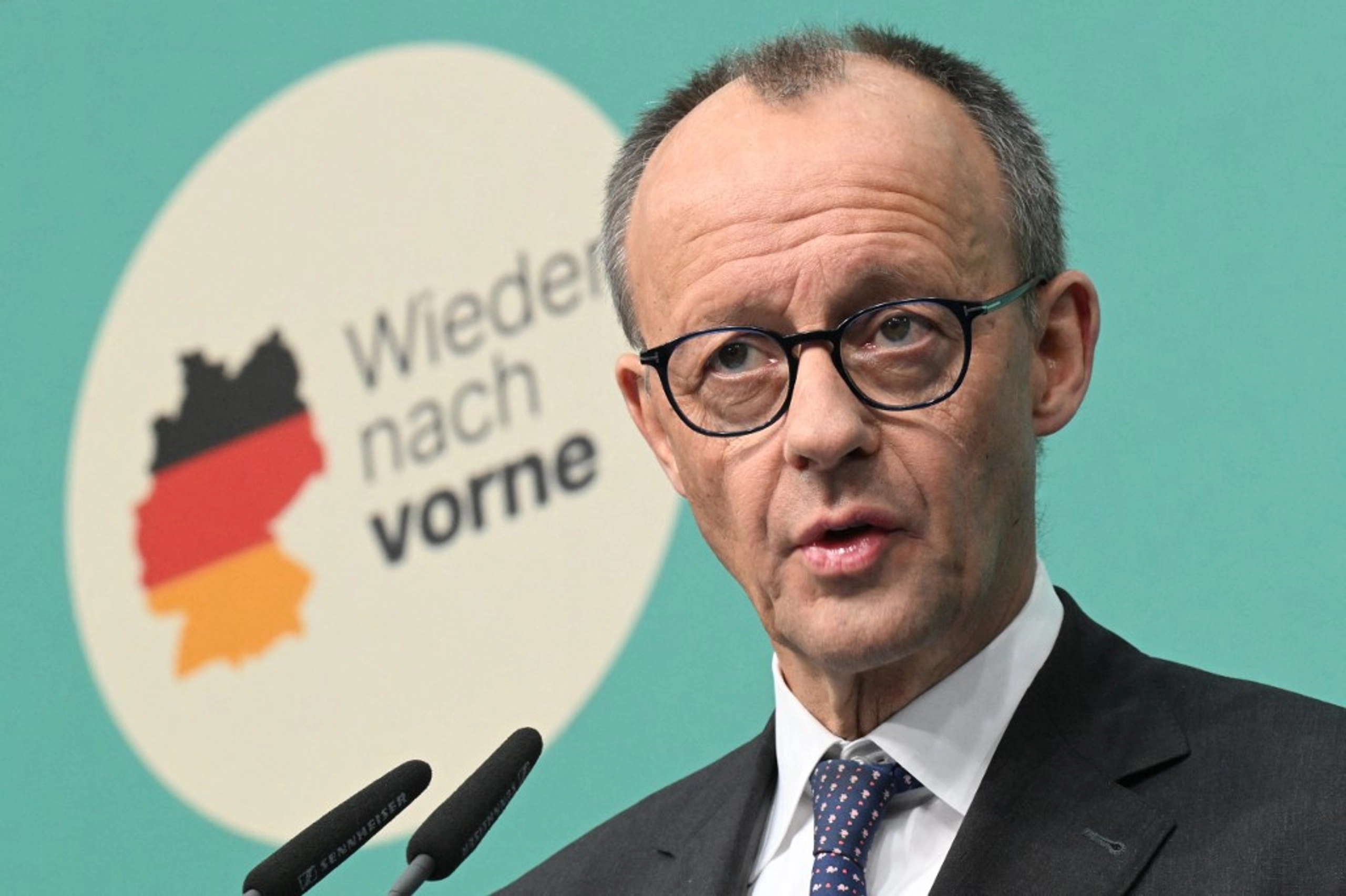
Friedrich Merz, current leader of the Christian Democratic Union (CDU) in Germany and incoming chancellor, said Berlin is prepared to supply Ukraine with long-range Taurus missiles – but only in coordination with European allies.
“I have always said that I would do this, but only in coordination with European partners,” Merz said in a televised interview with ARD.

Commentators are airing the alarming idea that Europe should unite with China against the US – but “saving” China would be saving Russia so why not help Moscow directly.
For those of us who have been supporting Ukraine, US President Donald Trump’s policy on Russia is both highly disturbing as is the strain his policy is placing on the alliance with Europe. Europeans are angry, and now they face a trade war with the US.
This anger and resentment is fomenting a desire among many to sever Europe’s ties with the US, with some suggesting an almost suicidal way forward. Stimulated as much by bitter anti-Trump Europeans as by Chinese propagandists and President Xi himself they want to create a common, Sino-European anti-US front.
As yet another Russian airliner declared an in-flight emergency, the deterioration of its commercial passenger fleet is no longer a secret at home and abroad.
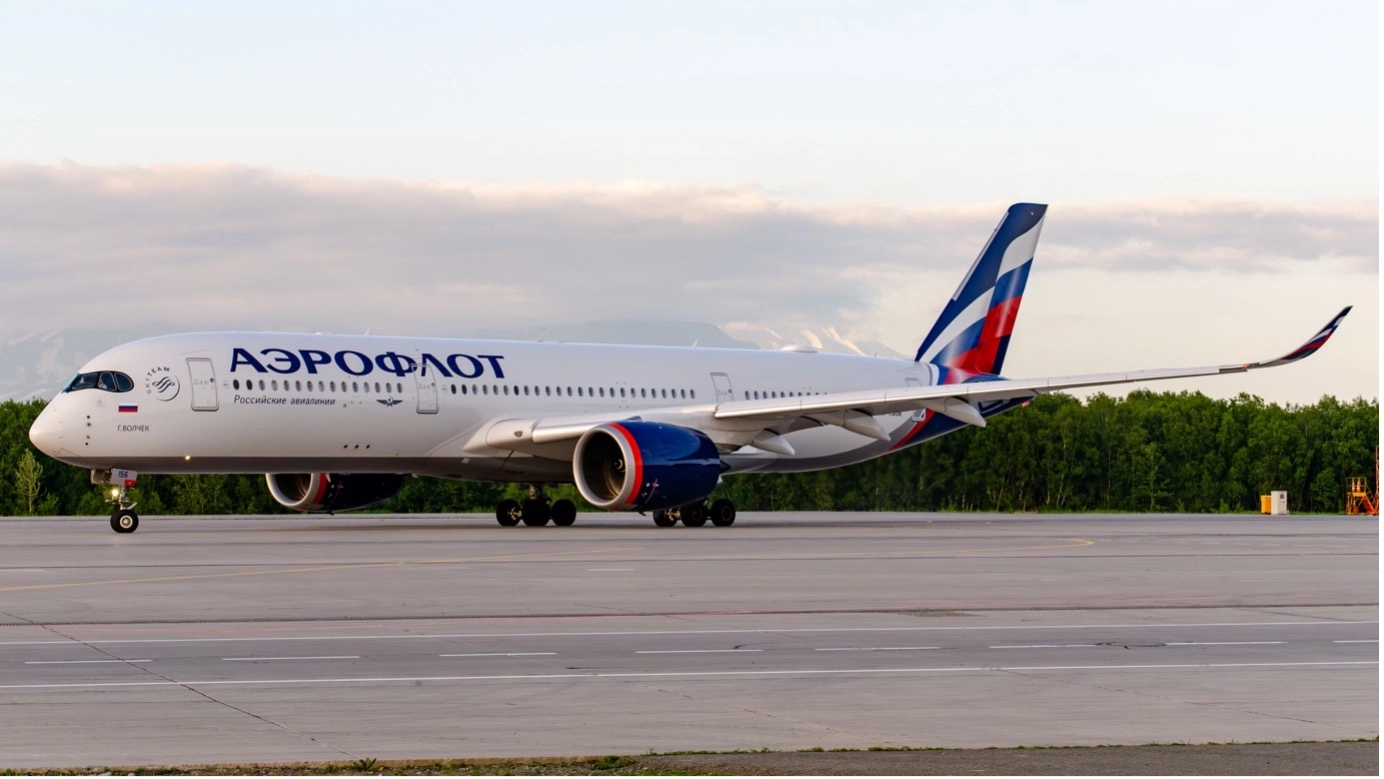
The usually pro-Kremlin social media site 112 reported on Thursday that an Airbus A350 operated by the state airline Aeroflot declared an in-flight emergency when one of its engines failed. The aircraft was en route to Indonesia but had to turn back and made a successful emergency landing at Moscow’s Sheremetyevo airport.
The Moscow Times reported that there had been almost a dozen similar incidents involving Russian civil aviation during January alone; eight involving Boeing or Airbus airframes and three of the Sukhoi SSJ-100 “Superjets.” All aircraft rely on large numbers of Western components and maintenance which has been withheld as a result of sanctions imposed following Russia’s full-scale invasion of Ukraine

While the world debates how to stop the war, one truth becomes increasingly clear: Putin himself can’t end it. Here are five reasons why.
Vladimir Putin’s full-scale invasion of Ukraine was meant to be swift and victorious. But more than three years later, Russia remains stuck in a bloody, expensive, and destabilizing war. While the world debates how to stop the war, one truth becomes increasingly clear: Putin himself can’t end it. Here are five reasons why.
More than 700,000 Russian soldiers have been fighting in Ukraine, many of them poorly trained, traumatized, or brutalized by war. Those who return home often carry deep emotional and psychological wounds – some of them turn violent, committing crimes like assault, rape, or even murder.
On top of existing patients, the fighting and devastation also generated a massive mental health crisis - both among the military and civilian population.
When Russian drones and missiles pierce the skies above Ukraine at night and air defence begins to thunder, Olga Klimova plunges into a deep sleep - far from her stay in a crowded psychiatric ward.
“I take my pills, I sleep deeply, I don’t hear anything,” the 44-year-old said, her giggle exposing missing teeth.
The Kremlin said no “immediate results” should be expected from White House-Kremlin talks, despite a “positive dynamic” and preparations for a Putin-Trump meeting.
Dmitry Peskov, the press secretary to the Russian president, said that the current dynamic in Russia-US relations is positive. At the same time, he cautioned against expecting “immediate results” from the negotiations between the two countries.
According to him, a meeting between US President Donald Trump and Russian leader Vladimir Putin is being planned.
The attacks came despite the US pushing for an end of the war and holding separate talks with both Moscow and Kyiv.
Russian drones struck the Ukrainian cities of Odesa and Kharkiv overnight, injuring at least five people and causing fires and damage to civilian infrastructure, officials said.
The attacks came despite the US pushing for an end of the war and holding separate talks with both Moscow and Kyiv -- and as US President Donald Trump this week said he was unhappy with Russia for “bombing like crazy.”

EU foreign ministers are expected to discuss an updated Kallas’ plan again on Monday, with focus on ammunition.
As Russia shows no signs of stopping to pound Ukraine’s cities, EU foreign ministers are under pressure to make progress on military aid for Kyiv during today’s Foreign Affairs Council taking place in Luxembourg.
Under an initial plan, the EU’s top diplomat Kaja Kallas hoped to mobilise as much as €40 billion of military aid for Ukraine this year to strengthen Kyiv’s hand on the battlefield and in upcoming peace talks with Russia.

Ukraine’s Business Ombudsman Council said Ukraine needs to create a transparent level playing field for businesses to boost critical infrastructure recovery.
Even when there is will, there still needs to be a way – especially for private investment in Ukraine’s critical infrastructure and recovery.
Delayed or absent payments for delivered services, ineffective state spending, an unestablished legal framework to cope with market volatility and the lack of protection against law enforcement abuse are among the key problems for private investments in Ukraine’s critical infrastructure recovery, according to Ukraine’s Business Ombudsman Council.
The Sumy strike came two days after US presidential envoy Steve Witkoff travelled to Russia to meet President Vladimir Putin and push Trump’s efforts to end the war.
US President Donald Trump on Sunday said a Russian strike on the Ukrainian city of Sumy that killed at least 34 people was “a horrible thing.”
“I think it was terrible. And I was told they made a mistake. But I think it’s a horrible thing. I think the whole war is a horrible thing,” Trump told reporters on board Air Force One while headed back to Washington.

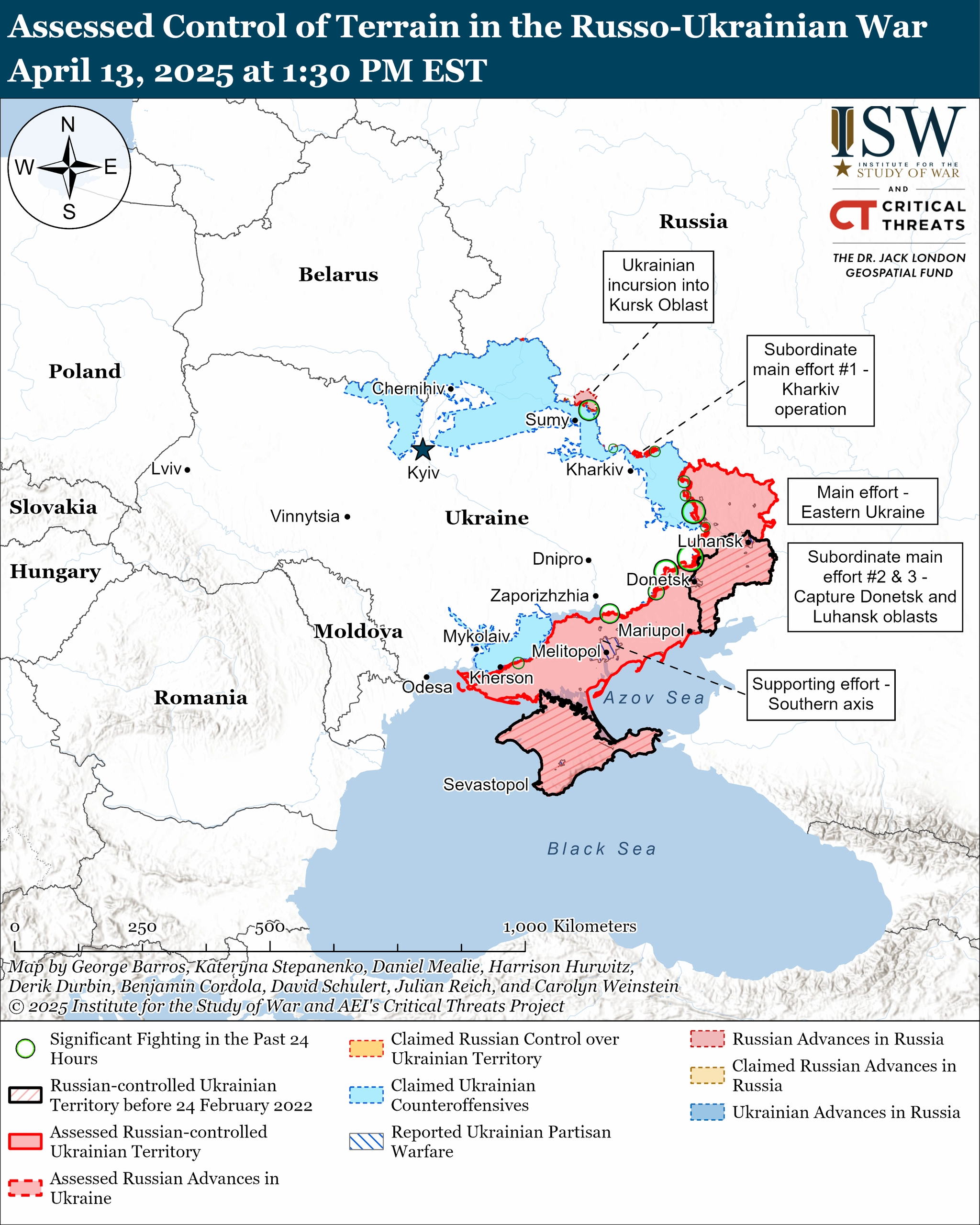
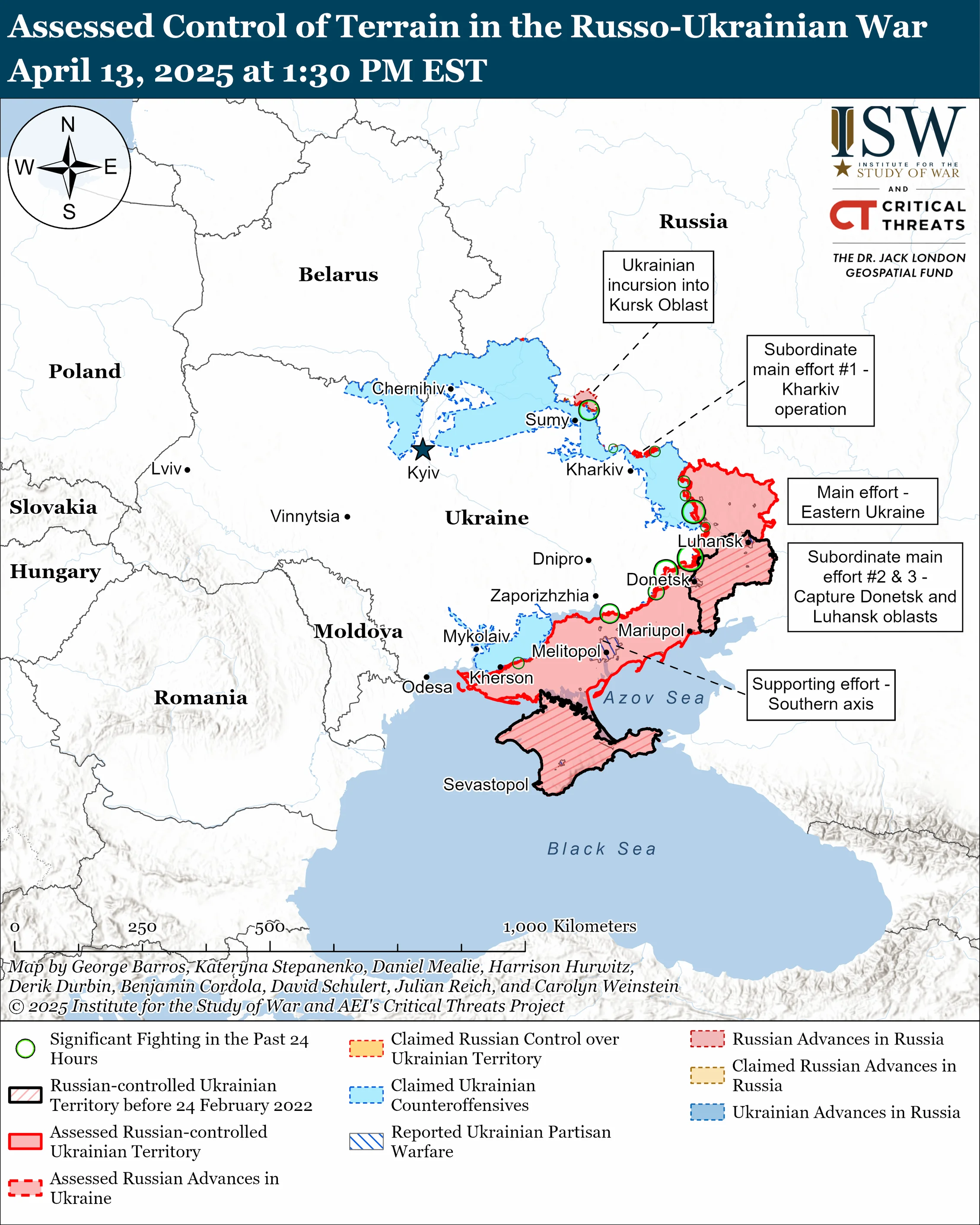
Latest from the Institute for the Study of War.
Key Takeaways from the ISW:

Cyberattacks are an important, yet often ignored component of Russia’s war against Ukraine. Ukrainians have honed their cyber-skills to make real problems for Moscow.
The media was ablaze in the early weeks of Russia’s full-scale invasion as Ukraine mobilized a digital army of volunteer hackers to fight back. While it no longer dominates the headlines, the IT Army of Ukraine has quietly evolved and its impact is only growing.
One need not rely on Western media to gauge its effectiveness. Russian officials have provided all the coverage needed. According to Foreign Ministry Spokeswoman Maria Zakharova, the volunteer hackers are run by the Ukrainian government, claiming “over 200,000 attacks were committed by the hacker community against Russian infrastructure facilities in 2023.” It remains unclear whether all of these attacks were carried out by the IT Army specifically, but the scale speaks for itself.
In an interview with CBS News’ “60 Minutes” program on Sunday, the Ukrainian president invites Trump to “go exactly where you want, in any city that has been under attacks.”
President Volodymyr Zelensky urged his US counterpart Donald Trump on Sunday to visit his country to better understand the devastation wrought by Russia’s invasion.
“Please, before any kind of decisions, any kind of forms of negotiations, come to see people, civilians, warriors, hospitals, churches, children destroyed or dead,” he said in a CBS “60 Minutes” interview broadcast Sunday.
Europe reacts to the Kremlin’s civilian-targeted missile strike, with the EU chief calling it “criminal” and Germany’s elected leader describing Putin’s actions as “perfidious” and “deliberate.”
EU chief Antonio Costa on Sunday called Russia’s missile attack on the northern Ukrainian city of Sumy that killed at least 34 civilians a “criminal” act, as leaders from around the continent condemned the decisions of Russian autocrat Vladimir Putin as “cowardly”, with the German chancellor-elect going so far as to call them “war crimes.”
“Russia continues its campaign of violence, showing once again that this war exists and endures only because Russia chooses so,” the European Council president Costa wrote on social media on Sunday.
Trump’s special envoy to Kyiv, retired Lt. Gen. Keith Kellogg, said that the Kremlin’s attack on civilian targets “crosses any line of decency,” as Trump himself refuses to punish Moscow.
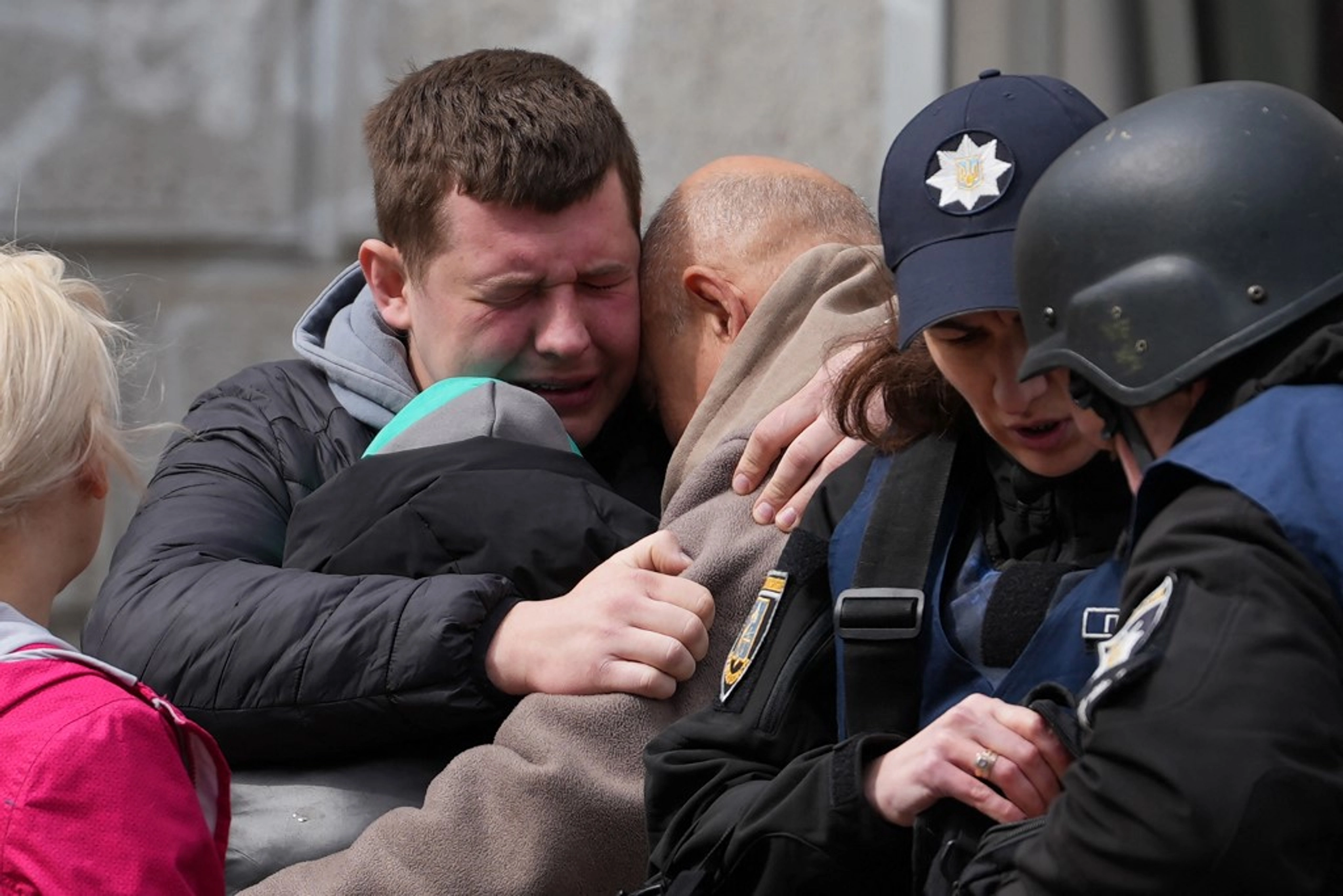
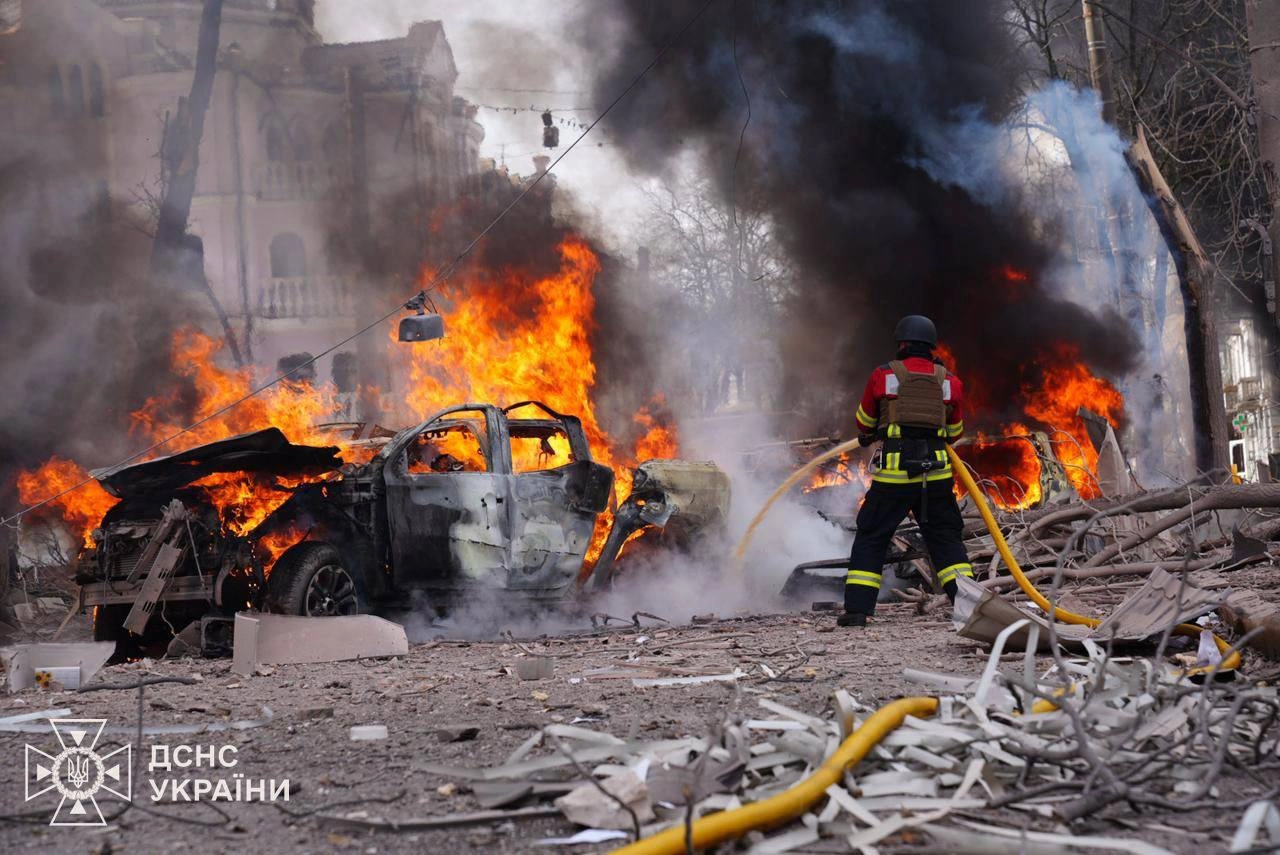
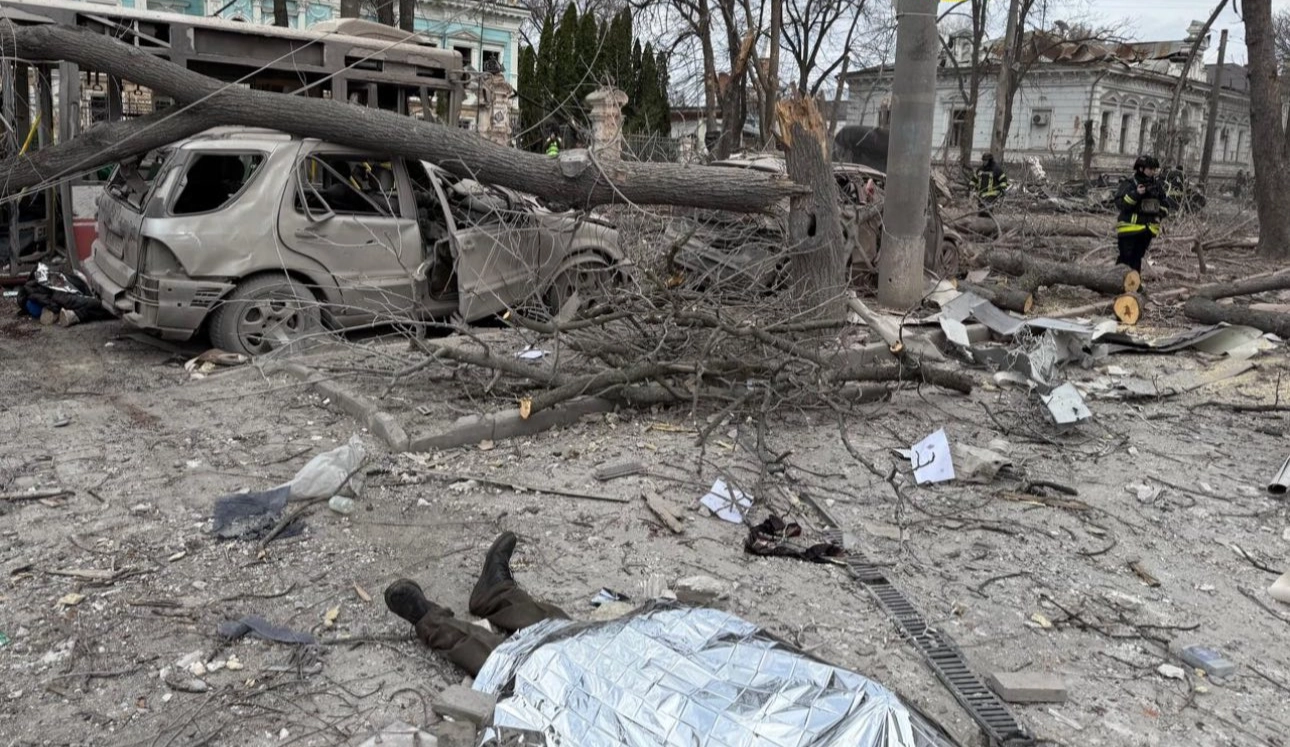
During religious services on Palm Sunday, April 13, Russian forces launched a missile strike on the northern Ukrainian city of Sumy, near the border between the two sovereign countries. Emergency services on Sunday night said the missiles killed 34 people, including two children, and wounded 117, including 15 children.
US President Donald Trump’s special envoy to Ukraine, retired Lt. Gen. Keith Kellogg, said on social media that the attack on civilian targets “crosses any line of decency.”